REVIEW · HONG KONG SAR
Kowloon Backstreet Private Night Tour
Book on Viator →Operated by Armie The Hong Kong Guide · Bookable on Viator
Kowloon at night has two faces. This 3-hour Hong Kong night walk takes you past the obvious neon and into older alley corners of Kowloon, guided by Armie The Hong Kong Guide. Expect stories that connect street scenes to local traditions and myths, plus a little attitude about the city’s darker edges.
I especially like the way Armie makes the stops feel personal instead of scripted. I also like the food rhythm: colorful markets, a stop for a local Chinese pastry at Ki Tsui Cake Shop, plus street-food tastings and a beer at Temple Street.
One thing to consider: it’s a night tour in active market areas, and it runs in good-weather conditions only—so plan for the possibility of a date change if weather is rough.
In This Review
- Key highlights worth knowing before you go
- Why this Kowloon backstreet tour feels different after dark
- Starting at Prince Edward: get your bearings fast
- Goldfish Street (Tung Choi Street): the fish tanks and the story behind them
- Ki Tsui Cake Shop: the pastry stop you’ll talk about later
- Ladies Market: neon, bargaining, and Michelin pork puns
- From Yau Ma Tei Theatre to the fruit market: old Kowloon with attitude
- Yau Ma Tei Theatre: a heritage stop with a wink
- Yau Ma Tei Fruit Market: century-old nights and controversial past
- Temple Street Night Market: mahjong corners and a singing parlor beer
- Mahjong culture and the singing parlor
- Fortune tellers and street singers at the gateway
- Food, drinks, and what’s actually included
- Price and value: is $383.47 per person worth it?
- Best fit: who should book this Kowloon night walk
- Should you book the Kowloon Backstreet Night Tour?
- FAQ
- Where does the tour start and end?
- What time does the tour run?
- What’s included in the price?
- Is fortune telling included?
- How big is the group?
- What’s the weather situation like?
Key highlights worth knowing before you go
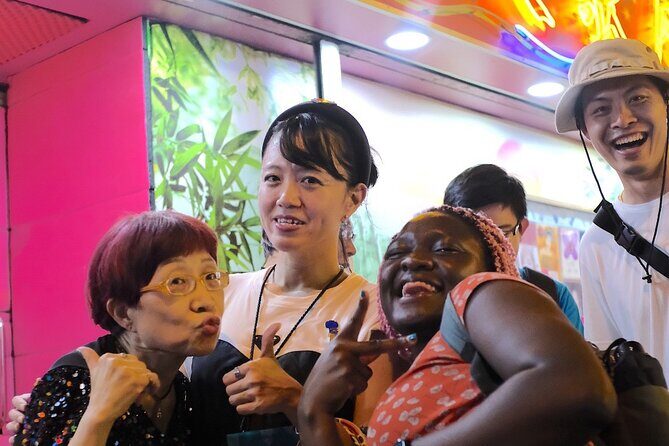
- Small group size (max 8) keeps the pacing human and questions easy.
- Armie’s storytelling style mixes local myths, history, and everyday street life.
- Street food tastings built into the route (4 tastings plus 1 drink) so you don’t have to guess where to eat.
- Temple Street’s singing parlor experience with a beer turns the night market into something you can actually feel.
- Markets plus “backstreet” context at places like Ladies Market and the Temple Street gateway to the red-light area.
- Free time to explore after the tour ends near Jordan station—you’re not stuck far from transit.
Why this Kowloon backstreet tour feels different after dark
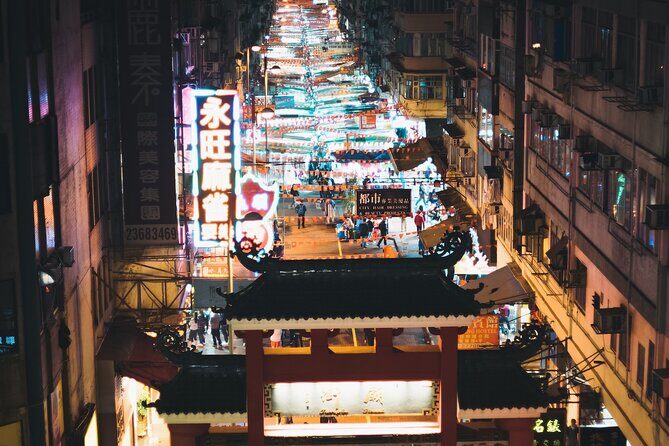
If your Hong Kong plan is mostly polished viewpoints and landmark photos, Kowloon at night can feel like a plot twist. This tour is built for that exact moment—when you realize the city’s real personality shows up in the alleys, not just the big streets.
Armie’s gift is turning what you see into what it means. You’ll get explanations for why certain streets became famous, what people do there after dark, and the myths that locals still pass along. It’s not only “what is this?” It’s “why does this place exist like this?” That’s the value of a good guide in a city like Hong Kong, where a maze of streets can look random if you’re on your own.
And the second big reason it works: the route is food-and-music timed. You’re not just walking from one sign to the next. You’re stopping at the places where the night has momentum—markets that are still trading, snack counters that still sell, and Temple Street venues where Cantonese music is part of the atmosphere.
You can also read our reviews of more private tours in Hong Kong SAR


Starting at Prince Edward: get your bearings fast
The tour starts at Prince Edward Station on Nathan Road (6:30 pm). That’s a smart choice. You’re near a major transit artery, so you can arrive without stress, then settle into the evening plan right away.
Before the first major stop, you’ll be set up for the evening’s rhythm: market side streets, food stops, and a “walk-then-listen” approach. This is one of those tours where it helps if you’re mentally ready to slow down. The fun isn’t speed. The fun is noticing.
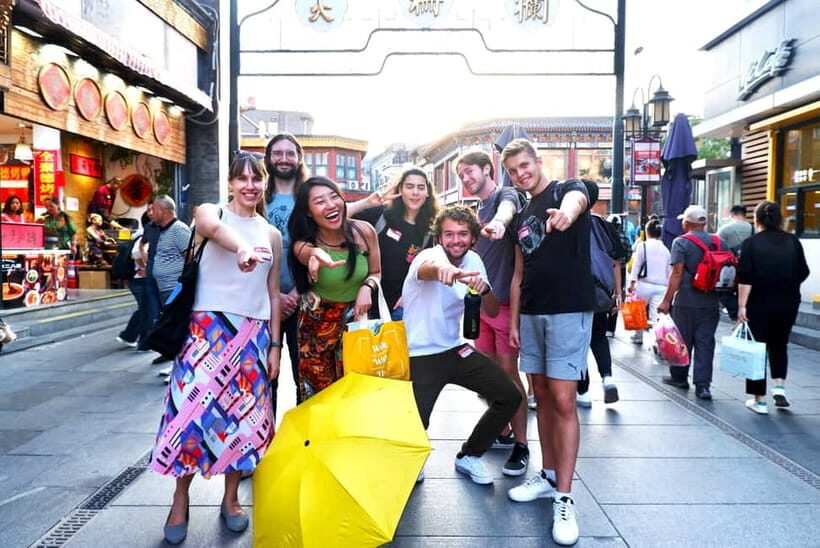
Also, don’t assume this is fully private in the way you’d picture a chauffeured car. The group max is 8 travelers, and that’s part of the experience. You’ll move as a small cluster, ask questions, and keep your place in the flow without feeling like you’re in a crowd.
Goldfish Street (Tung Choi Street): the fish tanks and the story behind them
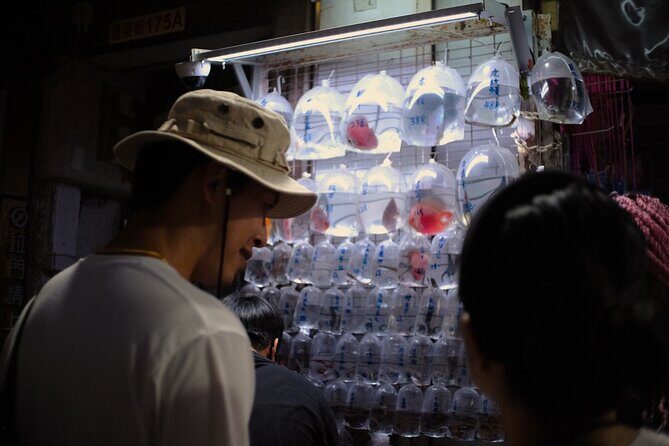
The first stop is Goldfish Street (Tung Choi Street). You’ll see colorful exotic fish and the shops that display them. The surface is visual—bright tanks, lively colors, and that quick-market energy you only get in the evening here.
What makes the stop memorable is that Armie doesn’t treat it like a photo stop only. You’ll hear about the industry’s shocking secret. I like this approach because it gives you something to watch for beyond the obvious. When you look at the fish tanks after that kind of context, it changes how you interpret the whole street.
This is also a low-commitment stop (around 15 minutes), and admission is free. It’s a good “warm-up” before the markets start getting louder and denser.
Ki Tsui Cake Shop: the pastry stop you’ll talk about later
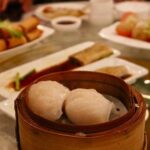
Next up is Ki Tsui Cake Shop, an old-school bakery stop known for a Chinese pastry and even for being featured on Netflix food programming (so yes, some people come here already curious).
This is one of the better kinds of food stops on a walking tour: quick, classic, and not risky. You’re grabbing a local favorite rather than hunting down something you may or may not be able to identify in a supermarket-style menu.
The key is to eat with intention. I’d treat this as your first “Hong Kong snack benchmark” so later, when you’re comparing textures and flavors in other markets, you’ll actually notice what tastes fresh versus what tastes mass-made.
Again, the stop time is brief (about 15 minutes). It’s designed to keep the momentum going.
Ladies Market: neon, bargaining, and Michelin pork puns
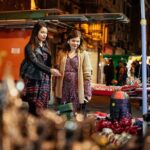
Then you hit Ladies Market, one of those names Hong Kong visitors recognize instantly. Even so, the value here is not the name—it’s what you learn about how the market works and how people bargain.
Armie will guide you through the vibe: neon lights, busy stalls, and the practical tricks locals use to negotiate without making it awkward. I like that because bargaining in a foreign language can feel intimidating. Having someone explain the rhythm helps you participate more naturally.
And yes, there’s food. You’ll try Michelin pork puns, described as pan-fried, crispy, and juicy. Even if you’re not a big street-food person, this kind of stop works because it’s hot, snackable, and easy to share.
The stop is about 25 minutes. That’s long enough to taste, watch how vendors interact, and still move on before the tour turns into pure wandering.
You can also read our reviews of more evening experiences in Hong Kong SAR

From Yau Ma Tei Theatre to the fruit market: old Kowloon with attitude
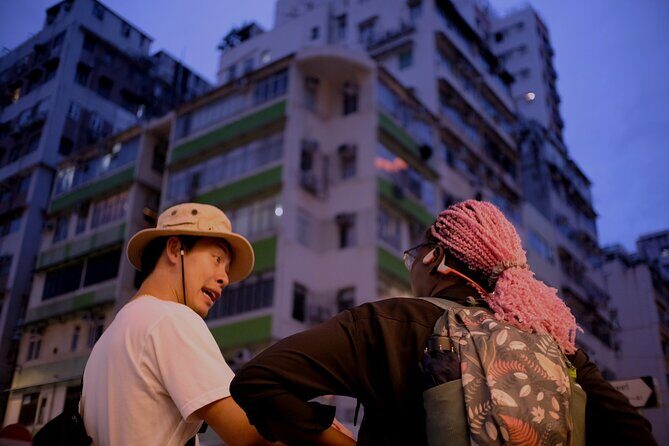
After Ladies Market, the tour shifts into more “old Kowloon” territory.
Yau Ma Tei Theatre: a heritage stop with a wink
You’ll stop at Yau Ma Tei Theatre, presented as an old heritage site tied to a naughty, bizarre background that’s supposed to make you crack up. I like heritage stops when they’re not museum-quiet. This one sounds like it’s handled as storytelling—less lecture, more street-level punchline—so you don’t feel like you’re watching history from behind glass.
It’s also short (about 15 minutes), which makes it easy to enjoy without your feet complaining too soon.
Yau Ma Tei Fruit Market: century-old nights and controversial past
Next is Yau Ma Tei Fruit Market, described as a century-old nocturnal fruit market with a controversial past. You’ll step into that night-market feeling where the produce is part of the life around it, not just a tourist attraction.
You can try super fresh fruit if you want. The tour time is about 20 minutes. I’d treat it like a palate reset: fruit is a good counterweight after fried snacks and sweet pastry.
The “controversial past” piece matters because it adds context. Without that, markets can feel like just another street photo backdrop. With it, you understand why the area has the reputation it does.
Temple Street Night Market: mahjong corners and a singing parlor beer
Temple Street is the centerpiece. You’ll spend two parts here.
Mahjong culture and the singing parlor
First, you’ll get a guided look at Temple Street Night Market, including the culture of mahjong parlors. This is where the street stops being just “a place to shop” and becomes a place to socialize after dark.
Then you’ll go into an original singing parlor run by a local legend. Here’s the practical win: you’re not only watching. You’re hearing. And the tour includes one beer so you can settle in like the locals do—drink to the music, and sing if you want.
This is the kind of stop where your expectations matter. If you want a quiet, keep-your-voice-down kind of experience, it might not match your style. If you like live street energy, it’s likely to be the highlight of the night.
Fortune tellers and street singers at the gateway
The second Temple Street segment is focused on the street itself: fortune tellers, street singers, and the gateway discussion around the red light area. Admission isn’t included for this portion.
A key point: the tour does not include fortune telling. If you’re curious, you’ll need to plan for that separately.
This second segment is about learning the atmosphere and the local meaning behind what’s in front of you. It’s the “context walk” that makes Temple Street more than a busy street—you understand why people talk about it so much.
Food, drinks, and what’s actually included
This tour includes 4 street food tastings and 1 drink. Alcohol is specifically 1 beer at the singing parlor.
That matters for value because street food in Hong Kong can be delicious but unpredictable. With a guided plan, you’re spending your time on the experience instead of burning energy trying to find where locals eat at 8:30 pm.
Also, some stops have free admission and some parts include entry. The key takeaway for you: you’re paying for a guide-led night plan where the tastings and one main drink are built in. You’re not paying only for walking.
Price and value: is $383.47 per person worth it?
At $383.47 per person for an evening that runs about 3 hours, this isn’t a budget snack crawl. It’s closer to paying for a high-touch night guide with real local access.
Here’s the value math that makes sense:
- You get a small group experience (max 8), not a big cattle-car format.
- You’re guided through several signature Kowloon areas in one go: Goldfish Street, Ki Tsui Cake Shop, Ladies Market, Yau Ma Tei stops, then Temple Street.
- You’re not left guessing on food. 4 tastings and 1 drink are included.
- Temple Street’s singing parlor includes beer, which is the difference between looking in at nightlife versus being part of the vibe.
The main reason it feels worth it is Armie’s personality in the role. In many guides, “local stories” means generic facts. Here, the guide energy is part of the product—funny, warm, and willing to go off script while still keeping the night organized.
If you’re the kind of traveler who likes meeting a real person in a city and letting them shape the evening, this price can feel reasonable. If you’re purely price-shopping and prefer to wander alone, you might skip it.
Best fit: who should book this Kowloon night walk
This tour is a great fit if you:
- Want old Kowloon atmosphere without needing to translate every street sign yourself.
- Like food stops that are short and meaningful, not long drawn-out meals.
- Enjoy nightlife culture, including the more complicated parts of city life, handled with context.
- Prefer a guide who mixes humor and heart—Armie’s style comes through in how people describe the experience.
It’s also a good second-night plan in Hong Kong. You’ll likely get more from it after you’ve seen enough daytime landmarks to appreciate the contrast.
Should you book the Kowloon Backstreet Night Tour?
Yes, if you want a guided night in Kowloon that combines markets, food tastings, and Temple Street’s music culture. This is the kind of tour where the guide turns a set of streets into a story you’ll remember, not just a list of places you visited.
Before you book, decide if you’re comfortable with a night route that includes edgy topics like gambling dens and red light area context. Also, wear shoes you don’t mind getting a little sweaty in. And if you hate any chance of nightlife singing or loud energy, you should think twice—Temple Street’s singing parlor is part of the point.
If that sounds like your kind of Hong Kong, I’d book it and plan to stay flexible. Good weather helps, and the timing is perfect for a 6:30 pm start.
FAQ
Where does the tour start and end?
It starts at Prince Edward Station on Nathan Road. It ends at the south Temple Street Night Market near Jordan station, where you can easily walk to transit or take a taxi on Nathan Road.
What time does the tour run?
The start time is 6:30 pm, and the tour lasts about 3 hours.
What’s included in the price?
You get snacks that include 4 street food tastings and 1 drink, plus 1 beer at the singing parlor.
Is fortune telling included?
No. Fortune telling is not included, though you’ll pass fortune teller booths and learn about that side of Temple Street.
How big is the group?
The maximum group size is 8 travelers.
What’s the weather situation like?
The tour requires good weather. If it’s canceled due to poor weather, you’ll be offered a different date or a full refund.