REVIEW · BEIJING
Online Cooking Class Hand Pulled Noodles by Sunflower Li
Book on GetYourGuide →Operated by Sunflower Tours China · Bookable on GetYourGuide
In China, one noodle trick changes everything. This online class teaches you to make Xi’an hand-pulled noodles from scratch, including the wide, belt-like Biáng Biáng noodles and a finish sauce that tastes like it came from a real kitchen. You’ll also pick up cultural context along the way, not just recipes.
I like that you get a private, Zoom-based experience with an instructor who explains clearly in English, with enough pacing that groups of mixed skill levels can keep up. In a typical session, you’re not just watching. You’re making the noodles and learning how the technique actually works.
The main thing to consider is logistics: you’re relying on your prep list and timing your Zoom session correctly, since the class runs on Beijing time. If that’s off by a day or two, you’ll feel it fast.
In This Review
- Key things to know before you join
- Why Biáng Biáng Noodles are a different kind of Chinese cooking
- Chef Sunflower Li on Zoom: teaching that actually lands
- The class flow: what you’ll likely do during the 2 hours
- 1) Set up your kitchen and ingredients
- 2) Make the noodles from scratch
- 3) Cook and dress the noodle dish components
- 4) Make a quick finishing sauce
- 5) Eat, compare notes, and keep the momentum
- What makes the timing flexible (and what to double-check)
- Value check: is $99 per group up to 5 a good deal?
- Vegan and group-friendly: who this class is best for
- What to prep ahead of time so you don’t get stuck
- Should you book the Sunflower Li hand-pulled noodle class?
- FAQ
- How long is the online cooking class?
- Is this cooking class online or in person?
- What’s included in the price?
- What ingredients do I need to prepare before the class?
- Can the class time be adjusted for my time zone?
- What is the class language?
Key things to know before you join
- Belt-width Biáng Biáng noodles: wide noodles and that signature pulling sound (Biáng Biáng)
- Chef Sunflower Li leads in English on Zoom with step-by-step guidance for a private group
- Flexible scheduling by time zone so you can do this around your dinner or lunch time
- All-from-scratch cooking including noodle dough and a quick finishing sauce
- Vegan option available so you can match your menu needs
- Built for groups like team building, birthdays, bridal showers, and families with kids
Why Biáng Biáng Noodles are a different kind of Chinese cooking
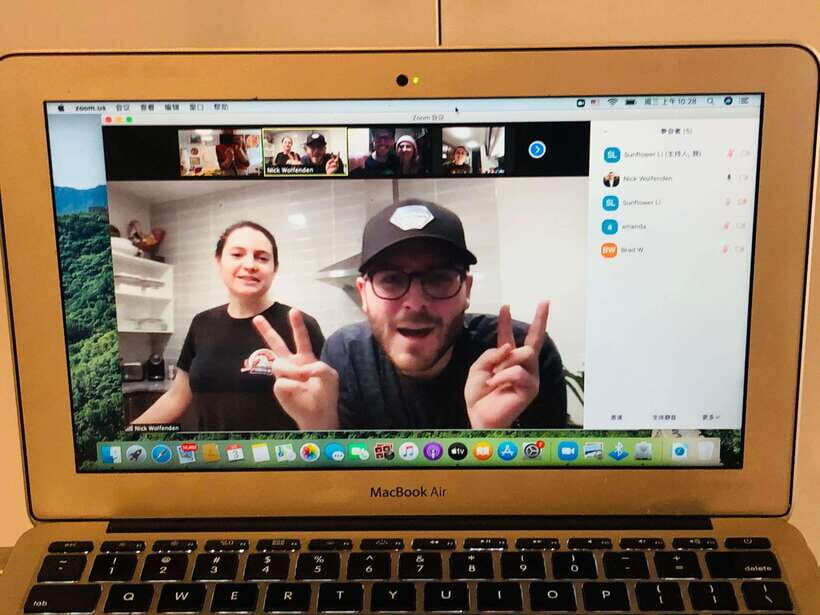
Hand-pulled noodles are one of those foods that sounds simple until you try it. The class here centers on Biáng Biáng noodles, the Xi’an specialty made by stretching and pulling wide dough strips into long, thick noodles. The name comes from the sound the noodles make when you pull and smack them while working the dough.
I like that this isn’t just “make noodles.” You also get the why behind the technique. The class frames noodles as part of China’s long culinary story, with a tradition that goes back more than 1,800 years. You also connect the dish to Xi’an, linked to the Terracotta Army birthplace area. That makes the food feel grounded instead of random.
The texture is the payoff. These noodles are refreshing and especially suited to warmer weather, since they keep a lively bite even after cooking. In other words, you’re learning a dish that can be more than a one-time event. Once you get the pull right, you can remake the style at home without guessing what went missing.
You can also read our reviews of more cooking classes in Beijing
Chef Sunflower Li on Zoom: teaching that actually lands
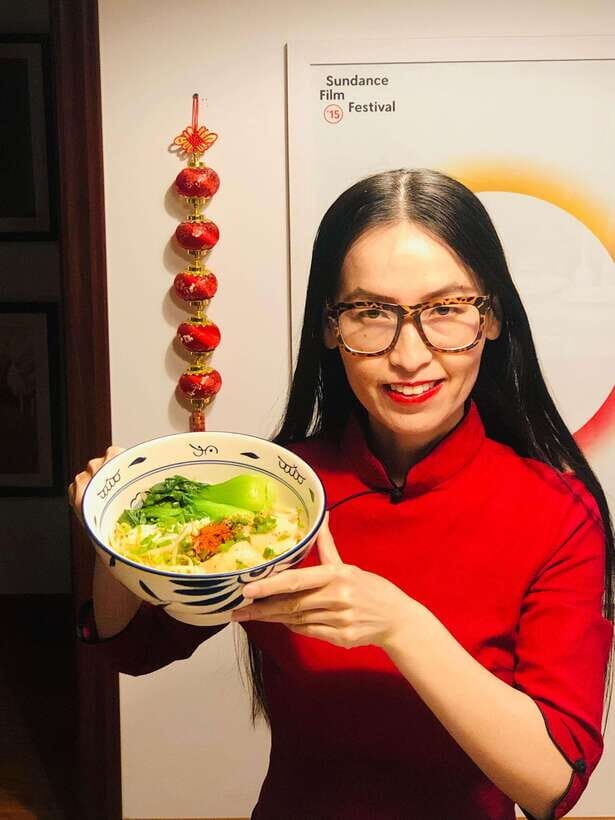
This is taught by Chef Sunflower Li (English instruction) through Zoom. Your teacher meets you virtually, and after you book, you receive the Zoom meeting link by WhatsApp or iMessages—plus the ingredients list you’ll need before class. That up-front prep matters, because you’ll move from mixing to pulling without long pauses.
One of the biggest strengths here is the teaching tone and clarity. In feedback from past participants, Chef Li is described as enthusiastic, attentive, thorough, and entertaining—so you stay engaged even when the technique gets tricky. People also specifically mention that she guided everyone to success with detailed steps, not vague instructions.
Another smart aspect: the class doesn’t stay locked to food mechanics. You may also learn about Chinese culture and even Chinese writing. That shows up in the way Chef Li explains the dish and its name, which is extra helpful if you’re curious about meaning rather than only method.
Private group format also changes the vibe. Instead of a crowded class where you wait your turn, you’re cooking with your group while the instructor keeps the session aimed at you. That makes it a strong fit for team building and celebrations, where you want everyone involved.
The class flow: what you’ll likely do during the 2 hours
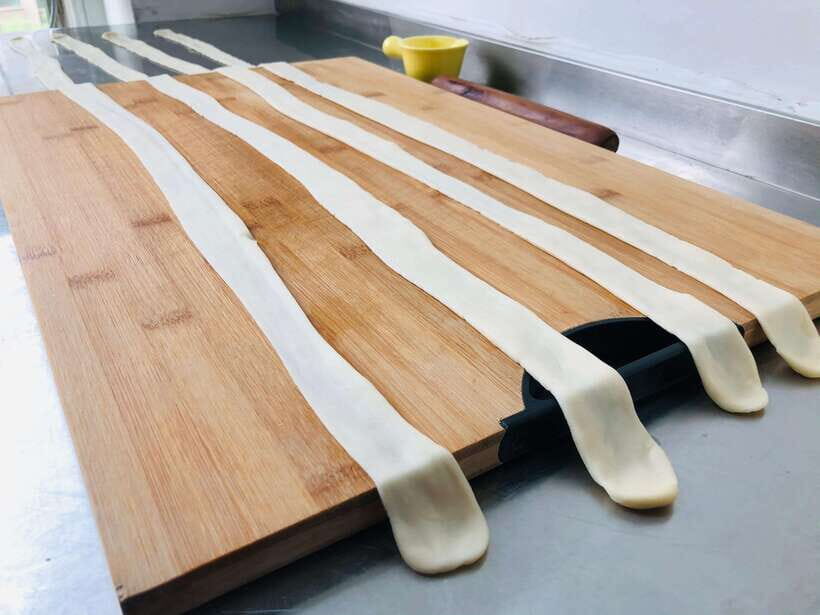
The sessions are listed at 2 hours, and they’re often described as running about 90 minutes to 2 hours depending on the group and timing. Either way, the structure is straightforward: prep your ingredients, follow along with noodle making from scratch, then finish with a sauce.
Here’s what you should expect in the order of things, based on what the class is designed to teach:
1) Set up your kitchen and ingredients
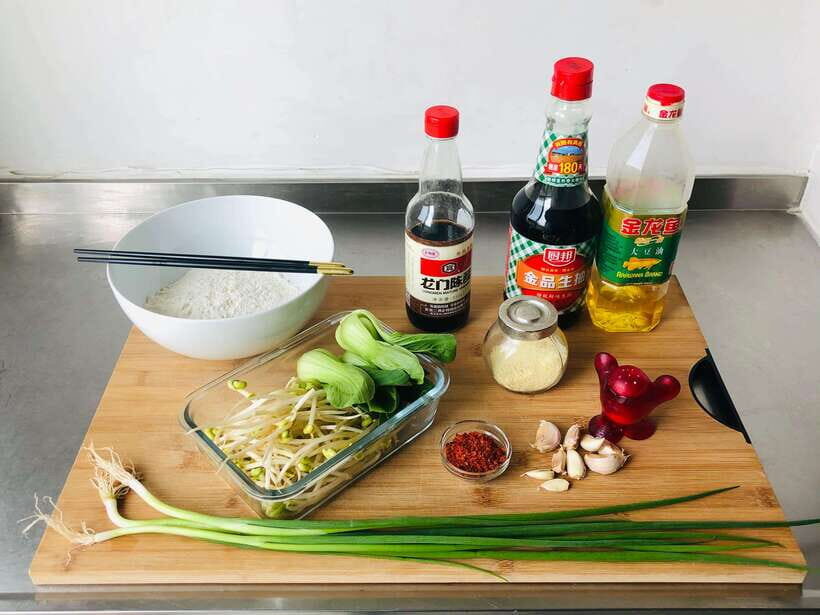
Before the class begins, you’ll get a detailed ingredient list. Cooking ingredients are not included, so you’ll gather everything ahead of time. The list includes:
- 4 oz / 112g bean sprouts
- 4 oz / 112g bok choy
- 5 TBSP diced green onion
- 4 TBSP minced garlic
- Chili powder (optional)
- Toasted sesame seeds
- Vinegar
- 13 spice (with a suggested sub of 5 spice)
- Olive oil and salt
You’ll also do the essential “noodle basics” prep at home: making sure you have the right space, a workable surface, and everything measured so you’re not scrambling while pulling dough.
2) Make the noodles from scratch
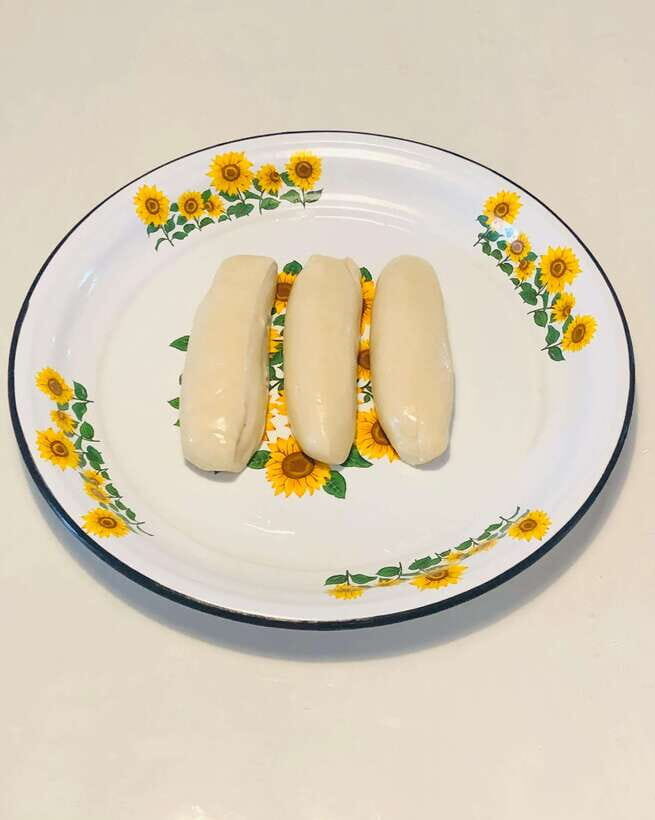
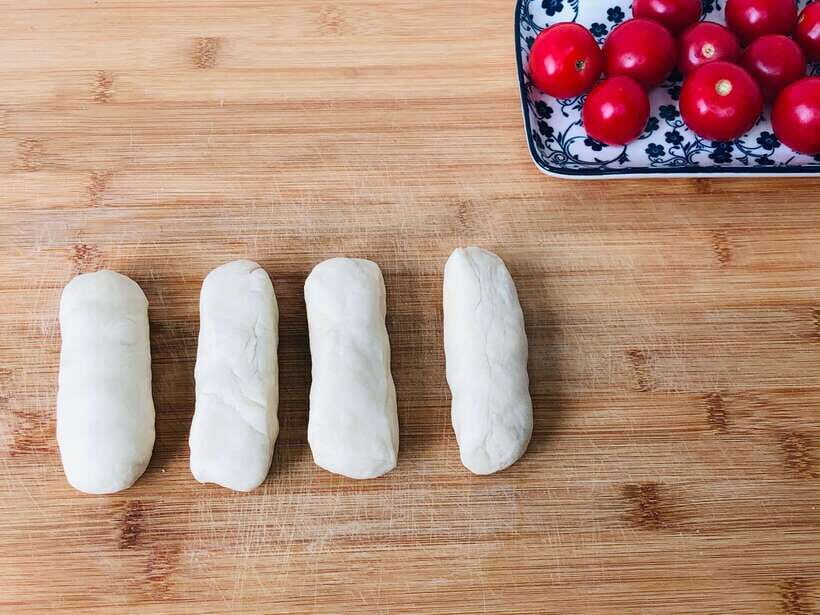
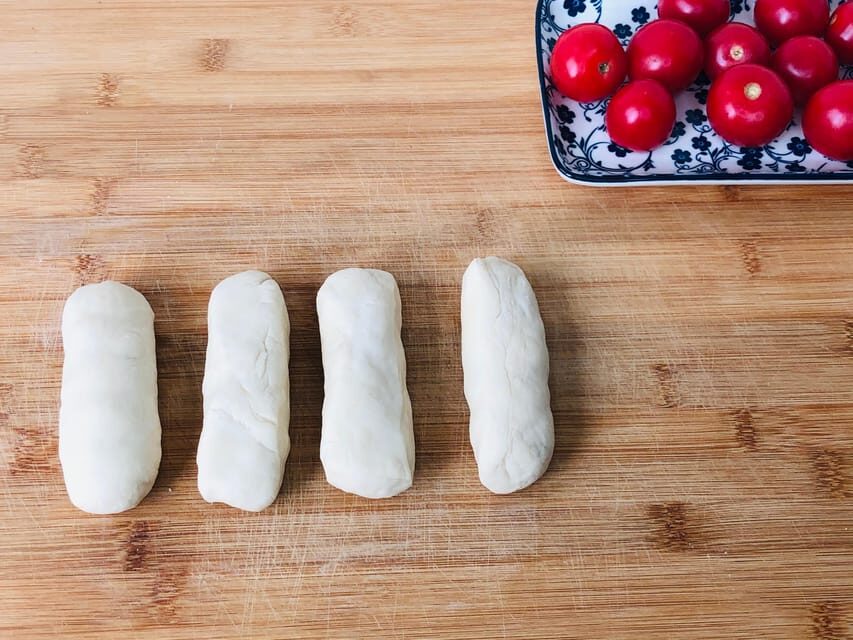
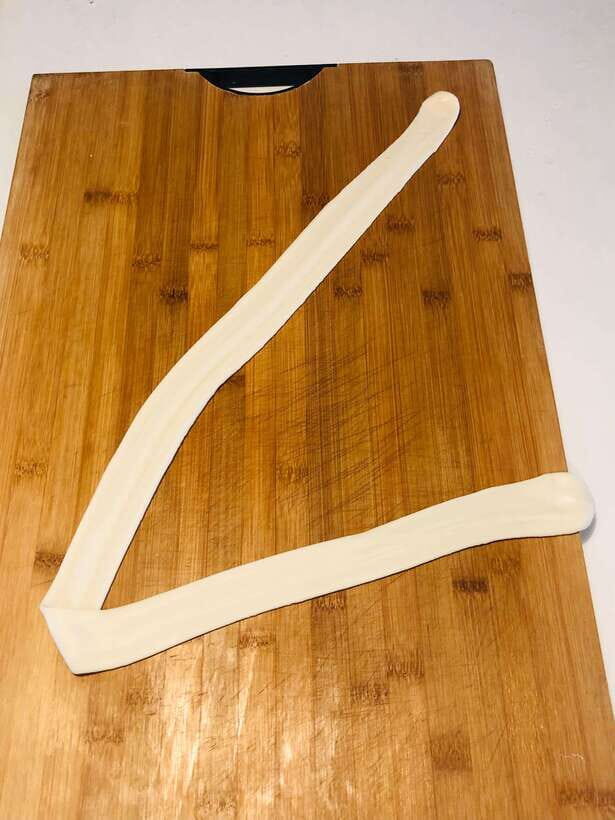
The heart of the class is the hand-pulled technique. You learn how to stretch dough into long noodles and shape them into that distinctive wide, belt-like style. The point isn’t just the finished noodle. It’s learning how the pulling technique creates the right thickness and chew.
Because noodle pulling is touch-and-feel, guidance matters. People who’ve taken the class mention that the method really works and that Chef Li’s step-by-step direction makes it possible, even if you’ve never handled this kind of dough before.
A few more Beijing tours and experiences worth a look


3) Cook and dress the noodle dish components
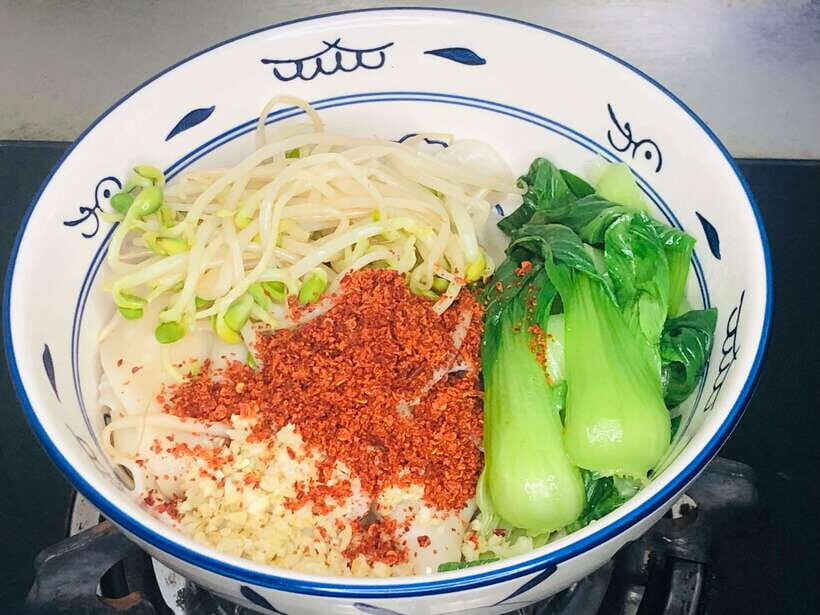
As the noodles come together, you use the vegetables from your prep list—bean sprouts and bok choy—and season with aromatics like green onion and garlic. Chili powder is optional, so you can keep it mild or go warmer depending on your group’s preferences.
This part turns the session from technique practice into real food practice. When the noodles and vegetables meet, you start to understand why the noodle style matters: wide noodles pair well with sauces that cling and flavors that build.
4) Make a quick finishing sauce
The end step seems to be where people feel the most wow-factor. Participants specifically call out that the sauce they make at the end is delicious and feels authentic rather than like the bottled or typical restaurant shortcut version.
So you’re not only leaving with noodle skills. You’re leaving with a sauce approach you can repeat at home. That is a huge value add, because sauce is what often makes a homemade noodle dish taste “right.”
5) Eat, compare notes, and keep the momentum
Even though it’s an online class, it’s still a shared meal. You’ll finish with your group around what you made. For families, kids and adults both are said to have a great time, which makes sense: noodles are fun to make, and the end result is immediate.
What makes the timing flexible (and what to double-check)
This class is designed to suit Europe or US time zones for either dinner or lunch. That flexibility is a real benefit if you’re planning around work schedules or family meals. It means you’re less likely to end up with a hopelessly awkward hour like 2 a.m.
Still, there’s one timing detail you must respect: the class runs on Beijing time. One participant note is a practical warning—make sure you check what Beijing time converts to in your location. It also helps to confirm the date, since the time zone difference can shift which calendar day you’re actually joining.
If you’re booking for a group, treat this like you would a live meeting: share the confirmed time, not your best guess. The good news is that the schedule is described as flexible, and the class time can be changed to fit your schedule and time zone.
Value check: is $99 per group up to 5 a good deal?
The price is $99 per group up to 5, with a duration of about 2 hours. For an online experience, that price lands in the “splurge that still feels fair” category—if you’ll actually involve the whole group.
Here’s why it can feel worth it:
- You get private group instruction rather than a general public class.
- You learn a specific, technique-based dish (hand-pulled noodles) rather than generic cooking.
- The finished meal includes both noodles and vegetables, plus a sauce you can reuse.
- You can choose a vegan option, which broadens who can participate without forcing menu changes.
Where value might not hit as hard:
- Ingredients are not included, so your total cost depends on what you already have at home. If you’re starting from scratch, your grocery run can add up.
- It’s only a 2-hour window, so if your group wants a long sit-down cooking day, this is more of a skill session than a full culinary tour.
If your goal is hands-on cooking with real instruction and a fun group activity, this format is efficient. For birthdays, team building, bridal showers, or just a group night in, paying for the teaching and structure can make more sense than trying to learn from a video and hoping your noodle technique works out.
Vegan and group-friendly: who this class is best for
Chef Li notes vegan options are available, and the class is framed as friendly for both kids and adults. That combination matters. Noodle dishes can get complicated when dietary needs appear last minute, but having a vegan option planned keeps the session inclusive.
It’s also built for people who want the “togetherness” of an event without travel. If you’re planning something like a team building activity, the private group format keeps it from turning into a crowd event. For celebrations, it’s more engaging than ordering takeout because everyone is doing something.
You’ll probably be happiest if:
- Your group wants a hands-on cooking challenge
- You like authentic, regional food (this one is rooted in Xi’an)
- You’re okay with cooking at home and you can follow an ingredient list
- You want an instructor to guide technique, not just share a recipe
What to prep ahead of time so you don’t get stuck
Since cooking ingredients aren’t included, your biggest success factor is prep. Before the class, make sure you have the full list and that you can work with them without delay.
A practical way to approach it:
- Measure and prep aromatics first: minced garlic and diced green onion.
- Decide on heat level early: chili powder is optional.
- Keep sesame seeds and vinegar ready for the sauce stage.
- Have bok choy and bean sprouts washed and portioned so you’re not rushing at the vegetable step.
- If you don’t have 13 spice, the class materials suggest 5 spice as a sub, so check what you can buy ahead of time.
The other success factor is your tech setup. You’ll be on Zoom for a hands-on class, so stable internet and a clear view of your cooking space help you get feedback from the instructor.
Should you book the Sunflower Li hand-pulled noodle class?
Book it if you want a fun group cooking night with real technique coaching, not just a recipe reading. The combination of hand-pulled Biáng Biáng noodles, the Xi’an cultural grounding, and a sauce that people describe as genuinely authentic makes this more memorable than many online cooking sessions.
Don’t book it if you’re not willing to shop for ingredients or you’re likely to mix up the Beijing time conversion and join at the wrong moment. With those two checks handled, though, this class is a strong value way to learn something you’ll actually use again at home.
FAQ
How long is the online cooking class?
The class is listed at 2 hours, and it’s also described as usually running about 90 minutes to 2 hours depending on the session.
Is this cooking class online or in person?
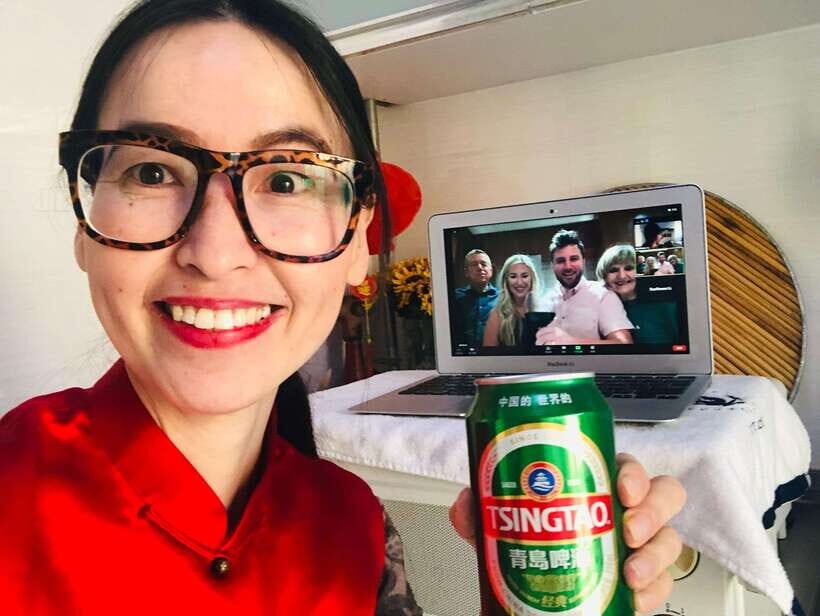
It’s online only. You meet Chef Sunflower Li virtually via Zoom.
What’s included in the price?
Included is the private online cooking class on Zoom. A vegan option is available.
What ingredients do I need to prepare before the class?
Cooking ingredients are not included. You’ll be given an ingredients list after booking. It includes items like bean sprouts, bok choy, green onion, minced garlic, toasted sesame seeds, vinegar, and spice blends such as 13 spice (with 5 spice as a substitute).
Can the class time be adjusted for my time zone?
Yes. The schedule is flexible, and the time can be changed to suit your schedule and time zone.
What is the class language?
The instructor teaches in English. After you book, you’ll receive the Zoom link and the ingredient details for your session.