REVIEW · BEIJING
Beijing: Dumpling Making Workshop with Meal and Tea
Book on GetYourGuide →Operated by HAPPY PANDA TRAVEL AGENCY CO.,Ltd. · Bookable on GetYourGuide
Flour on your hands, Beijing on your plate. This hands-on workshop has you making dumplings from dough to pleated shape, then eating them in a cozy group meal with tea. You start at 16:30 with an English-speaking instructor.
I love the step-by-step guidance on kneading and shaping, and I like that you finish with a communal dinner where you actually get to eat what you made. The tea pairing and extra dishes keep the whole evening from feeling like a quick demo.
One consideration: there is no hotel pickup or drop-off, so you’ll want to get yourself to the meeting lobby on time. Also, it is not suitable if you have food allergies.
In This Review
- Key things you will remember
- Dumplings as a Beijing shortcut to everyday culture
- What the 3 hours feel like (and how to succeed fast)
- Kneading and fillings: the skill you take home
- Pleating dumplings: where the fun clicks
- The cultural part: why dumplings mean more than dinner
- Your finish: a cozy communal dinner with tea and drinks
- Where this workshop happens (and why the setting matters)
- Price and value: why $35 can make sense here
- Practical logistics that can make or break your evening
- Who this workshop is perfect for
- Who should skip (or adjust plans)
- The bottom line: should you book this Beijing dumpling workshop?
- FAQ
- Where do I meet the guide?
- What time does the dumpling making class start?
- How long is the experience?
- What is included in the price?
- Do I need to bring anything?
- Is an English instructor provided?
- Is this activity suitable for food allergies?
- Is there a cancellation option?
Key things you will remember
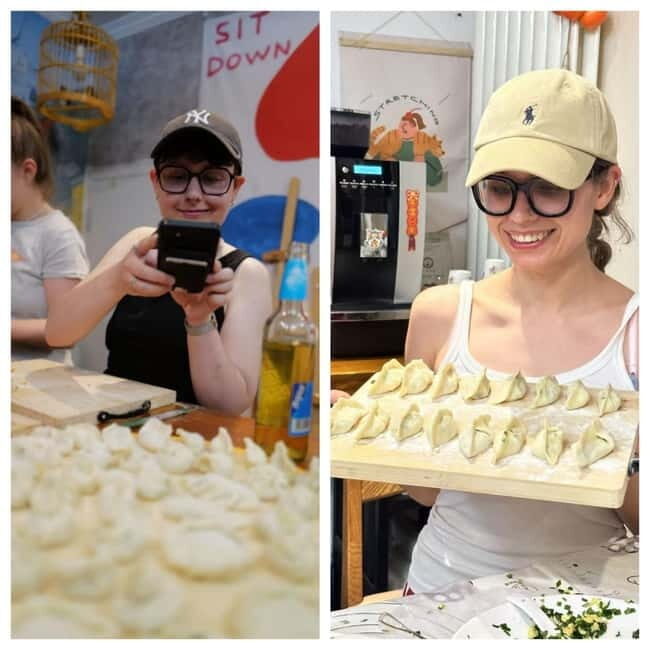
- Hands-on dough and pleats: knead, fill, and shape dumplings with clear coaching
- Tea pairing with dinner: your dumplings are served alongside tea, plus other drinks like beer
- English instruction: the class is led by an English instructor and designed for easy follow-along steps
- Culture built into the meal: you learn the history and symbolism of dumplings, including Lunar New Year traditions
- More than just dumplings: you get other local dishes, desserts, and drinks too
- Good meeting-day habits: start time is 16:30, and you’ll meet in the hotel lobby
Dumplings as a Beijing shortcut to everyday culture
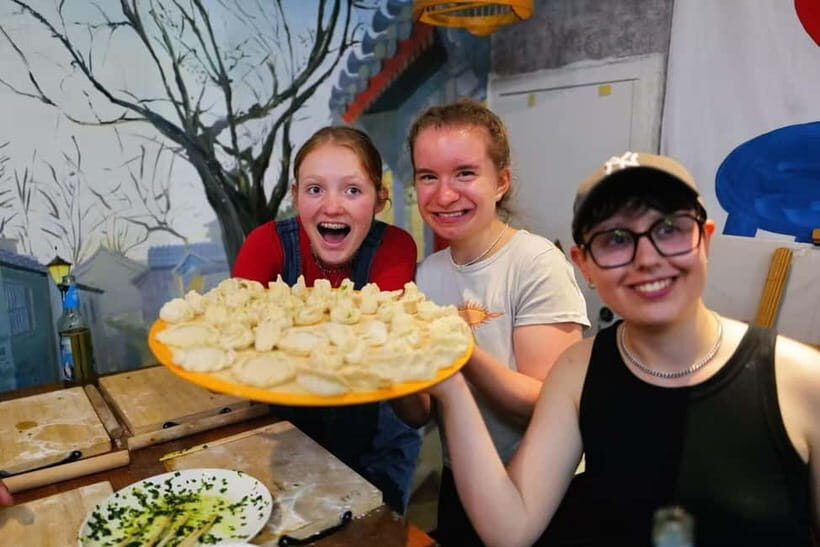
A dumpling workshop is one of my favorite ways to understand a place without chasing a bus schedule. You are learning a skill people do at home, not just watching it from the outside. In this 3-hour session, you move through dough, fillings, and pleating while your guide connects it to the meaning behind the food.
The value here is not only the cooking. It is the mix of hands-on work plus a real shared dinner. You also get tea pairing, and the meal is not limited to your own dumplings. That matters, because you finish full, not just proud of your folding technique.
A few more Beijing tours and experiences worth a look
What the 3 hours feel like (and how to succeed fast)
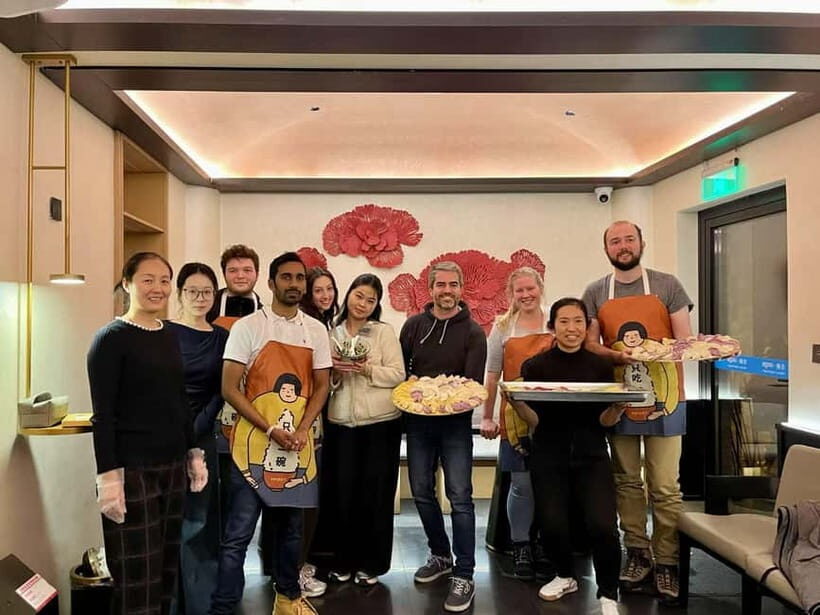
The experience runs for about 3 hours and starts at 16:30. You meet your guide at the hotel lobby, then roll up your sleeves and get to work right away. Expect the pace to be friendly and step-based, which is ideal if you have never made dumplings before.
In the cooking portion, you will likely do the main actions that make the class fun: mixing ingredients, kneading dough, shaping dumplings, and pinching the pleats. Some sessions focus more on shaping than on making every single component from scratch, and a few guests noted that fillings may be prepared in advance. Either way, you still get to handle the dough and practice the folds you came for.
To get the most out of the time, aim for two things early:
- Give yourself a little patience for dough texture, because dough is often the trickiest part
- Slow down during pleating so you learn the pinch pattern instead of rushing to the plate
Kneading and fillings: the skill you take home
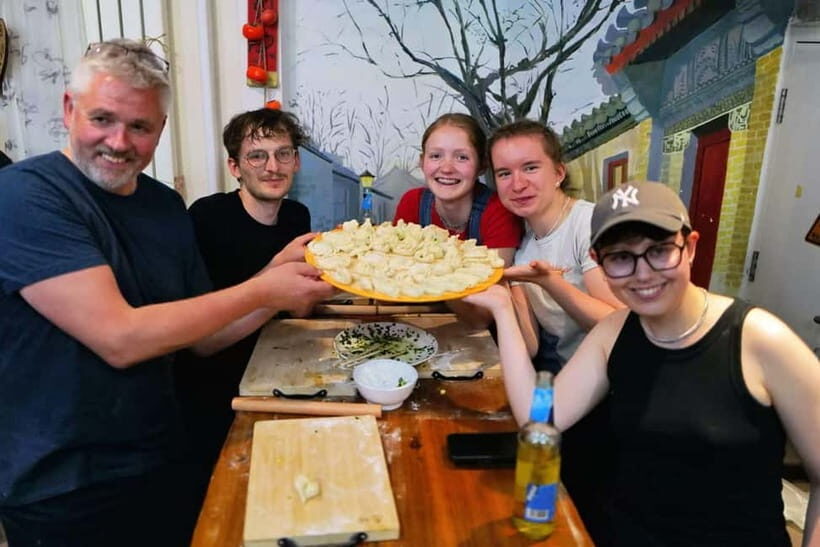
Kneading teaches you more than muscle memory. You learn how dough behaves as it comes together, firms up, and becomes workable. Even if you are not thinking about it, the dough is training your hands to understand softness and elasticity the way locals do.
Then comes the filling work. You will craft fillings and shape dumplings like a local, and you will hear explanations while you work. A number of the class accounts highlight that fillings tasted especially good, whether they were mixed by participants or brought in ready. Either way, the filling flavors are part of what makes your dumplings worth eating later.
A practical note: if you are veggie-minded, you should feel good about this. Some groups describe the menu as veggie friendly, and the overall spread includes more than one dumpling option.
Pleating dumplings: where the fun clicks
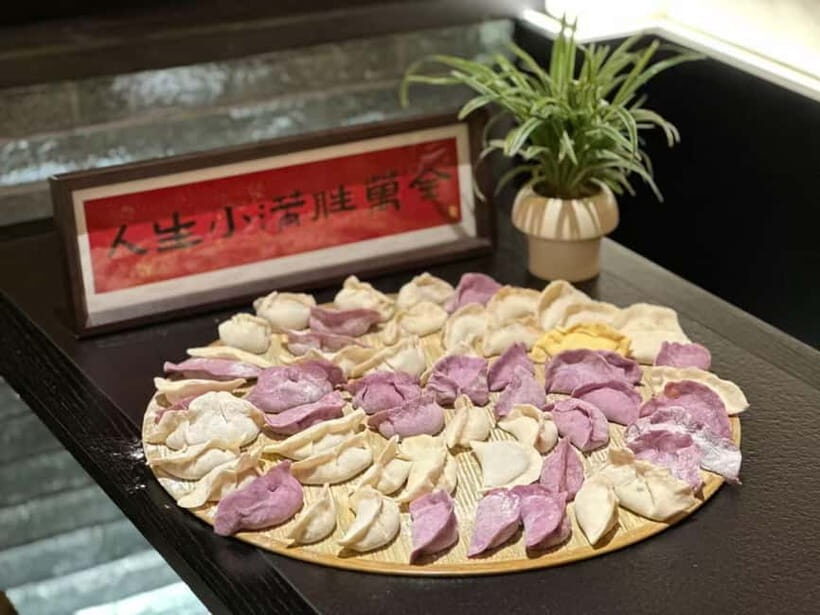
The moment dumplings start looking like dumplings is when the class really pays off. Guides focus on how you hold the dumpling in your hand, add filling properly, and pinch pleats in multiple ways. Several guests praised the patience of the instructors, and they emphasized that the steps were easy to follow even for beginners.
Also, it helps to remember that dumplings are not about perfection. They are about practice and learning the motion. Once you get a few made, you stop worrying and start enjoying the process. That is when you end up laughing at your own first attempts and cheering the better folds.
The cultural part: why dumplings mean more than dinner
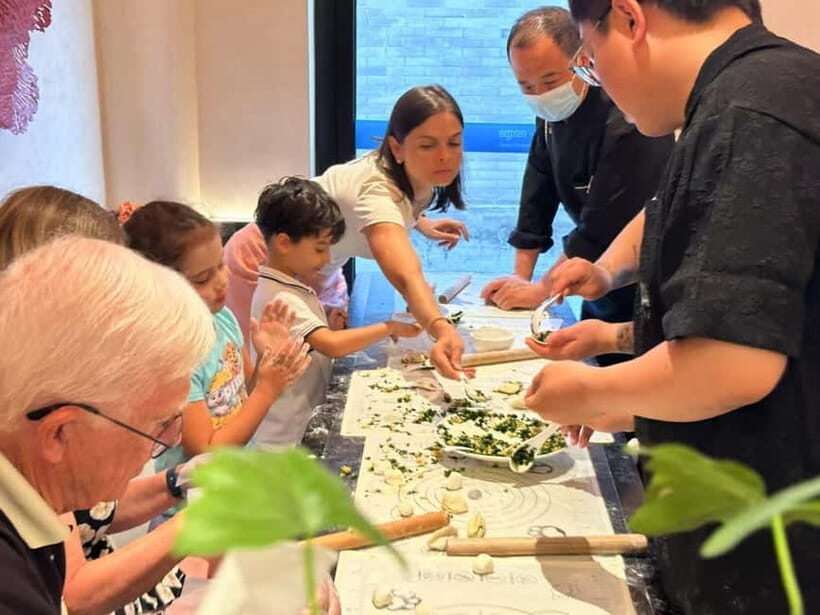
This workshop includes more than cooking technique. Your guide explains the history and symbolism behind dumplings, including Lunar New Year traditions and regional twists. That extra context changes how you taste the food afterward, because it is not just flavor. It is meaning.
You will also see how dumplings act like a language people share. Different shapes, different fillings, and different folding styles all signal local habits and holiday rituals. If you enjoy learning why a dish matters, this is the section that turns dumpling-making into a mini cultural lesson.
Guides in past sessions have included English speakers like Leo, Jenny, Janine, Julie, Rachel, Erik, and Heyang, plus colleagues named Rachel or others who helped lead groups. You may not get the same person each time, but the teaching approach has stayed consistent across sessions: clear steps, helpful corrections, and explanations that connect food to Chinese daily life.




Your finish: a cozy communal dinner with tea and drinks
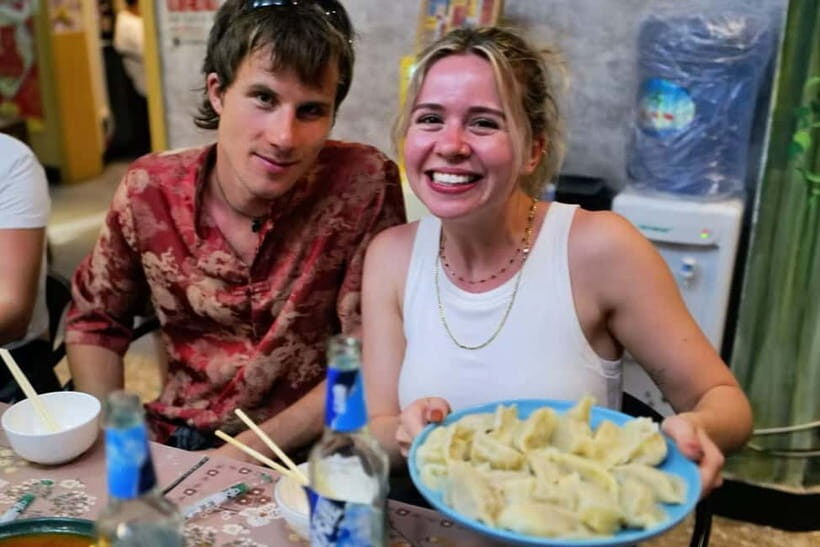
After the hands-on work, you sit down and eat what you made. Expect the dumplings you craft to be served in ways like pan-fried/crispy or boiled, depending on the setup. Either style is a nice reward because it shows how the same ingredients can feel totally different on the tongue.
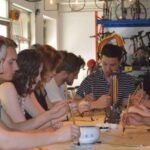
The communal dinner format is a big part of the appeal. You share the table with fellow participants, and the mood is relaxed instead of rigid. This is also where the tea pairing comes in, giving you a gentle break between bites.
Food does not stop at your own dumplings. Multiple accounts mention that the meal includes additional local dishes, and several people highlight that there are lots of choices beyond the dumplings. Some menus have included items like Kung pow chicken, egg and tomato preparations, cabbage dishes, and even dessert. Drinks can include beer along with water, juice, and other beverages.
Where this workshop happens (and why the setting matters)
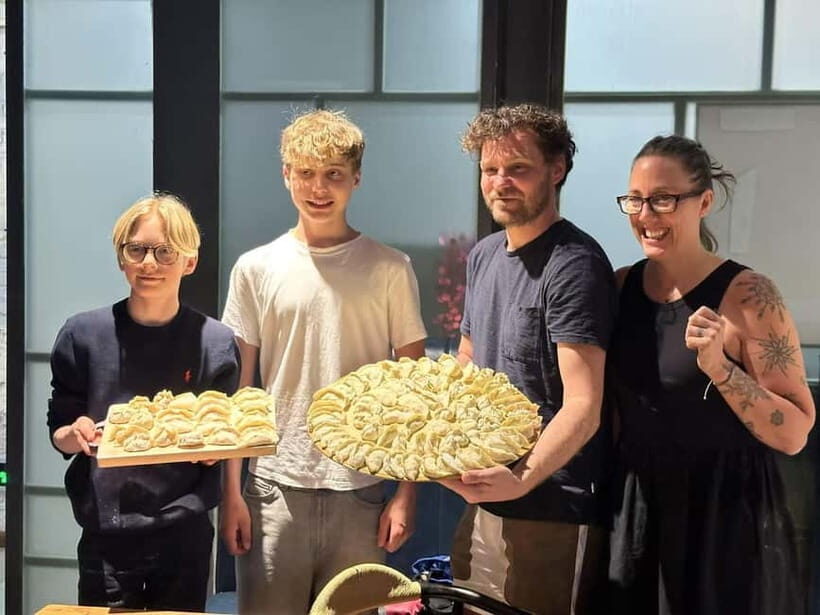
The class takes place at a cozy local venue rather than a sterile kitchen classroom. One group described the setting as a traditional Hudong, which you can take as a clue to what you are walking into: a lived-in home-like space where people eat together.
That kind of room changes your experience. It is easier to feel at ease while you knead dough and talk with your guide. It also makes the dinner feel natural, not like a formal presentation. If you want a practical window into everyday Chinese food culture, the setting helps.
Price and value: why $35 can make sense here
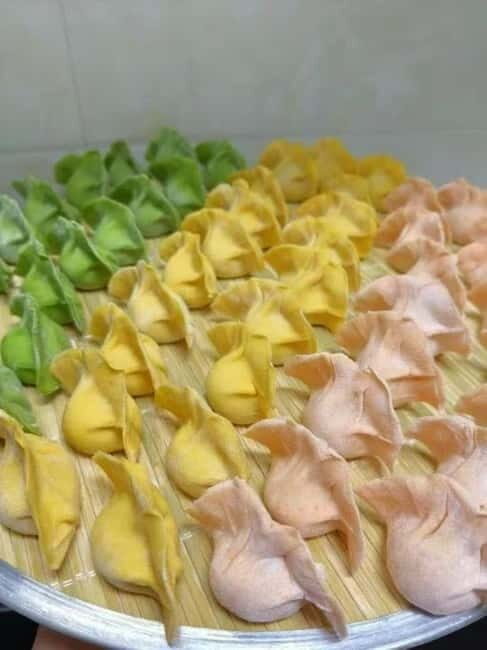
At $35 per person for a 3-hour session, this is priced like a full activity, not a short taste-and-leave stop. You are paying for instruction, ingredients, and tea pairing, plus a meal that includes dumplings you made and other dishes and beverages.
The best value angle is that you are not just learning the folding once. You get repeated practice, guidance in English, and then an actual sit-down meal. If you were planning to eat a dumpling dinner anyway, this turns that meal into a skill experience, with tea and drinks included.
Is it a bargain? It depends on your priorities. If you only want to eat and you hate hands-on cooking, you might feel the cost more than the pleasure. But if you like doing things with your hands and you want a genuine cultural evening, the price lines up well with what you receive.
Practical logistics that can make or break your evening
This activity starts at 16:30. There is no hotel pickup or drop-off, so plan your route like you would for any evening reservation. You meet at the hotel lobby, and one guest noted their meeting point was the lobby of the Scared Hotel, close to the map pin. If you are prone to getting turned around in Beijing, I’d arrive early and confirm you are at the right lobby before the class time.
What to bring is simple: comfortable clothes. Plan for a light flour mess. Also, smoking is not allowed, so keep that in mind if you are traveling with smokers.
One more timing thought: because the class begins at a set time, getting lost is not ideal. If you think you might wander, set a phone alarm and keep your directions handy.
Who this workshop is perfect for
I think this is best for three kinds of people:
- First-timers who want a beginner-friendly, step-by-step skill with English support
- Food lovers who also like context and symbolism, not only cooking
- Travelers who want a shared table experience, not just a solo sightseeing plan
If you enjoy conversations, you will likely find it easier here because you are working side by side, then eating together. Several guests also mentioned meeting other people and leaving with both full stomachs and new folding skills.
Who should skip (or adjust plans)
If you have food allergies, this is not suitable. That is a deal-breaker for obvious reasons, since the program includes meal service and ingredients tied to the dumplings and other dishes.
Also, if you need hotel pickup because mobility or travel planning is hard, note again that pickup and drop-off are not included. In that case, it may be easier to pick another activity with guaranteed transport.
The bottom line: should you book this Beijing dumpling workshop?
You should book if you want a hands-on Beijing food experience that ends in a real, communal dinner with tea and drinks. I especially like that the class mixes practical skills (kneading, filling, pleating) with meaning (history and Lunar New Year symbolism), and that the meal is more than a token tasting.
Skip it if you want a purely passive activity, if you cannot travel independently to the meeting lobby, or if you have food allergies.
If you do book, show up early for the 16:30 start, wear comfortable clothes, and go in expecting to get a little flour on you. The payoff is leaving with dumplings you shaped yourself, plus enough extra food and tea to make it feel like a full evening meal, not a quick class.
FAQ
Where do I meet the guide?
You meet your guide at the hotel lobby. Hotel pickup and drop-off are not included.
What time does the dumpling making class start?
The activity starts at 16:30.
How long is the experience?
The class lasts 3 hours.
What is included in the price?
The experience includes a 3-hour dumpling-making class, all ingredients, tea pairing with the meal, and other foods and beverages (including beer).
Do I need to bring anything?
You should bring comfortable clothes.
Is an English instructor provided?
Yes. The instructor speaks English.
Is this activity suitable for food allergies?
No. It is not suitable for people with food allergies.
Is there a cancellation option?
Yes. You can cancel up to 24 hours in advance for a full refund.