REVIEW · BEIJING
Online Cooking Class Beijing Dumplings and Cuisine by Sunflowerli Renowned Chef
Book on Viator →Operated by Sunflower Tours China · Bookable on Viator
Beijing dumplings, made from home. What makes this online class worth your time is the way Chef Miss Li turns Chinese home cooking into a live, guided experience, and the fact that you get a full ingredients list three days ahead so you can actually cook instead of scramble. You’ll pick a dish (dumplings, hand-pulled noodles, dim sum, fried rice, mapo tofu, kung pao chicken, and more), and the teaching is set up to match your level and dietary needs.
One thing to think about first: the class price is for instruction, not groceries, so you’ll still need to buy your ingredients separately.
Even though it’s “online,” the setup is built for real technique work—clear directions, recipes made from scratch, and a teacher who can correct you while you cook. The main drawback is basic: cooking skill is still skill, so if you hate chopping, mixing, or kneading, you may find the prep part a little more work than you expected.
In This Review
- Key Things to Know Before You Cook
- Why a Beijing Cooking Class Works So Well on Zoom
- Choose Your Dish: Dumplings, Noodles, Dim Sum, and More
- Vegan options are real here
- What Happens Before Class: The Ingredient List That Saves You Time
- The Live Session: How Chef Miss Li Guides You Step by Step
- Expect real corrections as you cook
- Learning Dumplings and Noodles the Practical Way
- A note on steamed buns and special occasions
- Price and Value: What $20 Really Buys
- Who This Fits Best (And Who Might Think Twice)
- Quick Practical Tips So You Get the Best Results
- Should You Book This Online Dumpling and Cuisine Class?
- FAQ
- How long is the online class?
- Is this a private class?
- What platform is used for the class?
- Are vegan options available?
- Does the price include ingredients?
- When will I receive the ingredients list?
- Can I change my class time if my schedule changes?
- What dish classes are offered?
- Do children need an adult to attend?
- What is the cancellation policy?
Key Things to Know Before You Cook
- Live Zoom teaching from Beijing with timing options that fit your time zone
- A menu you can actually choose from: dumplings, noodles, dim sum, buns, wontons, fried rice, stir-fries, and more
- Ingredients arrive early with a list sent about three days in advance, plus substitution help if you can’t find something
- Step-by-step guidance during the class with clear views from the teaching setup (including multiple camera angles mentioned in feedback)
- Dietary tailoring, including vegan options after the teacher checks your preferences
- Private group format so it’s just your group on the call, with a mobile ticket for access
Why a Beijing Cooking Class Works So Well on Zoom
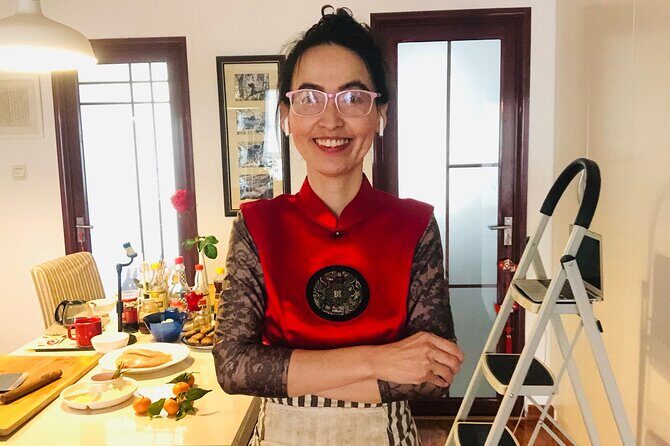
This class is built for a simple goal: you should come away with food you can repeat, not just a story. When instruction happens live, you can ask questions as you go, and you can get feedback when a step starts going off track. That matters a lot with Chinese cooking, because small changes in texture or timing can turn dumplings from perfect to just edible.
I also like that this isn’t one-size-fits-all. Chef Miss Li is described as tailoring the class to your schedule and level, and that flexibility makes a difference if you’re new or if you cook often at home.
And since it’s live from Beijing with class slots for different time zones, you aren’t stuck trying to force your day around one rigid departure time. For many people, that’s the whole win.
You can also read our reviews of more cooking classes in Beijing
Choose Your Dish: Dumplings, Noodles, Dim Sum, and More
The dish menu is the big reason to consider this. You can choose among options like a Dumplings Class, Hand Pulled Noodles Class, Dim Sum Class, Wonton Class, Steamed Buns Class, Fried Rice Class, and several stir-fry style dishes such as Kung Pao chicken and Orange Chicken. There are also choices like Mapo tofu and Dandan noodles class, which are great if you want something spicy and saucy.
What I like is that you can choose based on what you want to learn, not just what you’re hungry for. Dumplings and buns teach dough handling and filling balance. Noodles teach stretching, rolling, and timing. Stir-fries and fried rice teach heat control and seasoning.
From feedback I’ve seen, people really connect with the dumpling work and the noodle technique. Even when the end result isn’t picture-perfect, you still leave with skills that improve fast next time.
Vegan options are real here
The class offers vegan options. The key detail is that the teacher asks about dietary restrictions and adjusts the menu accordingly, so you’re not stuck following a workaround.
If you’re cooking with a mixed group—someone who eats meat and someone who doesn’t—this matters. You can aim for a class that keeps everyone in the same dish category instead of splitting into completely different recipes.
What Happens Before Class: The Ingredient List That Saves You Time
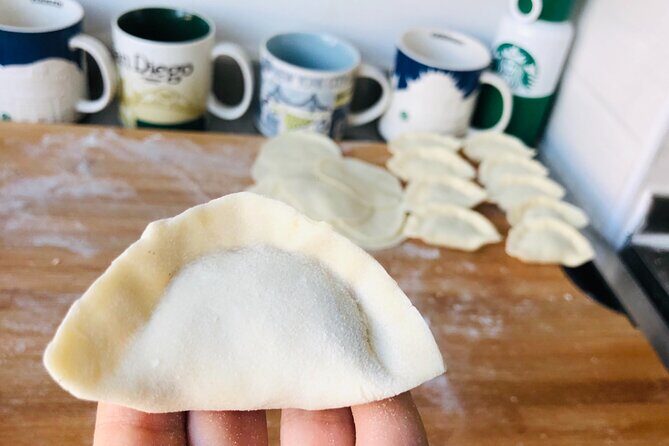
Here’s the part that sets this class apart from a lot of online cooking options: you’re sent a full ingredients list three days in advance. That gives you time to shop and also time to compare alternatives based on what’s available near you.
In feedback, people called out that the list is clear and that it comes with comments about substitutions when ingredients are hard to find. That’s practical. Chinese cooking depends on the right pantry items—so having an early heads-up reduces the stress of last-minute improvising.
You’ll also be able to shop at your pace. The class instructions are meant to be followed at home, so you’ll want to check your kitchen setup ahead of time: a cutting surface, mixing bowl(s), a pot or pan, and basic utensils.
One more useful detail: recipes are made from scratch. That means you’re not just reheating something pre-made. It’s more time than a meal-kit grab-and-go, but it’s also why the class sticks with you.
The Live Session: How Chef Miss Li Guides You Step by Step
Classes run about 60 to 90 minutes (with around 1.5 hours listed as the approximate duration). People report that sessions can run close to two hours, so plan for a little buffer. If you schedule right after work or you have an overlapping Zoom meeting, you’ll feel rushed.
Chef Miss Li meets you on Zoom, and the class can be adjusted to your schedule and time zone. Once you book, you receive instructions about the ingredients you need and the dish you selected.
During the class, the teacher is described as warm, patient, and attentive—exactly what you want when your dough is sticky or your filling seems too wet. People also highlighted that the setup is well equipped, with multiple camera angles that make it easier to copy hand movements and plating details.
And the teaching isn’t only technique. There’s also storytelling and context—facts, curiosities, and family-meal traditions that get woven into the lesson. That’s a great way to make Chinese cooking feel personal instead of just procedural.
A few more Beijing tours and experiences worth a look


Expect real corrections as you cook
This is where a live teacher earns the price. Feedback notes that the teacher helps you spot issues as they happen. One example mentioned dumplings that tasted great even if their shape wasn’t fully on point, because the correction helped focus on the parts that matter most.
If you’re worried about being a bad cook, don’t. The class is set up to guide you through each step and catch common mistakes in the moment.
Learning Dumplings and Noodles the Practical Way
If you choose dumplings or noodles, you’re picking a class type that rewards patience. These dishes rely on feel—how dough stretches, how thin wrappers are, how much filling you add, and how you seal or shape.
What I’d do before the class is read the steps once and prep your station. Chop fillings, portion ingredients, and get your water, pan, steamer, or pot ready. Once cooking starts, the teacher moves through the process as a live lesson, and you’ll want to be ready to follow along without pausing to hunt for a missing ingredient.
Feedback also points to how much you learn by watching the hand motions and getting real-time guidance. With multiple camera angles, you can track what’s happening even when you’re busy folding dumplings or working with noodle dough.
If you’re aiming for a “wow” result—pretty dumplings, neatly pleated buns, or long stretched noodles—just know you’ll likely improve after one attempt. The value here is that you’ll understand why the technique matters, not just how to copy a single pass.
A note on steamed buns and special occasions
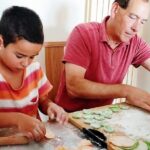
Some feedback mentions the steamed buns class as a memorable session, including guidance for a group of six. Others highlighted a Chinese New Year-style dumpling experience with family, kids included.
Those details matter if you want this to be more than dinner. It can work as a holiday activity, a date-night project, or a fun way to get everyone involved for an afternoon.
Price and Value: What $20 Really Buys
At $20 per person for a private online class, the value is strong—especially compared with traditional in-person cooking classes that often cost far more for a shorter or more rigid experience. Here, you get live teaching, flexible scheduling, and a dish choice that matches what you want to learn.
But here’s the honest part: ingredients aren’t included. So your total cost will depend on what you buy and what you already have at home. If you’re starting from a well-stocked pantry, you may spend modestly. If you’re buying a wider range of Chinese staples, expect your grocery bill to be the biggest add-on.
Still, even with groceries, the per-person instruction cost feels reasonable. You’re essentially paying for chef guidance plus structured learning, and you’re getting an early ingredient list that helps you avoid wasted purchases.
One more value lever: the class supports vegan options and dietary tailoring. If you’ve ever tried to adapt restaurant meals or copied recipes that don’t work for your diet, this kind of adjustment is worth something.
Who This Fits Best (And Who Might Think Twice)
This class is a good match if you want an easy entry into Chinese home cooking without booking travel or committing to a full-day event. It’s also well-suited for solos, couples, families, and groups of friends since it’s private and you can cook together.
It’s especially good if you:
- want to learn dumplings, noodles, dim sum, or buns with step-by-step coaching
- prefer instruction that adapts to your experience level
- need a plan that works across time zones
- want vegan options that aren’t an afterthought
You might think twice if you:
- strongly dislike meal prep and hands-on cooking steps
- don’t want to buy ingredients separately
- can’t comfortably manage a kitchen while you’re on Zoom
Also, children must be accompanied by an adult. The class notes a moderate physical fitness level, which is likely about normal cooking movements—nothing extreme, but it’s good to consider if someone in your group needs extra help.
If you rely on a service animal, service animals are allowed.
Quick Practical Tips So You Get the Best Results
These small moves can make the class feel smoother:
- Set up a clear prep space before you log in. Dumpling and noodle work goes faster when your station is ready.
- Keep a simple “pantry list” near you. If you’ve got the substitution notes, check them early.
- Plan for the full 60 to 90 minutes, plus a buffer. Even when the class is listed around 1.5 hours, people mention it can run close to two.
- Don’t chase perfection first. Focus on technique and texture, then you’ll shape the details next time.
And if you’re cooking with someone else, coordinate roles: one person can chop and portion while the other handles the dough or folding. That makes it less stressful and more fun.
Should You Book This Online Dumpling and Cuisine Class?
If you want a practical way to learn Chinese cooking from a real chef, this is a solid choice. The biggest reasons are the tailored, live instruction from Chef Miss Li and the ingredients list that shows up three days ahead so you can actually cook without scrambling.
The main decision point is cost planning. At $20 you’re paying for teaching, but you’ll add grocery expenses. If you’re okay with buying ingredients and you’re excited about making dumplings, noodles, or related classics at home, it’s an easy yes.
If you want a cooking experience that feels organized, flexible, and supportive—especially for dumplings and noodles—book it and pick the dish you’re most excited to eat.
FAQ
How long is the online class?
The class is listed as about 1 hour 30 minutes (approx.), and it’s typically 60 to 90 minutes.
Is this a private class?
Yes. It’s a private tour/activity, and only your group participates.
What platform is used for the class?
The class is run on Zoom.
Are vegan options available?
Yes. Vegan options are available, and the teacher can tailor the menu based on dietary restrictions.
Does the price include ingredients?
No. Cooking ingredients are not included.
When will I receive the ingredients list?
You receive a full ingredients list about three days before the class, leaving time to shop.
Can I change my class time if my schedule changes?
Yes. Timing and scheduling are flexible, and the time can be changed to suit your schedule and time zone.
What dish classes are offered?
The options include Hand Pulled Noodles, Dumplings, Fried Rice, Dim Sum, Sesame Chicken, Wonton, Chicken Broccoli, Lo Mein, Dandan Noodles, Steamed Buns, Orange Chicken, plus options like mapo tofu and kung pao chicken.
Do children need an adult to attend?
Yes. Children must be accompanied by an adult.
What is the cancellation policy?
Free cancellation is available. You must cancel up to 24 hours in advance for a full refund. If you cancel less than 24 hours before the start time, the amount paid will not be refunded.