REVIEW · BEIJING
Chinese Kungfu class in old temple beside Forbidden Ci
Book on GetYourGuide →Operated by Bayi Teahouse · Bookable on GetYourGuide
Training in a royal-era courtyard changes your mood fast. I love that this class puts traditional kungfu in a real hutong setting, inside an inherited temple-style compound beside the Forbidden City’s east gate. It’s cultural, hands-on, and structured for first-timers who want more than a photo stop.
What I like most: you get patient, clear instruction from the kungfu master, and the English support (often coordinated by Limeng) helps you actually understand what you’re practicing. You’re not just learning poses; you’re shown practical movement ideas and basic self-defense and attack concepts you can apply in everyday situations.
One possible drawback to consider: you should expect a short, focused session (about 1 hour, sometimes closer to 45 minutes depending on the flow), not a full-day training program. Go in with the mindset of an introduction you can build on.
In This Review
- Key highlights worth planning for
- Kungfu training in a 700-year hutong courtyard by the east gate
- What the 1-hour kungfu class actually covers (and how it’s taught)
- Shaolin roots, plus multiple traditional forms
- English support that keeps you from getting lost mid-movement
- Tea ceremony time can pair well with the lesson
- What you wear: traditional kungfu suits are provided
- Why $45 feels reasonable for this kind of access
- Timing reality: expect a short introduction, not a full training camp
- Where you’ll be, step by step
- Best fit: who should book, and who might not
- Tips to get more value out of your class
- Should you book Chinese kungfu by the Forbidden City?
- FAQ
- How long is the kungfu class?
- Where does the class take place?
- What does the class include?
- Is English support available?
- Do I need to bring clothing for practice?
- How much does it cost?
- Is it worth doing if I’m a complete beginner?
- Can I cancel and get a full refund?
- What does the 3-day option mean?
Key highlights worth planning for
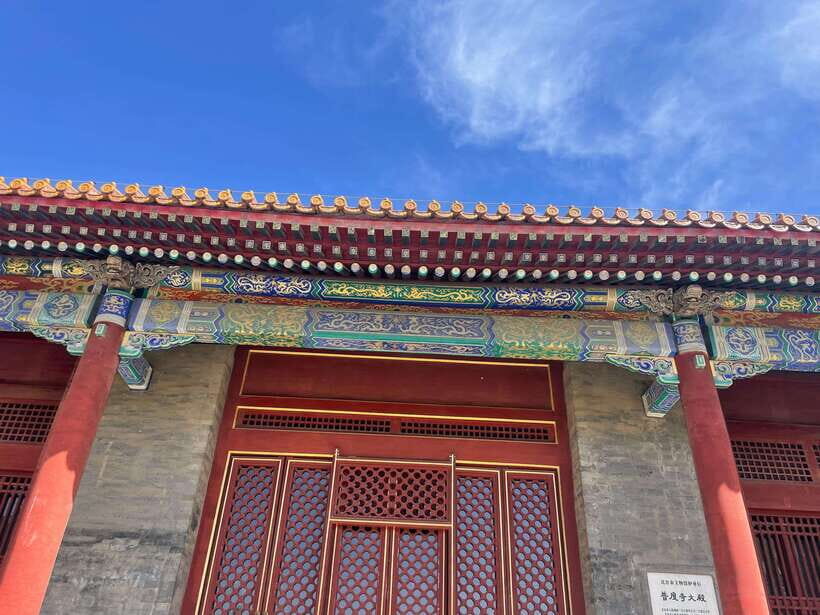
- Real hutong setting right by the Forbidden City’s east gate
- Shaolin-rooted kungfu plus other traditional styles and forms
- Practical self-defense concepts, not just performance
- English help with translation, often led by Limeng
- Traditional kungfu practice suits provided for class
- Optional pairing with a tea ceremony before or after (time varies)
Kungfu training in a 700-year hutong courtyard by the east gate
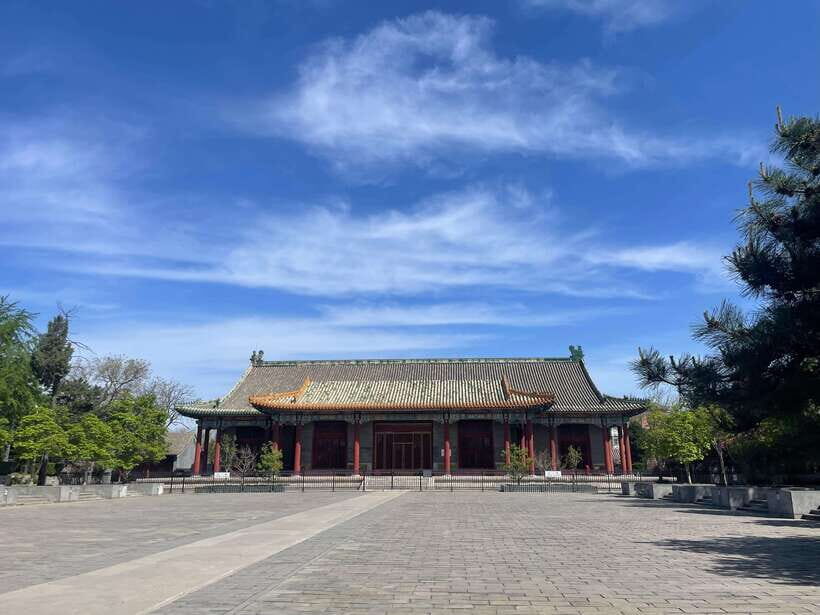
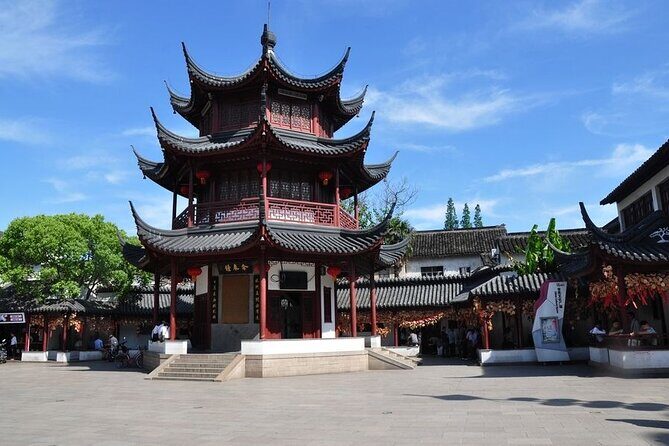
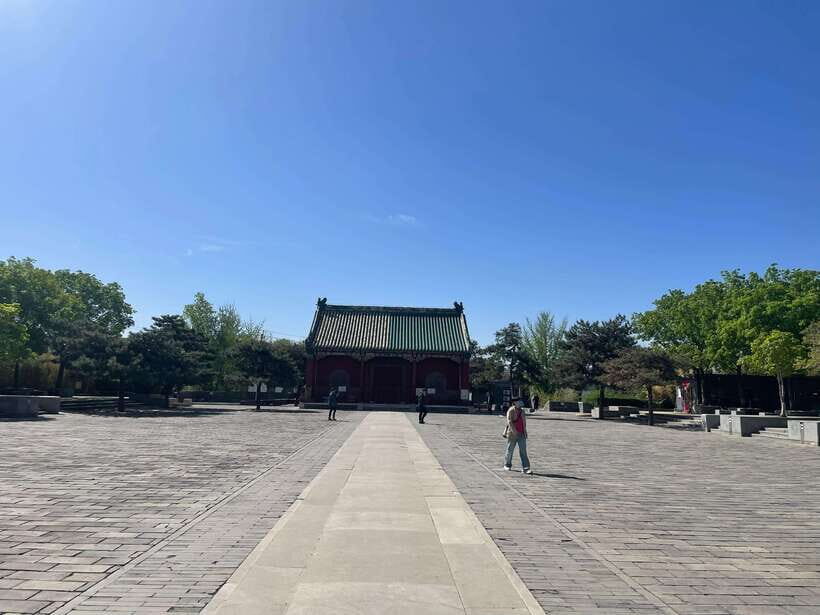
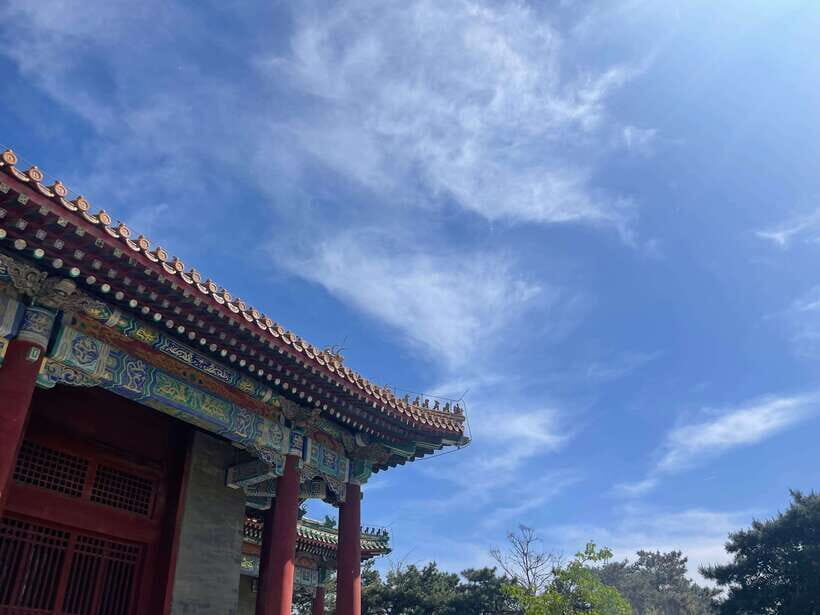
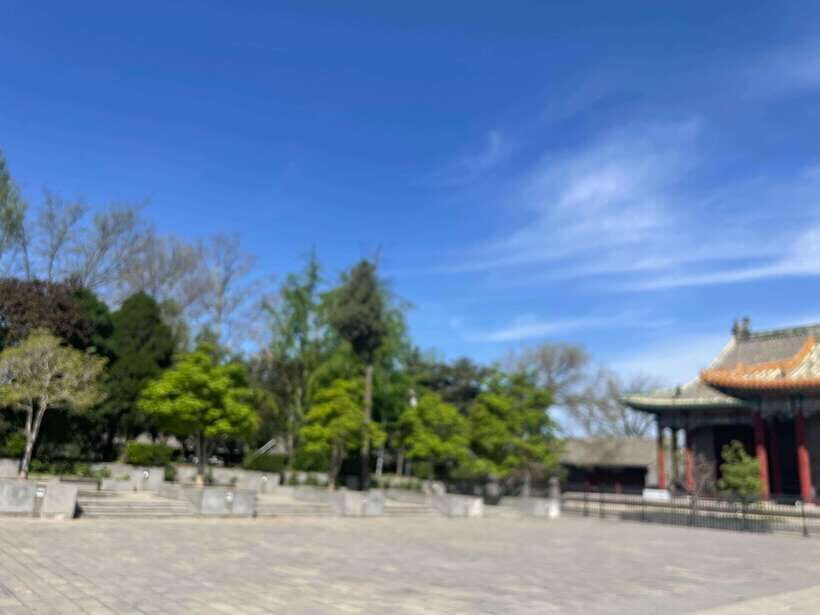
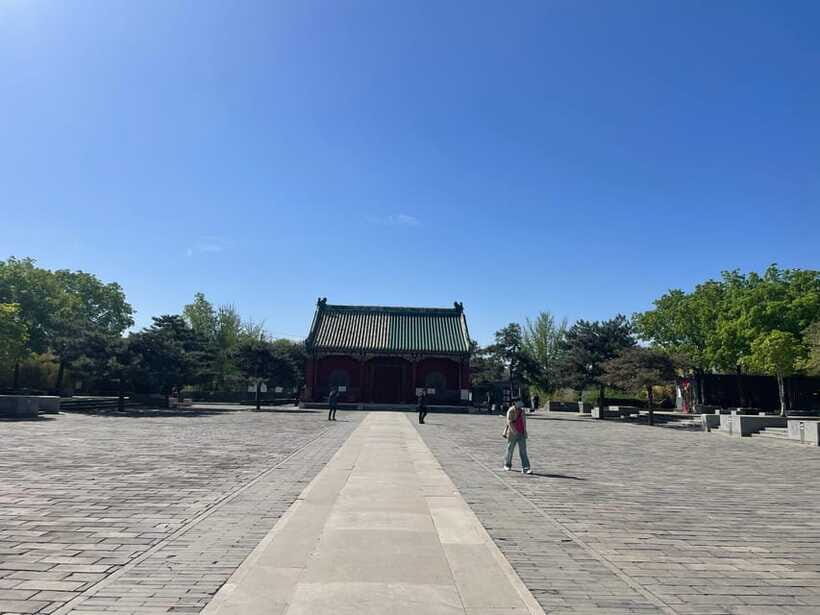
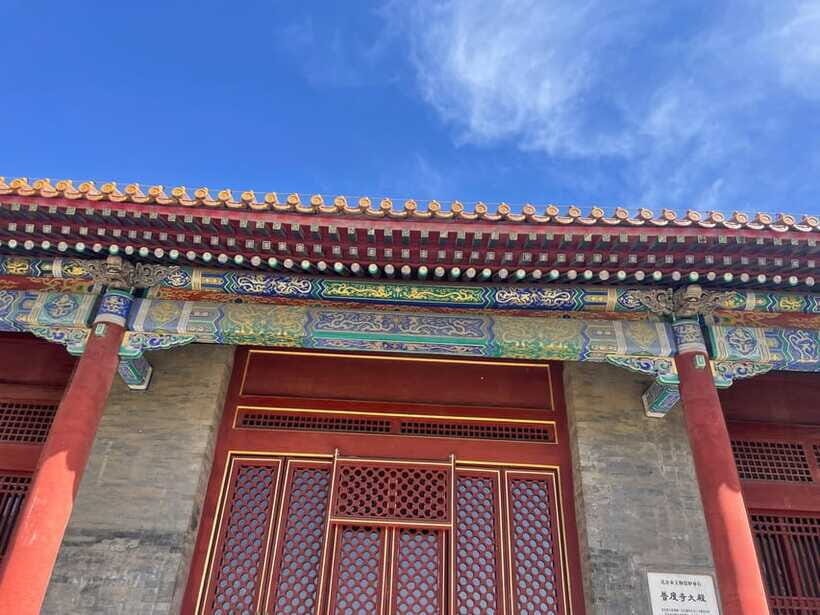
This experience is set in a local hutong area, in a compound described as the Pudusi inheritance—an old, residential-temple tradition passed down for nearly 700 years. The big reason this matters is that you’re not training in a generic studio. You’re learning in a space that feels tied to how people historically lived, studied, and trained.
The location also does something practical for your trip. Being beside the Forbidden City means you can fit this into a Beijing day without adding a long “commute day.” You’ll feel like you’re stepping from imperial landmarks into older neighborhood life, right where locals once handled daily routines.
A few more Beijing tours and experiences worth a look

What the 1-hour kungfu class actually covers (and how it’s taught)
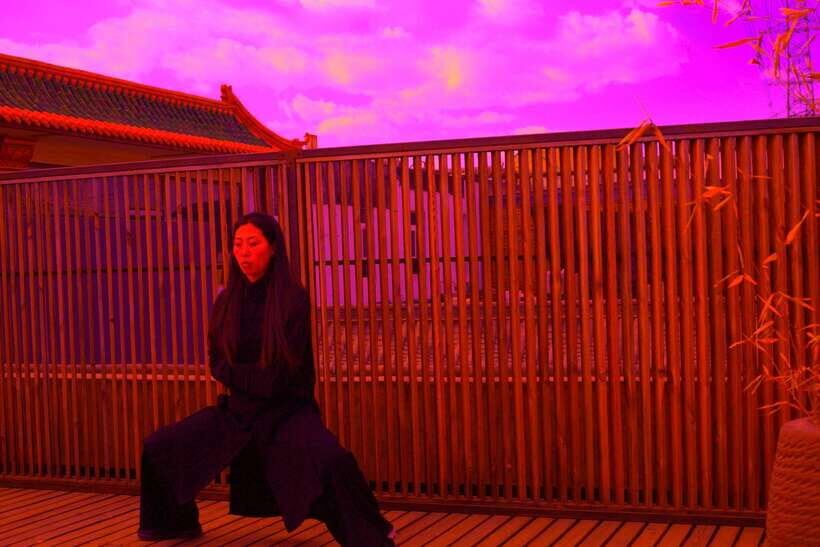
The core class is about basic Chinese kungfu training. In plain terms, you’ll work through foundational movements and technique structure—enough to understand principles, then enough repetition to build coordination.
A consistent theme from the experience is that the master focuses on doing it correctly. One review noted how corrections improved form quickly, which is exactly what you want when you’re a beginner. You’re learning motor patterns, not collecting trivia.
The “practical use” piece is also central. The teaching isn’t only about looking strong. You’ll be guided toward real-world application of certain movements for self-defense, including how to react with attacking and defending motions appropriate to the situation. One thing I’d take seriously: the lessons are described as tailored for practical use, even specifically for a girl’s self-defense and attack movements in at least one case—so you’re not stuck with macho fantasy technique.
Shaolin roots, plus multiple traditional forms
The teacher’s background is a big part of the value. The master is described as starting training when he was 5 years old in Shaolin, then mastering Shaolin kungfu and many different traditional styles and forms.
What I like about this setup is that it gives you context without turning the lesson into a long lecture. You’re not trying to memorize an entire system. You’re introduced to core ideas and then demonstrated how those ideas show up in movements you can practice.
Also, this isn’t presented as “only perform.” The lesson emphasizes that the skills are for performance and for practical use. That’s important because a lot of martial arts experiences are either show-only or self-defense theory-only. Here, you’re getting both: the movement and the reason behind it.
English support that keeps you from getting lost mid-movement
Kungfu instruction is physical, and physical learning gets frustrating when language breaks. That’s why I’m glad this experience includes an English host/greeter and English translation support during the class.
Limeng shows up in multiple accounts as the person helping with translation and supporting understanding. In one case, Limeng helped explain the fundamentals and translate the master’s teaching. In another, the experience included translation plus help answering questions.
You’ll likely get the biggest benefit if you treat the translation as part of the lesson, not an afterthought. Ask what a movement is for and how to adjust it for your body. Even if you’re not flexible, you can still learn technique structure and safety basics faster when you’re not guessing.
Tea ceremony time can pair well with the lesson
Some bookings include a tea ceremony element, and it’s described as happening either before or after kungfu depending on the session. In one example, the group started with a tea ceremony that lasted about an hour, with two types of tea and a small snack. In another, tea time came after the kungfu basics.
This pairing makes sense. Tea is slow, quiet, and controlled—exactly the opposite energy from quick physical training. It helps you cool down, observe, and ask questions without feeling rushed. If you like cultural rhythm—food, small rituals, and learning through daily life—this added time can make your morning feel fuller even though the kungfu portion is short.




What you wear: traditional kungfu suits are provided
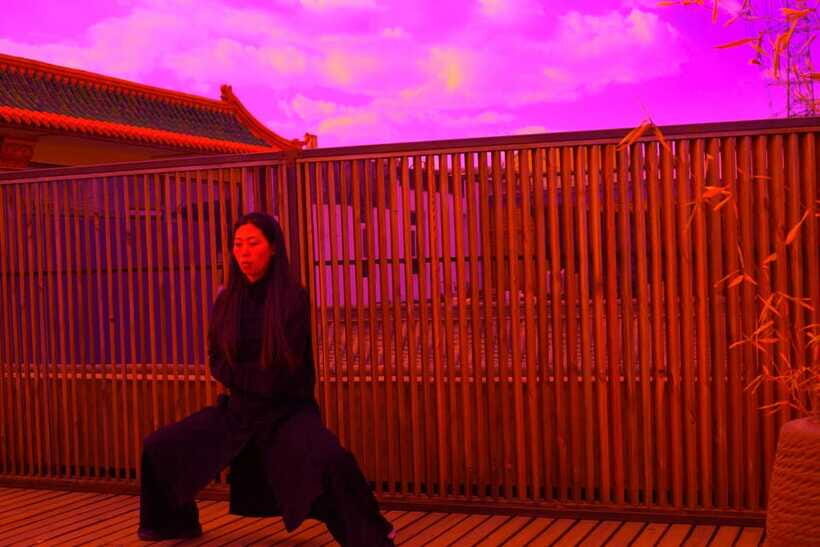
For the class, you’ll be provided traditional kungfu practice suits, including two layers (an outer and inner set) plus pants. That’s helpful because it removes the guesswork of what to wear for training in a traditional setting.
Comfort still matters. One review specifically suggests bringing an extra t-shirt to change afterwards. That’s practical advice: you’ll likely sweat a bit during warm-up and repetition, and switching clothes makes the rest of your day easier.
If you want to buy a uniform afterward, you can contact the provider for help choosing size and color. That detail is worth knowing if you want a keepsake that actually matches your build.
Why $45 feels reasonable for this kind of access
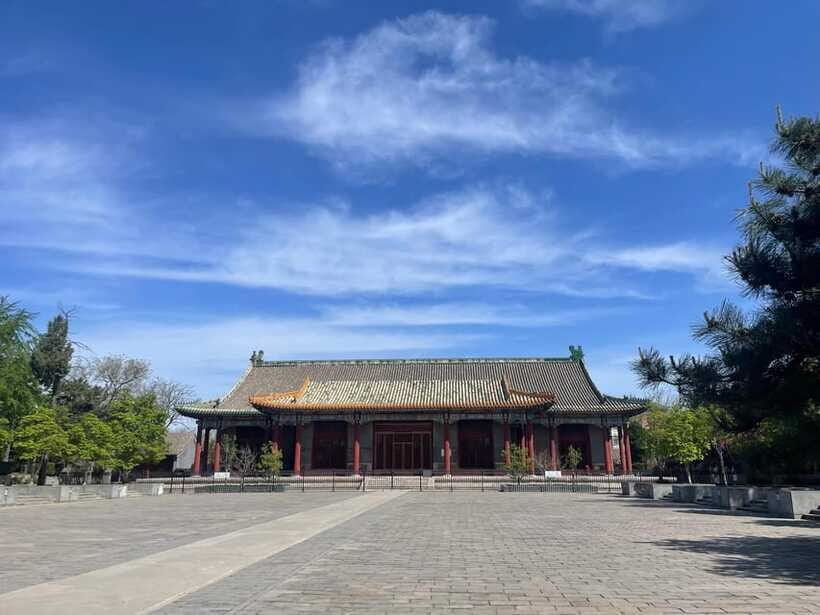
At $45 per person, you’re paying for more than “a lesson.” You’re paying for access to a professional kungfu master, English support, and a training location connected to a long-established neighborhood temple tradition.
The best value angle here is personalization potential. Some accounts mention one-on-one sessions, which is rare for group activities at this price point. Even in small groups, the teaching approach described is patient and correction-focused, which tends to improve learning quickly compared with large-class formats.
Then there’s the location value: learning in a hutong compound beside the Forbidden City changes the whole feel of the day. This isn’t a tourist stage. You’re training in a place that looks and feels like daily life and heritage share the same walls.
Timing reality: expect a short introduction, not a full training camp
Even though the activity is shown with a 3-day validity window, the kungfu class itself is described as one hour in the expectations. Some experiences run closer to 45 minutes, especially when the session is built around a short beginner introduction.
So plan like this: treat the class as your on-ramp. You’ll leave with basics—maybe a few movements, principles, and a taste of practical self-defense thinking. If you want more depth, you can use the lesson as a starting point for ongoing training later.
Where you’ll be, step by step
Here’s the practical flow you should expect based on how sessions are commonly structured:
1) Start in the hutong compound near the Forbidden City area
You’ll meet the guide/host and connect with the master. Expect a short orientation, then you’ll begin practice.
2) Kungfu basics and technique repetition
You’ll learn foundational movements, then work toward practical application of technique ideas. Corrections are part of the plan, so you’ll likely get adjustments mid-session rather than waiting until the end.
3) Tea ceremony time when included
If your booking includes it, you’ll do tea before or after the class. You might taste two types of tea and take a short break with a snack.
That’s it. It’s compact by design. This is ideal if you’re busy and don’t want to dedicate half a day to a martial arts program.
Best fit: who should book, and who might not
This experience is a strong fit if you:
- want traditional kungfu you can feel in your body, not just watch
- are a beginner and want fundamentals plus practical self-defense concepts
- prefer smaller, personal instruction with translation help
- like pairing physical culture with something calm, like tea
You might consider skipping or choosing a different format if you:
- want hours and hours of training intensity
- expect a performance-only show
- dislike short sessions and need a long structured curriculum to feel satisfied
Tips to get more value out of your class
- Bring a change of shirt if you’re sensitive to sweat.
- Wear comfortable clothes underneath the provided suit so you can move without pinching.
- Ask about the purpose of a movement while you’re practicing, not after. That’s where the practical self-defense piece clicks.
- Tell the master and translator what you want most: basics, coordination, or self-defense concepts.
- If you’re flexible, consider choosing a start time that also lets you enjoy the optional tea ceremony.
Should you book Chinese kungfu by the Forbidden City?
I think you should book this if you want a real-culture morning that blends physical practice, practical technique, and a meaningful location. The $45 price makes sense because you’re paying for a professional master, English translation support, and a setting that’s tied to hutong inheritance and tradition, not a generic studio.
Don’t book it expecting a giant multi-day martial arts boot camp. Do book it for an efficient introduction, especially if you’re nervous about being a beginner—multiple accounts highlight how patient and correction-focused the teaching can be.
If you want, tell me your travel dates and whether you’re pairing it with the tea ceremony. I can help you plan a smooth schedule around the Forbidden City area and pick a time that fits your energy level.
FAQ
How long is the kungfu class?
The class is described as about 1 hour. Some sessions may feel shorter (for example, one account mentioned around 45 minutes for learning the basics).
Where does the class take place?
The kungfu class is held in a local hutong area, inside the Pudusi inheritance compound, which is located right beside the east gate of the Forbidden City.
What does the class include?
You’ll have a professional kungfu master teaching kungfu basics, including Shaolin and different traditional styles, plus practical use of kungfu techniques.
Is English support available?
Yes. The experience includes English support, and there is an English host/greeter. Translation is available during the class.
Do I need to bring clothing for practice?
No need to bring practice clothing for the class, since traditional kungfu practice suits are provided (outer and inner sets plus pants). It’s still smart to bring an extra t-shirt to change afterwards.
How much does it cost?
The price is listed as $45 per person.
Is it worth doing if I’m a complete beginner?
Yes. The class is designed as an introduction and focuses on basic training plus practical self-defense concepts you can use in everyday life.
Can I cancel and get a full refund?
Yes. Free cancellation is available up to 24 hours in advance for a full refund.
What does the 3-day option mean?
It means the activity is available within a 3-day validity window, so you can check availability for different starting times. The kungfu class itself is described as about 1 hour.