REVIEW · BEIJING
Beijing: Vegan Home Cooking & Local Market Tour with Sanxia
Book on GetYourGuide →Operated by Sanxia/Rabbit · Bookable on GetYourGuide
Shopping first, eating later feels real. This vegan home-cooking tour pairs market shopping for tofu, grains, mushrooms, and herbs with hands-on dumplings-and-noodles cooking in Sanxia’s cozy Beijing apartment, followed by tea and a full shared meal. You’ll learn how plant-based ingredients fit into everyday Chinese food, not just trend diets.
The flow is the draw: market walk, cooking class, tea ceremony, then you sit down together. The possible downside is simple logistics and pacing: the experience runs about 4–6 hours, and transportation to Tongzhou isn’t included, so you’ll want a smooth route from your hotel.
Key things I’d circle before you go
- Market walk you control: You handpick ingredients at a local organic market and talk with people there.
- Seasonal menu, not a fixed script: Dishes shift with the season and your preferences.
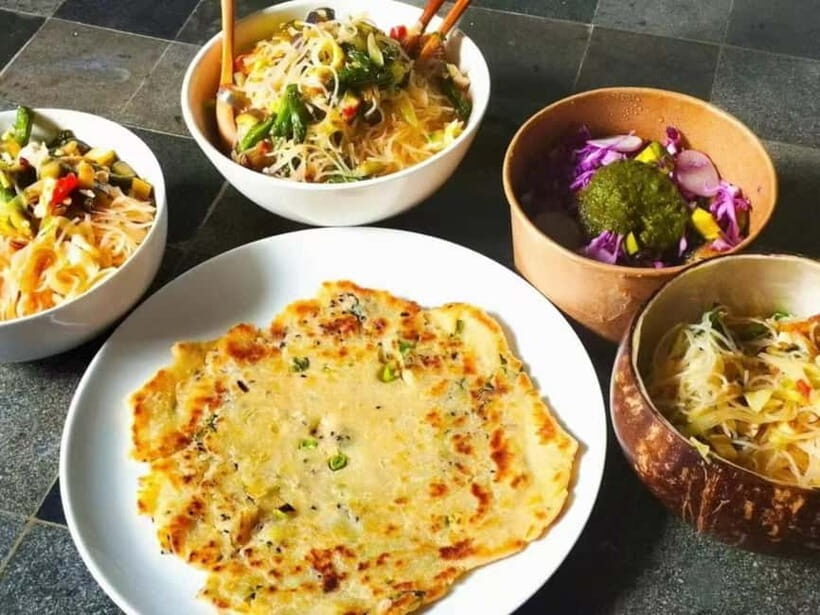
- Hands-on classics: Expect handmade dumplings, noodles, steamed buns, sesame noodles, and millet porridge.
- Tea time while food cooks: Red, green, and white teas come with homemade vegan dim sum.
- A real home, not a studio: You eat what you made, surrounded by everyday life in Tongzhou.
- A keepsake worth keeping: You get a handmade bookmark from Fragrant Hills plus professional photos and videos.
In This Review
- Why Sanxia’s Home Kitchen in Tongzhou Makes This Tour Different
- Meeting Near Tu Qiao (and Linheli Road): The Only Tricky Part
- The Organic Market Walk: Handpicking Tofu, Mushrooms, and Herbs
- Cooking in Sanxia’s Kitchen: Dumplings, Steamed Buns, Sesame Noodles
- Tea Ceremony and Homemade Vegan Dim Sum: Food With Context
- The Shared Meal: Stories, Everyday Beijing, and a Table You Actually Sit At
- Fragrant Hills Bookmark Plus Professional Photos and Video
- Price and Timing: Is $47 Good Value for 4–6 Hours?
- Should You Book This Vegan Beijing Home Tour?
- FAQ
- How long does the tour last?
- Where exactly do we meet?
- What language is the tour in?
- Is transportation included?
- What will I cook and eat?
- Do you include tea with the cooking?
- What souvenir and media do I get?
Why Sanxia’s Home Kitchen in Tongzhou Makes This Tour Different
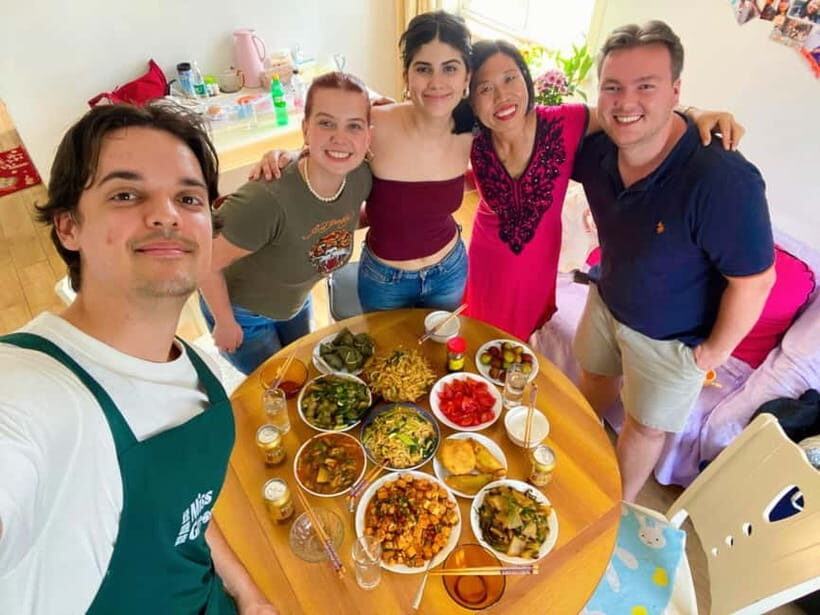
This isn’t a tasting crawl or a quick cooking demo where you watch from the sidelines. The heart of the experience is that you do the work—shopping, prepping, shaping, cooking—then you eat as part of the household rhythm.
I like that the host setup feels personal. Sanxia brings cultural stories while you cook and dine, and she shares her travel background across 30+ countries. That matters because it turns the meal into conversation, not just instruction.
The home setting also makes the learning stick. In a classroom, tools and ingredients are standardized. Here, you see how simple pantry staples become proper Chinese comfort food when you combine the right textures, sauces, and timing—especially with dumplings and noodles, where technique really counts.
And since the group is small (up to 8), you’re not competing for attention. You can ask questions as you go: why one ingredient works better, how to adjust seasoning, what people actually eat at home.
Meeting Near Tu Qiao (and Linheli Road): The Only Tricky Part
You meet your host in Tongzhou District near Tu Qiao subway station. The location details also point to Sanxia’s apartment area on Linheli Road (near Linheli Li station). So plan on arriving a bit early and double-checking the exact meeting point once your start time is confirmed.
Bring comfortable clothes. You’ll be standing, moving around, and likely handling dough and ingredients. If you’re sensitive to smells, note that you’ll be working with garlic, ginger, scallions, and cooked aromatics—normal for Chinese home cooking, but it’s still real kitchen time.
Transportation is not included, so your costs come down to how you get there. If you’re already in east Beijing or you’re willing to ride the subway out to Tongzhou, it’s very doable. If you’re staying far away, it can feel like a longer day than the price suggests—so treat it like a half-day commitment, not a quick add-on.
Also, it’s a private group experience. That’s great for flexibility and questions, but it also means you should show up on time. A home kitchen doesn’t have a lot of patience for late arrivals.
A few more Beijing tours and experiences worth a look
The Organic Market Walk: Handpicking Tofu, Mushrooms, and Herbs
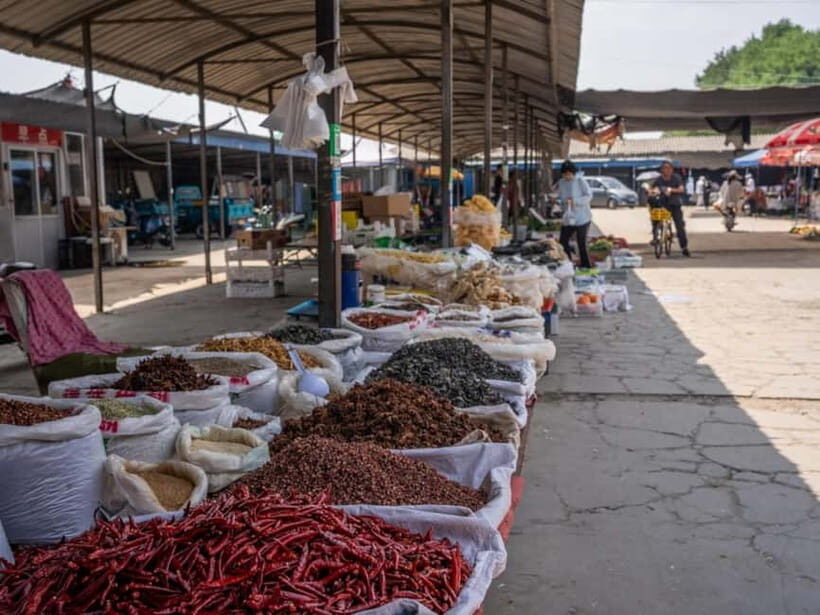
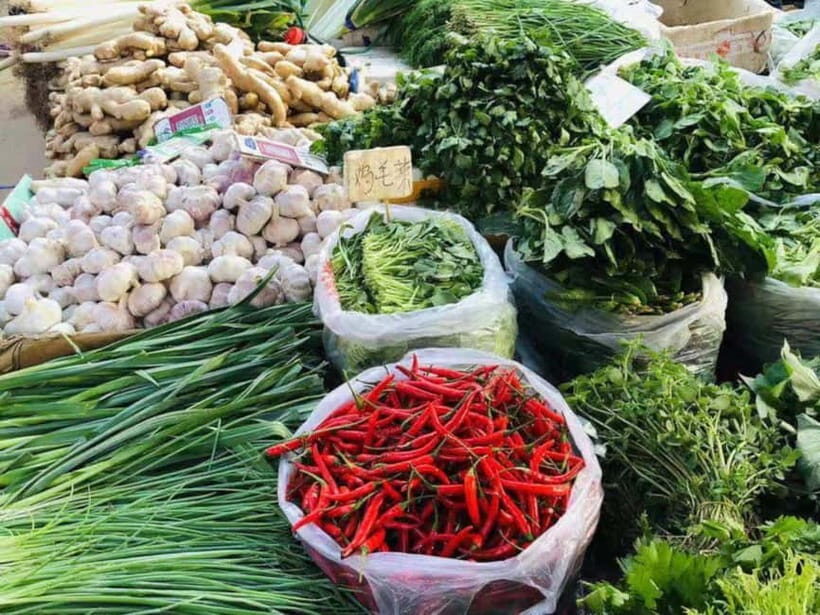
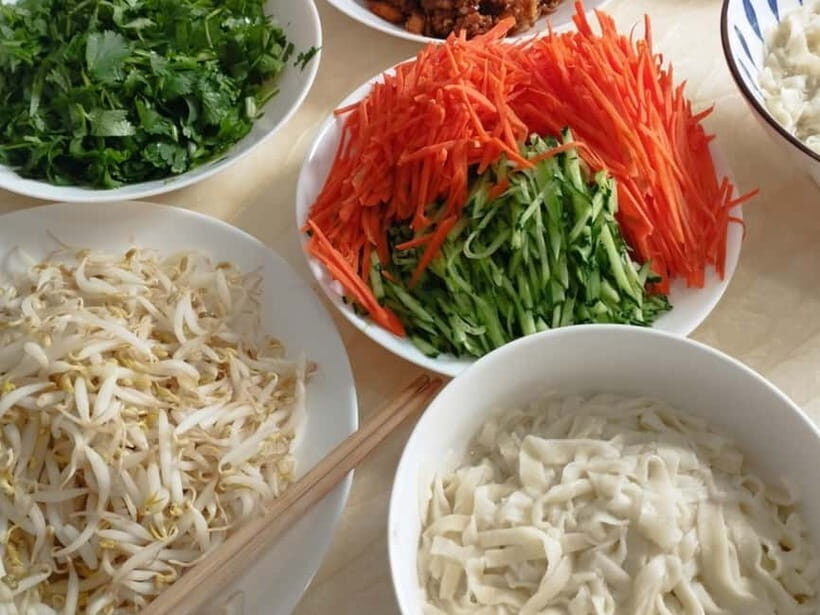
The tour starts with a guided walk through a local organic market. This is more than a photo stop. You get to pick ingredients yourself, which changes the whole cooking experience—you’re not guessing what something will taste like later.
You’ll browse stalls and choose things like:
- tofu
- grains
- mushrooms
- herbs
- seasonal vegetables
That selection matters because vegan Chinese cooking relies on structure. Tofu gives body. Mushrooms add depth. Grains and starches help with texture, especially in noodles and dumpling fillings. Herbs and aromatics give that clean, fresh lift that keeps dishes from feeling heavy.
A practical bonus: you can ask direct questions while shopping. The tour format encourages you to learn how plant-based ingredients connect to Chinese food traditions. That can help you spot similar ingredients back home, and it makes future grocery trips easier.
If you care about quality, this is your advantage. Buying fresh seasonal vegetables for your own meal is one of those small things that makes the finished dishes taste like they were cooked with care—because they were.
Cooking in Sanxia’s Kitchen: Dumplings, Steamed Buns, Sesame Noodles
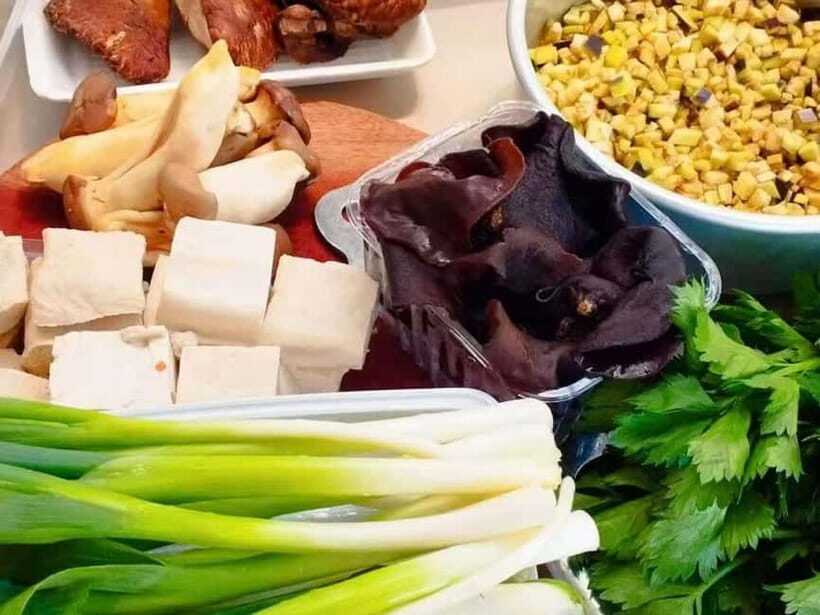
Once you arrive at Sanxia’s cozy apartment, you shift from ingredient shopping to hands-on prep. The cooking class is designed to teach technique, not just recipes. Menus vary by season and what you want, but you can expect a mix of traditional vegan Chinese dishes such as:
- handmade dumplings
- steamed buns
- stir-fried vegetables
- sesame noodles
- millet porridge
The dumpling-and-noodle focus is where you’ll feel the most learning curve. Rolling wrappers, shaping fillings, and getting consistent thickness are all basic skills that take repetition to get comfortable with. The good news is you’re not doing it alone—you’re doing it with your host guiding you step-by-step.
Even the stir-fry portion teaches you something useful: Chinese home cooking often depends on quick heat, timing, and the order you add aromatics and sauces. In other words, you don’t just cook ingredients—you manage a process.
The experience is also built for pacing. You’ll be cooking while tea is part of the program, and then you’ll sit down once the dishes are ready. That reduces the stress of waiting in a line. You get to work, break, taste, and then eat.
From what I see in how the day is structured, it’s especially good if you want a cooking experience that feels like real life. One solo guest described staying for much more than the official block—spending a whole day with Sanxia, her boyfriend Jürgen, and friends. That’s the kind of energy you can tap into when the host invites you into the household conversation.
Tea Ceremony and Homemade Vegan Dim Sum: Food With Context
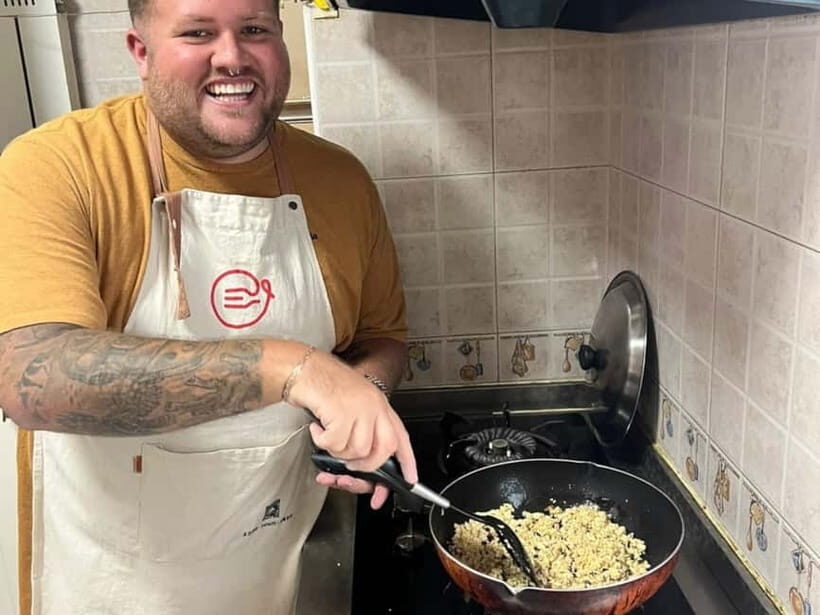
While the main dishes are cooking, you’ll get traditional Chinese tea and a small tasting component. You can sample red, green, and white teas, and you’ll also enjoy homemade vegan dim sum during this in-between stage.
This part is genuinely useful for two reasons.
First, tea helps reset your palate while you’re tasting multiple dishes. If you’ve ever eaten one heavy plate after another, you know how fast everything can blur together. Tea brings contrast—especially if the kitchen includes rich sesame flavors or savory dumplings.
Second, tea gives the context that many cooking classes skip. You’re not just learning how to make food. You’re learning how people slow down, talk, and taste along the way—then share the full table when everything is finished.
Sanxia also shares cultural insights about Chinese lifestyle and vegan living as you dine. If you’re curious about how veganism fits into real Beijing eating patterns, this is one of the more direct ways to ask. It’s not preachy. It’s conversation with food as the common language.
The Shared Meal: Stories, Everyday Beijing, and a Table You Actually Sit At
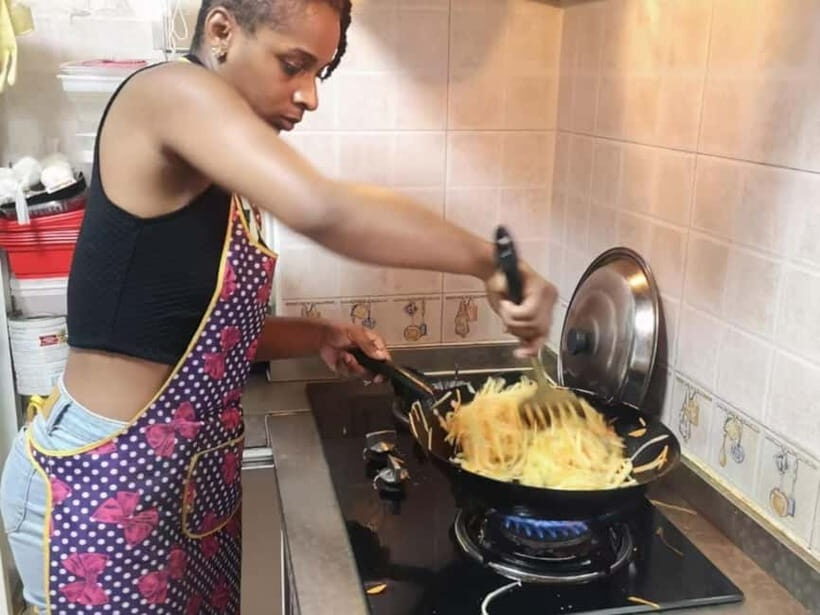
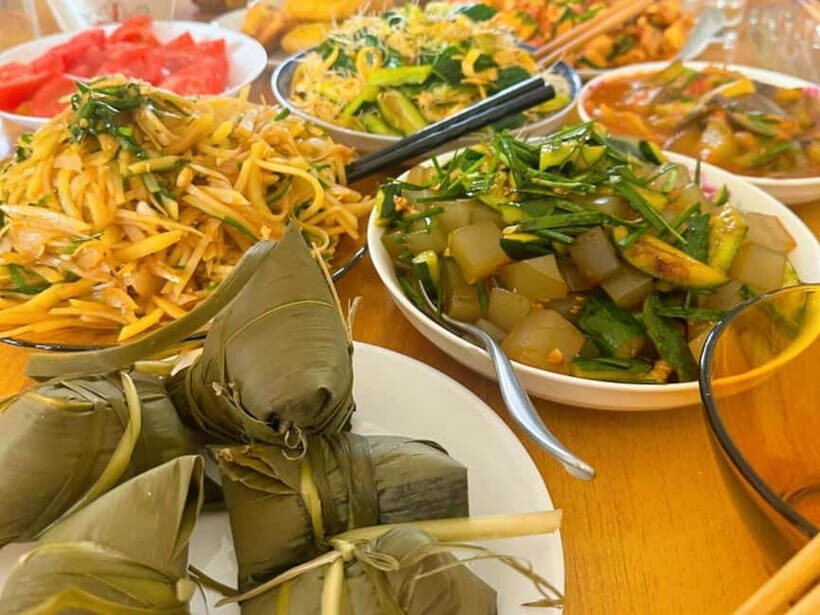
The final meal is the moment the whole day clicks. You’ll eat the vegan dishes you helped prepare, and you’ll share stories at the table. This is when the tour stops being a class and starts being a cultural exchange.
You’re likely to hear about daily life in Beijing and how plant-based eating can work in everyday routines. It’s also where the host’s travel perspective comes in—she shares stories from her 30+ country journey, and you can trade perspectives about where you’re from and what you’re learning.
If you prefer tours that are more about people than places, this format is a winner. One guest emphasized that the host was friendly and that you learn not only cooking, but also everyday life in Beijing. That’s exactly what you should expect: a day that runs on conversation as much as technique.
And since you’re in a private group, the tone tends to be relaxed. You’re not juggling a big crowd schedule. You can ask more questions mid-cooking, and that makes the whole experience feel less like a performance and more like a shared project.
You can also read our reviews of more shopping tours in Beijing


Fragrant Hills Bookmark Plus Professional Photos and Video
By the end of the tour, you’ll get a handmade souvenir: a bookmark from Fragrant Hills (Xiangshan). It’s a thoughtful touch because it connects your day to Beijing beyond the kitchen.
You also receive free professional photos and videos of the experience. That’s helpful if you’re traveling solo or you don’t want to spend your afternoon photographing instead of actually cooking. It’s also a good way to remember the hands-on parts—dough rolling, shaping dumplings, and the finished table.
This combination (personal souvenir + real documentation) gives the day a clean finish. Most classes end with recipes. This one ends with both a token and a visual record.
Price and Timing: Is $47 Good Value for 4–6 Hours?
At $47 per person, this tour is priced like a mid-range cultural activity. The value comes from what you actually get:
- a market-guided ingredient selection
- hands-on cooking instruction with dumplings and noodles
- tea tasting plus homemade vegan dim sum
- a full meal you prepared and ate together
- a handmade Fragrant Hills bookmark
- professional photos and videos
In other words, you’re paying for several things at once: food, instruction time, market time, and the host’s role as a translator and cultural guide (English or Chinese).
The time commitment is important. It’s listed around 4 hours, with sessions often running 4–6 depending on group size. If you’re trying to stack too much on the same day, you’ll feel rushed. Plan a buffer before or after, especially if you’ll be commuting back across town.
Also keep in mind what isn’t included: transportation to the meeting location. If you live far from Tongzhou, the practical value depends on your commute comfort.
This tour suits you best if:
- you want vegan Chinese cooking with hands-on technique
- you like home-style cultural exchange more than museum-style sightseeing
- you enjoy food markets and want to learn ingredient choices
- you’re traveling solo or as a small group and want flexibility
It’s less ideal if you want a strictly timed, high-energy group show with minimal time in one apartment setting.
Should You Book This Vegan Beijing Home Tour?
I think you should book it if you want a real-feeling Beijing day centered on food, with actual skills you can reuse. The market-first approach, the dumpling-and-noodle focus, the tea pairing, and the sit-down shared meal are a strong package for the price.
Skip it if your priority is a big-sights itinerary or if long kitchen time stresses you out. This is a home cooking experience, so you’ll get the best experience by treating it like a relaxed lesson with a table at the end, not a quick tour stop.
If you’re unsure, look at two things: your commute to Tongzhou near Tu Qiao/Linheli Road, and how you feel about spending 4–6 hours in one comfortable setting with hands-on prep. If both sound fine, this tour is an easy yes.
FAQ
How long does the tour last?
The experience is listed as 4 hours, but it can run 4–6 hours depending on group size.
Where exactly do we meet?
You meet your host near Tu Qiao subway station in Tongzhou District. The provided address is in Linheli Road, Tongzhou District (Sanxia’s apartment building), so the exact meeting spot should be confirmed with your host.
What language is the tour in?
You can do it in English or Chinese.
Is transportation included?
No. Transportation to the location is not included.
What will I cook and eat?
You’ll cook traditional vegan Chinese dishes such as handmade dumplings, steamed buns, stir-fried vegetables, sesame noodles, and millet porridge. The menu can vary by season and guest preference.
Do you include tea with the cooking?
Yes. You can taste red, green, and white teas, along with homemade vegan dim sum while the main dishes cook.
What souvenir and media do I get?
You receive a handmade bookmark from Fragrant Hills (Xiangshan), plus free professional photos and videos of your experience.
You Might Also Enjoy
 Beijing Essential Full-Day Tour including Great Wall at Badaling, Forbidden City and Tiananmen Square
 1-Day Longji Terrace Fields-Pingan village Tour with the English Speaking Driver
 Tongli Water Town Private Day Trip from Shanghai with Tuisi Garden and Boat Ride
 Full-Day Private Guided Tour to Heavenly Lake of Tianshan