REVIEW · BEIJING
Night Market Haggling Adventure with an English Guide!
Book on GetYourGuide →Operated by Wonder Locals · Bookable on GetYourGuide
Haggling at night can be genuinely fun. In Panjiayuan Night Market, you’ll walk through a market with roots going back to the Qing Dynasty, while an English-speaking guide like Lan or July helps you bargain and translate. I especially love the practical English support for shopping, plus the chance to try local street food without guessing what’s worth your money. One heads-up: you’ll still want to manage your spending, since personal purchases aren’t included.
This is a private small group tour (so you’re not lost in a herd), starting when the market comes alive around 6:30 PM. I also like that it’s not the same “script” every time—different sellers are there on different nights—so the fun is in the chase for items you didn’t know you wanted.
In This Review
- Why Panjiayuan Feels Different From Other Night Markets
- Panjiayuan Night Market 101: Qing-Era Antiques and Modern Crafts
- Your English Guide Is the Secret Weapon for Real Bargaining
- A 6:30 PM Start: What the Market Feels Like at Night
- Stop One: Shopping in Panjiayuan Antique Market (About 1 Hour)
- Snack Time for Local Flavor: What’s Included and Why It Matters
- Second Shopping Block (About 1.5 Hours): Better Deals and Better Choices
- Price and Value: What $68 Buys You in Beijing
- Practical Tips So You Bargain Like a Pro (Without Being a Jerk)
- Who This Tour Suits Best
- Should You Book the Panjiayuan Haggling Adventure?
- FAQ
- FAQ
- How long is the Panjiayuan night market tour?
- What time does the tour start?
- Where is the meeting point?
- Is this tour a private group?
- What language is the guide?
- What’s included in the price?
- What if I don’t want to buy anything?
- Is there any extra cost besides the tour price?
- Is the tour wheelchair accessible?
- Can I cancel for a refund?
Why Panjiayuan Feels Different From Other Night Markets
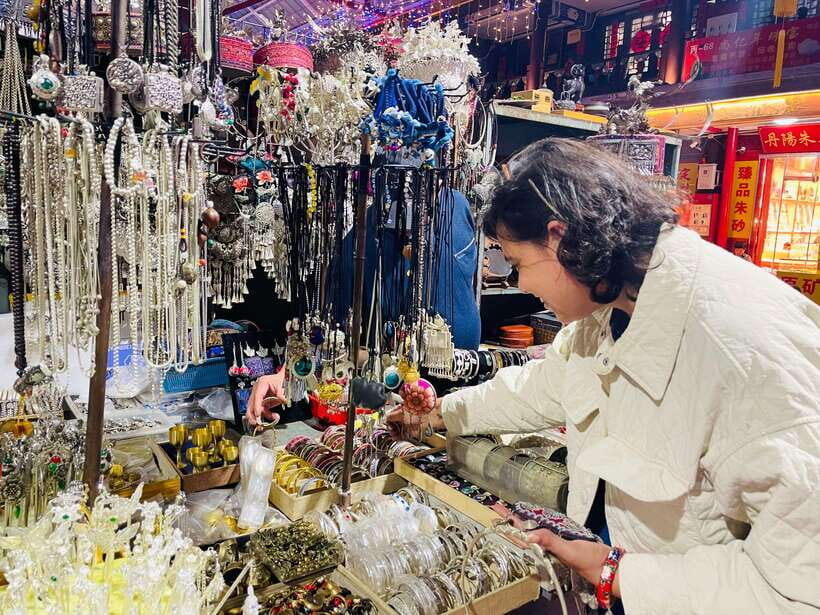
- Panjiayuan’s Qing-era roots: it started as a place for antiques, and that old-market mindset still shapes what you see.
- English guides who bargain with you: guides like Lan and July help you negotiate instead of just pointing.
- Street-food time is built in: you’re not stuck eating random snacks alone; your guide steers the stops.
- A flexible shopping pace: you can slow down at stalls that catch your eye, rather than being rushed.
- Cash is often workable: one guide-led tip from experience—most vendors don’t panic if WeChat/Alipay fails, and cash is commonly accepted.
Panjiayuan Night Market 101: Qing-Era Antiques and Modern Crafts
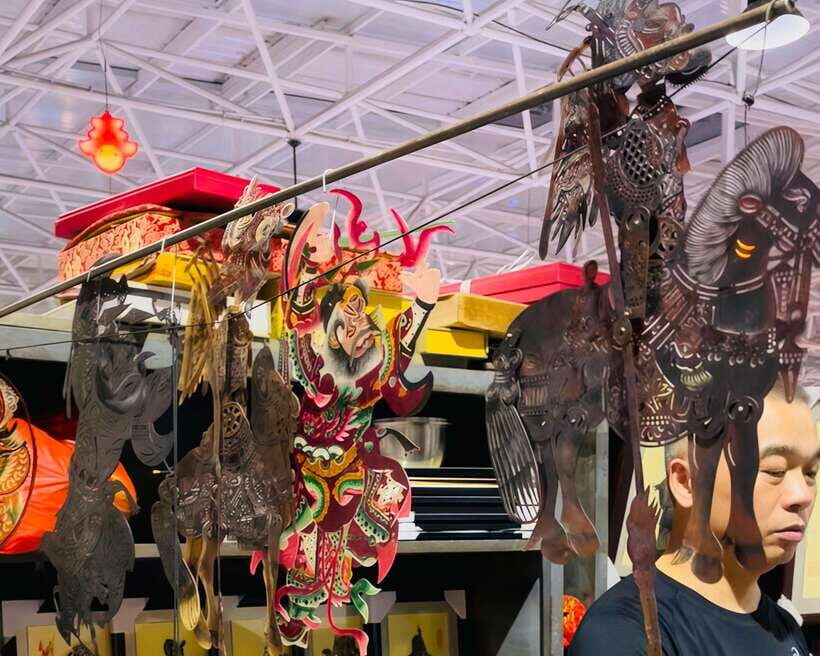
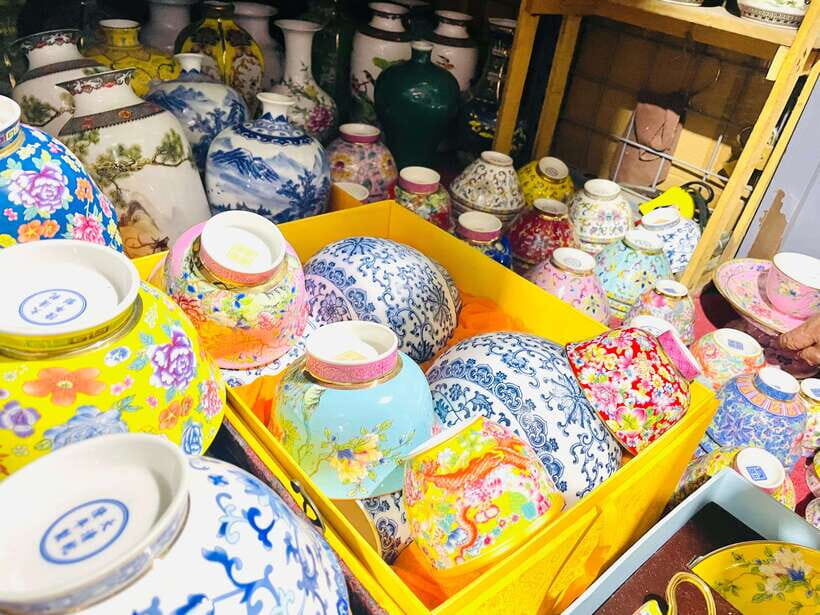
Panjiayuan is one of those Beijing places where the past isn’t staged—it’s part of the shopping culture. The market’s story goes back to the Qing Dynasty, when it was known for antiques. Today, it’s a mix of older collectibles and newer handmade crafts, including items made by younger local artists.
That blend matters for you. If you like history, you’ll feel it in how sellers talk about objects and why certain things are displayed the way they are. If you’re more interested in crafts and gifts, you’ll still have plenty to look at. You’re not limited to one “type” of shopping, which keeps the evening interesting.
Also, the market isn’t a set collection you can “finish” in one walk. Even if you come back later, the lineup shifts—different sellers show up at different times—so you’re not repeating the same checklist.
You can also read our reviews of more guided tours in Beijing


Your English Guide Is the Secret Weapon for Real Bargaining
Here’s the honest magic trick: haggling is easier when someone can translate what you mean and explain what the seller is asking. This tour is built around that. Your English-speaking guide doesn’t just help you communicate; they help you negotiate.
In real terms, it means:
- You can stop at stalls that catch your eye without feeling awkward.
- You can bargain with more confidence, because you’re not stuck guessing the language.
- You’ll get practical guidance on how to talk about price and options.
People often think markets are either fun or frustrating. With an English guide like Lan or July, it tends to lean toward fun. Guides are also enthusiastic and responsive—there’s a difference between someone who says hello and someone who actually helps you make the deal.
One small consideration: if you’re the type who hates negotiating at all, you might still feel pressured by the process. The best approach is to use the guide to ask questions and set a target range before you start bargaining—so you stay in control.
A 6:30 PM Start: What the Market Feels Like at Night
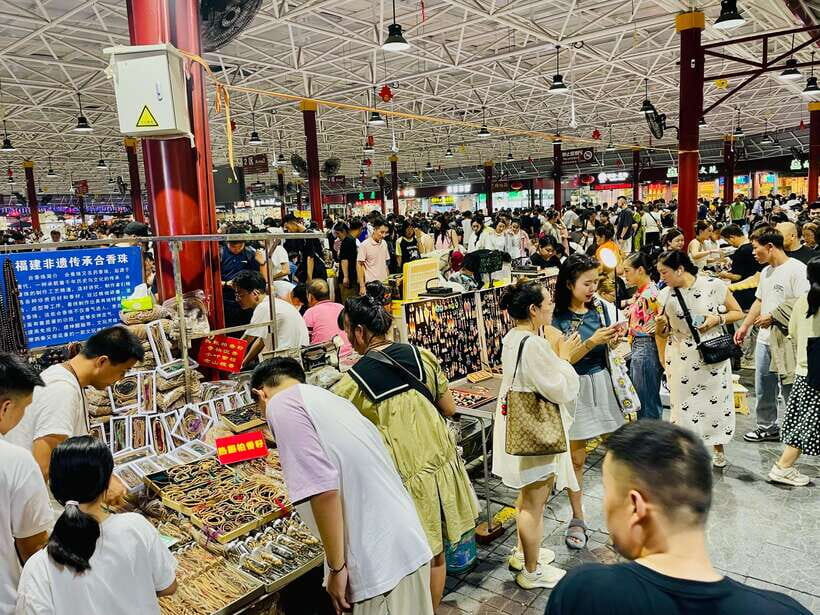
The tour kicks off around 6:30 PM, which is prime time. That’s when the stalls are open and people are actually shopping, not just browsing. The atmosphere is part of the experience. Street vendors, shoppers, and sellers all create that evening rhythm that makes a night market worth doing.
Your guide helps you move with purpose. You’re not wandering randomly; you’re walking with structure while still having room to choose what you want to look at. That balance is the sweet spot: you get guidance without losing freedom.
And because you’re on a private small group tour, the pace stays more human. You can ask follow-up questions, linger, and change your mind without slowing down strangers.
Stop One: Shopping in Panjiayuan Antique Market (About 1 Hour)
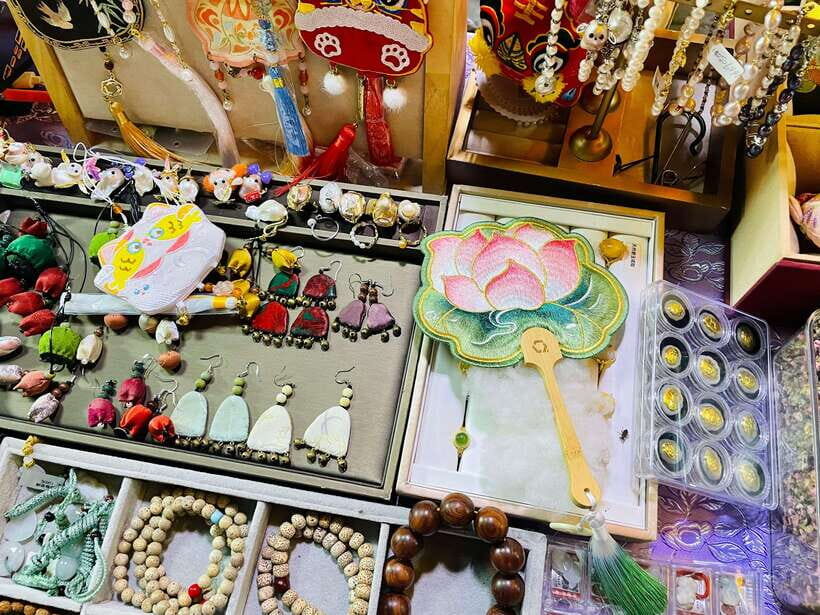
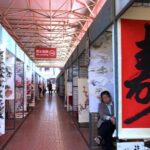
Your first stretch is focused shopping time. You’ll enter the Panjiayuan Antique Market area and get time to browse for items that fit your taste—traditional pieces, antiques, and craft-style goods.
Why this first hour is useful:
- You get bearings fast. You see how stalls are laid out and how sellers present items.
- You can compare prices early with the guide’s help, so you don’t waste the whole night paying too much out of hurry.
- You can spot what you actually want before snack time breaks the flow.
A practical way to shop smart: start by making a list in your head—what you’re willing to buy and what price range feels reasonable. Then treat later bargaining as “confirming” rather than “figuring it out from scratch.”
Also, remember that different sellers appear at different times. That means the first stop might reveal one style of item, and later you might find something better elsewhere. Don’t panic if your first hour doesn’t bring a miracle find. Markets like Panjiayuan reward patience.
Snack Time for Local Flavor: What’s Included and Why It Matters
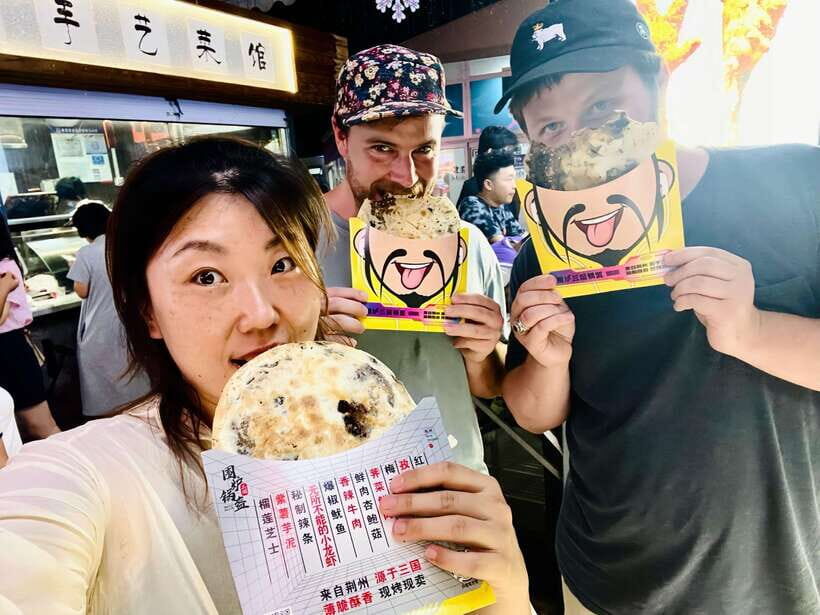
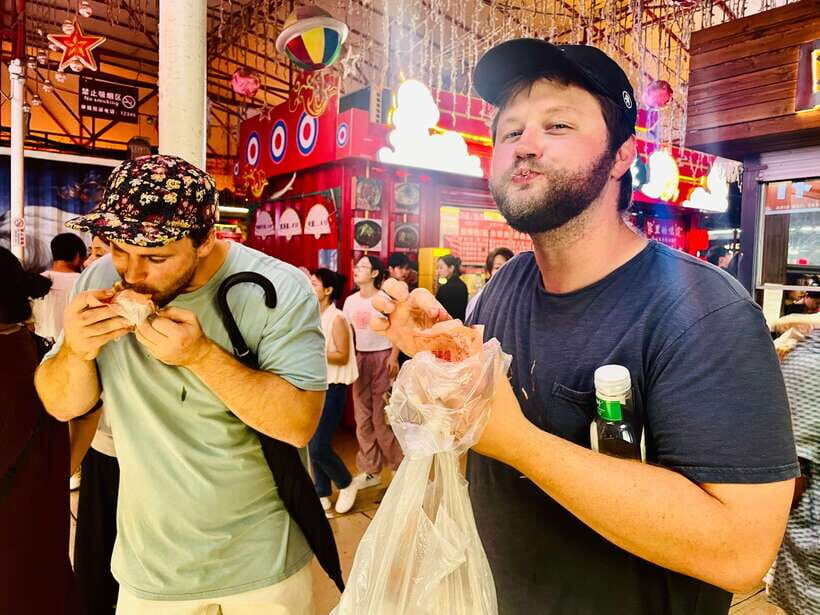
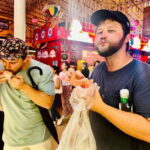
After your first shopping block, the tour shifts to local snacks with food included in the experience. This is not a random stop you’re expected to guess at. It’s part of the plan, so you can focus on eating something good instead of searching while hungry.
Expect about 30 minutes of snack time. That’s enough to try several bites without turning the evening into a food marathon. It also helps reset your energy before the longer shopping period that follows.
This part is valuable for two reasons:
- You avoid the awkward traveler move of standing in front of a stall, staring at the menu, and hoping your order guesses come out okay.
- You’ll learn what to try based on what your guide expects to be popular and worth your money.
One tip from experience shared with this tour: included meals/snacks are often a highlight, and guides will push you toward solid choices rather than the most convenient option. If you’ve ever ordered street food that looked great but tasted like regret, this is the kind of structure that helps prevent that.
You can also read our reviews of more shopping tours in Beijing

Second Shopping Block (About 1.5 Hours): Better Deals and Better Choices
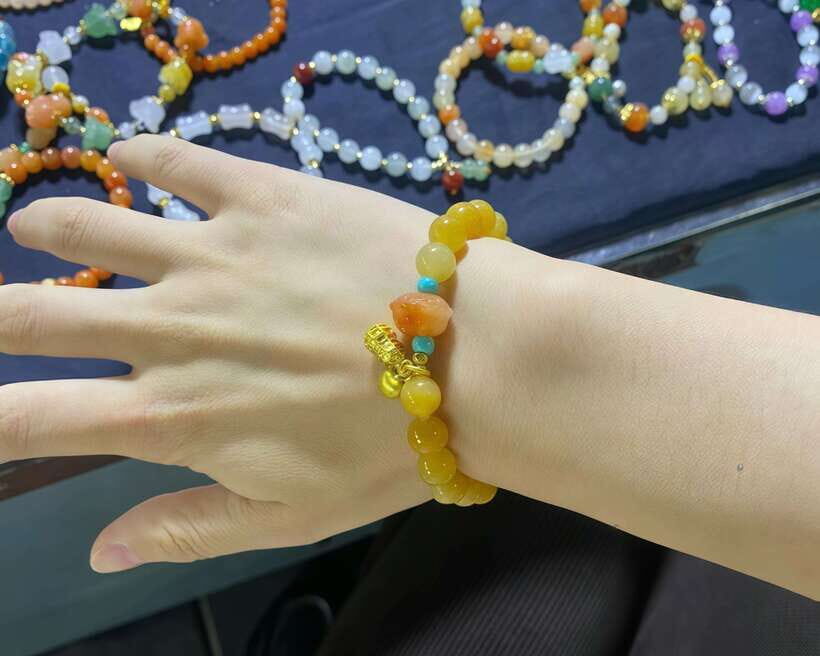
The final shopping stretch is longer—about 1.5 hours—and it’s where your evening really pays off if you use the time well. By now, you’ve:
- Seen the range of items available.
- Heard how sellers talk about quality and value.
- Built a quick sense of what things cost when you’re negotiating with an English guide.
This is also the best moment to bargain more confidently. You’ll have context for what seems overpriced and what feels fair. And if you found something earlier, you can return with clearer priorities.
Here’s how I’d approach this part if you want good value:
- Pick 1 to 3 “targets,” not 15.
- Bargain on the items that match what you truly want to carry home (gifts, souvenirs, practical small antiques, or crafts).
- Ask the guide to help you compare similar items across nearby stalls, so you’re not negotiating in a bubble.
You’ll end up with a better story if you buy fewer, better things.
Price and Value: What $68 Buys You in Beijing
At $68 per person for around a 3-hour evening, you’re paying for more than a walking tour. You’re paying for:
- An English-speaking guide who helps with translation and bargaining.
- Bottled water plus snacks and street food.
- A private group setup where the evening can be customized around your interests.
That matters because market shopping can be inefficient. Without help, you spend time not knowing what’s reasonable or what questions to ask. With help, you spend time shopping with decisions.
So is it worth it? For me, the value case is strongest if:
- You want to shop but don’t want language barriers turning it into guesswork.
- You like the thrill of haggling, and you want to do it smarter.
- You’d rather pay for guidance than gamble on what to eat and what to buy.
If you’re the type who just wants photos and doesn’t plan to buy anything, you might feel like you’re paying for the guide’s time rather than a purchase. But even then, snack time and guidance on what to look for can make it feel worthwhile.
Practical Tips So You Bargain Like a Pro (Without Being a Jerk)
Night market bargaining isn’t about being aggressive. It’s about being calm, specific, and ready to walk away if it doesn’t work.
A few practical moves that fit what your guide can do with you:
- Use the guide to ask questions about meaning, material, or category before you negotiate.
- Treat bargaining like a conversation. Your goal is a fair price, not a win.
- If something is out of your range, stay polite and pivot to the next stall. This keeps the evening fun.
- Plan to keep your phone charged. One helpful real-world detail from the experience: cash often works for most vendors, even if apps like WeChat/Alipay run into trouble. Still, having some cash is a smart safety net.
Also, wear comfortable shoes. You’ll be standing and walking around a lot, and the market is active in the evening.
Who This Tour Suits Best
This is a great fit if you:
- Want a Beijing night market experience with real shopping help, not just sightseeing.
- Appreciate markets but feel uneasy bargaining without translation.
- Are traveling with someone who’s unsure about shopping—guides can steer the food and help keep the mood upbeat.
It’s also a nice option if you want a custom-feeling evening. Private groups mean you’re not stuck with a one-size-fits-all route.
If you’re strongly anti-shopping or you only want a quick, low-effort walk, you may prefer a simpler food-focused night option instead.
Should You Book the Panjiayuan Haggling Adventure?
I’d book it if you’re planning to buy at least one or two items—or if you really want to try the food with guidance and see how bargaining works in a market that has serious character.
You’ll probably enjoy it most when:
- You want an English guide actively helping you negotiate.
- You like the idea of finding different sellers each time you visit.
- You care about value and want to avoid awkward price guesswork.
Skip it if you want zero pressure to shop or you’re only interested in taking photos and moving on fast. In that case, the guide-driven bargaining structure might feel like more effort than you want.
FAQ
FAQ
How long is the Panjiayuan night market tour?
The tour lasts about 3 hours.
What time does the tour start?
The market-focused start time is around 6:30 PM.
Where is the meeting point?
Meet in front of Line 10, Panjiayuan Station, Exit B.
Is this tour a private group?
Yes. It’s listed as a private group.
What language is the guide?
The guide speaks English.
What’s included in the price?
Included items are an English-speaking guide, bottled water, and snacks/street food.
What if I don’t want to buy anything?
You can still browse, and the guide can help you with translations and bargaining if you choose to stop at stalls that interest you. Personal purchases are not included.
Is there any extra cost besides the tour price?
Personal spending and any other fees not listed are not included.
Is the tour wheelchair accessible?
Yes, it’s listed as wheelchair accessible.
Can I cancel for a refund?
Cancellation is free up to 24 hours in advance for a full refund.