REVIEW · HONG KONG
Hong Kong Heritage – Past to Present
Book on GetYourGuide →Operated by Walk Hong Kong Ltd · Bookable on GetYourGuide
Hong Kong history hides in plain sight—and Central is the best place to spot it. This 3-hour walk connects historic landmarks with today’s skyline, showing how the city’s layers still shape what you see on the street.
I love the architecture focus, especially the chance to stand near places like the Supreme Court and learn why these colonial-era buildings still matter. Guides in this small group (up to 8) set a calm pace and keep explaining until it clicks, like Mel and Martin did for past groups.
One consideration: this isn’t recommended if you have limited mobility, and you’ll be doing a lot of on-foot exploring in busy Central streets and footbridge areas.
In This Review
- Key Things to Know Before You Go
- Starting at General Post Office: Your Central Anchor Point
- Statue Square and Why Hong Kong’s Main Square Feels So Small
- The Supreme Court: A Last Colonial Reminder in Modern Central
- St John’s Anglican Cathedral and the Harbour View That Changed
- Footbridges in the Central Business District: City Planning You Can Walk Through
- Central to Soho: How the Old Town Story Becomes Today’s Hong Kong
- Why This Tour Works for Your First (or Repeat) Time in Hong Kong
- Practical Details That Affect Your Experience
- Should You Book Hong Kong Heritage – Past to Present?
- FAQ
- How long is the Hong Kong Heritage – Past to Present tour?
- Where do I meet for the tour?
- What group size is this tour?
- What languages are available?
- Is hotel pickup and drop-off included?
- Is food included?
- Is this tour suitable for people with limited mobility?
- Can I get a refund if I cancel?
Key Things to Know Before You Go
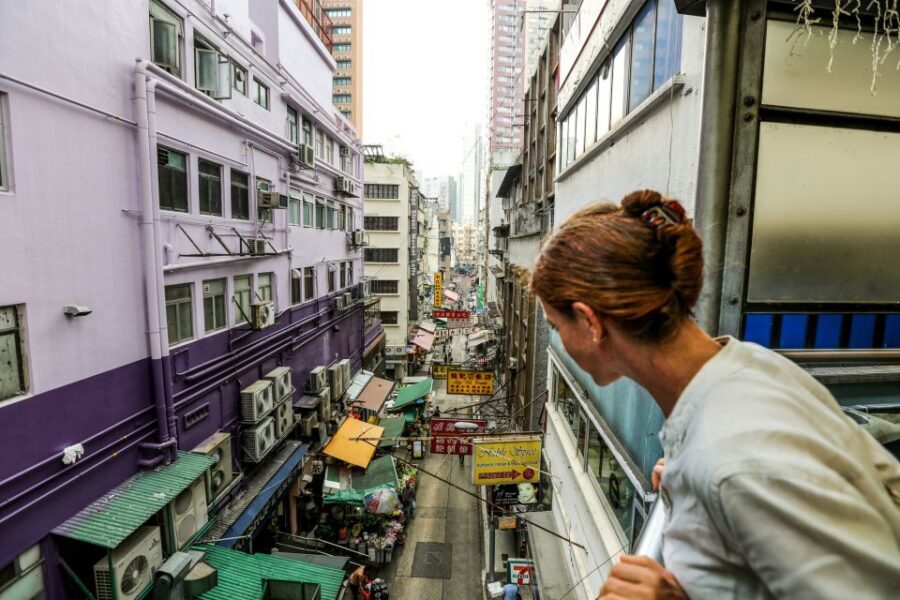
- Central district, explained on foot: You’ll trace the story of Hong Kong from early British rule onward, while looking at surviving buildings beside skyscrapers.
- Statue Square’s size puzzle: You’ll learn why Hong Kong’s main square feels so small for its importance.
- Supreme Court visibility: One of the last remaining colonial buildings gives you a real sense of how Western governance shaped the area.
- St John’s Anglican Cathedral sightlines: You’ll get context for how the cathedral fit into the harbour view in earlier days.
- Footbridges as city infrastructure: The Central business district’s pedestrian bridges aren’t just convenient—they’re part of how the city grew up vertically.
- Soho’s old-town transformation: You’ll connect Central’s early development to what made Soho what it is today.
Starting at General Post Office: Your Central Anchor Point
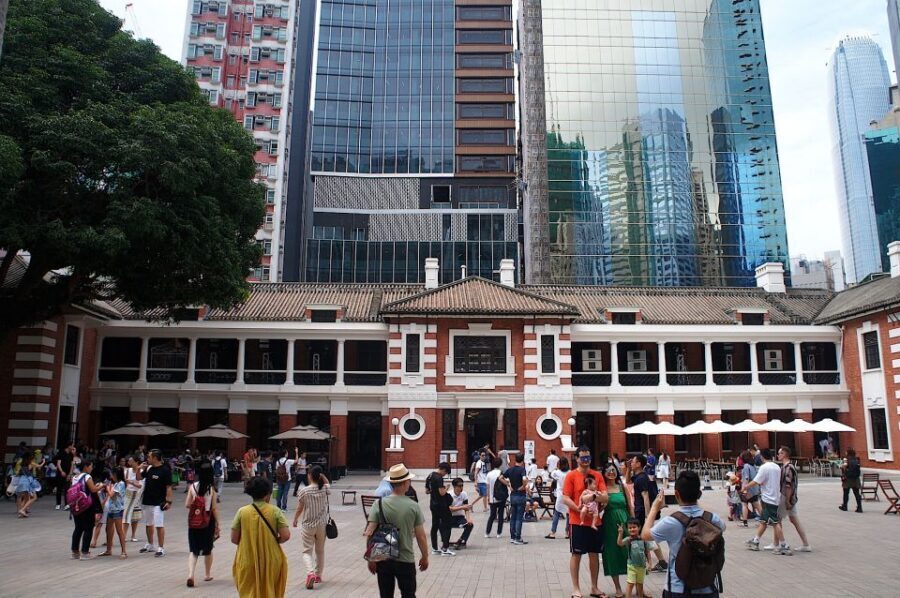
Your tour begins at street level outside the General Post Office, 2 Connaught Pl, Central, right next to the bus station. It’s a handy spot because it’s central, easy to orient from, and it puts you in the thick of the city’s “old meets new” zone from minute one.
From there, you’ll move through Central and Western district on a guided route that mixes visible landmarks with the kind of context you don’t usually get when you’re just walking. The tour is designed for a small group (2 to 8), so you’re not just following a script—you can ask questions and get answers in real time.
Wear comfortable shoes. This is a walking experience, and the Central area can feel like a continuous flow of stairs, sidewalks, and pedestrian connections. Also note that luggage or large bags aren’t allowed, so pack light.
You can also read our reviews of more historical tours in Hong Kong
Statue Square and Why Hong Kong’s Main Square Feels So Small
One of the first stops is Statue Square, which sounds straightforward until your guide starts explaining why it’s such a big deal while feeling oddly compact. In a city famous for scale—towering buildings, massive infrastructure—this square forces you to notice the human, street-level side of planning.
What I like about this part is that it trains your eyes. You start thinking like a planner: where do people gather, how does a square function, and why does “central” look different depending on how a city grew? Hong Kong’s development has been shaped by limited space and big waves of building and land reclamation over time, and Statue Square becomes one of the places where those pressures show up in plain sight.
You’ll likely see how public space in Central isn’t only about monuments. It’s also about circulation—where crowds can pause, where views are framed, and how people move between street corners and the higher levels of the district.
The Supreme Court: A Last Colonial Reminder in Modern Central
Next up is The Supreme Court, one of Hong Kong’s last remaining colonial buildings. Standing near it gives you a different kind of “past to present” feeling than you get from a museum. Here, you’re looking at an actual working landmark that survived the waves of redevelopment around it.
This is the kind of stop that helps you understand the city’s early power structure. Colonial administration wasn’t just a political concept—it showed up in architecture, in institutions, and in the look of major public buildings. When your guide connects those dots, the skyline around you stops being random scenery and starts feeling like a result of choices made decades ago.
A helpful detail from past groups: guides have handled questions well and adjusted their explanations based on what people wanted to focus on—so if you’re curious about governance, architecture, or how Western-style building appeared in Hong Kong, you’re in the right place.
St John’s Anglican Cathedral and the Harbour View That Changed
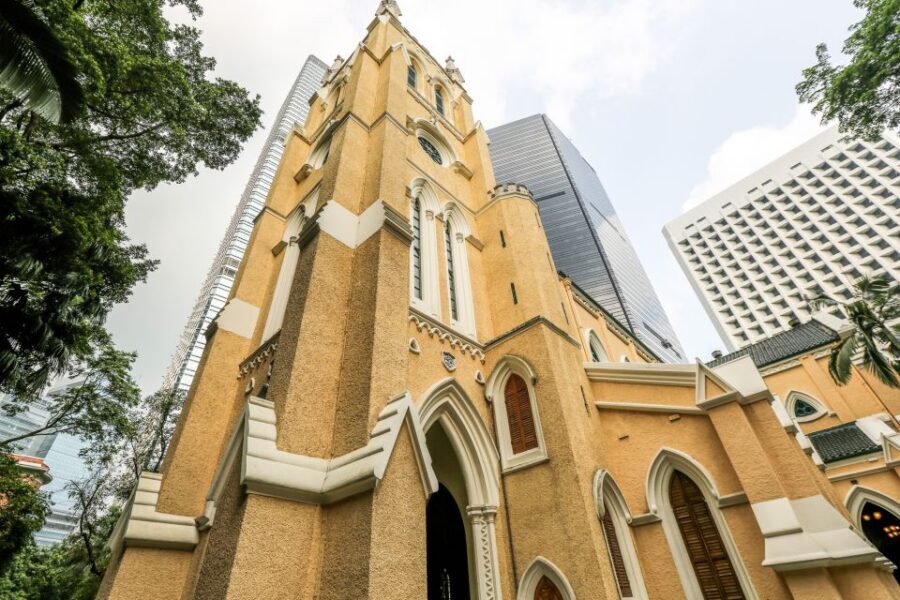
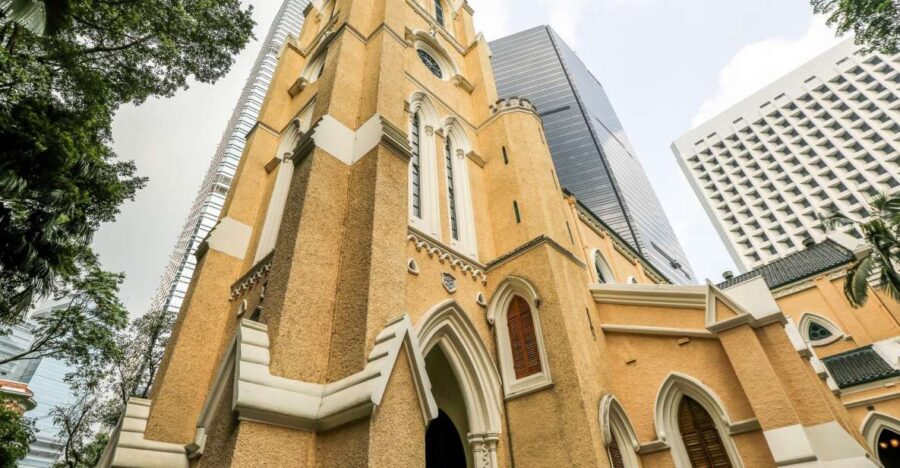
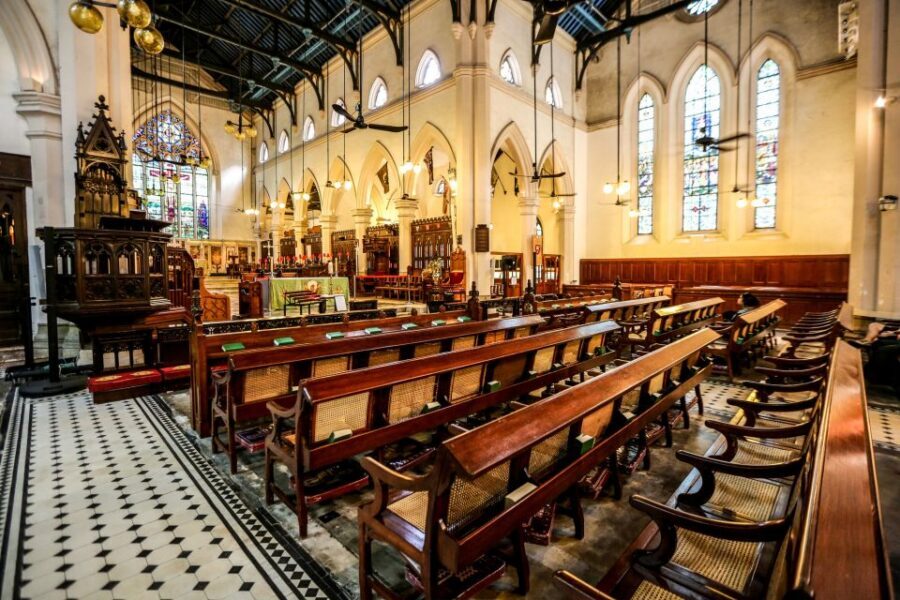
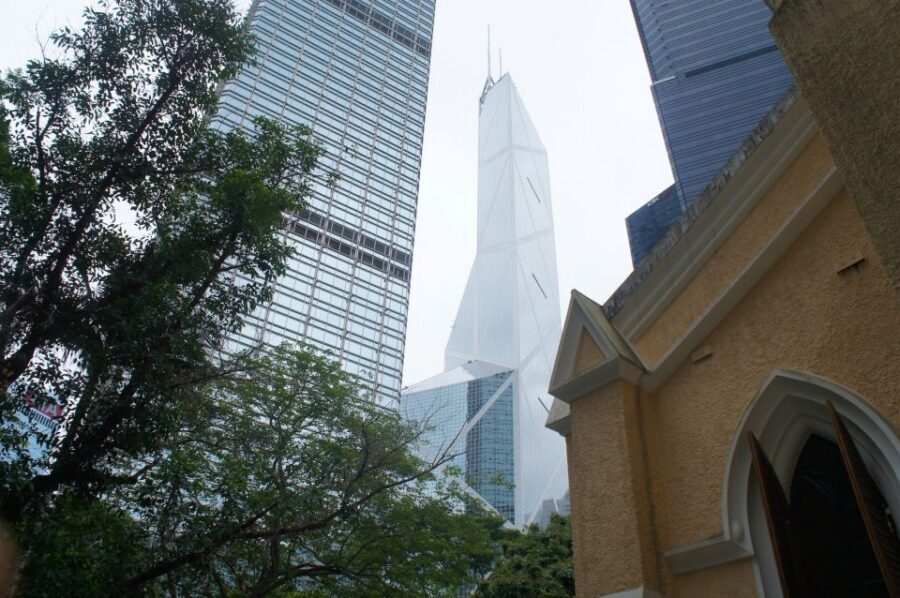
The tour includes St John’s Anglican Cathedral, with context tied to how it was once visible from the harbour. That detail matters, because it reminds you that “the view” used to be very different. Hong Kong’s waterfront and skyline have changed through extensive development and reclamation projects over different periods.
So instead of treating the cathedral like a standalone photo stop, your guide helps you place it in the city’s earlier geography. You start seeing the harbour not just as a background postcard, but as the organizing edge of where key landmarks would have sat in the visual map of the city.
Even if you’re not a big architecture person, this section usually works because the story is clear: the city shifted, the skyline rose, and the relationship between important buildings and the waterline changed with it.
Footbridges in the Central Business District: City Planning You Can Walk Through
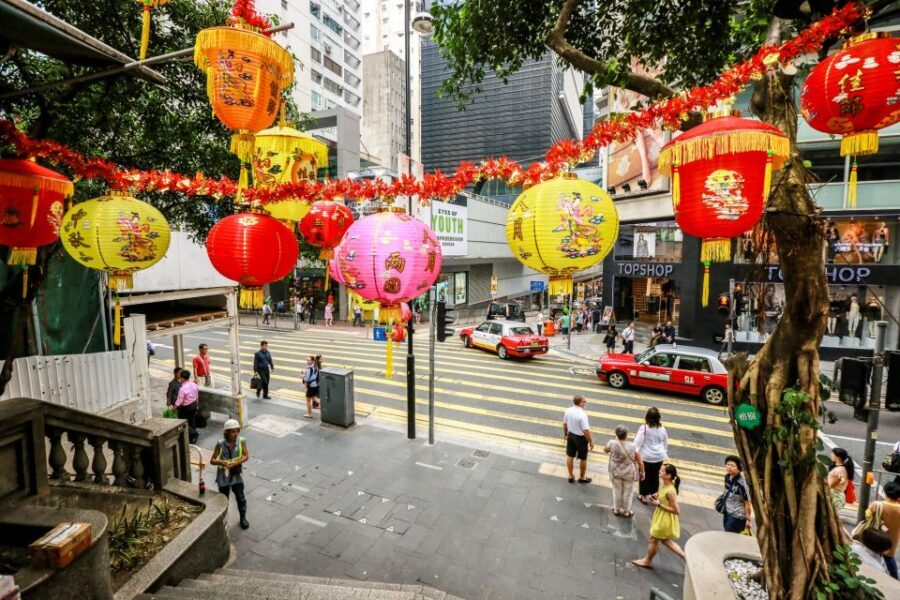
After the major landmarks, you’ll explore the network of foot bridges in the Central business district. This is a great part of the tour because it turns “how do I get around here?” into “why was the city built like this?”
In Central, footbridges aren’t an afterthought. They help keep pedestrian movement flowing across busy intersections, and they connect you to the higher-level logic of the district. When you walk them with a guide, you’ll get a sense for how Hong Kong developed into a metropolis—especially as building density increased and the waterfront shifted.
This is also where the small-group format pays off. If you’re curious about how streets connect, or how the district handles crowd movement, you’ll get better answers than you would wandering alone. And because you’re not hauling big bags, you can move comfortably through the pedestrian connections.
A short transfer is also included in the overall schedule, so don’t stress if the route shifts between clusters. The goal is to keep you seeing the right pieces without turning it into a marathon.



Central to Soho: How the Old Town Story Becomes Today’s Hong Kong
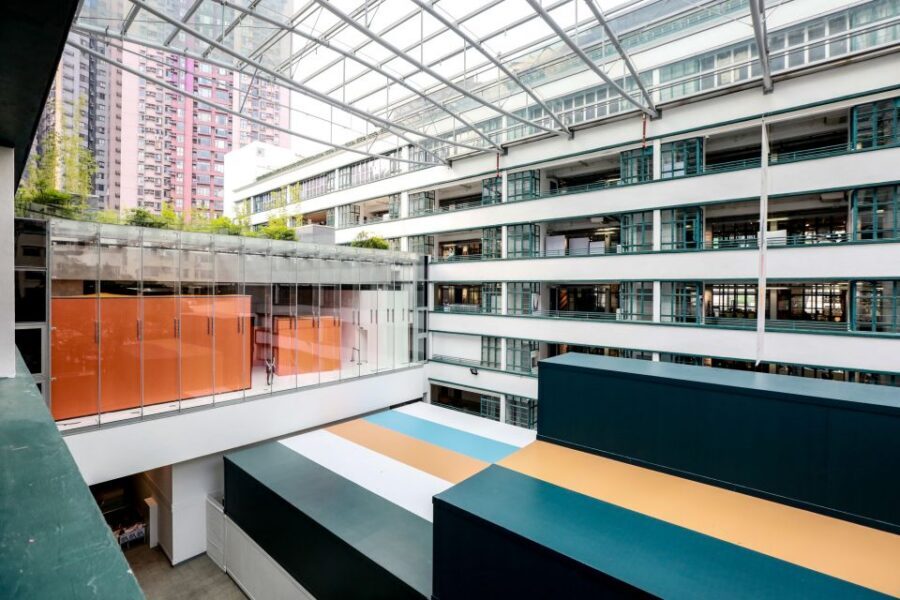
The final narrative shift is toward Hong Kong’s old town district, with an explanation of how Hong Kong’s Soho took shape. This part is less about one single building and more about the vibe and evolution of the area—how the city’s changing identity filtered into neighbourhood character.
I like this ending because it gives you a way to connect the dots. You’re no longer only looking at colonial-style structures and business-district design. You’re also seeing how everyday urban life and older neighbourhood development helped shape what people recognize as Soho.
Think of it like this: Central shows you institutions, skyline growth, and infrastructure choices. Soho shows you the human scale—how a district evolves through the push and pull of modernization, commerce, and shifting urban planning needs.
By the time you reach the Soho explanation portion, the whole tour feels more than a list of sights. It becomes a timeline you can walk through.
Why This Tour Works for Your First (or Repeat) Time in Hong Kong
Price-wise, it’s $65 per person for about 3 hours, which is pretty fair when you consider what you’re getting: an English-speaking guide, small group size, and a route concentrated in Central where the city’s development story is easy to understand. You’re not just paying for entry fees—there are no mention of admissions here—so your cost goes into interpretation and pacing.
That interpretation is the real value. Hong Kong changes quickly, and it’s easy to miss the bigger pattern if you’re only doing independent sightseeing. A guided walk in a compact area like this helps you avoid the common problem of seeing impressive buildings without knowing what they’re telling you.
The guide-led Q&A angle also matters. In past experiences, guides like Mel and Martin were praised for setting a pace that fit the group and answering questions. German-language touring is available on request, and guides such as Alexandra and Gabi were specifically noted for strong explanations and using helpful photo and map material.
Practical Details That Affect Your Experience
This is a small group tour limited to 8 participants, which is ideal if you want conversation and don’t want to get lost in a crowd. If you prefer guided history with room to ask questions, this setup usually feels comfortable.
Food and drink aren’t included, though you can purchase what you need along the way. Bring water if you’re the type who walks better with it. The tour focuses on sightlines and explanation, not on meal stops.
Also double-check what you travel with. Luggage or large bags aren’t allowed, so plan to travel light, especially if you’re moving around the city before or after the walk.
If you’re concerned about mobility, the tour isn’t recommended for people with limited mobility. Even with a small group, the area involves walking around streets and footbridges.
Should You Book Hong Kong Heritage – Past to Present?
Book it if you want a guided, architecture-and-city-planning approach to Hong Kong that you can absorb fast. This tour is a good fit for first-timers who feel overwhelmed by the skyline, and it’s also useful for repeat visitors who want a clearer story behind what they’ve already seen.
Skip it if you want a relaxed, low-walking stroll with minimal context. This experience is about interpretation—Central as a living timeline—and the route demands comfortable footwear and mobility.
If you like walking tours with smart explanations and a small-group pace, this one hits a sweet spot. For $65, you’re paying for a focused way to understand why Central looks the way it does today—without getting stuck staring at landmarks that don’t explain themselves.
FAQ
How long is the Hong Kong Heritage – Past to Present tour?
The tour duration is 3 hours.
Where do I meet for the tour?
Meet at street level outside the General Post Office, 2 Connaught Pl, Central, Hong Kong. It’s next to the bus station.
What group size is this tour?
It’s a small group limited to 8 participants.
What languages are available?
The tour is available in English. A German guide is available on request.
Is hotel pickup and drop-off included?
No, hotel pickup and drop-off are not included.
Is food included?
Food and drink are not included. You can purchase food and drinks on your own.
Is this tour suitable for people with limited mobility?
No. The tour is not recommended for people with limited mobility.
Can I get a refund if I cancel?
Yes. You can cancel up to 24 hours in advance for a full refund.