REVIEW · HONG KONG
Introduction to Hong Kong – Central Tip-Based Walking Tour
Book on GetYourGuide →Operated by Hong Kong Free Tours · Bookable on GetYourGuide
Hong Kong changes faster than you expect. This free Central walking tour strings together politics, culture, and everyday city life in one walk, with a local guide telling the why behind landmarks like St. John Cathedral and Man Mo Temple. I also love the contrast—history in the streets, then a ride on the Central–Mid-Levels Escalators, the world’s longest.
One thing to consider: it’s not suitable for wheelchair users, so expect a walking route with spots that aren’t easy for mobility limitations.
In This Review
- Key highlights
- Meeting Your Guide by the Yellow Fan in Central
- St. John Cathedral: Learning Hong Kong Through Faith and Power
- West Meets East in the Streets: Feng Shui as City Planning
- The Central–Mid-Levels Escalators Ride: See the City Moving
- Man Mo Temple: Taoism in Incense and Quiet Atmosphere
- The History Thread: Politics, Legal and Social Change, and Identity
- Markets and Local Life: What to Do When You’re Offered More Than Photos
- Price and Value: Why $1.28 Can Still Be Worth It
- What’s Included (and What’s Not) in Plain Terms
- Who This Tour Fits Best—and Who Should Skip It
- Practical Tips for Enjoying the Stops Without Rushing
- Should You Book This Central Walking Tour?
- FAQ
- Where do I meet the guide?
- What stops are included on the tour?
- What language is the tour offered in?
- Is food or a beverage tasting included?
- Who is the tour not suitable for?
- Can I pay later, and what about cancellation?
Key highlights
- St. John Cathedral stories: local insight that connects past power and modern identity
- Feng Shui in real streets: see how theory helped shape how people built and lived
- Central–Mid-Levels Escalators: more than transit—an on-the-ground lesson in the city’s rhythm
- Man Mo Temple and Taoist spirit: incense, atmosphere, and clear cultural context
- Easy to follow, guide-led pacing: designed to keep you oriented and engaged
Meeting Your Guide by the Yellow Fan in Central
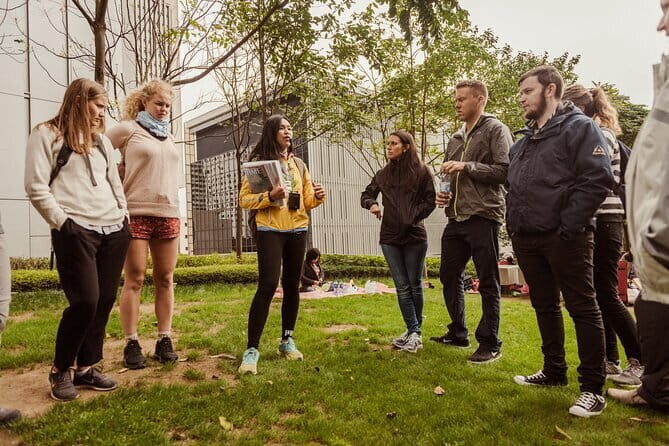
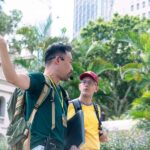
The tour starts in Central, and you’ll know you’re in the right place fast. Look for a local holding a Yellow Fan with Hong Kong Free Tours Guide printed on it. That simple detail matters because Central can feel like a maze when you’re tired, jet-lagged, or just juggling street signage.
The route also has a clear loop: you end back at the meeting point. For planning days around it, that’s helpful. You don’t have to guess how to reconnect later or worry that you’ll be dropped somewhere far from your hotel.
The tour language is English, so you won’t be translating on the fly through a patchwork of accents and explanations. I like that the experience leans on a professional local guide rather than a script. You’re there for personal stories, not just a list of dates.
You can also read our reviews of more walking tours in Hong Kong
St. John Cathedral: Learning Hong Kong Through Faith and Power
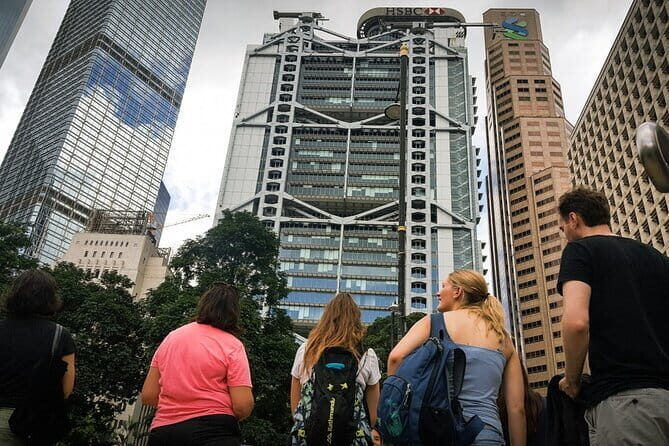
One of the strongest parts of the itinerary is the stop at St. John Cathedral. This is where the tour turns from sightseeing into context. The highlight isn’t just that the cathedral exists—it’s the guide’s insights about the neighborhood’s layered past and how Hong Kong’s identity formed over time.
It’s a good match for first-timers because the cathedral sits in a broader story: colonial-era institutions, religious life, and the kind of community presence that lingers even as the skyline keeps changing. If you’ve ever walked through a historic spot and wondered why it matters, this is the answer moment. You’ll hear how these sites fit into the bigger picture of social and cultural change.
Practical tip: plan to look up and around while you’re there. Cathedral stops can be easy to treat like quick photo breaks, but the value here is listening long enough to notice details you’d otherwise miss—architecture, setting, and the feel of the street around it.
West Meets East in the Streets: Feng Shui as City Planning
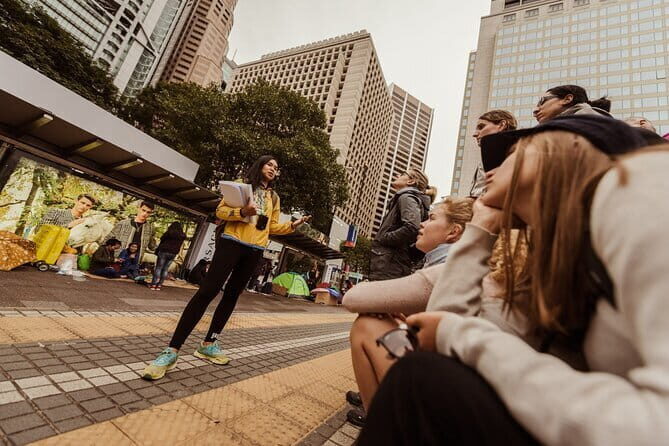
Hong Kong is a mashup of influences, and the tour makes that feel tangible. You’ll see how west meets east in Hong Kong, and you’ll also learn how Feng Shui theory shaped a city.
This is one of those topics that can sound abstract if you read it online. On a walking tour, it becomes practical. You start noticing how people think about directions, flow, and the relationship between buildings and daily movement. The guide’s personal framing helps you connect the theory to what you actually see around you.
What I like about this stop is that it doesn’t ask you to believe everything. It gives you a lens. Even if you’re skeptical, the tour helps you understand why so many locals treat these ideas as normal parts of how you interpret a city.
If you’re the type who enjoys culture through everyday life, this is a highlight worth paying attention to instead of skimming past.
The Central–Mid-Levels Escalators Ride: See the City Moving
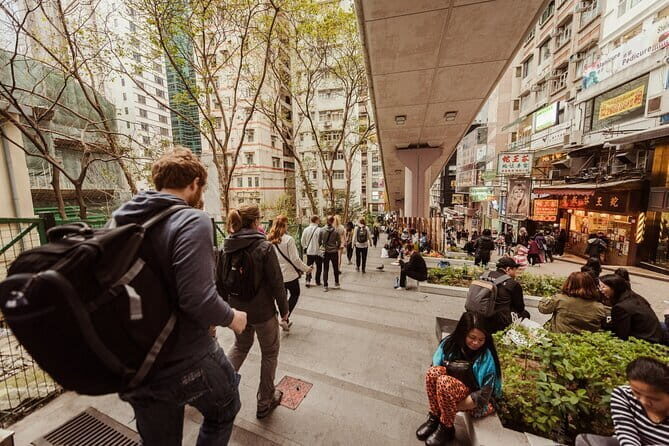
Then comes one of the tour’s most memorable hands-on moments: a ride on the Central–Mid-Levels Escalators, described as the world’s longest escalator. This is one of those attractions that’s famous for a reason. You’re not just looking at it—you’re inside it, traveling along a built-in artery of the city.
Why this matters: Hong Kong’s hills and density can feel confusing until you experience how the city solves the problem. The escalators aren’t only transportation. They’re a social stage and a daily rhythm maker. Along the way, you’ll get a sense of what “living on the slope” means, and how infrastructure affects everything from foot traffic to street energy.
For photos, the ride is useful because it gives you a moving perspective. For understanding, it’s even better. You’ll notice how the city’s layers connect—how the “upper” and “lower” parts interact.
One practical consideration: wear comfortable shoes. Even if you don’t realize how much walking you’ll do, Central sidewalks add up, and escalator time doesn’t replace the need to be on your feet between stops.
Man Mo Temple: Taoism in Incense and Quiet Atmosphere
The tour ends with Man Mo Temple, and that choice is smart for anyone who wants Hong Kong’s spiritual side, not just its skyline. Man Mo Temple is tied to Taoist practice, and the highlight specifically points to feeling the spirit of Taoism.
Temples like this can be hard to experience the right way if you don’t get cultural context first. With a guide, you understand what you’re seeing—incense, rituals, and why the space feels the way it does to worshippers.
This stop is also a useful counterweight to the earlier sections. You’ll have spent time on political and social change, plus architectural and city-shaping ideas. Then you shift into a calmer atmosphere where beliefs are lived out in real time. That change of pace is part of why the itinerary works.
If you’re sensitive to incense or smoke, take a moment near the entrance to gauge how strong it is. I’d also suggest being respectful with your photo angles—temples are not only visual backdrops.



The History Thread: Politics, Legal and Social Change, and Identity

The tour’s big promise is a time-travel through Hong Kong’s past and present. The highlights call out changes in Hong Kong’s political, legal, and social issues, plus the threads of language, identity, and economic evolution.
This is the heart of what you should take home, even if you’re mostly there for the landmarks. Hong Kong isn’t just a place with interesting buildings. It’s a city where systems, laws, and social habits shape daily life. When a guide connects these shifts to what you see nearby, your sightseeing becomes meaning-making.
One thing I’d emphasize: don’t treat the tour as a lecture. It’s more effective when you let the guide point out “why this spot” rather than memorizing facts. The best moments come when a political or social idea suddenly makes sense in street form.
Also, a real strength of the guide-led approach is that you can ask questions. The tour is described as informative and easy to follow, so it’s built to keep you from getting lost in jargon.
Markets and Local Life: What to Do When You’re Offered More Than Photos
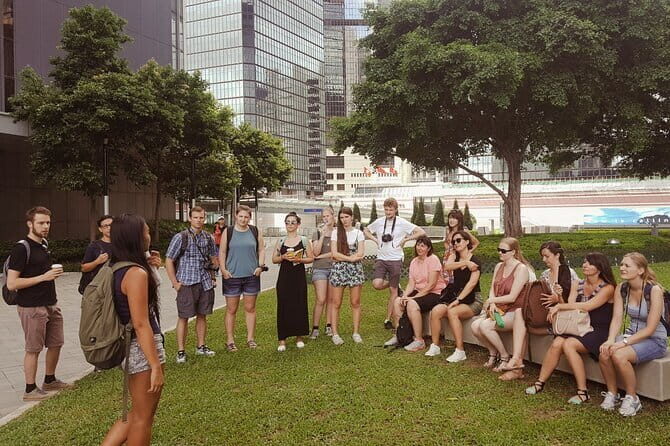
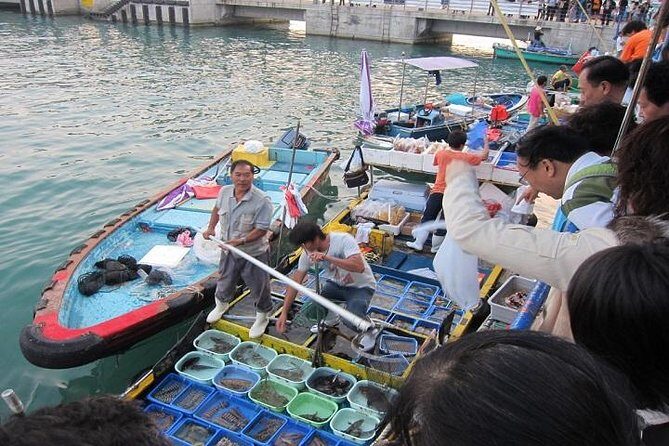
A review highlighted that the guide taught real markets and that the group tried a bunch of different things. That’s useful information for your expectations.
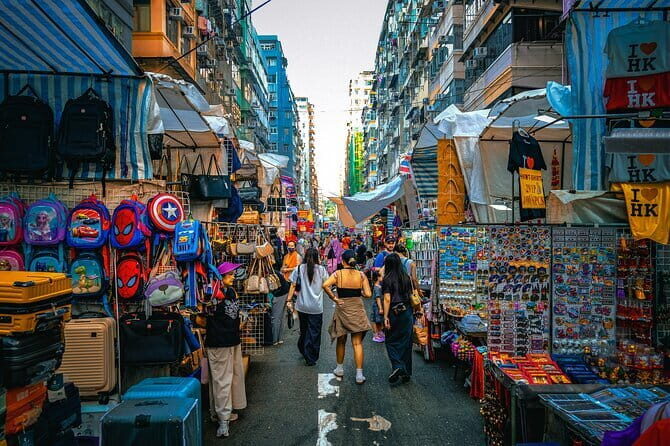
Here’s the key detail: the tour listing says food or beverage tasting is not included. So if you end up sampling something during the tour, you should think of it as optional and pay-your-own. In practice, this often means the guide points you toward where locals shop or eat, and you choose whether to buy.
This is still a win for value. Even without included tastings, you gain something practical: knowledge of how locals move through markets and what kinds of stalls or food stands you’ll likely want to remember for later.
If you like to learn by doing, come hungry enough to explore afterward. I’d plan a meal around the neighborhood you’re in, not on the other side of the city, so the tour sets you up for a smooth next step.
Price and Value: Why $1.28 Can Still Be Worth It

The listed price is $1.28 per person, and it’s presented as a free walking tour experience. Even if you treat it as symbolic pricing, the value is about what you’re buying: a professional local guide plus insights and personal stories.
That’s the real cost-benefit math. A walking tour can be cheap, but only if the guide actually gives you something. The rating is strong—4.8 with 30 reviews—and the feedback points to two things that matter on the ground: the guide is easy to follow and the tour feels original.
So what should you expect for this kind of price? Not formal museum-style ticketing, and not included food. Instead, you’re getting a guided storyline, specific stops, and local perspective you wouldn’t easily get by wandering alone.
If you want a curated walk that helps you connect Hong Kong’s culture to the streets you’re standing on, the value can be excellent. If you prefer totally independent travel with no guide-led explanation, then you’d get less out of it.
What’s Included (and What’s Not) in Plain Terms

Included:
- Professional local guide
- Insights and personal stories from locals
Not included:
- Food or beverage tasting
- Anything not mentioned
This matters because it shapes how you should travel. You’re not paying for a full meal plan. You are paying for context and city understanding.
If you want to taste while you go, plan to use your own budget for any snacks or drinks. If you don’t want food at all, you can still get a complete experience from the history stops, escalator ride, and temple atmosphere.
Who This Tour Fits Best—and Who Should Skip It
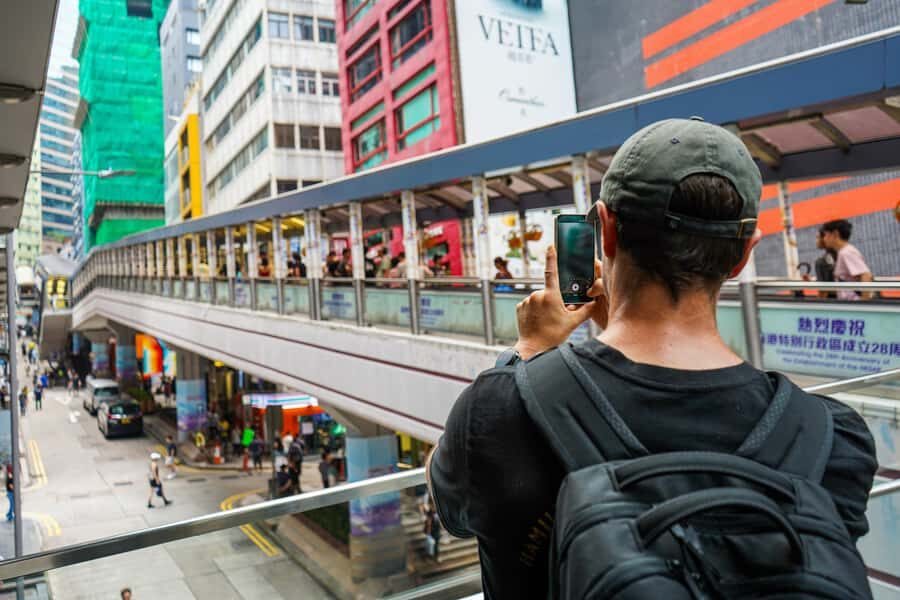
This is an English-language tour, so it suits English speakers who want a guided orientation to Central and nearby sights.
It’s not suitable for:
- Wheelchair users
- Babies under 1 year
- People over 95 years
I’d also add a practical fit question: do you enjoy walking with frequent stops? If you want a low-mobility, car-and-elevator-only day, this probably won’t feel comfortable.
Who will likely love it:
- First-time Hong Kong visitors who want big-picture understanding
- Travelers who like culture through stories, not just photos
- People interested in how beliefs (like Taoism) and planning ideas (like Feng Shui) show up in real places
Practical Tips for Enjoying the Stops Without Rushing
A few things will make the tour feel smoother:
- Wear comfortable walking shoes. Central can wear you down faster than you expect.
- Bring a small bag and water. Not because it’s required, but because walking tours are easier when you’re prepared.
- Be ready to look and listen. The value is in the guide’s interpretation, especially at St. John Cathedral and Man Mo Temple.
- If you want food, plan it yourself. The tour doesn’t include tastings, even if the guide may steer you toward markets and options.
Should You Book This Central Walking Tour?
Yes—if you want a guided way to understand Hong Kong’s mix of politics, culture, and everyday life, this makes a lot of sense. The stop selection is logical: St. John Cathedral for identity and context, Feng Shui ideas for city-making, the escalator ride for lived infrastructure, and Man Mo Temple for Taoism in action.
Skip it if mobility is a concern for you, since it’s not suitable for wheelchair users and it’s built around walking plus a transit-style escalator segment.
If you like tours that are easy to follow and feel original, and you’re happy to handle any food on your own, this is a strong pick for a first visit to Central.
FAQ
Where do I meet the guide?
You start at the tour’s meeting point. To recognize your guide, look for a local holding a Yellow Fan with Hong Kong Free Tours Guide on it.
What stops are included on the tour?
The tour includes St. John Cathedral, a ride on the Central–Mid-Levels Escalators, and a visit to Man Mo Temple.
What language is the tour offered in?
The tour is offered in English.
Is food or a beverage tasting included?
No. Food or beverage tasting is not included.
Who is the tour not suitable for?
It’s not suitable for wheelchair users, babies under 1 year, and people over 95 years.
Can I pay later, and what about cancellation?
You can reserve and pay later, with no payment needed today. You can cancel up to 24 hours in advance for a full refund.