REVIEW · HONG KONG SAR
Hong Kong’s Trendiest Neighbourhood Sheung Wan
Book on Viator →Operated by City Unscripted · Bookable on Viator
Sheung Wan feels like HK’s best side street energy. This private tour mixes old-school lanes with modern tastes, from Medicine Street and Dried Seafood Street to antique browsing and temple stops, all shaped around what you like. I especially like that you get a personalized route instead of marching with a big group, and that the walk hits spots you may not reach easily on your own. One thing to consider: it is mainly on foot, so you’ll want shoes that can handle lots of sidewalks and curb cuts.
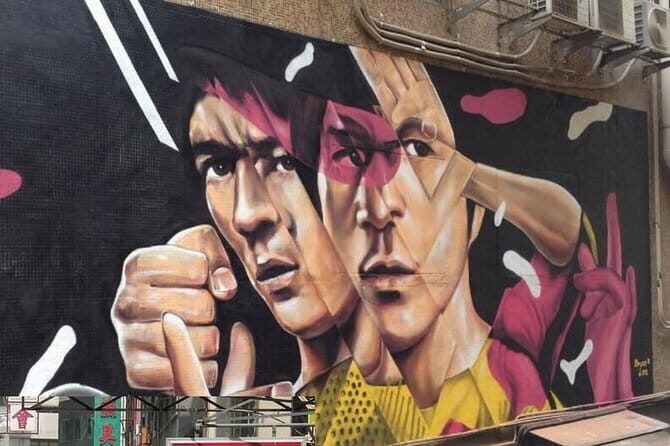
The host I had support and the others I’ve heard from (including Melissa) treat it like a conversation, not a checklist. Melissa tailored the route to interests like street art, local breweries, and parks, while still keeping the neighborhood’s food-and-tradition stops in the mix. Still, if you’re hoping for a full meal included or museum-style ticketed attractions, this experience is built more for wandering and local discovery than for paid entry sites.
In This Review
- Key highlights worth your attention
- Sheung Wan’s street-level style: why this area fits a trend-chasing day
- Meeting point: start easy, not stressful
- The flow of the 3-hour private route (and why each stop makes sense)
- Medicine Street and Dried Seafood Street: the everyday market you can smell
- A British-influenced market hall: old architecture in a working neighborhood
- Antique Street: browse with intention, not rush
- Food markets: oldest flavors, not just snack-photo stops
- Temples along the way: context without a detour
- The guide difference: like-minded Local Host, not scripted talking points
- Price and value: what 3 hours actually buys you in Sheung Wan
- Who this tour suits best (and who should tweak expectations)
- Practical tips so your day runs smoothly
- Should you book this Sheung Wan private tour?
- FAQ
- How long is the Sheung Wan tour?
- What does the tour cost, and what’s included in that price?
- Is this a group tour or a private tour?
- Where do we meet, and is there a pickup option?
- Does the tour include food and drinks?
- Are attraction tickets included?
- Do we pay for transportation during the tour?
- What’s the cancellation policy?
- Will I match with the right Local Host?
Key highlights worth your attention
- Private, custom itinerary built around your personality and interests
- Medicine Street + Dried Seafood Street where locals shop for traditional Chinese medicine specialties
- Antique Street for slower, browse-and-chat discovery of older Hong Kong
- Food markets and a British-influenced market hall that show the neighborhood’s layered history
- Temple stops along the way, so you get context without a separate detour
- Car/bus-inaccessible lanes by foot, meaning you’ll see streets most routes skip
Sheung Wan’s street-level style: why this area fits a trend-chasing day
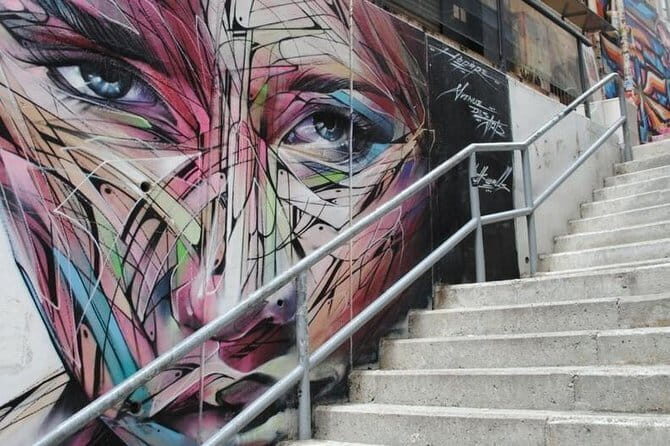
If you like Hong Kong that feels lived-in, Sheung Wan is a smart place to spend a few hours. It’s old enough to still feel like a neighborhood, but it also has that modern “what’s next?” vibe—cafes, design corners, and creative pop-ups that sit beside everyday shops. The tour leans into that mix. You’ll walk through lanes where daily life is the main attraction, not just views from a high tower.
What makes it especially good value for 82.58 USD per person is the structure. Three hours isn’t long, but it’s enough time to see multiple street markets and still have a guide who can shift pace when you’re curious. You’re not locked into a fixed route or forced to stop for things you don’t care about. That flexibility matters in a dense place like Hong Kong, where a “good plan” can quickly turn into a “where are we?” problem.
You can also read our reviews of more tours and experiences in Hong Kong SAR.

Meeting point: start easy, not stressful
Your start is simple: Starbucks (Midland Centre), G61–G62, 328 Queen’s Road Central, Tai Ping Shan. The tour ends back at the meeting point, so you’re not guessing how to get home from the far side of the district.
The real win is the “don’t stress” approach. Even with a defined meeting place, your host can work with a flexible meeting point and a pickup time and location that fits you. If you’re arriving by train or using taxis during the day, that flexibility can save time and reduce the anxiety of being late or mis-locating the group.
One practical note: transportation costs are not included. This matters if you plan to use taxis or if you need to reduce walking. The host can suggest options, but you’ll still pay for transport yourself.
The flow of the 3-hour private route (and why each stop makes sense)
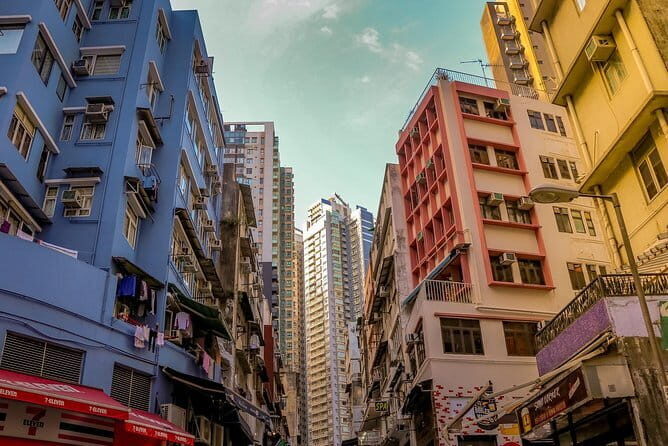
This tour is built as a walking experience through Sheung Wan’s core streets. You’re not just collecting sights; you’re connecting themes: traditional commerce, old market architecture, and temple culture—then topping it off with whatever modern interests your host pulls into the day.
Because it’s private, your host can adjust timing. If you’re the kind of person who wants to pause for photos at every corner, you can do that. If you prefer to move briskly and only stop for what catches your eye, you can do that too.
Here’s the typical rhythm you can expect.
Medicine Street and Dried Seafood Street: the everyday market you can smell
Medicine Street and Dried Seafood Street are where the neighborhood gets very real, very fast. These are the lanes where people shop for traditional Chinese medicine specialties, including dried ingredients sold in ways that feel practical—not performative.
I like this part because it teaches you how locals actually use the area. You’re not just looking at storefronts; you’re watching a type of commerce that explains why Sheung Wan has been important for so long. The shops can be visually busy, and the products can be strongly scented, so come ready to enjoy a full-sensory neighborhood moment.
What to consider: if scents bother you or if you prefer light, airy shopping environments, this is still part of the plan. You can always slow down, step outside briefly, or point your host toward lighter stops—but the medicine-and-seafood streets are a signature feature for a reason.
A British-influenced market hall: old architecture in a working neighborhood
Next comes the market hall angle. This is the kind of stop that often surprises people because it’s not a tourist building. It’s British-influenced architecture inside a working neighborhood, and that combo gives you something visual to look at while still feeling grounded.
I find market halls like this are best for learning how Hong Kong layers time. You’ll get a sense of how different eras shaped trade routes and daily life—without needing a lecture. If you’re the type who likes texture over big monuments, this is a strong payoff stop.


Antique Street: browse with intention, not rush
Antique Street is where you slow down and treat the street like a living showroom. Even when you don’t plan to buy anything, it’s a place to practice looking—materials, styles, and the way sellers talk about objects.
This stop is also a nice counterbalance to the heavier scent-and-detail streets. Medicine and dried goods can wear your senses out; antiques let you reset. You can ask questions, learn basic context, and decide what interests you instead of being dragged along.
One caution: antiques can tempt you into impulse buying when you’re tired. If you’re shopping, set a simple rule for yourself at the start—like only browsing until you see two or three items you’d genuinely want at home.
Food markets: oldest flavors, not just snack-photo stops
The tour includes time in one of Hong Kong’s older food markets. This is the moment where you see how Sheung Wan earns its reputation as a place that feeds people every day.
Food is not included, so you decide what you want to try. That’s actually a good setup. You can follow your own dietary preferences and budget. And because your host is with you, you can ask what’s worth your time without getting lost in menu chaos.
If you’re planning to eat, bring cash or a payment method you know works in local markets. Also, remember you’ll be walking after eating—so choose something you can hold and step around easily.
Temples along the way: context without a detour
Temples are part of the walking route, not tacked on as an extra tour. That’s useful because it ties belief and tradition to the neighborhood street grid you’re already exploring.
I like temple stops when they’re integrated, because you get context while your feet are already moving through the area. You’ll see how religious spaces sit next to commerce, and you’ll understand why the neighborhood doesn’t feel like a “theme park”—it feels like a place people keep using.
If you’re curious about etiquette, this is where your host can help. The tour data doesn’t list specific temple rules, but a local host can guide you on what to do in the moment.
The guide difference: like-minded Local Host, not scripted talking points
This is a private tour, so you’re not competing for attention. What’s more, you’re not handed a random guide and hoped for the best. After you book, you’ll hear from the provider within 24 hours to learn about your personality, tastes, and interests so they can assign a like-minded Local Host who builds a bespoke experience.
In the reviews, Melissa stands out for tailoring the day to interests like street art, local breweries, and beautiful parks. That detail matters. It shows the host is willing to flex beyond the core “must-see” lanes. You still get the neighborhood anchor points, but you also get room for what makes the day fun for you.
If you like structure, you’ll appreciate that the route has real anchor streets. If you like freedom, you’ll appreciate that you can ask to shift focus while staying within the neighborhood.
Price and value: what 3 hours actually buys you in Sheung Wan
Let’s talk value without the fluff. At 82.58 USD per person for about 3 hours, you’re paying for two things:
1) A guide who can navigate a dense, layered neighborhood fast
2) A personalized route that prevents wasted time
In Hong Kong, time is money because walking distances add up and transit can be fiddly. A private local host can cut through that. You’re also not paying extra for the walking time. The experience includes the 3-hour session, and if you need help with movement, the host can suggest public transport or even private taxi options.
Food and drinks are not included, and tickets to attractions are not included. That doesn’t make the tour “less” than something ticket-heavy. It keeps the day flexible. You can choose budget-friendly snacks, or you can go all-in on one great meal without being forced into a set menu.
Group size is your group only, so you avoid the cost and coordination issues that come with larger group tours.
Who this tour suits best (and who should tweak expectations)
This is best for you if you want:
- A private, adjustable walking plan in a neighborhood where wandering is the point
- A mix of traditional shopping lanes and modern Hong Kong interests
- Real local context, especially around medicine-market culture, antiques, and temple areas
It’s also a solid fit if you’re planning a short visit and want the neighborhood “feel” without spending hours piecing together directions.
You might want a different option if:
- You want lots of ticketed attractions included
- You expect the tour to provide meals
- You strongly dislike walking (this is mainly a foot route, though the host can suggest transport if needed)
Practical tips so your day runs smoothly
Here are a few things I’d do before you go, based on how this kind of neighborhood walking tour typically works.
- Wear comfortable shoes you don’t mind getting dusty. Markets and lanes mean uneven pavement and lots of turning.
- Plan to shop slowly. Antique Street rewards patience.
- Bring a small amount of local currency and a payment method for snacks. Food isn’t included, so you’ll be choosing on the fly.
- If you have scent sensitivity, tell your host early. Medicine and dried seafood lanes are a core feature.
- Use the meeting place as your anchor. Starbucks at Midland Centre is your reliable starting point.
Should you book this Sheung Wan private tour?
Yes, if you want a 3-hour, private, walking-first introduction to Sheung Wan that mixes iconic lanes with whatever makes your day feel personal. The big reasons to book are the custom itinerary, the chance to hit Medicine Street, Antique Street, food markets, and temple stops without getting lost, and the evidence from real guides like Melissa that the host can tailor the day to interests such as street art, local breweries, and parks.
I’d only hesitate if you dislike walking-heavy days, hate strong scents, or you’re looking for ticketed attractions and included meals. If you’re open to neighborhood discovery, this tour is a practical way to see more of Sheung Wan than you could manage alone in the same time.
FAQ
How long is the Sheung Wan tour?
It runs for about 3 hours.
What does the tour cost, and what’s included in that price?
The price is $82.58 per person, and it includes a private, personalized itinerary plus 3 hours with a Local Host.
Is this a group tour or a private tour?
It’s a private tour. Only your group participates.
Where do we meet, and is there a pickup option?
Meet at Starbucks (Midland Centre) G61–G62, 328 Queen’s Road Central, Tai Ping Shan. Hotel meet-up is available on request for central locations.
Does the tour include food and drinks?
No. Food and drinks are not included.
Are attraction tickets included?
No. Tickets to attractions are not included.
Do we pay for transportation during the tour?
Transportation costs are not included. If needed, your host can suggest public transport or private taxi options, but you’ll pay for transport yourself.
What’s the cancellation policy?
You can cancel for a full refund if you cancel at least 24 hours before the experience’s start time. If you cancel less than 24 hours before, the amount you paid won’t be refunded.
Will I match with the right Local Host?
You should. After booking, they reach out within 24 hours to learn your personality, tastes, and interests so they can assign a like-minded Local Host and build a bespoke experience.