REVIEW · HONG KONG SAR
Ma On Shan Climbing Adventure
Book on Viator →Operated by Rory Mackay · Bookable on Viator
Ma On Shan is pure Hong Kong cardio. You trade busy streets for a serious hike up Ma On Shan’s saddle-shaped peak, then get rewarded with sweeping viewpoints along a ridge walk before heading down toward Sai Kung. If you want fresh air and a real effort, this is the kind of day that resets your whole trip.
I really like the professional guidance and clear safety focus from Rory Mackay. I also love the mix of terrain: climb up, cross the ridge walk, then descend down to Sai Kung, so the day feels like a full route instead of just walking uphill and calling it a day.
One consideration: this is a strenuous hike, and it’s not meant for people with serious medical issues. If you’re on the edge physically, you’ll feel it—so pick this only if your body is ready for sustained effort.
In This Review
- Key highlights at a glance
- Ma On Shan: Why this hike feels like a Hong Kong reset
- The full route: what you’ll do in about 6 hours
- Start at Heng On (MTR Exit C) and get briefed
- Stop in Ma On Shan Country Park
- Climb toward the twin peaks
- Ridge walk: the scenic middle that tests your footing
- Descend down to Sai Kung
- Price and what you’re really buying for $118.19
- Timing, weather, and how to dress like a serious hiker
- Group size and the pace: why “small” helps on a ridge
- Safety and fitness: who this hike is for (and who should skip it)
- After the hike: what you can do with Sai Kung time
- Should you book Ma On Shan Climbing Adventure?
- FAQ
- How long is the Ma On Shan climbing adventure?
- Where do I meet the group?
- What time does the hike start?
- Is this hike strenuous?
- What’s included in the price?
- Is food and drinks provided?
Key highlights at a glance
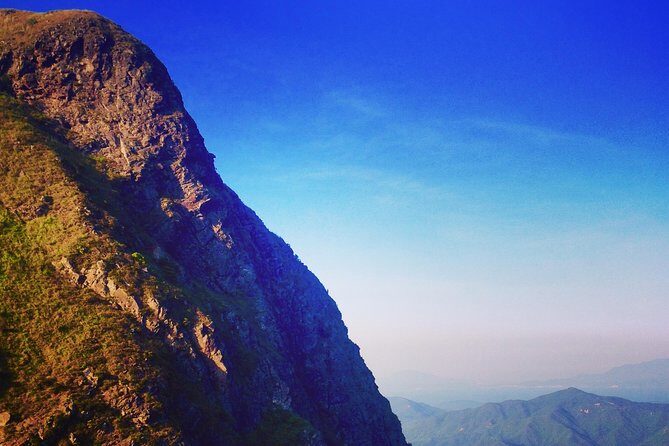
- Ridge walk views: a distinct section where the scenery opens up while you keep moving
- Strenuous, real mountain time: good if you want effort, not a casual stroll
- Guide-led pacing and safety rules: led by Rory Mackay with a structured route
- Ends toward Sai Kung: your hike naturally deposits you in an area with options after
- Small group cap (max 30): easier to follow the guide and keep the hike moving
Ma On Shan: Why this hike feels like a Hong Kong reset
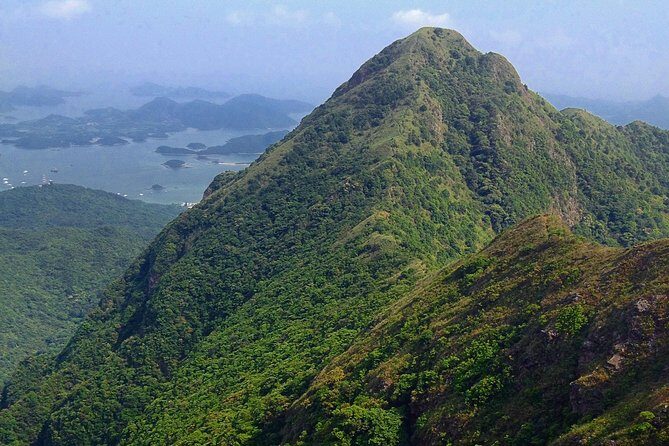
Hong Kong can be all glass towers and neon nights. Ma On Shan is the opposite. This hike puts you in the hills north of the city, where the air usually feels different the moment you start climbing.
What I like most is the shape of the day. You’re not just going up to a single viewpoint and back. You climb up from the township area, you work your way through a ridge walk, then you come down toward Sai Kung. That “up, across, down” rhythm tends to make time feel faster because the route changes constantly. Even when you’re tired, you have the next section to look forward to.
The views are the obvious payoff, but the better value is how you earn them. A steady climb up twin peaks and a ridge section means you’re not watching the scenery from behind fences or bus windows. You’re part of the landscape—hands working, legs moving, and your focus on the path.
And the fact that this is guided matters. The country park route can be easy to misread if you’re navigating solo. With a guide, you get structure and you’re less likely to waste energy on wrong turns or uncertain paths.
You can also read our reviews of more tours and experiences in Hong Kong SAR.

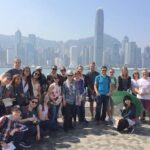
The full route: what you’ll do in about 6 hours
The day is planned for roughly 6 hours, which is a nice length for hikers who want a challenge without sacrificing the entire rest of the day. The pace is built around a continuous climb and descent, so plan your energy like you’re doing a workout, not a sightseeing stroll.
Start at Heng On (MTR Exit C) and get briefed
You meet your group at Heng On MTR Exit C a little before departure. The usual start time is 11:00 am, though other departure times can be requested. Late morning is a common choice here because you still get daylight, but you avoid the early-morning cold snap some people get stuck in.
Before you set off, you’ll listen to the guide’s safety rules. That matters more on a hike like this than you might expect. Even if you’re experienced, a mountain route is full of small decisions—foot placement, staying grouped, and knowing when conditions make a section riskier. The guide’s rules are there to protect the whole group.
Quick practical tip: bring a hands-free camera or video camera if you have one. On a hike, taking photos the old-fashioned way (both hands on the phone) can wreck your balance at the wrong moment.
Stop in Ma On Shan Country Park
One of the stops is Ma On Shan Country Park. Think of this as your official “you’re here, you’re on the mountain” moment. Country park routes usually mean marked hiking corridors and a maintained sense of where you’re supposed to go. You’re still working hard, but you’re not guessing.
Climb toward the twin peaks
The route starts with an uphill pull from the township area. As you climb, you’ll make your way toward the mountain’s twin peaks, following a steady progression rather than a few sudden steep moves. This is the phase where you’ll feel the hike most clearly. Your breathing changes. Your legs warm up. You’ll likely stop less for photos than you think—because you’ll want to keep a rhythm.
A good mindset here: treat it like training. If you sprint at the start, you’ll pay for it later on the ridge section. If you pace yourself, the views start to feel like a reward instead of a distraction.

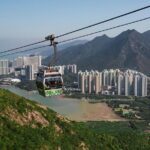

Ridge walk: the scenic middle that tests your footing
After the climb, you’ll navigate through a ridge walk with your group. This is often the most memorable section because it’s when the scenery really starts to open up and you’re walking across more exposed ground.
Even when it’s not technically difficult, ridge walking demands attention. This is where the safety briefing earns its keep. Stay with your group. Don’t let the views steal your step-by-step focus.
If you’re the type who loves “just one more photo,” this is the wrong place to get sloppy. Take photos, yes—but move carefully. The ridge walk is more about concentration than about Instagram angles.
Descend down to Sai Kung
Once the ridge walk is done, the route turns downward toward Sai Kung. Descents can feel easier than climbs, but they can also be rough on knees and ankles. Your best friend here is controlled speed. Long strides can be tempting. They’re also where slips happen.
As your day winds down, you’ll end at the activity’s listed endpoint around the meeting point area. The broader plan is that you’re brought down toward Sai Kung, so you’ll likely have time to decide what you want to do afterward once you finish the hike.
Price and what you’re really buying for $118.19
At $118.19 per person (with group discounts available), you’re not just paying for a trail. You’re paying for someone to manage the route, the timing, and the safety rhythm of a strenuous hike.
Here’s the value breakdown that matters:
- Professional guide included: That’s the biggest cost-driver and the biggest benefit when you want to hike confidently.
- Small group limit (max 30): You get a group size that’s big enough to feel social but small enough to keep moving.
- Mobile ticket: Simple and modern. No extra hassle on the day.
- Strenuous, structured route: You’re doing a complete climbing experience—up, ridge walk, and down—rather than piecing it together with uncertain navigation.
What’s not included is also important: food and drinks aren’t provided. So your real “all-in” cost depends on how you handle that. If you like bringing your own snacks and water, you’ll feel more in control during a long effort.
If you’re traveling with limited local knowledge, a guided hike can still be good value even if you could theoretically hike independently. The confidence and reduced decision-making often make it worth it, especially on a strenuous route.
Timing, weather, and how to dress like a serious hiker
This tour runs in all weather conditions, so you need to treat the day like a mountain day, not a fair-weather plan. That’s a plus for flexibility. It also means you should dress for discomfort and handle it.
Because the hike is strenuous, plan clothing that you can move in:
- Wear proper hiking shoes or footwear with good grip (especially for the ridge and descent).
- Bring layers you can adjust if you warm up during the climb.
- If conditions look wet, prioritize traction and keep your steps deliberate.
The best time to do this kind of hike is often autumn or winter because the air is cooler. Late morning start times like 11:00 am can also be a comfort sweet spot—warm enough to move, not so hot that you’re cooking on the way up.
And yes, you’ll likely want a quick snack plan. Food isn’t included, so bring what you can comfortably eat while keeping your pace.
Group size and the pace: why “small” helps on a ridge
With a maximum of 30 travelers, the hike has room for variety—different experience levels, different walking speeds, and different photo habits. But that cap helps keep things manageable.
The real advantage of a group hike isn’t only that you’re not alone. It’s that the guide can set pacing that works for the route. You also benefit from group movement on exposed sections like ridge walking. You keep sightlines, you can follow footing more easily, and you’re less likely to get separated in tricky moments.
One more reason to like the group format: the day tends to feel more social when everyone is working toward the same goal. When the route is tough, good company makes the effort feel lighter.
Safety and fitness: who this hike is for (and who should skip it)
This is explicitly a strenuous hike. The provider notes it’s not recommended for people with serious medical issues, and you should have pretty good physical condition to participate.
Think of it like this: you’re going to spend hours climbing and then descending. Even if the route isn’t technical, sustained effort will challenge stamina, breathing, and lower-body joints.
If you’re an occasional hiker who’s mostly done flat trails, you might want a gentler option instead. If you hike regularly, train your legs, or you’re comfortable with long uphill sections, you’ll likely find this day satisfying rather than punishing.
Also, because the tour runs in all weather, you should be comfortable hiking when conditions aren’t perfect. If slippery ground will stress you out, prepare accordingly.
After the hike: what you can do with Sai Kung time
The route descends toward Sai Kung, which is a good “end of day” location. You’ll finish your hike and then can choose what to do next. Maybe you want a meal, maybe you want a slow walk around town, maybe you just want to sit down and stop negotiating with gravity.
The point is: you’re not stuck in the middle of nowhere at the end. The experience is built so your hard part is done, then you’re dropped into a place where it’s easy to transition back into traveler mode.
Should you book Ma On Shan Climbing Adventure?
Book it if:
- You want a strenuous half-day hike with a real climb and a ridge walk.
- You’d rather hike with Rory Mackay’s guidance than navigate solo through a country park route.
- You can handle going uphill for hours, then doing a careful descent afterward.
Skip it if:
- You have serious medical concerns or you’re not confident in your fitness for long strenuous walking.
- You want an easy, casual hike with lots of downtime.
One final decision helper: if you’re the kind of traveler who loves the moment when effort turns into a view, Ma On Shan will reward you. It’s not a passive sightseeing day. It’s a challenge you finish—then you get your scenery.
FAQ
How long is the Ma On Shan climbing adventure?
It lasts about 6 hours (approx.).
Where do I meet the group?
You meet at Heng On MTR Exit C.
What time does the hike start?
The start time is 11:00 am. Other departure times are available upon request.
Is this hike strenuous?
Yes. It’s described as a strenuous hike, and you should be in pretty good physical condition.
What’s included in the price?
A professional guide is included.
Is food and drinks provided?
No. Food and drinks are not included, so plan to bring or buy what you need.