REVIEW · BEIJING
Private Tour-Beijing Hutong Foodie and Seal Carving Experience
Book on Viator →Operated by Urban Passer · Bookable on Viator
Hands-on crafts in old Beijing feel real. This private 5-hour hutong tour puts tai chi right in the spotlight at Bell and Drum Tower Square, then slows you down with a rickshaw glide through the lanes.
I also love the traditional, hands-on arts side: you carve your own seal and practice Chinese calligraphy at a local home, with time to make a Peking opera mask and a giant panda from clay.
One thing to consider: it’s designed as a half-day. If you’re looking for a full day of nonstop major sights, make sure the timing fits your expectations.
In This Review
- Key things I’d bank on
- Tai chi at Bell and Drum Tower Square: starting with Beijing momentum
- Rickshaw time in the hutongs: how to see the old streets without rushing
- Seal carving and the local workshop: your hands make the souvenir
- Paper cutting, calligraphy, and classic crafts at the local home
- Foodie tasting in Beijing: snacks you’ll actually enjoy
- Climb the Drum Tower for hutong views before you head back
- Price and value: what $170 buys you in a private format
- Who this tour suits best (and who might want a different style)
- Should you book this hutong foodie and seal carving tour?
- FAQ
- How long is the tour?
- Is this a private tour?
- Does the price include hotel pickup?
- Does the tour include lunch and snacks?
- What hands-on activities will I do?
- Is Drum Tower admission included?
- Where does the tour start and where does it end?
- What’s the cancellation policy?
Key things I’d bank on
- Tai chi practice at Bell and Drum Tower Square, with a tutor-led lesson
- Rickshaw ride through hutong lanes for a close, slow view of everyday life
- Seal carving lesson where you can take your finished seal home
- Calligraphy and paper cutting plus playful crafts like a Peking opera mask and a clay panda
- Foodie tasting focused on classic Beijing snacks (dumplings, Zhajiangmian, jianbing guozi) and lunch
Tai chi at Bell and Drum Tower Square: starting with Beijing momentum
The day kicks off near one of Beijing’s most recognizable landmarks: Bell and Drum Tower Square. You don’t just stand and look. You join a tai chi lesson, led by a tutor, right in the same kind of morning energy you’d see if you wandered there yourself—people stretching, moving, and treating the square like their daily routine.
I like this start because it gives you a rhythm. Instead of jumping straight into history facts, you do something. Tai chi also works on most visitors, including people who aren’t “sporty” at all. It’s controlled movement, not a workout sprint.
Practical tip: plan to wear comfortable shoes. You’ll be standing and walking around the square, and later you’ll be moving through hutong lanes where good grip helps.
A small but real consideration: this is a short tour. If you love long museum-style sightseeing, you may find you want more time here or more time in the hutongs. But as an experience sampler, this opening sets the tone.
A few more Beijing tours and experiences worth a look

Rickshaw time in the hutongs: how to see the old streets without rushing
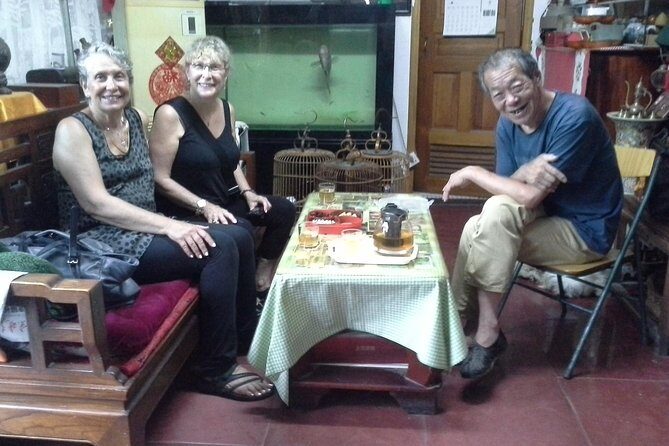
After tai chi, you head into a hutong neighborhood and get that intimate “you’re actually here” view—via rickshaw ride. The lane network in old Beijing isn’t built for fast sightseeing. It’s narrow, and it forces you to slow down and look at what’s around you: courtyard life, local routines, and the scale of everyday buildings.
This is the part of the day that many people remember most, because it’s not a staged photo stop. You’re moving through the neighborhoods like someone would move through them: gradually, at street level, and with a guide pointing out what matters.
Value angle: for a lot of tours, you pay for transport but get no real local pace. Here, the rickshaw is the point. It turns travel time into the experience itself.
One more practical note: hutongs can mean tight turns and uneven pavement. If you have mobility issues, it’s worth asking ahead about the rickshaw ride style and how much walking you’ll do besides the ride. The tour is described as suitable for most travelers, but “most” doesn’t mean “all.”
Seal carving and the local workshop: your hands make the souvenir
Next comes one of the most traditional activities on the itinerary: seal carving. You visit a local hutong workshop and learn how to carve a seal—an art that’s been used for stamping and personal identification for a long time, and that also lives on today in crafts and calligraphy world.
What makes this lesson especially good value is that it’s not a quick demonstration. You learn the skill and take your seal back home as a gift. That means you leave with an item that feels earned, not purchased. Even if your carving isn’t perfect (no one expects perfection), the process gives you a real connection to the craft.
This is also where I think the guide matters. A professional English-speaking guide can translate the meaning behind what you’re doing—why seals have design conventions, what shapes and styles people choose, and how the finished seal gets used. Without that context, carving would just be a hands-on art session. With it, you get a deeper story.
Practical tip: expect small tools and close work. If you’re the type who dislikes getting hands dirty, you might still be fine—just wear something you don’t mind possibly scuffing a bit.
Paper cutting, calligraphy, and classic crafts at the local home
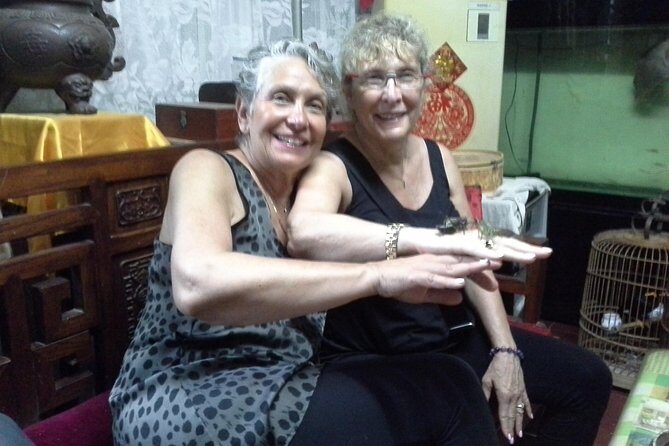
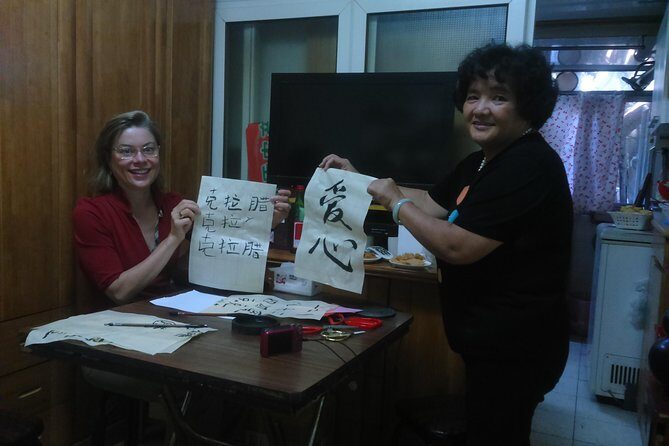
The tour then shifts from the workshop feel to a more learning-and-making atmosphere at a local home. Here, you’re in the right place for the quieter, skill-based arts: Chinese calligraphy and paper cutting.
Calligraphy is a great activity for a first-time China visitor because it teaches you how to read the culture through motion and form. You don’t need to be an artist. You’re practicing strokes, rhythm, and structure. The guide and tutor-led instruction help you understand what you’re trying to do before you start.
Paper cutting adds another layer. It’s detailed, but it’s also forgiving in a way—because the art style encourages creative patterns. Even if you don’t get every cut symmetrical, you’ll still end up with something you made with care.
And yes, there’s room for playful creativity too: you can create a Peking opera mask and fashion a giant panda from clay. Those crafts are perfect when you want a break from careful strokes. They also make the experience feel less like a classroom and more like a real day in someone’s world.
Why I think this combination works: you get both precision and imagination. Calligraphy and paper cutting satisfy the “learn a tradition” part. The mask and clay panda scratch the “I want something fun to take home” itch.
A consideration: if you’re hoping for major museum-level depth in each tradition, a half-day format limits that. But if you want the feeling of multiple arts with instruction and take-home results, this is well built.
Foodie tasting in Beijing: snacks you’ll actually enjoy
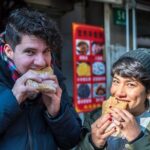
Food is handled in a very practical way: you do a foodie tasting that focuses on recognizable Beijing snacks you can name later. Expect to try things like:
- dumplings
- Beijing Zhajiangmian noodles
- jianbing guozi (crispy pancake)
This matters because some “street food tours” end up being vague or heavy on hard-to-eat items. Here, the food is the kind you can order and recognize again later—so the tasting teaches more than just taste. It helps you understand what to look for in ordinary restaurants when you’re back on your own.
You’ll also have lunch included, and the overall meal portion is described as satisfying, with plenty of food in the day. That’s another reason I like this tour format: you can stay engaged with crafts and activities without turning hungry into cranky.
If you’re sensitive to spice or have dietary limits, this is one place you should ask the guide in advance what’s typical for the specific items they serve. The tour data confirms the snack list, but it doesn’t mention special dietary tailoring.
You can also read our reviews of more private tours in Beijing


Climb the Drum Tower for hutong views before you head back
To close the day, you climb to the top of the Drum Tower and enjoy panoramic views over the hutong neighborhood. This is a smart finish because it gives you a wider perspective after hours of close-up lane wandering.
It also changes the mood: crafts and lessons are hands-on, but the view is a clean payoff. You start to see how the hutong grid connects to major landmarks. Even if you can’t memorize a map, you build a sense of orientation fast.
Then you end the tour with goodbye to your guide, and you can take a taxi back to your hotel from there. Hotel drop-off isn’t included, so plan for that last step.
Small practical note: climbing can be tiring. If stairs are an issue for you, it’s worth asking what the climb involves before booking.
Price and value: what $170 buys you in a private format
At $170 per person for a 5-hour private experience, you’re paying for more than entry tickets. You’re paying for:
- a professional English-speaking guide
- hotel pickup from the downtown area
- tai chi lesson guidance
- a rickshaw ride through hutongs
- hands-on craft lessons (including seal carving)
- lunch and a focused snack tasting
- Drum Tower entrance
In plain terms, the value comes from the amount of guided instruction plus the number of take-home outputs. Many tours charge similar prices for either “see things” or “eat things.” This one tries to balance both, while also giving you practical souvenirs: your seal, your mask, and your clay panda.
Also, it’s a private tour, so you’re not stuck waiting on a large group schedule. That flexibility can make a big difference in a hutong day, where small timing changes can affect how comfortable the lanes feel and how quickly you can move.
Two quick value checks before you book:
- Confirm you’re happy with a half-day structure. One catch people can run into is expecting a full-day cultural marathon and ending up surprised by the shorter format.
- Make sure the start time works for you. One participant was met at around 8:00 am at the Drum Tower Square area, and early timing can be ideal for avoiding crowds.
Who this tour suits best (and who might want a different style)
This experience is a strong fit if you want:
- cultural activities you can do with your hands (not just watch)
- a hutong encounter that’s close and slow, not a rushed bus stop
- a guided introduction that helps you make sense of Beijing beyond the big monuments
- food you can name afterward and recreate your own ordering later
It may be less ideal if you:
- want an all-day plan packed with major sights beyond the Drum Tower area
- prefer passive sightseeing only (this tour is lesson-based)
- need guaranteed hotel drop-off at the end (you’ll taxi from the Drum Tower area)
Should you book this hutong foodie and seal carving tour?
If you want a balanced half-day that mixes tai chi, hutong life, hands-on crafts, and classic Beijing snacks, I’d say yes—especially if you’re a first-timer who wants immediate context and take-home memories.
Book it if:
- you like interactive workshops
- you want a private guide and pickup
- you’re excited by crafts like seal carving, calligraphy, and clay making
- you’re hungry for a real snack list (dumplings, Zhajiangmian, jianbing guozi) plus lunch
Think twice if:
- you’re expecting a full day of sightseeing
- you’re not comfortable with a rickshaw ride and some walking in older lanes
- you require hotel drop-off at the end
If you match those expectations, this tour gives you the kind of Beijing day that doesn’t fade into a checklist.
FAQ
How long is the tour?
The tour is about 5 hours.
Is this a private tour?
Yes. It’s a private tour/activity, so only your group participates.
Does the price include hotel pickup?
Yes. Hotel pickup is included for travelers in the Beijing downtown area.
Does the tour include lunch and snacks?
Yes. Lunch is included, and there’s a foodie tasting with Beijing local snacks such as dumplings, Zhajiangmian noodles, and jianbing guozi.
What hands-on activities will I do?
You can learn Chinese seal carving, and you’ll also take part in arts such as Chinese calligraphy and paper cutting. The experience also includes making a Peking opera mask and a giant panda from clay.
Is Drum Tower admission included?
Yes. Entrance fee of the Drum Tower is included.
Where does the tour start and where does it end?
You’re picked up from your downtown hotel and driven toward the Drum Tower area. The tour ends after the Drum Tower visit, and you can take a taxi back from there. Hotel drop-off is not included.
What’s the cancellation policy?
You can cancel for free up to 24 hours in advance for a full refund. If you cancel less than 24 hours before the start time, the amount paid is not refunded.