REVIEW · SHANGHAI
Shanghai: Chinese Tea Ceremony Experience
Book on GetYourGuide →Operated by Shanghai Glopen Travel Agency · Bookable on GetYourGuide
Tea sounds simple. It is not. This 3-hour Shanghai experience turns Chinese tea culture into a hands-on, sensory lesson with a small group and a real tea master. I like the way you get both explanation and practice, and the blind tasting part keeps you honest about what you actually notice, not what you think you should taste.
Two things I really liked: first, the Song Dynasty whisking and brewing segment is practical, not just show-and-tell. Second, the tasting is structured around China’s three tea classes, so you can connect aroma, texture, and flavor instead of bouncing between random cups.
One consideration: it’s not set up for wheelchair access, and the tasting experience isn’t described as allergy-friendly, so if you have food allergies, you’ll need to skip this one.
In This Review
- Key Things You’ll Notice Right Away
- A 3-Hour Shanghai Tea Lesson in a Group of 8
- What You’ll Do: Welcome, Tea Categories, and a Blind Tasting
- The Hands-On Song Dynasty Whisking and Brewing Moment
- Tasting Like a Pro (Without Pretending You’re a Sommelier)
- Price and Value: Is $143 Worth It?
- Meeting Point, Getting There, and What to Wear
- Who This Chinese Tea Ceremony Is Best For
- What to Do Before You Go (So You Get More From It)
- Should You Book This Chinese Tea Ceremony Experience?
- FAQ
- How long is the Shanghai Chinese tea ceremony experience?
- What is the group size?
- What does the experience include?
- What is the price per person?
- What languages are used during the experience?
- Is transportation included?
- What should I wear or bring?
- Are there any restrictions on what I can bring?
- Is the experience suitable for people with food allergies?
- Is it wheelchair accessible?
- Can I cancel for a refund?
Key Things You’ll Notice Right Away
- Small group, up to 8 people means you actually get attention while you’re whisking and tasting.
- Blind tasting helps you focus on aroma and texture, not labels.
- Three tea classes give you a simple framework to compare teas you try later on your own.
- Song Dynasty whisking and brewing adds a skill element that feels memorable.
- English and Chinese instruction helps you catch the details even if your Chinese is rusty.
- Snacks are included, so you’re not just floating on tea for three hours.
A 3-Hour Shanghai Tea Lesson in a Group of 8
This experience is built around slow, careful attention. You’re not sprinting through Shanghai. You’re sitting (and sometimes standing) long enough to learn how tea changes cup to cup.
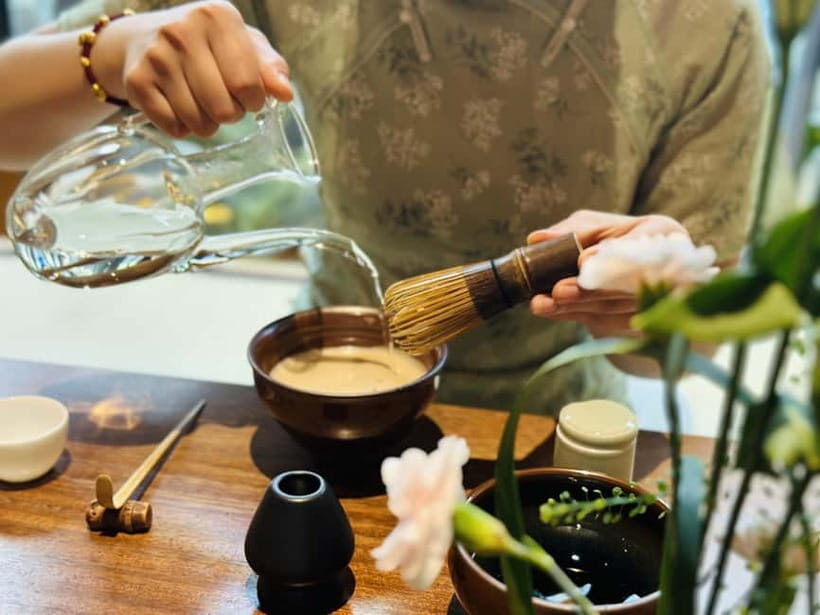
The group size matters. With a maximum of 8 participants, you’re less likely to get stuck watching from the back. In practice, that usually means the tea master can check your technique during whisking and answer your questions while you’re still holding the whisk, not ten minutes later.
It runs for 3 hours, which is just long enough to cover the basics of tasting, do the hands-on Song Dynasty part, and still have time to enjoy the snacks without rushing. You should plan to arrive ready to focus: bring comfortable clothes and shoes, and keep your sense of smell clean by skipping strong perfume.
You can also read our reviews of more tours and experiences in Shanghai.

What You’ll Do: Welcome, Tea Categories, and a Blind Tasting
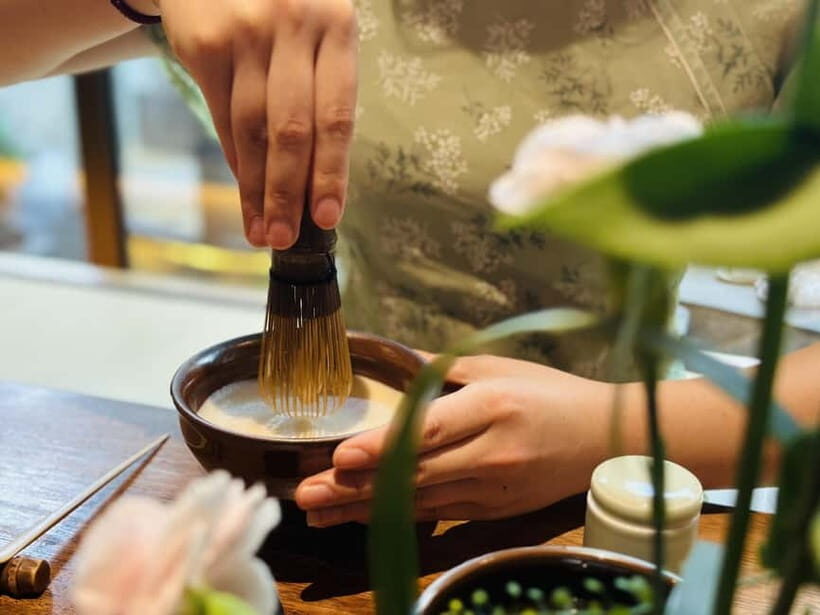
The flow is designed like a guided sensory workout. You’ll start with an introduction to Chinese tea culture—why it’s treated like more than a drink—and then move into tastings that build from general to specific.
At the center is a blind tasting. That means you taste without relying on names, packaging, or expectations. You pay attention to what you can actually detect: the aroma before you sip, the flavor on the tongue, and the texture as it settles. This is where a lot of people learn the most, because it forces you to notice details you might miss when you’re “reading” labels.
Then you explore China’s three tea classes. You’ll taste each category through aroma and flavor, with guidance from the tea expert. Even if you don’t leave knowing every technical term, you should leave with a mental map: how different categories tend to smell and feel, and how those differences show up in a cup.
The blind tasting also helps with confidence. After you’ve compared cups without clues, you can judge better when you later order tea in Shanghai. You’ll know what you like and why, instead of picking based only on what sounds impressive.
The Hands-On Song Dynasty Whisking and Brewing Moment
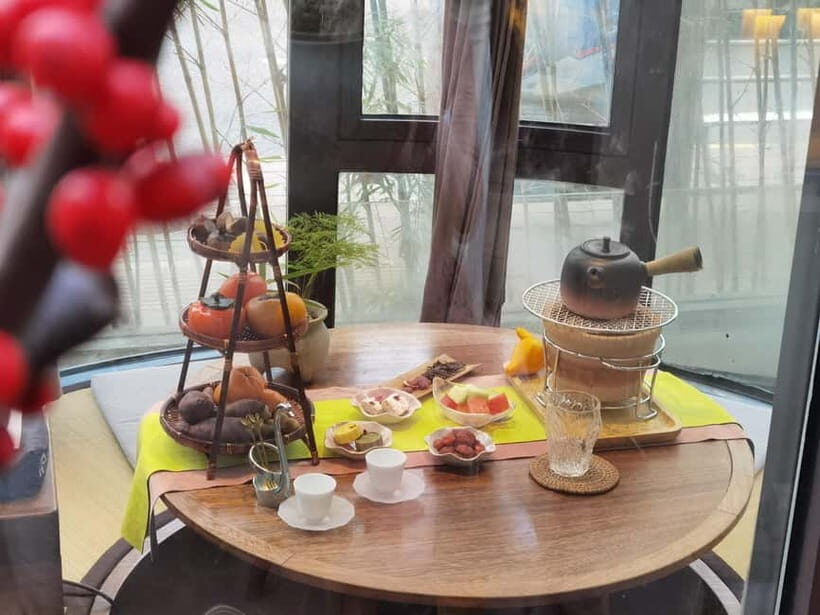
If you’re choosing this experience for one reason, make it this part: Song Dynasty tea whisking and brewing in a small group.
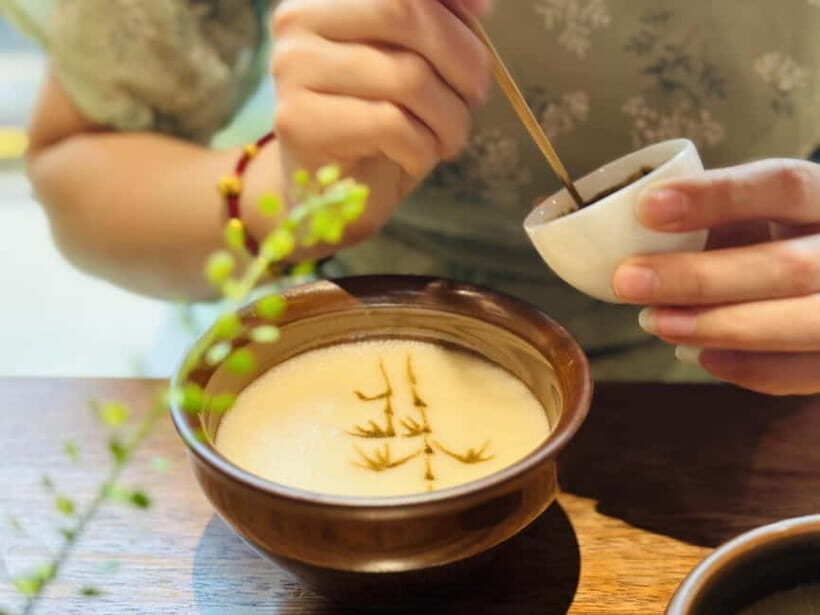
This is not just a performance. You learn the technique and apply it yourself. Whisking is all about control—how you move, how you handle the tools, and how you manage the process so the tea develops the right character. Brewing is where you connect the method to the result, so you can understand the cause-and-effect relationship instead of treating the cup like a mystery.
In a group this size, the tea master can correct your form and give quick pointers. That matters, because whisking can feel awkward at first. Your first attempt probably won’t be perfect. That’s normal. The value is in learning the method and then tasting what changes when you adjust.
If you’ve ever wondered why tea culture is treated like an art, this is the proof. You’re doing something physical and precise, with sensory feedback right in front of you.
Tasting Like a Pro (Without Pretending You’re a Sommelier)
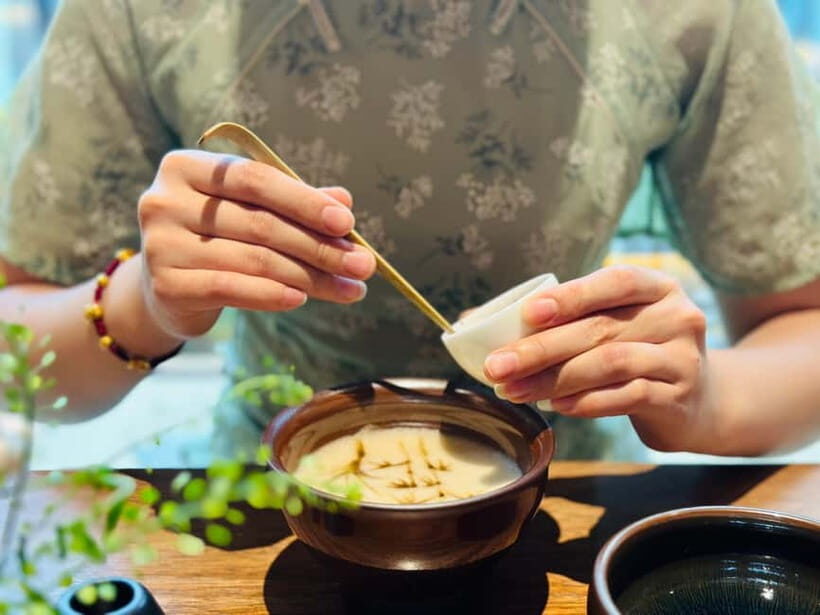
I love that the structure pushes you to slow down. During the tastings, you’re guided to notice how tea behaves. Aroma comes first. Then flavor. Then texture.
Here’s the practical payoff for you: once you train your senses this way, ordering tea becomes easier. Instead of guessing, you can say things like:
- I want a cup with a clearer aroma.
- I prefer smoother texture over something that feels sharper.
- I’m picking based on how it tastes right after the sip, not just how it smells.
Snacks included are part of that learning too. They help you stay comfortable through the three hours so your tasting doesn’t get dulled by hunger. Just remember your own body might react differently. If you have dietary restrictions, you should inform the organizers ahead of time (and if you have food allergies, this activity is not suitable).
Also, keep your prep simple. Avoid strong perfumes. You’re trying to smell tea, not fight someone’s fragrance cloud on your sleeve.
Price and Value: Is $143 Worth It?
At $143 per person for a 3-hour experience with a tea expert, an assortment of Chinese teas, and snacks, you’re paying for guided technique and a structured tasting format—not just a seat in a room.
Here’s how I judge value for something like this:
- You get small-group attention. Up to 8 participants means more real interaction during whisking and tasting.
- You’re not just watching. Hands-on Song Dynasty whisking is the difference between a show and a lesson.
- You taste with purpose. Blind tasting plus three tea classes gives you comparison skills you can use later.
If your goal is simply to drink tea, you could find cheaper options. But if you want to learn how to taste and how to make tea in a traditional way, this price starts to make sense.
Think of it as paying for time with a specialist plus a guided sensory method. For many people, that’s exactly what they want in Shanghai: an activity that feels cultural and specific, not generic.

Meeting Point, Getting There, and What to Wear
The exact meeting point is provided after booking, and it’s near the marked location. That’s typical for city activities, but do yourself a favor: check your confirmation details carefully and plan to arrive a few minutes early.
This is a short session, but wear practical gear. Comfortable shoes matter because you’ll likely move between parts of the experience. Camera is explicitly suggested, and if optional dress-up for photos is offered during your session, you can treat that as a fun extra rather than a requirement.
Bring:
- Comfortable shoes
- A camera
- Comfortable clothes
- Snacks, if you know you personally need extra food support (even though snacks are included)
Don’t bring:
- Smoking items
- Alcoholic drinks in the vehicle
And if you’re sensitive to smell, avoid strong perfume. It directly affects how well you’ll pick up aroma during tasting.
Who This Chinese Tea Ceremony Is Best For
This one fits best if you want a cultural experience that stays practical.
You’ll likely enjoy it if:
- You like tasting experiences where you learn how to notice aroma and texture.
- You want something small-group and interactive rather than a large group lecture.
- You’re curious about traditional tea tools and technique, especially Song Dynasty whisking.
- You’d like an activity that works well for both first-time tea drinkers and people who already order tea confidently.
It’s not for you if:
- You use a wheelchair (not suitable for wheelchair users).
- You have food allergies (not suitable for people with food allergies).
- You want a fast, sightseeing-style stop. This is a sit-and-focus experience.
What to Do Before You Go (So You Get More From It)
A little preparation makes the tea taste better.
1) Think scent control
Skip strong perfume. Tea aroma is subtle, and it’s easy to miss if you’re overwhelmed by other smells.
2) Reset your expectations
You’re not trying to impress anyone with tea knowledge. You’re learning a sensory method. That’s way more fun if you treat it like an experiment.
3) If you have dietary needs, speak up early
You’re advised to inform the organizers about food allergies and dietary restrictions prior to the activity. If you fall under the food allergy category, don’t plan on this experience.
4) Bring curiosity, not pressure
You’ll likely go home with new preferences. That’s the goal. If you like all three categories, great. If you only like one, also great. Your taste is the result.
Should You Book This Chinese Tea Ceremony Experience?
I’d book it if you want a Shanghai activity that’s calm, cultural, and genuinely structured. The big selling points are the blind tasting and the chance to learn Song Dynasty whisking and brewing in a small group. Those aren’t filler features. They change how you understand tea, and they give you something to carry home: better tasting instincts.
Skip it if you need wheelchair access or if you have food allergies. Also skip it if you hate multi-step sensory activities that ask you to slow down.
If none of those apply, you’re getting a focused 3-hour tea education with an expert guide, tea assortment, and snacks, all for a price that—when you factor in hands-on learning—feels fair.
FAQ
How long is the Shanghai Chinese tea ceremony experience?
It lasts 3 hours.
What is the group size?
It is a small group, limited to 8 participants.
What does the experience include?
You get a tea expert guide, an assortment of Chinese teas, and snacks.
What is the price per person?
The price is $143 per person.
What languages are used during the experience?
The instructor speaks English and Chinese.
Is transportation included?
No. Transportation to and from the activity is not included.
What should I wear or bring?
Wear comfortable shoes and comfortable clothes. Bring a camera. The activity also advises bringing snacks.
Are there any restrictions on what I can bring?
No smoking is allowed, and you can’t bring alcoholic drinks in the vehicle.
Is the experience suitable for people with food allergies?
It is not suitable for people with food allergies.
Is it wheelchair accessible?
It is not suitable for wheelchair users.
Can I cancel for a refund?
Yes. There is free cancellation up to 24 hours in advance for a full refund.