REVIEW · SHANGHAI
Shanghai Mahjong Experience: Discover Art of Chinese Mahjong
Book on GetYourGuide →Operated by Hippo Tour Shanghai · Bookable on GetYourGuide
Mahjong has a social rhythm. In Shanghai, this 3-hour session pairs hands-on play with English translation inside a local Chinese tea house vibe, so you’re not just learning moves—you’re learning how the game fits into everyday culture.
What I like most is that you get true beginner-friendly structure: you’ll start with the rules and then work toward playing with a Mahjong master in the same session. I also like that the meeting point is in an easy-to-find, atmospheric area near Tianzifang, so the whole experience feels grounded in the city instead of staged.
One consideration: this is a game lesson, not a sightseeing bus tour. If you’re hoping for lots of photo stops and scenic wandering, you’ll want to plan that separately around your Mahjong time.
In This Review
- Key things you’ll notice
- Where You’ll Meet in Shanghai’s Tea-House Zone
- First Hour Energy: Rules, Terms, and How the Game Actually Flows
- What you should pay attention to as a beginner
- Meeting the Mahjong Master: Strategy Lessons You Can Use Immediately
- The Automatic Mahjong Machines: What They Change (and Why You’ll See Them)
- Mahjong and Family Life: More Than a Game Night
- A practical reason you’ll appreciate the context
- Tea-House Atmosphere: Why the Setting Matters for Learning
- Price and Value: Is $112 per Person Fair for 3 Hours?
- Timing, What to Bring, and How to Make It Click
- Who This Is Best For
- Should You Book the Shanghai Mahjong Experience?
- FAQ
- Is there any prior Mahjong experience required?
- How long is the Mahjong experience?
- What language is used during the tour?
- Where does the tour meet?
- Is this a private group or shared activity?
- Will I get to play Mahjong, or is it only instruction?
- Do we experience automatic Mahjong machines during the session?
- Are drinks and food included?
- Is transportation included?
- Can I cancel, and is there a pay-later option?
- Is the experience wheelchair accessible?
Key things you’ll notice
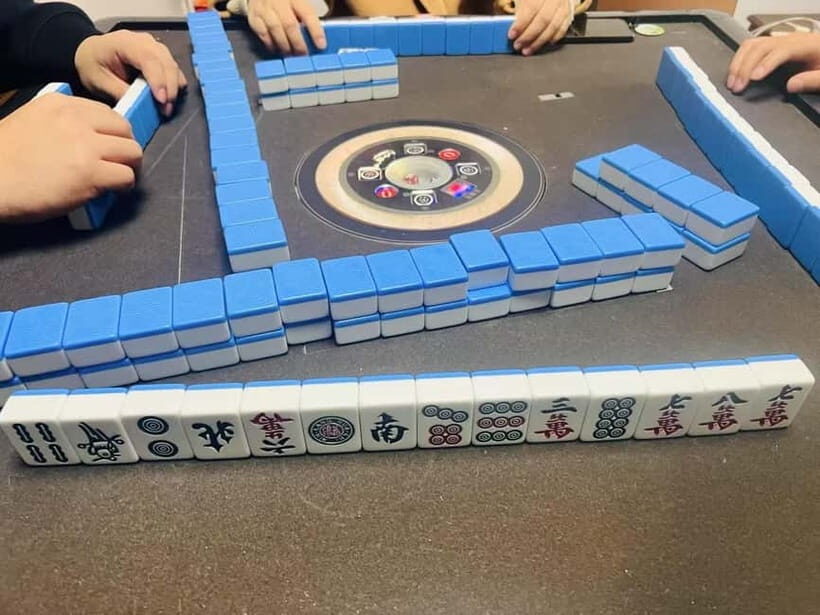
- Private, English-led instruction that keeps the game understandable even if you’re brand new
- Hands-on practice that quickly turns rule talk into actual play
- A Mahjong master session where you’ll learn how real players think
- Automatic Mahjong machines you can experience, used in casual and competitive settings
- A tea-house setting near Tianzifang that makes the learning feel local and relaxed
Where You’ll Meet in Shanghai’s Tea-House Zone
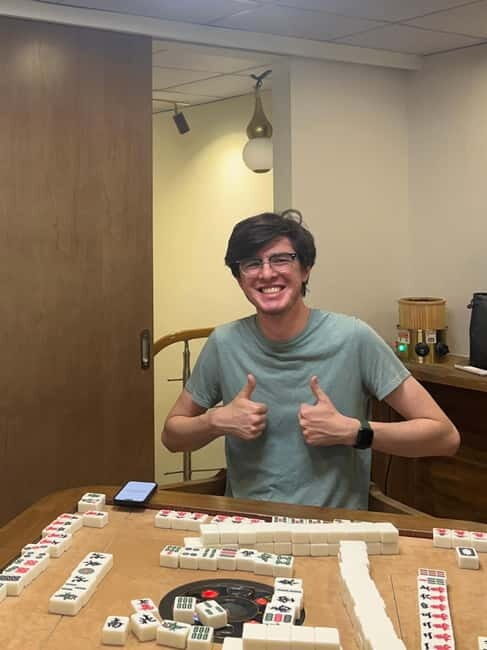
You’ll meet at No. 327 Shan Xi Nan Road (Chinese Tea & Bar), right in the former French Concession area near Tianzifang. That location matters more than it sounds. You’re not starting in a generic studio. You’re starting where Shanghai still feels like Shanghai—small streets, tea-house culture, and an easy transition from city exploring to a quiet, focused activity.
If you’re arriving by metro, there’s also a backup meeting cue: Jia Shan Road Exit No. 2 of Metro Line 9/12 first. Plan to arrive a few minutes early. Tea houses run on their own pace, and you’ll want time to get settled, get your bearings, and sit down before the lesson begins.
Because the tour is private group format, you’ll be able to set a comfortable pace with your guide and translator. That’s a real advantage if you’re the type who needs clarification before moving on.
You can also read our reviews of more tours and experiences in Shanghai.



First Hour Energy: Rules, Terms, and How the Game Actually Flows
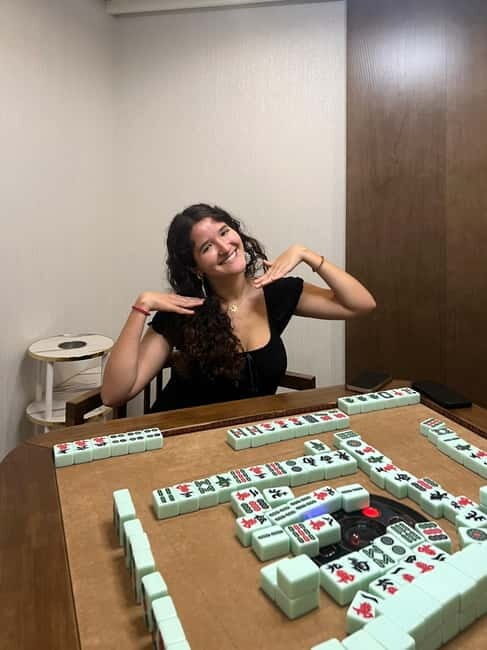
This is a beginner-friendly lesson. The experience is built for people who have no prior knowledge, as long as you show up curious and willing to learn. Your instructor starts with the basics—how the pieces work, what you’re trying to do, and how turns progress—so you don’t just memorize terms.
The big win here is the pacing between explanation and play. Mahjong can feel intimidating because it has a lot of moving parts. In this kind of format, you’ll learn the rules first, then immediately test what you learned. That keeps you from getting stuck in rules-only boredom.
And the English translator is a key ingredient. Mahjong isn’t just math and tiles; it’s also a set of cultural references, naming conventions, and strategy discussions that can get lost without translation. With an expert translator supporting you, you’ll understand what the instructor is saying about not only what to do, but why certain decisions matter.
What you should pay attention to as a beginner
- Turn flow: how the game moves from decision to decision
- Hand-building logic: how players think in patterns rather than random tile picks
- Common terms: so you can follow explanations without guessing
- Strategy hints: even basic tips help you start noticing options
Meeting the Mahjong Master: Strategy Lessons You Can Use Immediately
After the foundation, the session shifts into live play with a professional Mahjong master. This is where the course stops being a classroom and starts becoming a real skill-building experience.
A master-led game changes things fast. In a beginner lesson, you may ask, What is the rule? With a master, you’ll also hear, What’s the practical reasoning? That second layer is what makes Mahjong interesting. You’re learning a sport-like thinking style: watching the board, tracking what might be helpful, and deciding what risk feels worth taking.
You’ll also get the chance to play in a way that feels guided rather than chaotic. The presence of the instructor and translator keeps the session from turning into a language problem, which is a common reason people get frustrated with Chinese games.
One thing I’d encourage you to do: don’t try to win. Try to understand one decision you make each round—what you chose and what information you used. That turns the experience into a learning loop you can repeat at home.
The Automatic Mahjong Machines: What They Change (and Why You’ll See Them)
A standout feature is experiencing China’s automatic Mahjong machines, the kind used in both casual and competitive play. You might not realize how much Mahjong depends on physical handling—tile drawing, arrangement, and pacing—and machines shift that rhythm.
Even if you’re not an equipment person, the machine experience helps you understand why Mahjong is so widely playable. It removes some of the messiness and standardizes the process, which matters when lots of people want to play in social settings or in organized environments.
When you try the machines, watch for two things:
- How the game pace feels different compared with manual sets
- How the interface influences your decisions (what you notice first, how quickly actions happen)
This part is useful because it bridges what you learn in an instruction setting with what you’ll likely encounter later in real-world Mahjong spaces.



Mahjong and Family Life: More Than a Game Night
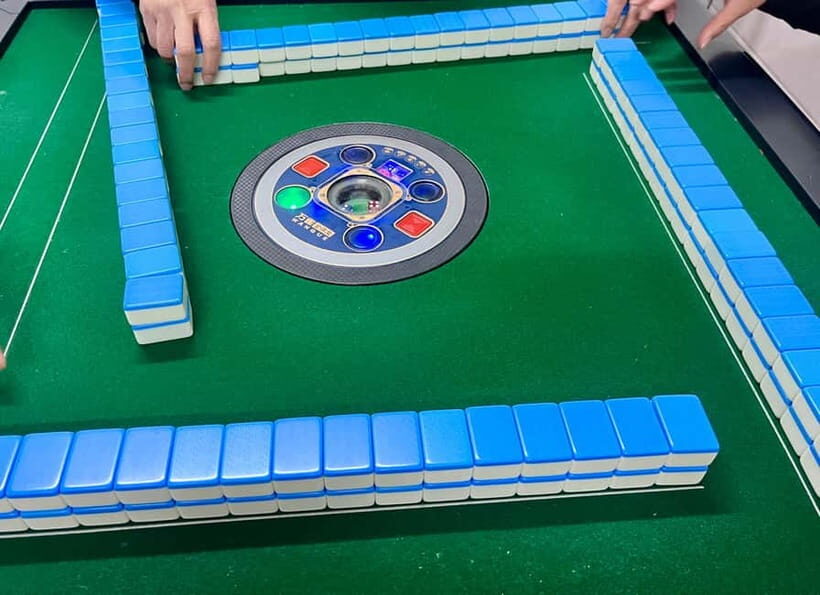
Mahjong is often an essential part of family gatherings in China, and this experience gives you the context to understand that. The lesson includes why Mahjong stays popular across generations—why it’s not only entertainment, but also a social structure.
Here’s the cultural logic that clicks once you’re learning the game. Mahjong gives people a shared activity with built-in conversation time. Between turns, people talk. After rounds, people react. Over a longer gathering, players rotate, teach, tease, and bond. It’s structured play that still leaves room for relationships.
You also get a look at Mahjong’s history—its origins and how it evolved into a modern leisure activity. The goal isn’t a museum lecture. It’s to help you understand why the game carries meaning and why so many families keep it alive.
A practical reason you’ll appreciate the context
Knowing the cultural role of Mahjong makes the rules feel less random. When you understand that it’s designed for social play and shared sessions, the strategy explanations land better. You can see why certain moves or decision styles might be discussed in family circles.
Tea-House Atmosphere: Why the Setting Matters for Learning
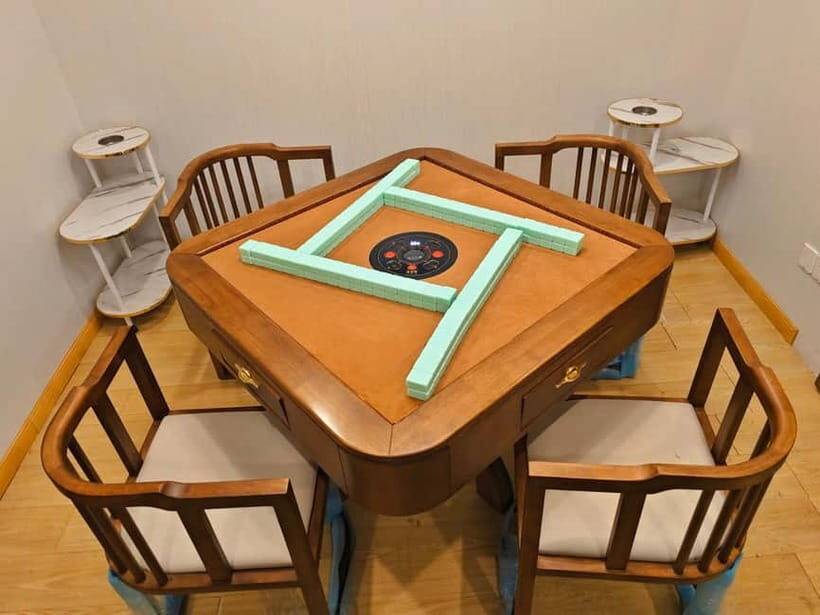
The experience takes place at a Chinese Tea & Bar near Tianzifang, and tea-house culture is part of the comfort factor. In a relaxed setting, you’ll be more willing to ask questions, make mistakes, and laugh at the inevitable first-round confusion.
From what I’d expect in this kind of session, you’ll likely experience tea service as part of the tea-house environment. The tour information says drinks & food are not included, though, so treat tea like it’s part of the ambiance rather than something you should assume is fully covered. If you’re counting on specific beverages, ask ahead.
Either way, tea-house learning tends to work well because Mahjong is a thinking game. A quiet room with a comfortable pace makes it easier to focus on hands, not stress over timing.
Price and Value: Is $112 per Person Fair for 3 Hours?
At $112 per person for 3 hours, you’re paying for more than tiles on a table. You’re paying for structured instruction, live play support, and English translation—plus time with a professional Mahjong master.
That price can feel steep if you think of Mahjong as a casual street game. But Mahjong is also a skill with layered rules, and the translator saves you from the common problem of learning a game while missing half the conversation.
So the value equation looks like this:
- You get rule instruction suited for beginners
- You get to practice, not just listen
- You get translated strategy talk
- You get machine time and a master-led game
If you’d normally spend money on a language workaround, guide time, or a classroom lesson only to still feel lost during play, this bundled approach tends to be a better deal. If you hate sitting and learning, you might want to consider whether Mahjong is your kind of activity—but if you like games, this is a smart way to get started with real context.
Timing, What to Bring, and How to Make It Click
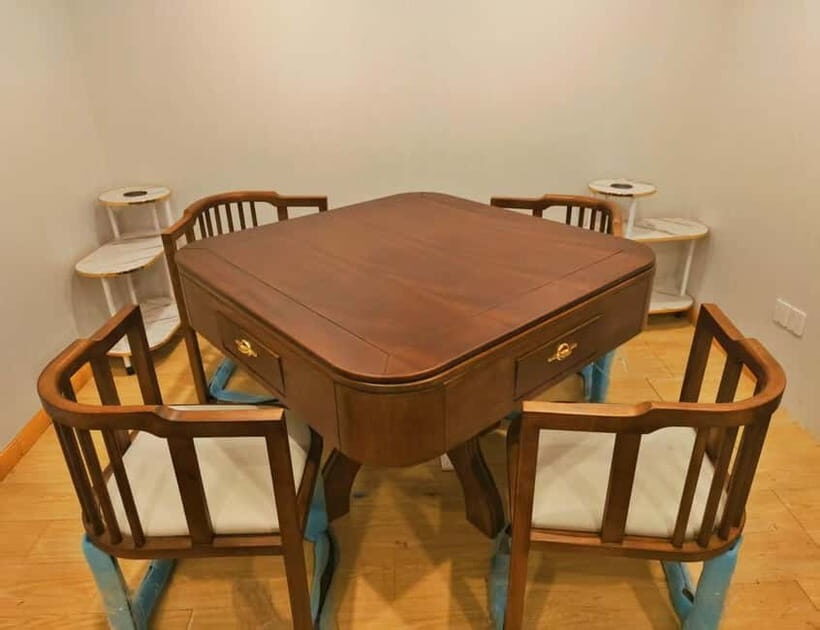
The session runs for 3 hours, and the overall structure is: learn foundations, follow translated explanations, then play with professionals while experiencing automatic machines and cultural context.
To make it go smoothly:
- Wear something comfortable for a seated game.
- Arrive on time so you don’t feel rushed during the first explanations.
- Have a curious attitude. Mahjong rewards attention and patience.
- If you’re camera-heavy, keep in mind this is a learning activity. You’ll get better results by focusing on the table.
Also, don’t underestimate the mental benefit angle. The tour notes that Mahjong engages concentration, memory, and strategic thinking. Even if you’re not chasing health benefits, that mental engagement is part of why the game is addictive in the best way: it keeps your brain active without feeling like studying.
Who This Is Best For
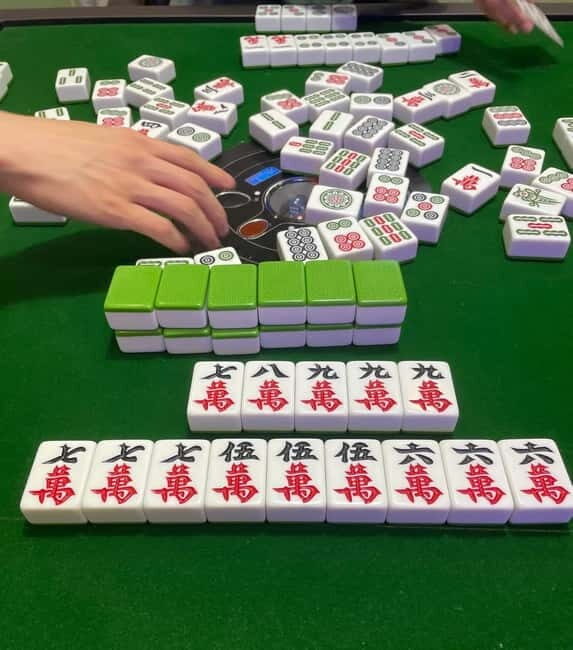
This experience is ideal if you:
- Are a beginner and want a structured start, not a tutorial video
- Want to play, not only watch
- Appreciate translated explanations so you understand the logic and culture
- Like tea-house atmospheres and prefer calm, local settings
- Want a mental-challenge activity after seeing major city sights
It may not be the best fit if you:
- Want a high-volume sightseeing day with many stops
- Dislike board-style games or long seated learning time
- Prefer self-guided activities with no instruction
Should You Book the Shanghai Mahjong Experience?
I think you should book this if you want Mahjong to be more than a novelty. The combination of beginner instruction, English translation, and time with a Mahjong master is what turns it into a real skill experience. Add in the automatic machines and the tea-house setting near Tianzifang, and it becomes a genuinely Shanghai-style evening or afternoon activity.
Skip it only if your priority is sightseeing-first. This is game-first. When you accept that, you’ll get the most value: you’ll leave with rules you actually understand and a new game you can talk about confidently back home.
FAQ
Is there any prior Mahjong experience required?
No. The experience is designed for beginners, and you can join with no prior knowledge as long as you’re ready to learn.
How long is the Mahjong experience?
It lasts 3 hours.
What language is used during the tour?
The tour is conducted in English, including professional English translation.
Where does the tour meet?
You meet at No. 327 Shan Xi Nan Road (Chinese Tea & Bar). There’s also a listed alternative point: Jia Shan Road Exit No. 2 of Metro Line 9/12 first.
Is this a private group or shared activity?
It’s a private group experience.
Will I get to play Mahjong, or is it only instruction?
You’ll get hands-on play time, including playing with a professional Mahjong master.
Do we experience automatic Mahjong machines during the session?
Yes. You’ll have the chance to experience China’s automatic Mahjong machines, which are used in both casual and competitive play.
Are drinks and food included?
Drinks & food are not included.
Is transportation included?
Transportation isn’t included. Pick-up and drop-off can be arranged upon request at an additional cost.
Can I cancel, and is there a pay-later option?
You can cancel up to 24 hours in advance for a full refund, and you can reserve now and pay later.
Is the experience wheelchair accessible?
Yes, it is listed as wheelchair accessible.