REVIEW · SHANGHAI
Shanghai: Yu Garden and City God Temple Walking Tour
Book on GetYourGuide →Operated by Shanghai Guided Tours · Bookable on GetYourGuide
Shanghai can feel like two cities at once. You see the old streets beside the new, and the details are the point on this 3-hour walking tour around Yu Garden and the City God Temple area.
I especially love the pairing of a top-tier private garden with a living, local temple-market scene. You’ll also get real guidance on food and taste—especially if you pick the optional soup dumpling stop—plus time for high-end Chinese tea in a local shop. The only catch: Yu Garden and City God Temple entrance tickets are not included, so you’ll want to budget a little extra beyond the tour price.
In This Review
- Key highlights that make this walk worth it
- First stop: meeting at Renaissance Shanghai Yu Garden Hotel
- The $60 value: three hours with garden, temple-market, tea, and optional food
- Inside Yu Garden: where the design turns into a slow, satisfying walk
- Yu Garden Old Street: bargains, crafts, and the rhythm of daily life
- Tea tasting: how a tea shop stop becomes part of the story
- City God Temple: Taoist beliefs and why the market grew around it
- Soup dumplings (Xiaolongbao): the optional snack that’s actually the lesson
- Guides who make the difference: Patrick, Leo, and Linda’s strengths
- What to bring (so you don’t suffer halfway through)
- When this tour fits you best
- Should you book Shanghai: Yu Garden and City God Temple Walking Tour?
- FAQ
- Where do I meet the guide for this tour?
- How long is the tour?
- Is the soup dumpling tasting included?
- Are entrance tickets for Yu Garden and City God Temple included?
- Does the tour run in rain?
- Is hotel pickup available?
Key highlights that make this walk worth it
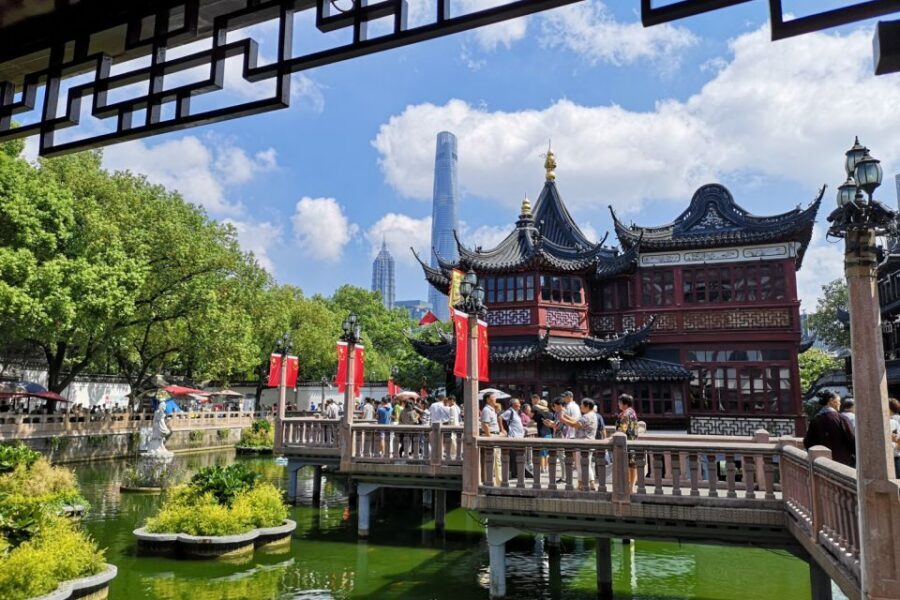
- Yu Garden as a masterclass in classic private garden design
- City God Temple and Taoist beliefs explained the way locals understand them
- Tea tasting at a local shop, not just a quick stop
- Optional Xiaolongbao tasting with guidance on broth, filling, and dumpling texture
- Old Street browsing with porcelain, wood crafts, and jewelry crafts
- Practical advice for bargaining if you decide to shop
First stop: meeting at Renaissance Shanghai Yu Garden Hotel
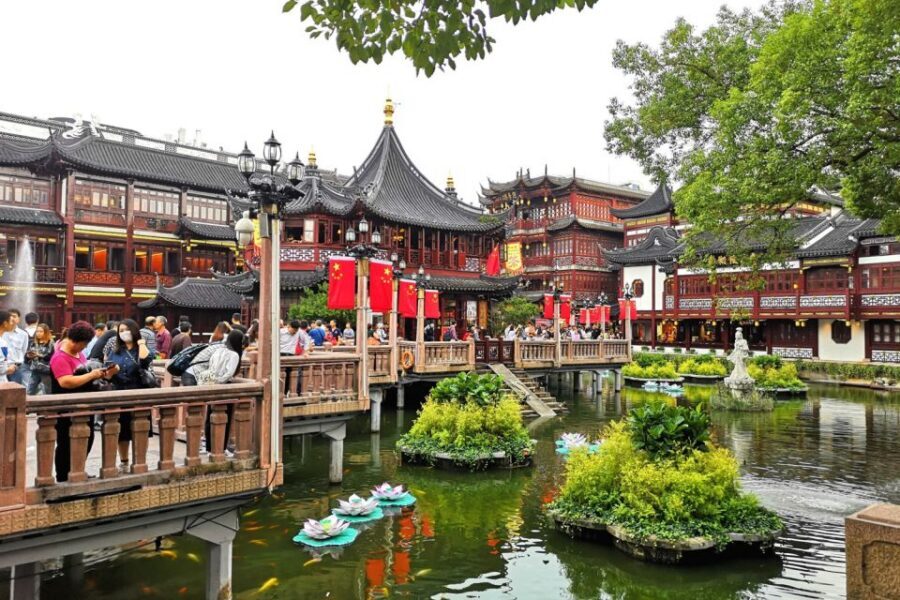
This tour is built for convenience right from the start. You meet your guide in front of the main door of Renaissance Shanghai Yu Garden Hotel (上海豫园万丽酒店). It’s about a 5-minute walk from Exit 1, Yuyuan Garden Station (Metro Line 10).
When I look at tours like this, I care about one thing: can you find the person leading the walk quickly? Here, the guide holds a GetYourGuide logo with your name, so you’re not stuck guessing. If you selected hotel pickup, that’s handled too—just know that pickup isn’t always part of the base experience.
What I like: the meeting spot puts you close to the area you’ll be exploring, so you don’t waste time in transit before you even start seeing the sights.
You can also read our reviews of more walking tours in Shanghai


The $60 value: three hours with garden, temple-market, tea, and optional food
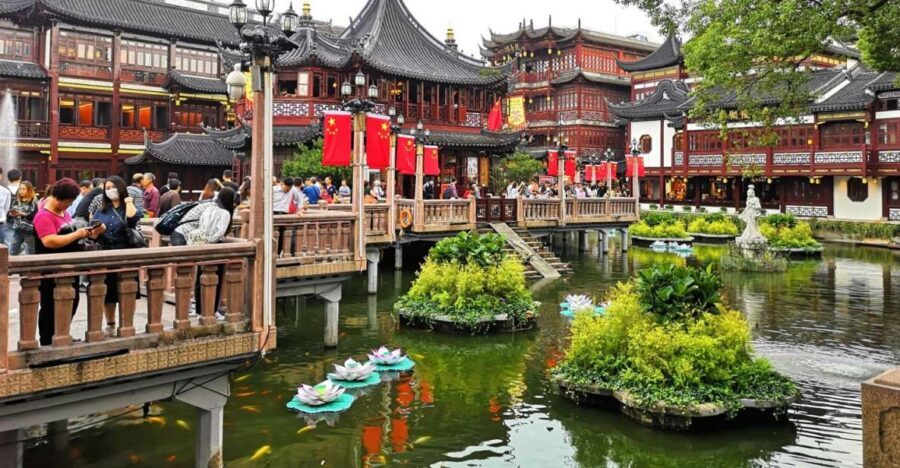
At about $60 per person for a 3-hour walking tour, the value comes from the mix. You’re paying for a professional guide plus interpretation that helps you understand what you’re looking at—especially at the temple and with the tea and dumplings.
Here’s what’s included, and what to plan for:
- Included: professional guide, soup dumpling tasting if you choose the snack option, and hotel pickup if selected
- Not included: entrance tickets for Yu Garden and City God Temple, plus drinks
That “not included” part matters. If you’re trying to keep your budget tight, check the tickets before you go so there are no surprises. Still, paying for tickets separately is normal for this kind of sight-focused tour, and the guided time is what justifies the price.
Inside Yu Garden: where the design turns into a slow, satisfying walk
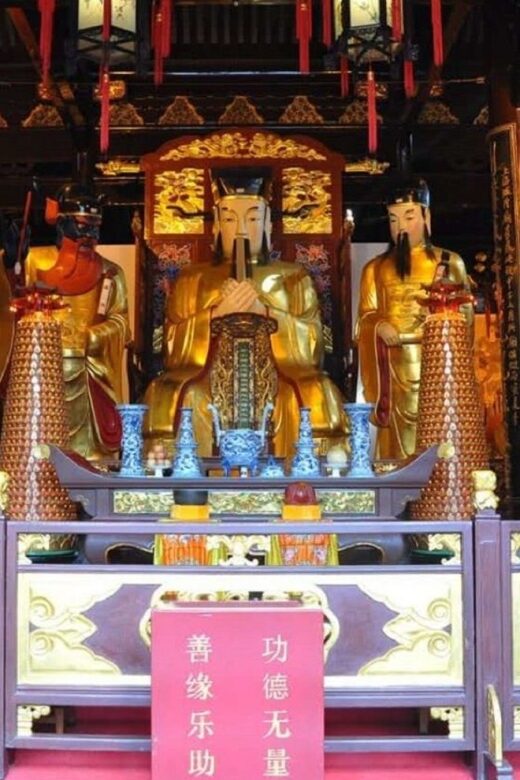
Yu Garden is the anchor of the morning. This is one of Shanghai’s finest private gardens, famous for classic garden design—think paths, pavilions, and carefully arranged scenery that makes you change pace as you move.
What you’ll experience on the ground:
- Guided wandering through the garden area, with time to actually look
- A chance to connect the garden’s layout to why it feels peaceful even while the city around it keeps going
- The opportunity to see why it’s such a well-known destination, without turning the visit into a rushed checklist
A key advantage here is the guided pace. Alone, it’s easy to treat a place like Yu Garden like a photo stop. With a guide, you’ll get context so you notice the reasons behind the scenery and not just the views.
A practical note: wear comfortable shoes. You’re walking for several hours, and garden paths don’t always match what your city sneakers are used to.
Yu Garden Old Street: bargains, crafts, and the rhythm of daily life
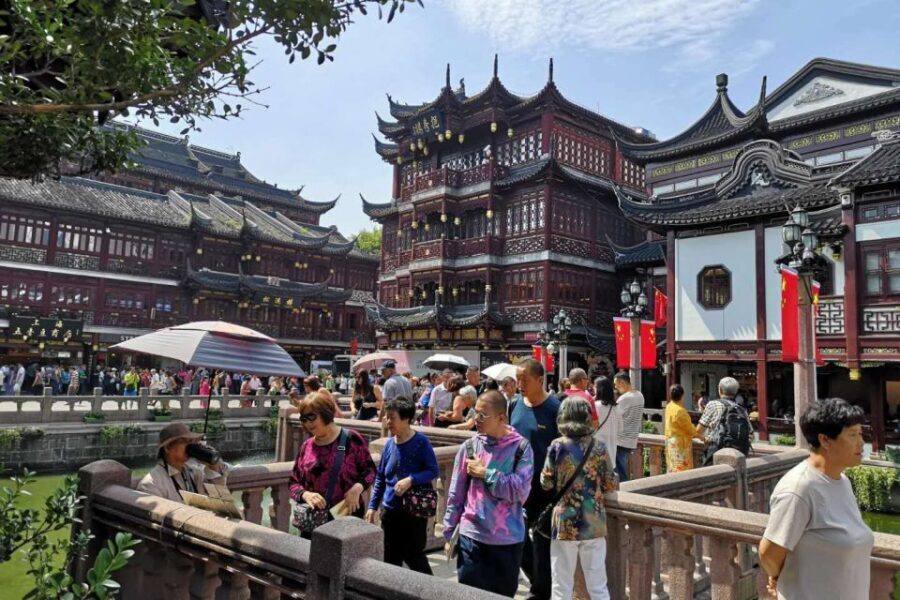
After the garden, you step into the surrounding street world—often full of ordinary people going about their day. This is where the tour shifts from “sightseeing” to “Shanghai.”
You’ll walk down lively streets and see small shops, including family-run spots where you can browse and rummage for bargain items. If you’re the type who likes to shop—but also likes to not feel clueless—this tour helps.
Your guide can show you:
- Porcelain art shops
- Wooden craft stalls
- Jewelry crafts in the bazaar-style area
- How to bargain for a better price if you want to shop
Even if you don’t buy anything, this section is useful. It’s a real-world contrast to the garden: the temple and market area operate by everyday momentum, and you get a better feel for what’s there when a local explains the vibe and what the shops sell.
Tea tasting: how a tea shop stop becomes part of the story
One of the easiest ways to get a shallow tour experience is when “food and culture” turns into a photo and a quick sip. Here, tea is treated as its own moment.
You’ll have an opportunity to taste various high-end Chinese teas in a local tea shop. The point isn’t just tasting leaves; it’s learning what you’re tasting and how tea fits into local daily life.
What I think makes this valuable for you:
- It breaks up the walking so you recharge
- It gives you a more personal experience than a generic souvenir break
- It adds flavor to the cultural understanding you’re building through the garden and the temple
If you’re a tea person, you’ll like this stop. If you’re not, you’ll still come away with at least a few new ways to talk about what tea tastes like—beyond good or bad.
You can also read our reviews of more city tours in Shanghai






City God Temple: Taoist beliefs and why the market grew around it
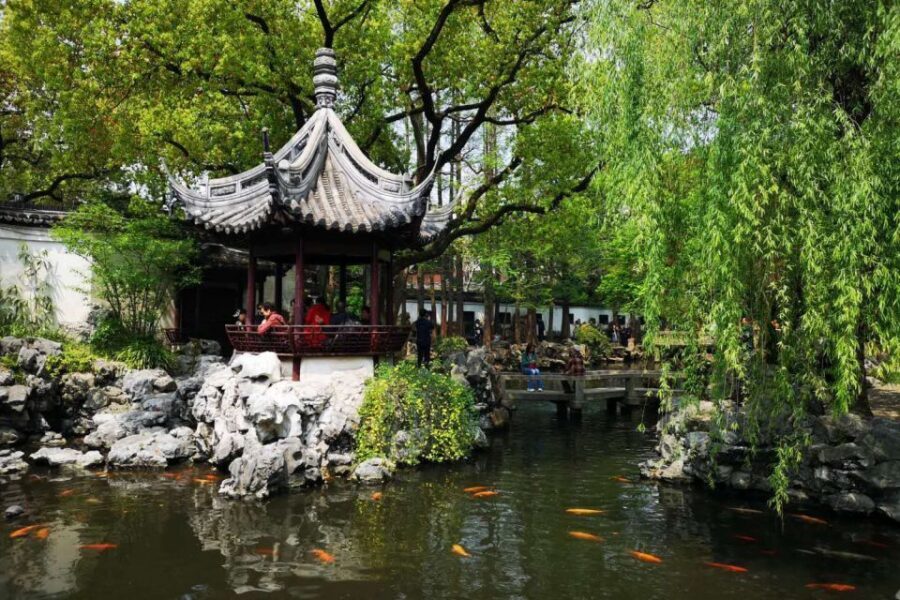
Next comes the City God Temple, and this is where the tour turns from scenery into belief and community.
You’ll learn about Chinese Taoist beliefs—especially why local residents visit to pray for good fortune and peace. That’s not just a background detail. It explains why the area became a magnet for business: people gather around the temple, and over time, commerce forms around the flow of worshippers.
On this section, expect:
- A visit to the temple area with explanation of how locals use it
- A walk through the surrounding streets that have turned into a traditional marketplace because the temple attracts crowds
- More chances to notice how the same place can be both sacred and practical
A balanced way to think about this: the temple gives the cultural frame, and the marketplace shows you what life looks like around it. You’re not only looking at a monument; you’re seeing why people keep coming back.
Soup dumplings (Xiaolongbao): the optional snack that’s actually the lesson
If you choose the optional snack option, this part is the payoff—because it’s guided tasting, not just eating.
You’ll get a chance to taste soup dumplings (Xiaolongbao) and learn what makes them good. Your guide can explain:
- The broth flavor and how to notice its consistency
- How to judge the meat filling quality
- What to look for in the dumpling skin texture
That guidance matters. Xiaolongbao can be messy if you don’t know what you’re aiming for, and it’s hard to judge quality if you don’t have a framework. With a guide setting expectations, you’ll taste more thoughtfully and spend less time guessing.
Also, this tour makes food part of the pacing. You’re still walking and visiting stops, but the snack moment keeps the experience from feeling like a nonstop sightseeing sprint.
Guides who make the difference: Patrick, Leo, and Linda’s strengths
The best tours aren’t just about locations—they’re about how the guide turns those locations into something you understand.
From the experiences shared with the tour provider:
- Patrick delivered a very strong overall walking tour experience, with visitors impressed by his work.
- Leo is noted for adding a lot of historical information beyond the main Yu Garden focus, which helps you connect Shanghai’s present look to the layers underneath it.
- Linda stood out for extra care—making sure the group saw what there was to see and helping guests with getting back to their taxi after the tour. She’s also praised for making sure people got enough dumplings that one guest skipped an evening meal.
The practical takeaway for you: choose this tour if you want context, not just movement. Based on the guide feedback, you’re likely to get explanations that extend beyond the obvious and a guide who pays attention to how your visit feels.
What to bring (so you don’t suffer halfway through)
This is a walking-focused tour, rain or shine. Bring:
- Comfortable shoes
- Passport or ID card (a copy is accepted)
Because it runs in all weather, pack a light rain layer if you’re traveling in rainy seasons. And if you’re planning to shop, consider bringing a small bag you can keep with you while you walk.
When this tour fits you best
You should strongly consider this experience if:
- You want classic Shanghai in a short time without doing it alone
- You like gardens and local religion/market culture as two sides of the same neighborhood
- You enjoy food with explanation, especially dumplings
- You’re curious about tea beyond basic tourist sampling
It may not be ideal if:
- You hate walking for 3 hours
- You expect all entrance fees to be included in the headline price
- You’re only interested in one specific thing (like only the garden, only the temple, or only shopping)
Should you book Shanghai: Yu Garden and City God Temple Walking Tour?
Yes, I’d book it if your goal is a guided, structured walk that connects Shanghai’s old-world design (Yu Garden) with living belief and daily commerce (City God Temple area), while also giving you a real tasting moment through tea and optionally soup dumplings.
Book it especially if you like the idea of a guide who adds context and keeps the experience smooth—from meeting point to getting you fed and moving at a good pace. Just plan for entrance tickets you’ll pay separately, and wear shoes built for uneven garden and market walking.
If you want a practical way to see more than the postcard version of Shanghai in just a few hours, this tour does that well.
FAQ
Where do I meet the guide for this tour?
Meet your guide in front of the main door of Renaissance Shanghai Yu Garden Hotel (上海豫园万丽酒店). The guide will hold a GetYourGuide logo with your name. It’s about a 5-minute walk from Exit 1 of Yuyuan Garden Station (Metro Line 10).
How long is the tour?
The tour lasts about 3 hours.
Is the soup dumpling tasting included?
Soup dumpling tasting is included if you select the optional snack option.
Are entrance tickets for Yu Garden and City God Temple included?
No. Entrance tickets for Yu Garden and City God Temple are not included in the tour price.
Does the tour run in rain?
Yes. The tour takes place rain or shine.
Is hotel pickup available?
Hotel pickup is available if you choose that option. Hotel drop-off is not included.