REVIEW · SHANGHAI
3-hour breakfast walking tour in former French Concession
Book on GetYourGuide →Operated by Shanghai Foodie · Bookable on GetYourGuide
Shanghai breakfast tastes better on foot. This 3-hour walk through the former French Concession gives you over 10 breakfast samples plus local context in a street-level route. It’s an easy way to learn how Shanghainese breakfast really works, one bite at a time.
I love the small-group pace and the way the guide ties food to everyday neighborhood life. One drawback to plan for: there’s no hotel pickup, so you’ll need to make your way to the meeting point at Metro Line 1, South Huangpi Road (Exit 2) or via Didi to Xintiandi.
In This Review
- Key things that make this breakfast walk work
- Breakfast in Shanghai’s former French Concession: the setting matters
- Meeting point and getting there without stress
- What you’ll eat: 10+ breakfast bites (and why it’s more than food)
- Why the “breakfast theme” is valuable
- A tour built for walking: how the route usually feels
- The guide experience: how you get real value from the tastings
- Stop-by-stop expectations (the key moments)
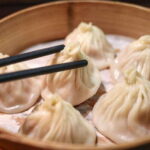
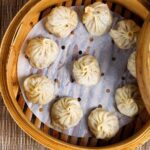
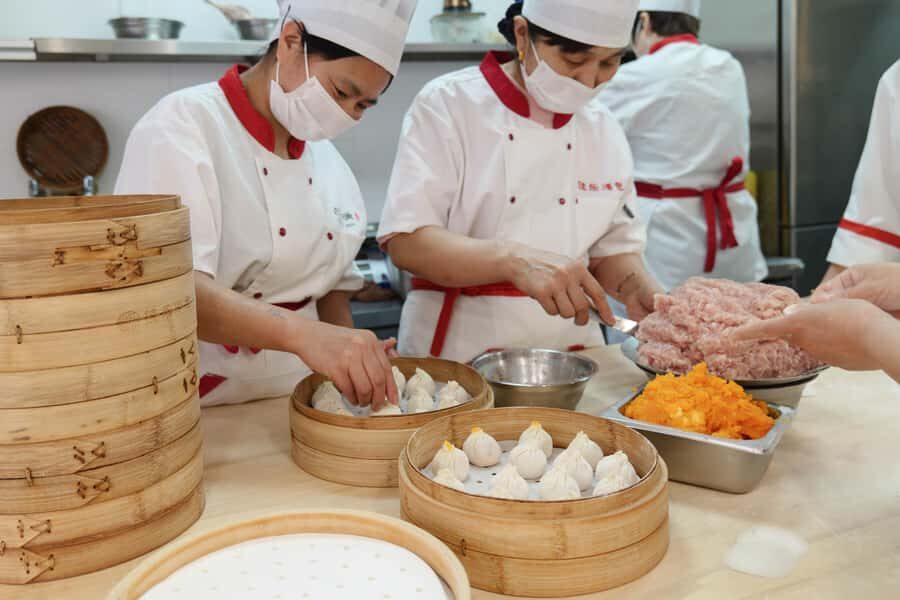
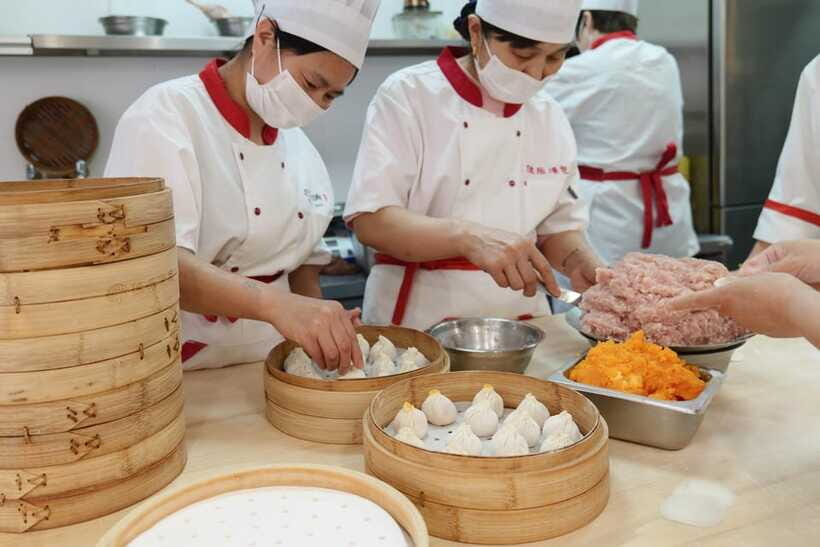
- Soup dumplings: starting with steam and flavor
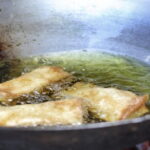
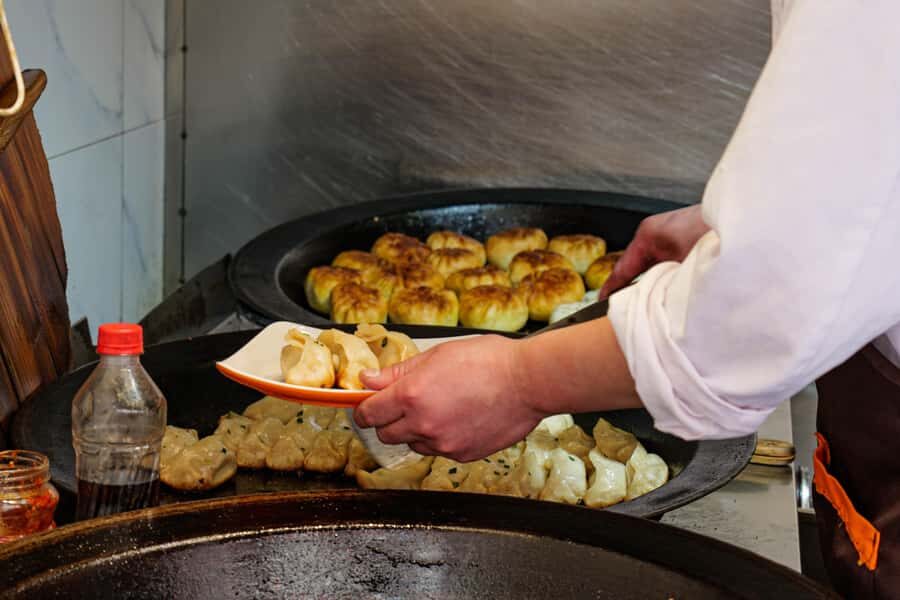
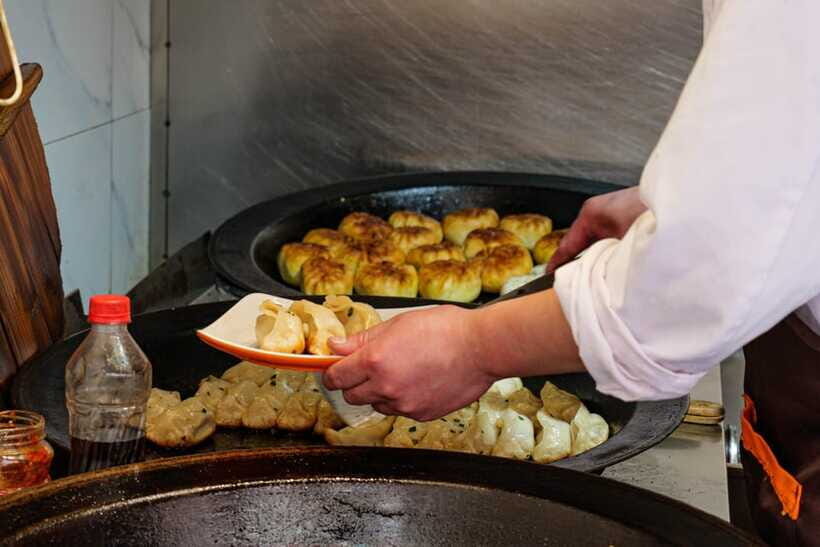
- Sheng jian bao: learning crisp-bottom dumpling logic
- Savory noodles: breakfast comfort with structure
- Jian bing: street food energy, eaten like locals
- Curry soup: a warming curveball
- Tea and coffee stops: the break that teaches culture
- Price and value: why $77 can make sense here
- Who this tour is for (and who it might not be)
- What to bring and how to get the most out of it
- Should you book this breakfast walking tour?
- FAQ
- How long is the breakfast walking tour?
- What does the tour cost?
- How many breakfast items will I try?
- What’s included in the price?
- Where do I meet the guide?
- Is hotel pickup or drop-off included?
- What languages are offered?
- Is the tour wheelchair accessible?
- Can I cancel for a refund, and can I reserve without paying now?
Key things that make this breakfast walk work
- Former French Concession lanes: historic streets with present-day food culture
- 10+ breakfast samples: classic dumplings, crispy-bottom buns, noodles, and more
- Tea and coffee stops: tastings at independently run places, not chain-style stops
- Local guide stories: food served with context about the area and daily life
- Small-group format: less waiting, more conversation and questions
Breakfast in Shanghai’s former French Concession: the setting matters
If you’ve only seen Shanghai from big sights and wide boulevards, breakfast here feels different. The former French Concession has a quieter rhythm: older lane patterns, local storefront energy, and small places where people actually start their day.
This tour is built around that mood. You’re not stuck in a single restaurant. Instead, you walk between breakfast counters and neighborhood eateries, so you get a feel for how the area functions before the rest of the city fully wakes up.
You can also read our reviews of more walking tours in Shanghai
Meeting point and getting there without stress
The start is clear and transit-friendly. Meet at Exit 2 of South Huangpi Road station on Shanghai Metro Line 1 (地铁一号线一大会址-黄陂南路站二号出口). Your guide should be waiting right at the spot.
If the metro is not your thing, you can also take Didi to No. 333 Huaihai Road, in front of the main entrance of Xintiandi Plaza (新天地广场正门口). This is helpful if you’re coming from the hotel already on that side of town.
Since there’s no hotel pickup, aim to arrive a little early. Breakfast tours move faster than you expect once the tastings begin.
What you’ll eat: 10+ breakfast bites (and why it’s more than food)
The promise is simple: you try over 10 breakfast options, guided and paced for walking. The menu highlights include:
- soup dumplings
- sheng jian bao (crispy-bottom dumplings)
- savory noodles
- traditional Chinese tea
- jian bing (savory crepe)
- curry soup
That’s a strong lineup for one morning. Dumplings and crispy buns give you texture and technique. Noodles and curry soup help you understand how breakfast can be warm, filling, and savory rather than just sweet pastry energy. Jian bing adds the street-snack element, where speed and flavor matter.
The tour also includes food and drinks, and reviews frequently point out tea and coffee stops at independently owned places. That matters because these drinks are part of the local routine, not just a break between bites.
Why the “breakfast theme” is valuable
Breakfast in Shanghai has its own personality. It’s not the same as dinner translated into smaller portions. The flavors lean into savory comfort, crisp + juicy contrasts, and hot drinks that reset your palate for the next stop.
By the end, you’re not just full. You’re better equipped to order confidently later.
A tour built for walking: how the route usually feels
A 3-hour walking tour sounds short, but breakfast sampling changes your pace. You’re moving, standing, chatting, tasting, and moving again. The benefit is you get the feel of the area without turning the morning into a marathon.
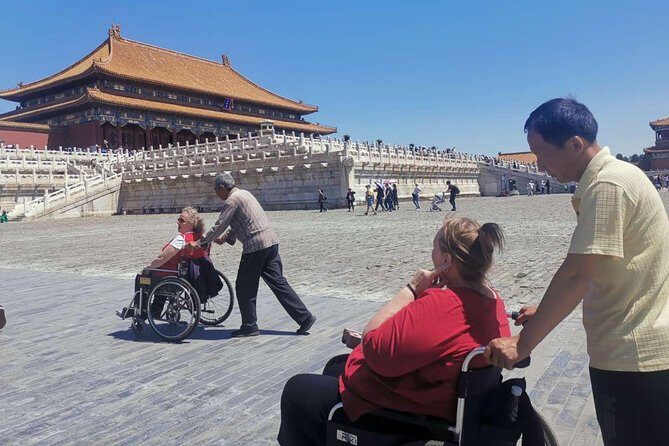
This tour is also described as wheelchair accessible. Still, bring the mindset of a morning walk: comfortable shoes help, and you’ll likely spend time standing during tastings.
Group size is kept small. That usually means less time waiting around and more time for the guide to explain what you’re eating and why it shows up at breakfast.
A few more Shanghai tours and experiences worth a look



The guide experience: how you get real value from the tastings
The guide is a big part of why this tour earns such consistently high marks. People mention guides like Jim and Jade for being friendly and easy to talk to, plus genuinely passionate about sharing the city.
What you’re looking for in a food tour is usually two things:
- The guide can help you understand what you’re tasting.
- The guide can point you to places you would never find alone.
This tour aims for both. Reviews describe routes that include history and context, plus stops in spots locals actually use. You’ll also have time to ask questions about daily life in Shanghai, which helps the food land in a wider picture instead of being just a checklist of dishes.
Stop-by-stop expectations (the key moments)
You don’t get a printed menu-style itinerary in the details provided, but you can plan your morning around the major tastings and the kind of places you’ll visit. Here’s how the tour typically unfolds in memorable moments:
Soup dumplings: starting with steam and flavor
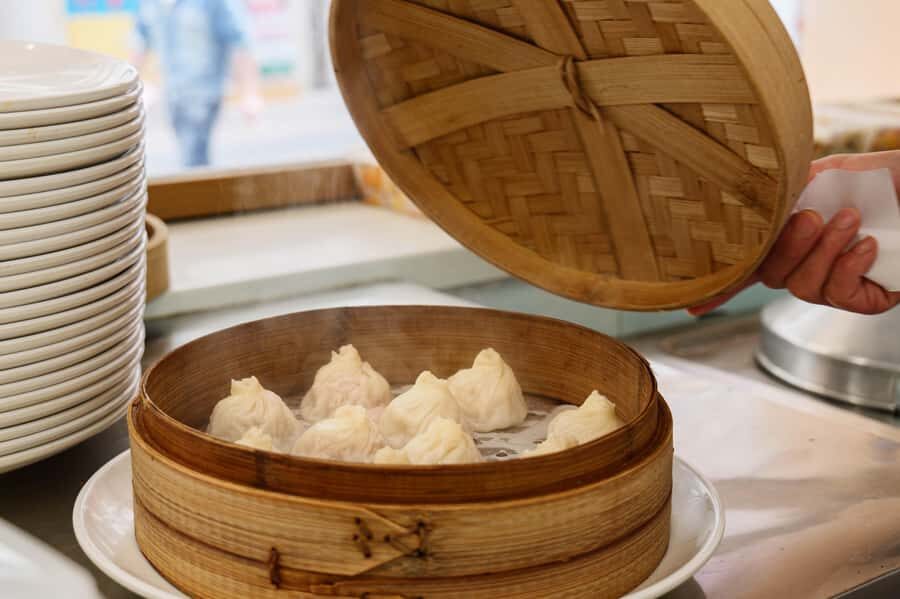
Soup dumplings are the classic “first big wow.” You’ll get to focus on the part that matters: the hot broth inside and the delicate wrapper that can go from perfect to messy fast if you rush.
What I like about this kind of start is that it teaches you attention. Take a careful bite, feel the temperature, and pay attention to texture. Then you’ll be ready for the next dish without guessing what you’re meant to notice.
Sheng jian bao: learning crisp-bottom dumpling logic
Next comes sheng jian bao, the crispy-bottom dumpling that flips the dumpling script. The magic is the contrast: a firm base, then a tender interior.
This is also a good moment to ask questions. A smart guide can explain how they’re cooked and what makes them different from other dumplings. You’ll leave with a mental model you can use when you see sheng jian bao on a menu later.
Savory noodles: breakfast comfort with structure
Noodles help round out the morning. They’re filling, but they also show you how Shanghai breakfast can be savory and hearty without being heavy in the way some western breakfasts are.
Expect this stop to be more about balance than showmanship. If the tour includes different noodle styles, you’ll likely notice how sauce, broth, and toppings change the character of the dish.
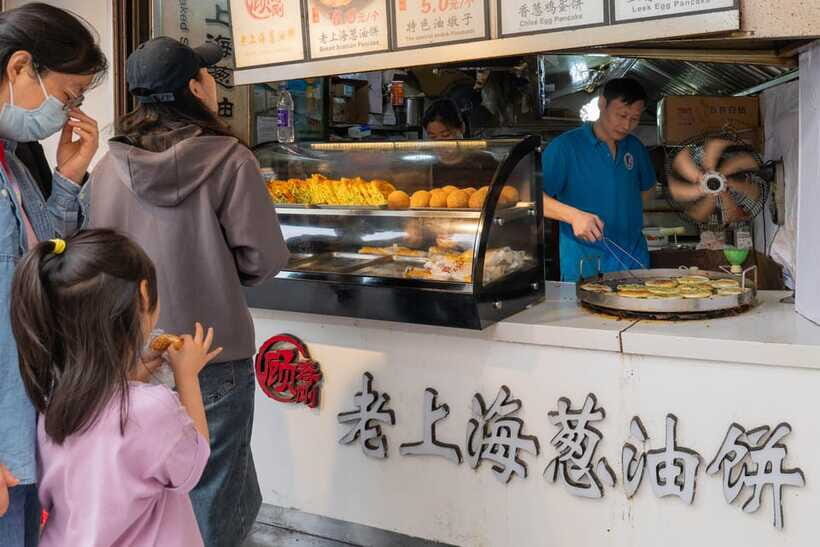
Jian bing: street food energy, eaten like locals
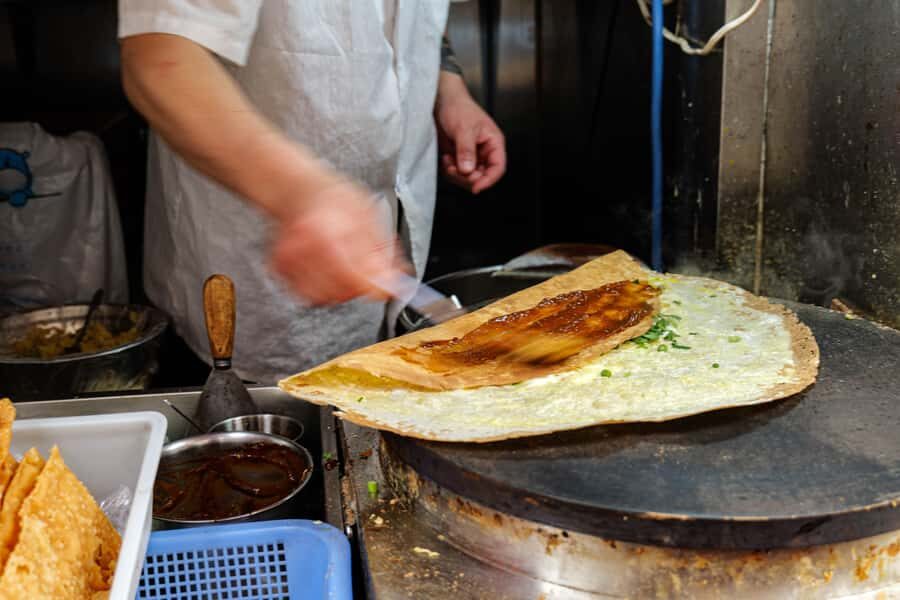
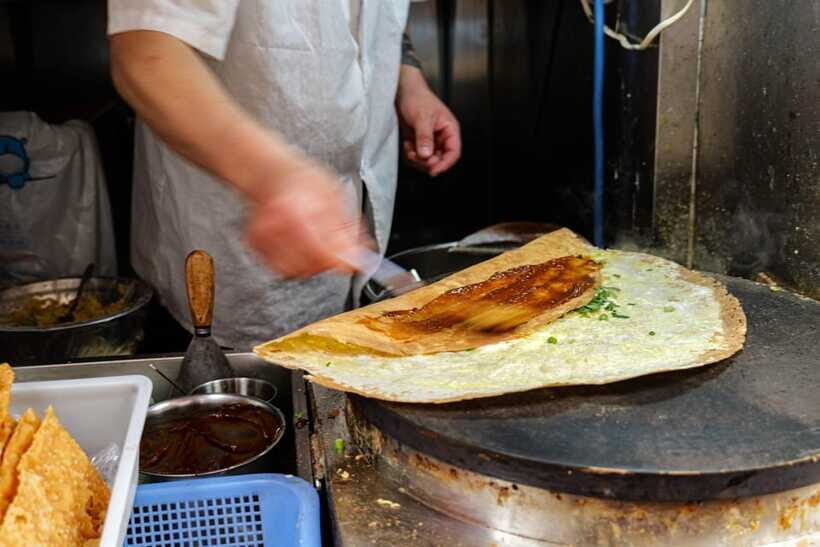
Jian bing is fast, portable, and often assembled right in front of you. That makes it a fun stop during a walking tour because it connects food to street rhythm.
The useful part isn’t just taste. It’s learning how the flavors are put together—crisp edges, savory sauces, and whatever mix of egg and add-ons the place uses. Once you’ve had one here, ordering later feels much less intimidating.
Curry soup: a warming curveball
Curry soup is listed as part of the breakfast options, and that’s the kind of flavor twist that keeps the morning interesting. It also gives variety. When you’ve gone from dumplings to noodles, curry soup adds warmth and richness without repeating the same textures.
Tea and coffee stops: the break that teaches culture
Multiple reviews mention tea drinking and tea-shop culture, plus coffee and tea at independently owned places. This is one of the best parts of a breakfast tour like this, because tea isn’t just a drink. In many Chinese traditions, it’s part of the social and daily routine.
You’ll likely taste enough to notice differences in style, and the guide’s explanations can help you understand why the drink pairs well with the foods you’re trying.
Price and value: why $77 can make sense here
The price is $77 per person for a 3-hour walking tour that includes food and drinks plus a local guide. That’s not “cheap,” but it’s also not just paying for walking.
Here’s what you’re really buying:
- More than 10 breakfast samples in one structured morning
- Multiple food stops instead of one restaurant meal
- Guided ordering and explanations so you don’t waste tastings guessing
- A route through the former French Concession that’s easy to replicate with recommendations afterward
A big point: no hotel pickup lowers the cost. You pay less for transport logistics and more for the actual tasting experience. If you’re already near Line 1 (or willing to take Didi to Xintiandi), it’s a strong value for a first visit focused on food.
Who this tour is for (and who it might not be)
This works especially well if:
- you want a focused morning activity around food
- you like learning through eating, not through museum-style lectures
- you want to explore the former French Concession on foot
- you appreciate tea culture as much as dumplings
It might be less ideal if you hate walking or you prefer one sit-down meal to many short stops. Also note that breakfast means you’ll be eating repeatedly. Go in with a plan to take it slow between tastings.
What to bring and how to get the most out of it
A few practical moves will help:
- Wear comfortable walking shoes; you’re on your feet for the full 3 hours.
- Come hungry. The whole point is 10+ breakfast options, and the tour rhythm depends on that.
- Bring your curiosity. If you’re a first-timer, ask how to order or what to try next time.
- If you’re planning other meals right after, you’ll want a lighter plan. You’ll probably be full.
Should you book this breakfast walking tour?
I’d book this tour if your Shanghai trip includes any food priority at all. It’s built for value: a small-group morning, many tastings, and guide storytelling that connects dishes to daily life in the former French Concession. The meeting point is straightforward, and the included food and drinks remove a lot of decision fatigue.
Skip it only if you strongly dislike walking, or if you’d rather pay for one big meal instead of sampling across multiple breakfast styles. If you want a practical, flavorful way to understand Shanghai breakfast and the neighborhood it happens in, this is a smart pick.
FAQ
How long is the breakfast walking tour?
The tour duration is 3 hours.
What does the tour cost?
The price is $77 per person.
How many breakfast items will I try?
You’ll try over 10 breakfast options.
What’s included in the price?
Food and drinks are included, along with a local guide.
Where do I meet the guide?
Meet at exit 2, South Huangpi Road station on Shanghai Metro line 1 (地铁一号线一大会址-黄陂南路站二号出口).
Is hotel pickup or drop-off included?
No. Hotel pickup and drop-off are not included.
What languages are offered?
The live tour guide is available in English, Chinese, and Korean.
Is the tour wheelchair accessible?
Yes, the tour is wheelchair accessible.
Can I cancel for a refund, and can I reserve without paying now?
Yes. You can cancel up to 24 hours in advance for a full refund, and you can reserve now and pay later.