REVIEW · SHANGHAI
3-Hour Private Tour to Jewish Ghetto and Shanghai Bund
Book on Viator →Operated by Sunny Private Tours · Bookable on Viator
A forgotten corner of Shanghai comes into focus fast. This private walking tour pairs the moving Jewish Refugees Museum with the old lanes of Shanghai’s Jewish quarters (often nicknamed Little Vienna), then finishes at the Bund’s British-Jewish art-deco legacy.
I especially like the hotel pickup plus comfortable rides in a private vehicle, which makes this topic-heavy day feel easy to manage. I also appreciate that your guide brings the story to life with real artifacts and photo-rich museum exhibits, then connects it to the Bund’s architecture rather than keeping everything locked inside a single building.
One thing to consider: the tour centers on walking between focused stops, so you’ll want decent shoes and a willingness to move at a steady pace for about 2.5–3 hours.
In This Review
- Key things that make this tour worth your time
- Jewish Shanghai Museum First: where the story starts and why it matters
- The Jewish Ghetto walking section: back alleys, gate houses, and how to read the neighborhood
- Bund finale and the Peace Hotel: British-Jewish art-deco with a human backstory
- How the private format changes the value (and saves your time)
- Price check: what $90 gets you, and when it’s a good deal
- What you’ll want to know before you go
- Guides you’ll likely encounter: why the storytelling style matters
- If your trip is short: where this tour fits best
- Should you book the 3-Hour Private Tour to Jewish Ghetto and Shanghai Bund?
- FAQ
- How long is the tour?
- Is hotel pickup included?
- What stops are included?
- Are entrance fees included?
- Is this tour private?
- Can I cancel for a refund?
Key things that make this tour worth your time
- Ohel Moishe Synagogue / Jewish Refugees Museum as the main anchor stop, with admission included
- Old stone gate houses and back-street neighborhoods tied to refugee life, not just general history
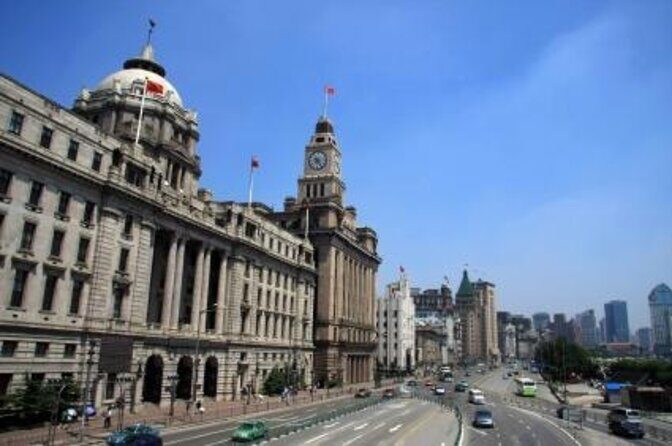
- Bund finale at the Peace Hotel for a visual link to British-Jewish families and art-deco heritage
- Private guide + private group keeps questions easy and explanations clear
- Flexible morning or afternoon departures so you can fit it around other Shanghai highlights
- English-speaking guides who bring timelines together, with guide names like Lea, Sunny, Annie, Mason, Aron, Robert, and Ruby showing up in top reviews
Jewish Shanghai Museum First: where the story starts and why it matters
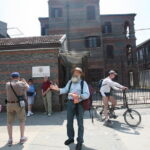
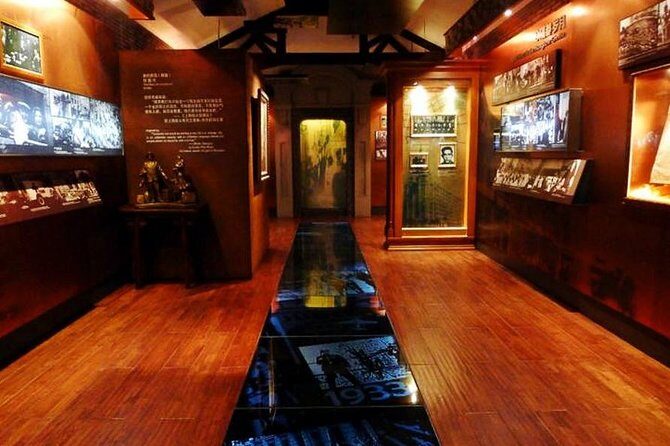
Most Shanghai “must-do” lists focus on the skyline, food, or classic neighborhoods. This tour starts in a different place: at the Jewish Refugees Museum (Ohel Moishe Synagogue), where the narrative has weight from the get-go.
Plan for about 1 hour 20 minutes at this first stop. Admission is included, and that matters because you’re not spending time hunting tickets or figuring out logistics while you’re trying to take in what’s on display. The museum’s approach is practical: photographs, films, and personal items are used to show how Jewish refugees lived through wartime upheaval and why Shanghai became a place of temporary sanctuary.
This is the kind of museum stop that works best when your guide can give you a timeline you can hold in your head. Many of the strong reviews you’ll read mention guides who explained the story clearly and in sequence—names like Lea, Sunny, Annie, and Mason come up repeatedly. The common thread is pacing: you’re given context first, then you’re free to look closely at what the museum is showing.
If you want to learn without feeling like you’re taking a lecture, this stop is your payoff. It’s not just facts. It’s the way the material connects individuals to a place.
A small caution: museums can be emotionally intense. If you’re traveling with someone who prefers light sightseeing all day, you might want to prep them that this stop deals with refugee history and war-era migration.
You can also read our reviews of more private tours in Shanghai



The Jewish Ghetto walking section: back alleys, gate houses, and how to read the neighborhood
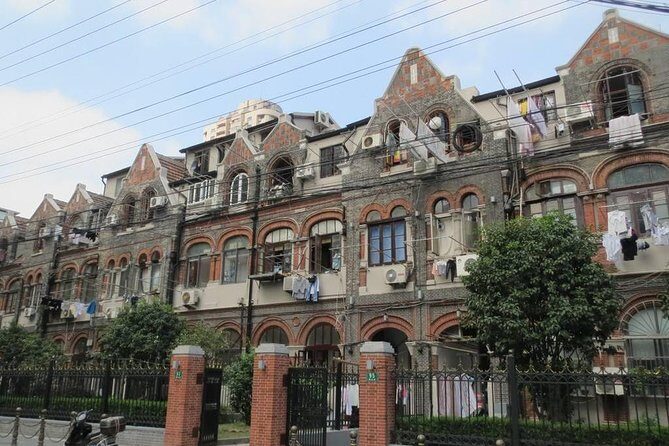
After the museum, the tour moves into the older neighborhood fabric—stone gate houses, the former Jewish park, and the old JDC center—then continues through nearby back streets on foot.
This part runs about 1 hour and includes an interesting twist: it’s admission-free. So your time here is spent on seeing and thinking, guided by your host.
What you’re looking for isn’t only “what it used to be.” It’s how the physical environment hints at how refugees lived:
- Old stone houses and winding lanes that feel different from the more typical architecture you might see in other parts of Shanghai
- Boundary markers like gates and compounds that helped define where daily life happened
- Small-scale streets where the human scale is obvious—walking helps you get that sense fast
One reason reviews rate this segment so highly is that it feels concrete. Seeing the museum first gives you a framework; then stepping outside lets you test your mental picture against real surviving structures.
Guides often point out details you’d miss on your own—where places would have functioned, how community life was organized, and how the neighborhood fits into broader Shanghai history. Based on the guide names and experiences described, you’ll likely get explanations that connect the dots without turning it into a history-only tour.
Also: the “Jewish quarter” story is sometimes described with the nickname Little Vienna. You’ll hear it used for cultural reasons, but the best takeaway is what it implies—Shanghai wasn’t just absorbing people; it was also absorbing ways of life. This walking portion helps you feel that.
Bund finale and the Peace Hotel: British-Jewish art-deco with a human backstory
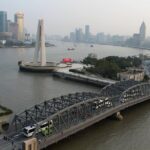
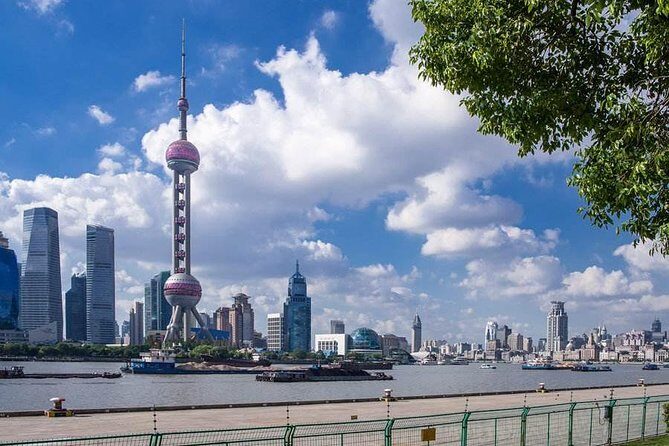
The last stop brings you to the Bund (Wai Tan), where the atmosphere shifts from neighborhood-scale streets to waterfront grandeur. This is about 50 minutes.
You’ll visit the Peace Hotel, known for its striking art-deco architecture and associated with the British-Jewish Sassoon family line. Even if you’re already familiar with the Bund, this stop adds a new layer: you’re not just taking in a famous skyline view. You’re seeing how diaspora communities helped shape the commercial and cultural fabric of the city.
It’s a smart design for a tour like this. The Jewish Refugees Museum gives the human story. The ghetto-area walking shows place and survival. Then the Bund gives contrast—Shanghai’s global trading-city identity in architecture and money. By the time you look out over the waterfront after the walk, you can connect the dots in a way most “photo stop” Bund tours don’t.
A practical point: the Bund can be windy and changeable, depending on the season. Your tour operates in all weather conditions, so dress accordingly, especially if you’re doing this in cooler months or during damp weather.
How the private format changes the value (and saves your time)
This is a private tour for your group, with hotel pickup offered for downtown hotels. That’s a big deal in Shanghai, where transit time can quietly eat half a sightseeing day if you’re winging it.
Transfers are handled in a private way:
- For 1–4 people, you travel in a local premium Uber
- For more than 4, an air-conditioned mini van is provided
Even if you’re not normally picky about transportation, this format reduces stress. You don’t have to coordinate meeting points, wait for slow transfers, or worry about which train stop is closest.
Reviews also suggest the guides are strong at tailoring the pacing. People highlighted that museum time felt unhurried, with guides guiding you through what to look at instead of rushing. That’s one reason the experience tends to land well with history-minded travelers and also with people who just want meaning without deep academic study.
Price check: what $90 gets you, and when it’s a good deal
At $90 per person, you’re paying for three things that matter in practice:
- A private English-speaking guide (not a group bus model)
- Hotel pickup and comfortable private vehicle transfers
- A structured route that includes a paid museum ticket
Since the museum admission is included and two later stops are free, you’re not double-paying for entry fees across the day. The value is strongest if you’re comparing against tours that charge extra at each stop or that don’t include transportation.
Is it cheap? No. But it’s also not overpriced for the amount of on-the-ground guiding you get in a city as large as Shanghai. If you’re traveling with a partner or small group, the private van/Uber arrangement often makes the per-person cost feel more reasonable.
Who gets best value?
- Couples and small groups who want personalized pacing
- First-timers who already know the big Shanghai sights and want a different slice of history
- Travelers who like museums but also want the story tied to streets and surviving buildings
A few more Shanghai tours and experiences worth a look

What you’ll want to know before you go
This tour runs about 2 hours 30 minutes to 3 hours. If your schedule is tight, buffer a little time—Shanghai streets can be quick until they suddenly aren’t, and walking plus museum time adds up.
A few other practical notes from the tour details:
- Flexible morning or afternoon departures help you fit it into your day
- It runs in all weather conditions, so plan for rain or cold as needed
- It’s near public transportation, useful if you need a backup meeting plan
- It’s best suited for people who are okay with walking between stops
- Children must be accompanied by an adult
Also, if your hotel isn’t in downtown Shanghai, you can still do the tour, but pickup may shift. The guide can give instructions for meeting near the downtown area.
Guides you’ll likely encounter: why the storytelling style matters
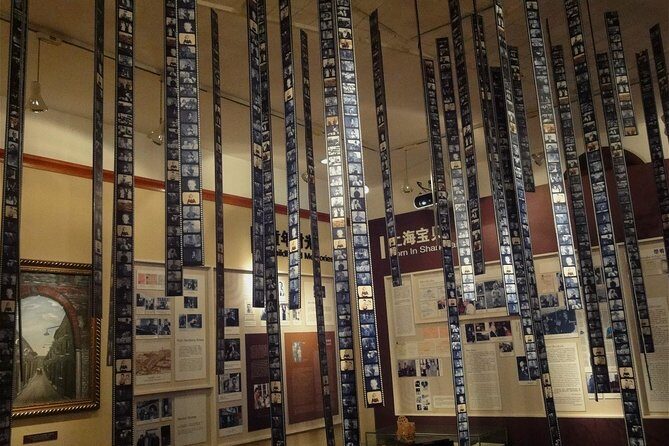
One of the best signals in the reviews is repeated praise for the guides’ clarity and preparation. Names like Lea, Sunny, Annie, Mason, Aron, Robert, and Ruby show up as people who made the material stick.
Here’s what that often means in real terms:
- You’ll get a timeline that connects early migration to later wartime refugee movement
- You’ll hear explanations in a way that’s easy to follow during a museum visit
- You’ll get help “reading” what you’re seeing outside—why a gate house matters, what a particular building suggests, how the Bund relates to the broader story
If you’re the type of traveler who hates tours that recite facts at you, aim to choose a time when you can sit with the material. The museum is the place to slow down and let your guide frame what you’re seeing.
If your trip is short: where this tour fits best
If you only have a couple days in Shanghai, you probably plan your “classic hits” first. This tour is best as:
- A second-day activity when you’re ready to trade skyscraper photos for a story with depth
- A museum-and-walk combo for travelers who like context, not just scenery
- A focused half-day that still leaves you time afterward for the Bund area on your own
Because the finale is at the Bund, you can often roll directly into a waterfront stroll afterward—just give yourself time for photos and a snack.
Should you book the 3-Hour Private Tour to Jewish Ghetto and Shanghai Bund?
Book it if you want a Shanghai tour that feels specific and grounded. The museum stop at Ohel Moishe Synagogue, the walking section through old stone houses and back alleys, and the architectural contrast at the Peace Hotel make a strong three-part flow. With a private guide and pickup from downtown hotels, it’s also a low-friction way to learn a slice of history most people miss.
Skip it (or rethink the fit) if you prefer upbeat, light sightseeing with minimal walking, or if your schedule can’t handle a museum stop that deals with refugee and wartime history.
If you’re curious about how Shanghai became part of Jewish refugee history—and you want that story tied to streets you can actually stand on—this is one of the better ways to do it in a short, well-paced 2.5–3 hour window.
FAQ
How long is the tour?
It runs about 2 hours 30 minutes to 3 hours.
Is hotel pickup included?
Yes, hotel pickup is included for hotels located in downtown Shanghai. If your hotel is outside the downtown area, your guide will share instructions to meet near downtown.
What stops are included?
You’ll visit the Jewish Refugees Museum (Ohel Moishe Synagogue), walk through the Jewish Ghetto area, and end at the Bund with a visit around the Peace Hotel.
Are entrance fees included?
Entrance fee to the Jewish Ghetto area is included. The Jewish Refugees Museum admission ticket is included for the stop, while later stops are listed as free.
Is this tour private?
Yes. It’s a private tour/activity, so only your group will participate.
Can I cancel for a refund?
Yes. You can cancel up to 24 hours in advance for a full refund.