REVIEW · SHANGHAI
Shanghai: YuGarden Adult Ticket – 09:00 & 12:30 Two Periods
Book on GetYourGuide →Operated by Guangzhou Zhiwooyou Travel Agency Co., Ltd. · Bookable on GetYourGuide
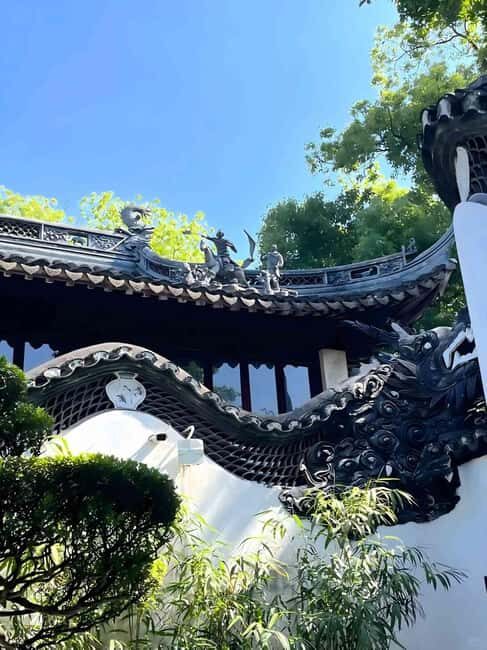
A 450-year garden, timed to your day. Yu Garden is one of Shanghai’s best-known Ming Dynasty gardens, and this adult ticket slots you into a specific entry window so you can plan a smooth visit around the city. I like that it focuses on classic Ming-and-Qing style architecture and that it preserves centuries-old relics you can actually see up close. One thing to consider: if your QR code has issues, it can turn a simple entry into a frustrating moment.
I also like the setting: Yu Garden sits in Huangpu District and covers about 30 acres, so even with a timed ticket, you get room to slow down and wander at your own pace. The garden’s story is unusually personal too, since it was originally a private garden built by Pan Yunduan for his father after he stepped away from official life. The main drawback is that this is strictly entrance-only, so you’ll need to do the thinking for what to focus on inside.
In This Review
- Key things to know before you go
- Why Yu Garden still feels special in modern Shanghai
- Yu Garden’s timed admission: picking the right window
- What you actually do once you enter (and how to not waste time)
- The story behind the garden: Pan Yunduan and the personal purpose
- Rules and on-the-ground details that can trip you up
- Price and value: is $9 actually a good deal?
- QR code problems: how to protect your day
- Who this ticket suits best
- The bottom line: should you book this Yu Garden adult ticket?
Key things to know before you go
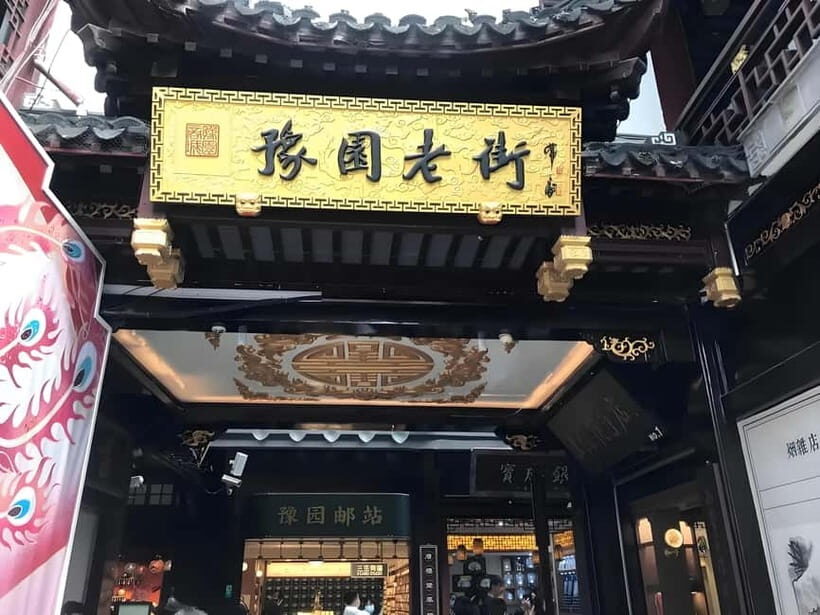
- Timed entry windows: choose either 9:00–12:30 or 12:30–16:00 on your selected date.
- Adult ticket rules: age range is listed as 18 to 60 (both not included).
- ID details matter: you should offer your passport number when booking.
- Jiangnan garden design: classic Jiangnan style with Ming/Qing-era cultural relics.
- Self-guided experience: the ticket includes only admission, no added tour stops.
- Plan for QR-code hiccups: one reported issue shows how stressful entry can feel if the code fails.
Why Yu Garden still feels special in modern Shanghai
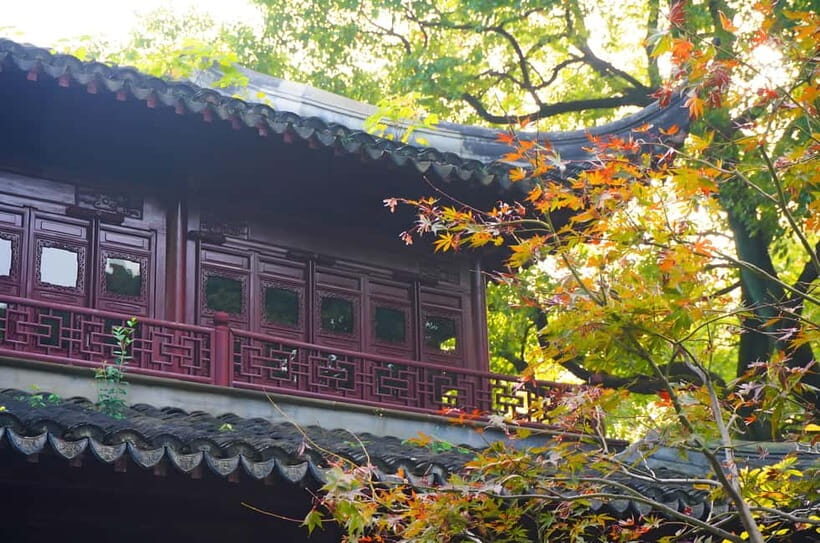
Yu Garden is famous for a reason, but it is not just name recognition. It dates to the Ming Dynasty, built during the Jiajing and Wanli periods, and it has been around for more than 450 years. That age alone changes how you experience it. You are not looking at a theme park version of old China. You are walking through a garden that was shaped to last, with elements meant to communicate how people lived, designed, and valued art and nature.
The best part is the mix of design and preserved objects. This isn’t only about scenery. The garden preserves cultural relics like ancient trees plus Ming and Qing furniture and artworks. That matters for your visit because it gives you more than photo ops. You can slow down and notice how the garden’s look connects to the materials and aesthetics from different periods.
And location helps. Yu Garden is in Huangpu District, near the city center. So you can realistically fit it into a day without turning your schedule into a logistics puzzle. If you want something traditional without locking yourself into a long detour, this works.
A few more Shanghai tours and experiences worth a look


Yu Garden’s timed admission: picking the right window

This is an adult ticket for two periods, and you get to choose only one. The ticket lets you enter during:
- Morning: 9:00–12:30
- Afternoon: 12:30–16:00
When I plan a garden visit, timing is everything. Gardens work best when your brain is fresh enough to notice details like layout, scale, and the mix of built spaces and greenery. The morning window tends to be the easier pick if you like a calm start. The afternoon window can be a smart choice if you already have other plans earlier in the day and you just want a well-defined, prebooked entry slot.
A key point: the ticket is valid for one day, and it works only on the date you select. So don’t assume you can wander in later. You’re choosing an entry period, not a general “anytime” pass.
What you actually do once you enter (and how to not waste time)

Because this is an entrance ticket only, your experience is what you make of it inside the park. That’s not a problem if you go in with a simple focus.
Here’s a practical way to structure your time inside Yu Garden:
1) Start with architecture first.
The garden is known for a Ming Dynasty origin and Jiangnan-style design. Use that as your first lens. Look for the classic feel of ancient design—how buildings frame paths, how open areas balance enclosed spaces, and how the garden creates different “rooms” to move through.
2) Shift to relics while you still have energy.
The garden preserves Ming and Qing items, including furniture and artworks. Those are easier to appreciate earlier rather than at the end of a long day when your feet and patience are both tired. If you’re interested in traditional Chinese culture and art, this is the most direct payoff.
3) Finish with trees and scale.
Ancient trees are specifically mentioned as part of what the garden preserves. Spend a little time just walking slowly and letting your eyes adjust to what old trees change about a place—shade, atmosphere, and how paths feel underfoot.
The garden covers about 30 acres. Even if you’re not trying to sprint through everything, you can easily get a good sense of the place without treating it like a checklist. You’ll enjoy it most if you give yourself permission to wander.
The story behind the garden: Pan Yunduan and the personal purpose
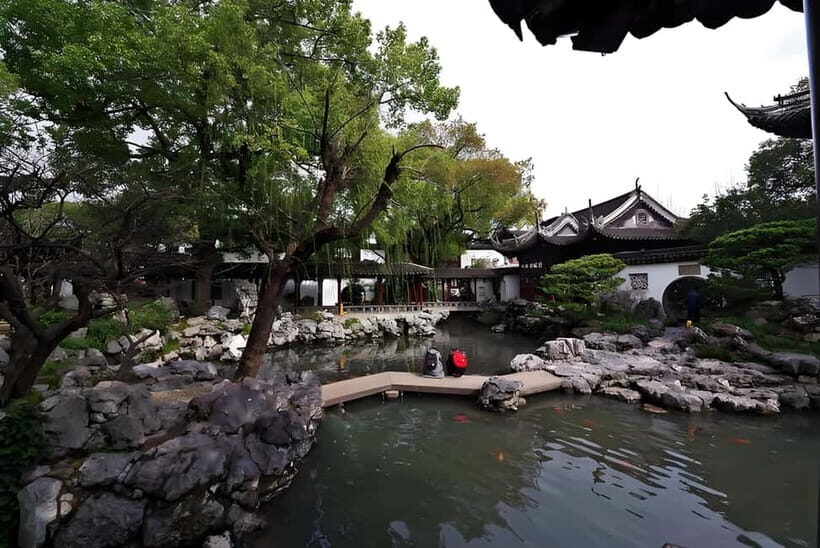
One reason Yu Garden hits differently is that it wasn’t built as a public monument from day one. It was originally a private garden created by Pan Yunduan for his father. Pan Yunduan’s father resigned from official duty to live in retirement, and the garden became part of that life change.
That background helps you interpret the garden as more than decoration. Gardens for retired officials often carried a message: calm, refined living, and a kind of respectful distance from public life. So when you see the classic Jiangnan layout—designed for strolling, pausing, and observing—it makes more sense.
Also, Yu Garden is described as one of the three famous gardens in Shanghai during the Ming Dynasty, and it ranks first among the five classical gardens in Shanghai. You do not need to treat rankings like scripture, but they hint at what you should expect: a design that locals and visitors have consistently returned to over time.
Rules and on-the-ground details that can trip you up
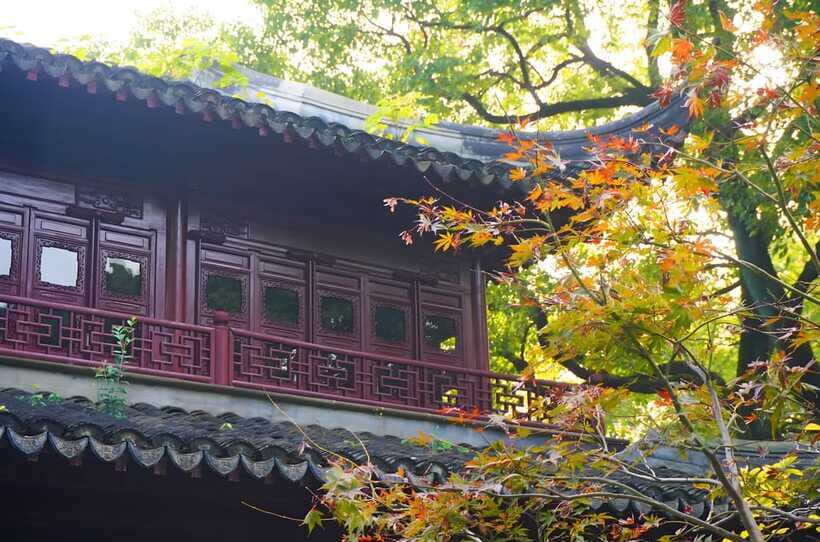
This ticket is straightforward, but you should still know the basic “don’t make life harder” rules. The information lists items not allowed, including alcohol and drugs, firework use, making noise, and making fire. If you keep your visit calm and respectful, you’ll avoid any awkward confrontations at entry checkpoints or inside the grounds.
You’ll also need the right ID. Bring your passport or an ID card. This is especially important because the ticket process includes a note that you should provide passport number details before booking.
Another practical note: there’s a purchase limit. Only one ticket can be purchased with the same valid ID on the same date of use. So if you’re traveling with multiple people, make sure each person has their own ID matching their own ticket.
Finally, this is listed as wheelchair accessible and it’s a private group type. That doesn’t mean you’ll get a special guide with narration, since the included offering is only admission, but it does suggest the site considers accessibility needs.






Price and value: is $9 actually a good deal?

The price is listed at about $9 per person for an adult ticket. For a garden with more than 450 years of history and preserved Ming and Qing relics, that price is mostly about access, not extras. Since the ticket includes only entrance, you’re paying for the right to enter and explore.
That can be excellent value if:
- You’re mainly interested in architecture, traditional design, and seeing preserved cultural items directly.
- You don’t need a guided storyline to enjoy a self-paced visit.
- You’re already in or near Huangpu District and want a big cultural stop without extra transportation planning.
It is less “good deal” if you expect interpretation, multiple included sights, or a guided itinerary. This isn’t built like a tour where someone tells you exactly where to stand and what to photograph. If you want that kind of structure, plan to use your phone to read up while you’re inside, or keep your focus narrow so you feel satisfied even without a guide.
The big value here is simple: access to a major classical garden for a price that won’t wreck your Shanghai budget.
QR code problems: how to protect your day

One low-rated experience complained that the QR code didn’t work at entry. The person reported the problem and didn’t get money back, with a response that they entered with the tickets.
That doesn’t mean your day will go badly. It does mean you should treat QR entry like a system with occasional glitches. Your best defense is boring preparation:
- Bring a screenshot of your QR code in case your phone battery or signal acts up.
- Make sure the QR code is visible and not buried under multiple app screens.
- Arrive with time to spare, even if your entry period is scheduled.
If you’re traveling with older family members or someone less comfortable with digital tickets, double-check the ticket works well before you head into the line. A five-minute check can save the kind of stress nobody wants on a cultural day.
Who this ticket suits best
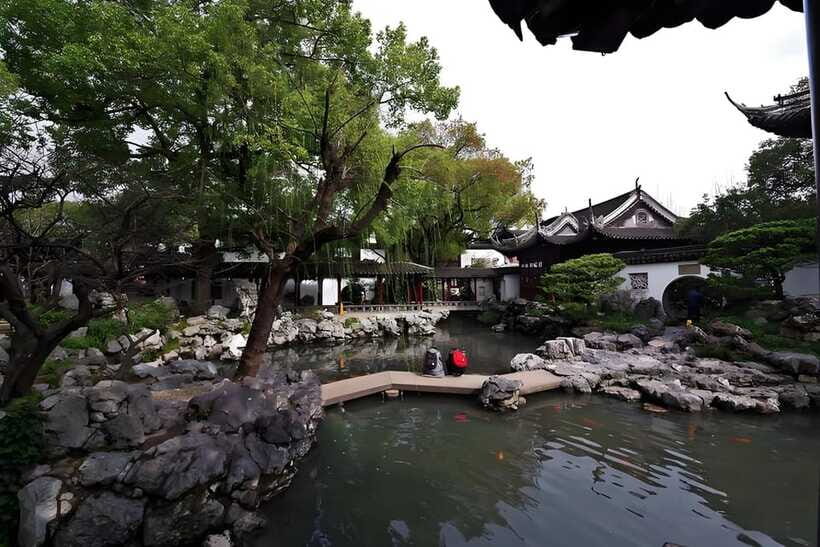
This Yu Garden entrance ticket fits best if you want a classic Shanghai cultural stop with flexible pacing.
It’s a good match for:
- You if you like traditional architecture and want to see Ming-and-Qing style features in a real setting.
- You if you enjoy self-paced walking and can guide yourself through what you notice.
- You if you want a major landmark near the city center without booking extra add-ons.
It may be less ideal if:
- You expect a guided tour experience. This ticket is admission only.
- You need a tightly structured itinerary with lots of explanation.
- You are the type of traveler who hates any chance of QR entry trouble, even with basic prep.
It also helps to know the ticket’s age framing. The adult ticket listed applies to age calculations based on birthday, and it restricts eligibility to 18 to 60 (not included). If you’re near the edge of those ages, confirm your eligibility based on your birthday and the travel date.
The bottom line: should you book this Yu Garden adult ticket?
I’d book it if you want a high-value, self-guided entry to one of Shanghai’s most recognized classical gardens, and you’re choosing between a morning and afternoon window that fits your day. At around $9, the price is hard to argue with, especially if your goal is to see the preserved relics and get a real sense of Jiangnan garden design.
Skip it or think twice if you’re looking for a guided experience with storytelling included, or if you strongly dislike QR-code-based entry systems and you can’t easily plan around that risk.
If you do book, go in with one simple focus: architecture and relics first, then relax into the garden. You’ll get far more out of Yu Garden that way than by trying to do it all at once.