REVIEW · HONG KONG SAR
Tai Mo Shan Waterfall Adventure Hike
Book on Viator →Operated by Rory Mackay · Bookable on Viator
Waterfalls wait just beyond Hong Kong’s rails. This Tai Mo Shan trek mixes forest trails, rural temples, and a finale at Main Falls, Hong Kong’s tallest waterfall. You get a local guide plus air-conditioned minivan transport for a half-day that feels like a reset button.
I love the way the walk climbs through quieter countryside and turns your attention to real nature—plants, animals, and even the kind of small surprises your guide can point out. I also like the human touch: the guide can adjust the route to match your group’s fitness, so you still get the payoff without forcing everyone into the same suffering curve.
The main consideration is the climb: expect steep sections and lots of steps, and it’s not built for a couch-potato pace.
In This Review
- Key things that make this waterfall hike work
- Getting out of the city rush on Tai Mo Shan
- How the day starts: Tai Wo meeting point and minivan comfort
- Your guide makes the hike feel personal (Tristan, Rory, and more)
- The climb begins: temples, villages, and a calmer kind of Hong Kong
- Stop focus: Ng Tung Chai Waterfall and the cascade rhythm
- The finale at Main Falls: tallest waterfall in Hong Kong
- Wildlife spotting and plant notes you’ll actually remember
- How hard is it, really: steps, steep climbs, and pacing
- Timing and weather: what the 5-hour format means for your plans
- What to pack so the “waterfall workout” stays fun
- Price and value: is $101.48 worth it?
- Who should book this Tai Mo Shan waterfall hike
- Should you book Tai Mo Shan Waterfall Adventure Hike?
- FAQ
- How long is the Tai Mo Shan Waterfall Adventure Hike?
- Where does the tour start and end?
- Is hotel pickup and drop-off included?
- What’s included in the price?
- Are food and drinks provided?
- Which waterfalls are part of the hike?
- Is the hike adjustable for different fitness levels?
- What happens if it’s bad weather?
- What is the maximum group size?
- Are service animals allowed?
Key things that make this waterfall hike work
- Main Falls is the reason to go: the walk builds toward the tallest waterfall in Hong Kong.
- Forest trails feel like a real escape: you leave the city rhythm and climb into dense greenery.
- Your guide adds meaning, not just motion: you’ll learn about local flora and fauna along the way.
- Route flexibility keeps it fair: the guide can modify the path to fit the group.
- It’s a step-focused workout: even “moderate” includes steep, step-heavy climbing.
Getting out of the city rush on Tai Mo Shan
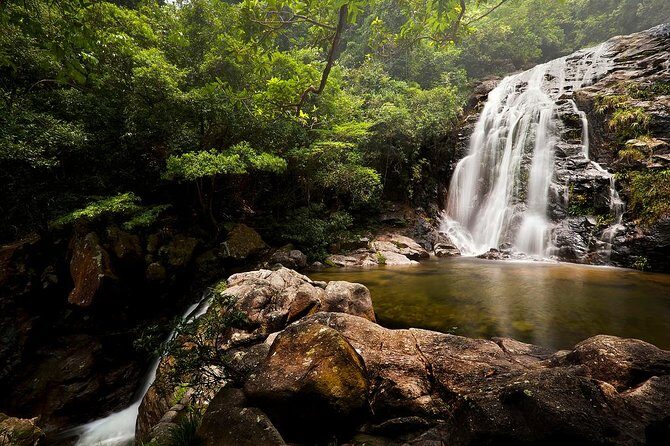
Tai Mo Shan is one of those Hong Kong places where the city stops feeling like the main character. In about five hours, you’ll shift from built-up areas into a mountain hike that runs through forest, past rural pockets, and toward waterfalls that can’t be replicated by skyline views. It’s a half-day plan that still feels like you accomplished something physical and worthwhile.
The structure is simple. You start with transport to the trail area, then hike along lush forest paths toward Ng Tung Chai Waterfall and the surrounding cascade system. The goal isn’t just walking. It’s seeing a sequence of waterfalls along the trail, capped by the big show at Main Falls—the tallest waterfall in Hong Kong.
This is also a good choice if you like nature but don’t want to guess your way through. A guide brings the local context, plus a pace and route that can adjust when conditions or group energy change. The result: you spend your time moving and looking up, not navigating stress.
You can also read our reviews of more hiking tours in Hong Kong SAR


How the day starts: Tai Wo meeting point and minivan comfort
The meet-up is at MTR Tai Wo Station, specifically around Tai Wo Estate in Hong Kong. The tour ends back at the same meeting point, which makes planning easier—no mystery drop-off, no scramble to catch transport afterward.
Transport is included by air-conditioned minivan. That matters more than it sounds. On a mountain hike, a comfortable ride sets the tone so you’re not already tired when you start climbing. It also reduces the “logistics tax” for visitors who don’t know the New Territories.
One practical note: hotel pickup and drop-off are not included. So you’ll want to factor in getting yourself to the meeting spot. If you’re staying in a hotel with easy MTR access, this is straightforward. If you’re far out, plan your route to Tai Wo Station ahead of time.
Your guide makes the hike feel personal (Tristan, Rory, and more)
This tour lives or dies by the guide experience, and it’s one of its strongest strengths. You’ll hike with a local guide, and the best part is how they use that hike to teach. People mention guides like Tristan, Rory, Sneha, Lyric, and Rory Mackay for bringing the area to life with specific observations.
What you’ll notice fast is that guides don’t just point out waterfalls. They help you read the environment. One guide, Tristan, is singled out for informing the group about centipedes, snakes, and plants—exactly the kind of detail that turns a pretty walk into a memorable one. Another guide, Rory, is praised for encouraging everyone and tailoring the route when people ask for changes due to cold, foggy conditions, or fitness limits.
The takeaway for you: if you enjoy learning while moving, this format fits. If you prefer silence and zero talking, you may still find the explanations helpful, because they’re short and connected to what’s happening around you.
The climb begins: temples, villages, and a calmer kind of Hong Kong
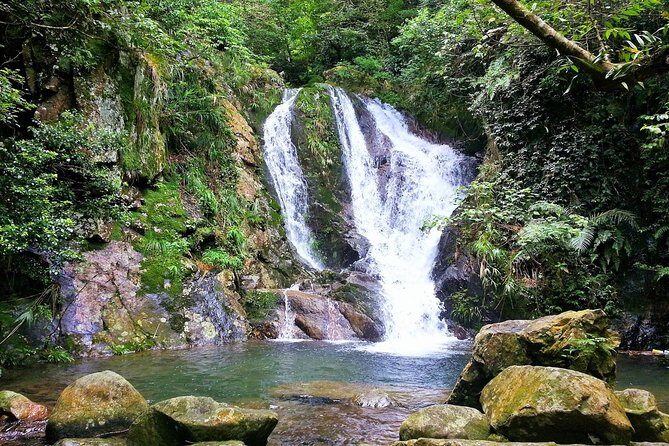
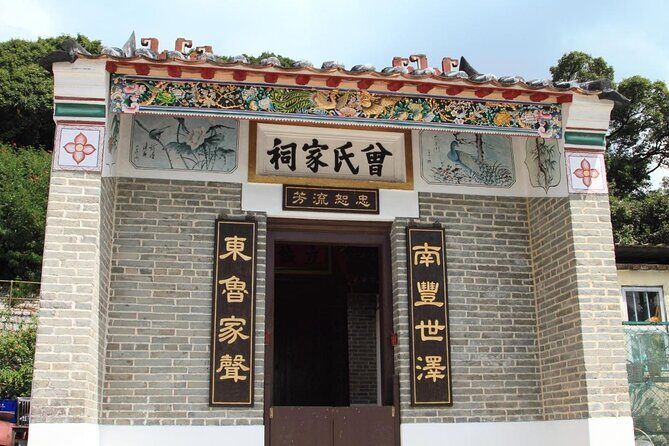
As you head into the Tai Mo Shan area, the hike moves past rural villages and temples. This matters because it changes the feel of the walk. You’re not only going up into nature; you’re passing through places that reflect how people live at the edge of the city.
That “in between” zone is also where you start to notice how the trail is structured. The path isn’t flat sightseeing. It’s a gradual shift into a steep-sided world where the vegetation closes in. That can feel dramatic—especially if you came from traffic, crowds, and glass buildings.
You’ll also learn about local plant and animal life. The tour description frames this as flora and fauna learning, and the guide-style feedback backs it up. The way it’s done tends to be practical: you learn what you’re seeing while you’re still standing there.
If you want the best photos, start paying attention early. Waterfall moments are the headline, but the “setup shots”—quiet paths, texture in the forest, and glimpses of cascades—often look best when you get them before the biggest rush at the finale.
Stop focus: Ng Tung Chai Waterfall and the cascade rhythm
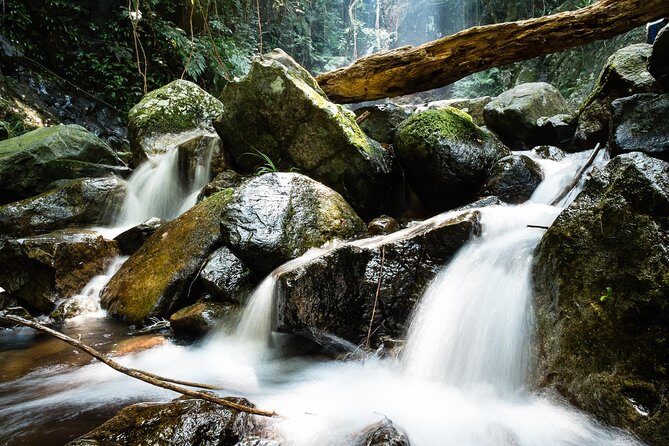
Ng Tung Chai Waterfall is the named highlight on the route, and it’s where the day starts to feel like a waterfall adventure rather than a hike with occasional scenery. Expect to hike along forest trails where cascades appear along the way, not only at the main viewing point.
This is also where the “steps and effort” become clear. Review feedback calls out that it can be intense, with many steps and tall climbs, especially in the first half. If you’re arriving thinking this is a leisurely stroll, you’ll likely recalibrate quickly—then either commit to the pace or ask your guide for an adjustment.
The good news: your guide can modify the route to suit your fitness level. That flexibility is important because it means you’re not trapped in a single fixed outcome. If you’re tired, you can still aim for a satisfying waterfall experience rather than abandoning the walk.
Also, keep your expectations realistic about time and comfort. You’re going up, often step-heavy. That’s part of the fun for many people—this hike gives you a workout—but you’ll want to pace yourself so you’re not racing the climb and arriving at the waterfalls out of breath.






The finale at Main Falls: tallest waterfall in Hong Kong
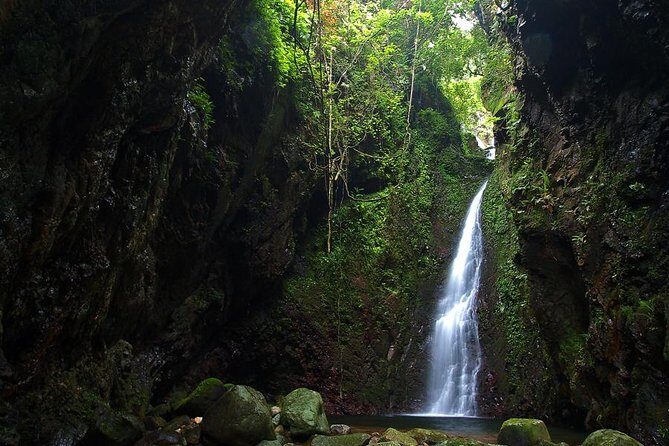
The walk is built like a sequence, with the crown jewel at the end. The biggest payoff is Main Falls, described as the tallest waterfall in Hong Kong. Think of it as the moment the effort starts to pay you back in full.
What makes a finale like this worth chasing is the contrast. At the start, you’re climbing through forest and passing villages and temples. Later, the sound changes, the water becomes more central to the landscape, and you’re standing at one of Hong Kong’s major waterfall moments. That shift is what makes people call this one of the best hikes in the city.
Don’t go in expecting total crowd control. Some reviews say it’s not crowded in certain seasons, like early February, but conditions vary. The smart move is to come with patience: take your time, keep your footing careful on wet stone, and be ready to share viewing space calmly.
If you’re traveling with a flexible group, this end stop is also where route adjustments can help. People mention that the plan can change if someone can’t make it all the way to a preferred spot. You still get a waterfall experience that feels earned, not forced.
Wildlife spotting and plant notes you’ll actually remember
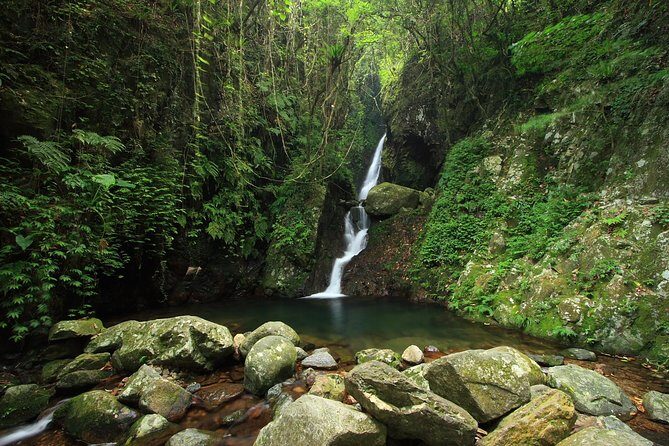
Here’s what I’d bet you’ll remember after the hike: your guide’s little observations. Names like Tristan and Rory show up repeatedly in feedback for being helpful and friendly, but the standout element is how they connect you to the living details of the trail.
The trail environment includes fauna you might not expect in Hong Kong’s countryside. Tristan is praised for pointing out information on centipedes, snakes, and plants. Even if you’re not searching for animals, learning what’s around you makes the forest feel more real and less like generic scenery.
This is especially valuable because waterfall hikes can become one-note. You arrive, you shoot photos, you leave. Here, you have enough time to notice more than just the water. You’re moving through an ecosystem while heading toward cascade views, so you get a fuller experience of the mountain day.
A practical tip: keep a little mental space for pauses. If you’re always rushing from one photo spot to the next, you miss the guide’s explanations. Slow down for 30 seconds when your guide stops. That’s usually when the best information is happening.
How hard is it, really: steps, steep climbs, and pacing
The hike is described as moderately challenging, and the feedback repeatedly calls out that it can be intense at times. People highlight steep climbs, lots of steps, and a first half that feels like more uphill work than casual hikers expect.
So what should you do with that information? Plan your energy like this:
- Go slower on the first half.
- Expect your legs to feel it.
- Build in time for stops so you don’t arrive at the waterfalls exhausted.
The tour’s promise includes route customization based on group fitness. That’s not just marketing language. Feedback includes examples of groups asking for different goals due to cold, wind, fog, or personal pace. Your guide can tailor routes so you get the best possible outcome for your group that day.
Also, the tour runs in all weather conditions. That means difficulty can shift depending on conditions. Rain can make surfaces slick. Fog can change what you see. Wind at the top can make short stretches feel longer. For you, the key is flexibility: bring the right gear and assume you’ll adjust your pacing on the fly.
Timing and weather: what the 5-hour format means for your plans
The duration is about 5 hours. That’s long enough to feel like a real hike, but short enough to fit into a travel schedule without stealing your entire day. It’s also why transport back to the same meeting point is a big benefit: you can re-enter your Hong Kong plans without extra headaches.
Since it operates in all weather conditions, you should assume your day will be outdoors no matter what. You’ll want to dress appropriately for the conditions. If it’s raining, expect wet stone and bring layers you can manage during active climbing.
Extreme weather handling is outlined for situations like black rainstorm warnings or Typhoon 8-10. If the tour is canceled due to those conditions, you’ll have options like an alternative date or a full refund. For anything short of that, the tour may still run, so packing for rain and cooling conditions is smart.
One useful planning angle: check the season and temperature. People mention cold, windy, foggy weather during one climb and also mention a February trip that wasn’t crowded. You can’t predict everything, but you can choose your gear and expectations with the season in mind.
What to pack so the “waterfall workout” stays fun
Food and drinks are not included, so pack your own. For a hike that’s about five hours, even a simple snack and water can make the difference between enjoying the waterfalls and feeling drained before the finale.
Here’s what I’d consider essential based on the “steps up” nature of the route:
- Comfortable hiking shoes with grip (wet surfaces are a real possibility).
- A light rain layer or weather protection since it runs in all conditions.
- Layers you can adjust as you climb and then cool down near the waterfalls.
- A small towel or quick-dry item if you end up with wet hands or gear.
If you have trekking poles, they can help on steep, step-heavy sections. The tour doesn’t mention pole rentals or provisions, so bring your own if you use them.
Also, because the day is about photos as well as hiking, bring something you can hold securely. You’ll be moving through steps and uneven ground, so avoid bulky gear that throws off your balance.
Price and value: is $101.48 worth it?
At $101.48 per person, the value comes from what’s included: air-conditioned minivan transport plus a local guide for the hike. For many visitors, that combination saves time and reduces uncertainty about getting to the trail and back.
You’re not paying just for scenery. You’re paying for:
- Guided navigation and pacing on steep trail segments
- On-the-ground context for plants and animals
- Flexibility to adjust the route for your group’s fitness
What you still pay for yourself is mostly meals and drinks, plus whatever gear you bring. Since food isn’t included, you’ll want to plan that cost, but it’s also a chance to choose what you like rather than accepting a generic snack.
If you’re comparing this to self-guided hiking, the difference is support. On a steep, step-focused trail with waterfall payoff at the end, having a guide can turn the day from “surviving the climb” into “enjoying the climb.”
Who should book this Tai Mo Shan waterfall hike
This is a strong match if you:
- Want a nature break from the city in about half a day
- Enjoy waterfalls and want more than a single quick viewpoint
- Like learning while moving, especially about local plants and animals
- Have a group where not everyone needs the exact same route length
It might be a tough fit if you’re:
- Not comfortable with steep, step-heavy climbs
- Looking for a very easy, low-impact walk
- Traveling without the ability to dress for rain and changing conditions
One more detail that helps your decision: the hike is capped at a maximum of 60 travelers. That’s not a tiny group, but it helps keep the experience from feeling like a stadium event. And with guides tailoring the route, you’ll likely still feel guided rather than herded.
If you’re in Hong Kong and you already did the famous viewpoints, this is the kind of day that gives the city a different face.
Should you book Tai Mo Shan Waterfall Adventure Hike?
Yes—if you’re ready for a real climb with a waterfall payoff. The best reasons to book are the route toward Main Falls and the guide-led nature learning that turns the hike into more than steps plus photos. It’s also a smart choice if you want a guided day that can adjust to your pace, rather than forcing everyone into a single rigid plan.
Book if you can bring proper shoes and dress for weather, and if you’re okay with not having food included. If you want an easy walk with minimal stairs, you’ll probably be happier picking something flatter.
If you’re deciding between this and another hiking option, I’d weigh one question: do you want your effort to end at a true headline waterfall? If the answer is yes, this is the kind of Hong Kong day that sticks.
FAQ
How long is the Tai Mo Shan Waterfall Adventure Hike?
The tour lasts about 5 hours.
Where does the tour start and end?
It starts at MTR Tai Wo Station, at Tai Wo Estate, and it ends back at the same meeting point.
Is hotel pickup and drop-off included?
No, hotel pickup and drop-off are not included.
What’s included in the price?
The price includes transport by air-conditioned minivan and a local guide.
Are food and drinks provided?
No, food and drinks are not included.
Which waterfalls are part of the hike?
You’ll hike to Ng Tung Chai Waterfall and also see Main Falls, described as the tallest waterfall in Hong Kong.
Is the hike adjustable for different fitness levels?
Yes. The itinerary can be customized according to the group’s preferences, and the guide can modify the route to suit your fitness level.
What happens if it’s bad weather?
The tour operates in all weather conditions, so dress appropriately. If it’s canceled due to extreme weather like a black rainstorm warning or Typhoon 8-10 signal, you’ll be offered an alternative date or a full refund.
What is the maximum group size?
The tour has a maximum of 60 travelers.
Are service animals allowed?
Yes, service animals are allowed.