REVIEW · HONG KONG SAR
5-Hour Private Customized Walking Tour in Hong Kong
Book on Viator →Operated by MY PRIVATE GUIDE - HONG KONG · Bookable on Viator
Hong Kong can feel like five cities in one day. This private walking tour turns that chaos into a clean route, built around your interests, with a guide who can keep you moving on foot. I especially like the flexibility to swap stops mid-stream, and I love that you get real local context (not just photos) along the way. The main drawback to weigh is simple: it is still a walking tour, so you need to comfortably cover about 5+ km and handle hills, steps, and uneven sidewalks.
You start at 9:30am and you can go at a pace that fits your day, not the schedule of a big group. Hotel pickup is included, and the tour caps at 6 people, so the guide can actually talk with you. Just keep in mind there’s one reported risk you should plan for: a past no-show issue (rare, but it happened once), so it’s smart to confirm contact details the day before.
In This Review
- Key things to know before you go
- Why this 5-hour private walk is a smart Hong Kong plan
- Your custom route: how the guide shapes the day
- The stop menu: what each area teaches you (and what to expect)
- Victoria Peak: views plus the why behind the skyline
- Sheung Wan: Chinese medicine and the food side of tradition
- Central: banking, Feng Shui, and the business architecture mindset
- Soho: the world’s longest escalator and Hong Kong’s Western angle
- Tsim Sha Tsui: older landmarks, marine history, and a waterfront mood
- Mong Kok: Flower Market, Bird Market, Goldfish Market, Ladies Market
- Sham Shui Po: everyday Hong Kong, not just postcards
- Aberdeen: harbor views and JUMBO, the floating restaurant
- Stanley: promenade strolling, markets, and pirate-lore history
- Getting there on foot: steps, uneven pavement, and what to wear
- How Victoria Peak, Soho, and Central fit together in a 5-hour window
- Markets, temples, and street-level culture
- Food planning: what you get, and what you’re paying extra for
- Price and value: what $307 buys in real terms
- Weather, timing, and a rare but important no-show risk
- Who should book this tour, and who should skip it
- Should you book the 5-Hour Private Customized Walking Tour?
- FAQ
- How long is the tour and when does it start?
- Is this a private tour, and how many people are allowed?
- Does the price include hotel pickup and the guide?
- Are food, drinks, and transportation included?
- Can I choose what neighborhoods to visit?
- What if the weather is bad or I need to cancel?
Key things to know before you go
- Private, customizable route: your guide plans with your interests, then you can adjust on the walk
- Hotel pickup included: less time wrestling with transit and street-finding
- Small group limit (max 6): easier questions, more back-and-forth, better pace control
- Prime neighborhoods as options: Peak views, Central business history, markets, temples, harbors
- Walking-first design: expect hills, steps, and uneven pavement; shoes matter
- Not all costs included: transport (MTR/trams/taxis/boats) and food are extra
Why this 5-hour private walk is a smart Hong Kong plan
Hong Kong rewards people who walk smart. The city is vertical, full of stairs, and stitched together with transit, but when you have only half a day, it’s easy to waste time bouncing between far-off areas.
This tour is designed to fix that. You skip the car-and-parking headache, and you get an actual guide to help you see the connections: why Central looks the way it does, why a temple matters to day-to-day beliefs, and why markets cluster where they do. If you want an honest intro to the city’s layers, this format is one of the best.
It’s also a good fit for people who don’t want to decide everything up front. You’ll answer a few preference questions when you book, but you’re not stuck with a rigid plan. When you meet your guide, you can steer the day toward history, culture, politics, or food, and you can change again during the tour.
You can also read our reviews of more walking tours in Hong Kong SAR

Your custom route: how the guide shapes the day
This is not a one-size itinerary. The guide will plan your route around your interests first, based on the basic questions you share during booking. Then, once you meet, you can talk through what you want most and tweak the plan as you go.
That flexibility matters in Hong Kong because neighborhoods can be wildly different within a short distance. You might want a skyline moment, then pivot to street markets, then add a temple stop for context. A private guide can also help you pace the walk so you’re not sprinting uphill just to hit a checklist.
In one praised example, a guide met people at their hotel, asked a few questions, then built a satisfying mix that included street markets, a temple, notable buildings, Victoria Peak, and lunch. That’s the key idea: you should end the day with both sights and explanations that make the city feel less random.
The stop menu: what each area teaches you (and what to expect)
You might not see all of these, because your route is customized, but these are the common neighborhoods and themes your guide can weave into the 5 hours.
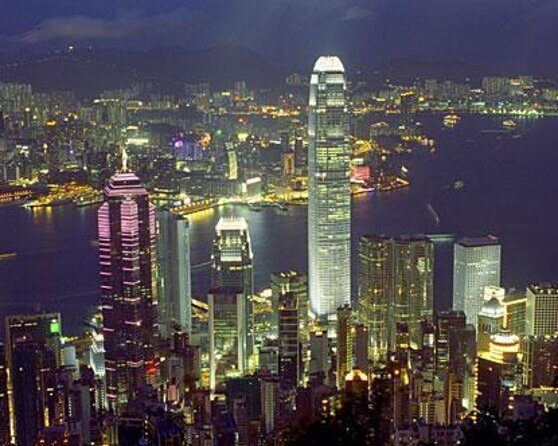
Victoria Peak: views plus the why behind the skyline
If you choose the Peak, you’re not just collecting a photo. You’ll see how the city developed and which buildings matter to the story of Hong Kong’s growth. For many visitors, this becomes the anchor stop that makes everything else make sense.
Practical note: Peak visits often mean steps and walking near viewpoints, so wear shoes with grip and plan for slow moments if it’s crowded.
Sheung Wan: Chinese medicine and the food side of tradition
Sheung Wan is great if you want culture that feels practical, not museum-like. The theme here is Chinese medicine and medicinal foods, which can lead to interesting conversations about how beliefs show up in everyday choices.
You’ll likely get context that helps you notice details you’d otherwise walk past: where tradition shows up in shopfronts, how people talk about remedies, and why certain foods are linked to health practices.
You can also read our reviews of more private tours in Hong Kong SAR



Central: banking, Feng Shui, and the business architecture mindset
Central is where Hong Kong shows its financial power, but this stop goes further than tall buildings. Expect a guided look at banking and the business district, plus an explanation of Feng Shui in architecture and business.
That’s useful because it teaches you how to read the city. Even if you’re not a Feng Shui believer, you’ll understand why people talk about it and how it influences design choices and business thinking.
Soho: the world’s longest escalator and Hong Kong’s Western angle
Soho can feel like Hong Kong’s answer to a European-style night stroll. One of the featured experiences here is riding the world’s longest escalator system, which is both a fun ride and a shortcut to understanding how the city handles elevation.
Along the way, your guide can show you the most Westernised side of Hong Kong while still explaining the local logic behind the streets and shopping culture.
Tsim Sha Tsui: older landmarks, marine history, and a waterfront mood
Tsim Sha Tsui is one of the best places to get history in view. You might pass Hong Kong’s older notable buildings, including the Peninsular Hotel and Hullet House, the former marine police headquarters.
This area works well for an afternoon because it balances “old walls” with waterfront energy. It’s also a natural spot if your route aims to connect the city’s past to what you see today.
Mong Kok: Flower Market, Bird Market, Goldfish Market, Ladies Market
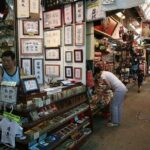
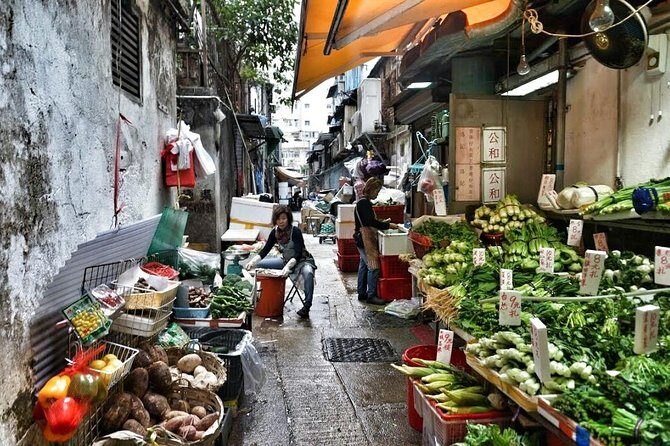
If your idea of Hong Kong includes sensory overload, Mong Kok delivers. You can build a market route around the Flower Market, Bird Market, Goldfish Market, and Ladies Market.
A good guide will also help you avoid the trap of walking through without understanding. You’ll get context on why these markets exist, what kinds of shopping culture show up here, and how the city’s trade patterns shape daily life.
Sham Shui Po: everyday Hong Kong, not just postcards
Sham Shui Po is often a reality check. The theme is the least affluent area of Hong Kong and what day-to-day life can look like for the average Hong Konger.
If you want less polished scenery and more lived-in city detail, this stop helps. It’s also a great contrast to the Peak and Central stops, so the city feels less like a highlight reel.
Aberdeen: harbor views and JUMBO, the floating restaurant
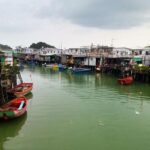
Aberdeen is the option if you want water and maritime atmosphere in your walking day. The plan may include a short cruise through Aberdeen Harbour and a look at the famous floating restaurant JUMBO.
This part matters because it shows a side of Hong Kong that doesn’t depend on skyscrapers. Even in a short time window, the harbor vibe can reset your energy.
Stanley: promenade strolling, markets, and pirate-lore history
Stanley is for people who want an easygoing final act. You can stroll the promenade, shop at Stanley Markets, and learn about Stanley’s history as a base for pirates.
This tends to feel slower and more relaxed than the central districts. It’s a nice match if you want a calmer pace after busier neighborhoods.
Getting there on foot: steps, uneven pavement, and what to wear
The tour is walking-first. You should be able to walk 5+ kilometres unaided, including hills, steps, and uneven sidewalks. If you’re not steady on your feet, don’t assume you can power through because your guide may reduce walking by taking taxis rather than MTR, but you’ll still need to handle steps and uneven pavement.
So pack for grip and comfort:
- Wear shoes you trust on slick or crowded sidewalks
- Plan for frequent short stops for photos and explanations
- Bring water if you tend to get thirsty, since food and drinks are not included
Transport is also extra. You’ll use MTR, trams, taxis, or boats/ferries only if your route needs it, but those costs aren’t part of the price. The tour calls these costs minimal, but you should still expect to pay as you go.
How Victoria Peak, Soho, and Central fit together in a 5-hour window
A five-hour private route has to be smart about geography. That usually means picking one “big view” area (like Victoria Peak), one dense culture layer (like Central or Sheung Wan), and one human-scale neighborhood (like Soho or a market district).
If your goal is a classic Hong Kong mix, a likely flow is: start with Central for architecture context, head toward Soho for escalator street life, then move toward Victoria Peak for the skyline payoff. If you choose Tsim Sha Tsui, it can work as the history-and-water stretch, before you pivot to markets.
The key advantage of a private guide is you don’t waste time debating. You can say what you want most, then let the guide build a route that hits it without turning your day into a cardio punishment.
Markets, temples, and street-level culture
Hong Kong’s meaning often lives at street level. That’s why market stops and temple stops tend to create strong “aha” moments.
Market areas like Mong Kok are ideal if you want to see how people shop, what goods cluster where, and why these streets feel so busy even at odd hours. A guide can also help you move confidently through crowded lanes, and point out what to notice besides the obvious.
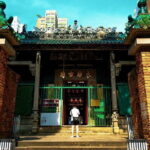
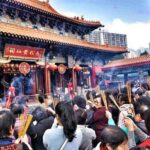
Temple stops connect culture and daily belief. The tour may include temples tied to Taoism and Buddhism, plus explanations about offerings and fortune telling. That’s more than trivia. It gives you a lens for what you see and why you might notice incense smoke, specific rituals, or small signs of belief throughout the area.
Food planning: what you get, and what you’re paying extra for
Food and drinks aren’t included. That’s normal for a walking tour, but it changes how you should plan.
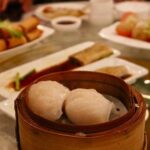
If you want a food-focused afternoon, treat this as a guided tasting route rather than a meal plan. Tell your guide what you like (for example, dim sum, wonton noodles, BBQ pork, fish balls, or egg puffs), and ask for practical stops that fit your walking rhythm. Your guide can help you choose places and navigate the city’s food culture without you hunting blindly.
In a praised example, a guide built the day around markets, a temple, and then lunch. That suggests you can absolutely work a meal into the plan, as long as you’re ready to pay for it.
Price and value: what $307 buys in real terms
At $307 for about 5 hours, you’re paying for privacy, planning, and guidance. This isn’t cheap, but in Hong Kong, “cheap” often means you lose time, context, or comfort.
Here’s what you’re getting that matters:
- A professional private guide who can tailor the day
- Hotel pickup (so you don’t lose your start time)
- A small group cap (max 6), which supports a true walking experience
- A mobile ticket (helpful, since you don’t need paper juggling)
What you’re not getting:
- Food and drinks
- Transport costs like MTR/trams/taxis/boats/ferries used during the tour
- Souvenirs and personal expenses
If your alternative is a basic group tour or DIY scrambling across neighborhoods, you’ll probably feel the value most strongly when your guide helps you pick the right stops and explains what you’re seeing while you’re actually there.
Also, group discounts are offered, which can make the math easier if you’re traveling with a small group of friends or family.
Weather, timing, and a rare but important no-show risk
Good weather is required. If conditions are poor, the tour may be canceled and you’ll be offered a different date or a full refund. Since Hong Kong weather can turn fast, it’s smart to check forecasts closely for your travel window.
One caution from a past experience is a guide no-show, with no contact answer and an hour waiting at the hotel lobby pickup location. This is the exception, not the norm, but it does point to a practical lesson: confirm your guide’s contact info after booking, keep it saved offline, and don’t assume the first message equals solid day-of communication.
If you’re traveling with tight plans after your tour, consider leaving a buffer around the 9:30am start so one delay doesn’t snowball into missed reservations.
Who should book this tour, and who should skip it
This tour is a strong match if:
- You want a short Hong Kong intro that actually makes sense
- You like getting local context while walking
- You want flexibility to choose neighborhoods and change plans
- You value hotel pickup and a small group size
It may not fit if:
- You struggle with 5+ km walking, hills, steps, or uneven pavement
- You need fully contained indoor breaks all day
- You hate the idea of paying extra for transport and meals
- You’re expecting the tour to be fully self-contained with no follow-up decisions
If you’re a first-timer who wants structure without a rigid script, this is the kind of half-day that gives you momentum for the rest of your trip.
Should you book the 5-Hour Private Customized Walking Tour?
I’d book this if you’re trying to get your bearings fast and you don’t want to spend your day guessing. The mix of private attention, a flexible route, and a guide who can explain what you’re seeing makes it a strong value for limited-time Hong Kong visits.
Skip it if your mobility is limited or if your schedule is so tight that you can’t handle weather changes. And do yourself a favor by confirming contact details the day before, just in case, because one documented no-show is enough to justify a little extra caution.
If you’re ready to walk, talk, and pick the right neighborhoods, you’ll end the day with a clearer picture of Hong Kong than most people manage on a longer trip.
FAQ
How long is the tour and when does it start?
The tour runs for about 5 hours and starts at 9:30am.
Is this a private tour, and how many people are allowed?
Yes, it’s private. Each booking has a maximum of 6 people.
Does the price include hotel pickup and the guide?
Yes. The tour includes a professional guide and hotel pickup, and it’s a private tour.
Are food, drinks, and transportation included?
No. Food and drinks are not included, and transport costs like MTR, trams, taxis, boats, and ferries used during the tour are also not included.
Can I choose what neighborhoods to visit?
Yes. You can customize the itinerary based on your interests, and popular options include areas like Victoria Peak, Sheung Wan, Central, Soho, Tsim Sha Tsui, Mong Kok, Sham Shui Po, Aberdeen, and Stanley.
What if the weather is bad or I need to cancel?
The tour requires good weather. If it’s canceled due to poor weather, you’ll be offered a different date or a full refund. Cancellation terms allow full refunds if you cancel at least 6 days in advance.