REVIEW · SHENZHEN
Untold story of Shenzhen , Electronic & Dongmen Market tour
Book on GetYourGuide →Operated by Fantasia Tours · Bookable on GetYourGuide
Shenzhen feels like Hong Kong’s past turned market. This Shenzhen Electronic & Dongmen Market tour mixes major street-side shopping with one of China’s old border stories, plus a guide who helps you negotiate. You’ll start at Huaqiang North station and work your way through the big electronic bazaar, the historic Dongmen shopping lanes, and the Luohu checkpoint area.
I especially like the practical deal-making help—your guide steps in so you’re not stuck guessing how to bargain in a loud, fast market. I also like the contrast: modern gadgets at Huaqiangbei, then Dongmen’s long-running old-school bargain culture, including the area tied to China’s first McDonald’s.
One consideration: part of the route passes by the unofficial red-light district area known as Mistress Village, so if you’d rather skip any “older Hong Kong-era” adult-adjacent history, think twice. Also, expect a lot of walking on uneven sidewalks and standing in market aisles.
In This Review
- Key highlights you’ll actually feel on the ground
- Entering Shenzhen’s market world: why this tour feels different
- Huaqiangbei at street level: Asia’s electronics market and how to shop smart
- Dongmen Old Street: where old shopping habits meet a classic fast-food milestone
- Mistress Village by Luohu: the checkpoint era story behind the shopping
- Luohu Port and the knock-off mall: bargain culture at the border
- Bargaining with help: how the guide changes your odds
- What $40 buys you in real terms
- Who this Shenzhen market tour suits best
- Should you book this tour with Fantasia Tours?
- FAQ
- Where does the tour start and end?
- What stops are included in the tour?
- How much does the tour cost?
- What’s included in the price?
- What language will the tour be in?
- What should I bring?
- Is there help with bargaining?
Key highlights you’ll actually feel on the ground
- Huaqiangbei electronics chaos with real shopping power, where trade moves fast and vendors sell everything from gadgets to parts
- Dongmen Old Street’s long-running bargain vibe, dating back to Qing dynasty shopping traditions
- A replica 1980s slum stop at the Nostalgic (Commune Canteen), which adds a time-warp break from buying
- Luohu Port, opened in 1950 and described as one of the oldest border crossings between Hong Kong and China
- Mistress Village area exposure, an unofficial red-light district connected to the 1990s income-gap story
- Guide-assisted bargaining, including negotiating at multiple stops so you can shop smarter
Entering Shenzhen’s market world: why this tour feels different
This is not the kind of “shopping street” loop where you window-shop and call it a day. You’re moving through places that shaped how people in Shenzhen and Hong Kong traded, shopped, and lived—then you’re using a guide to turn that context into better prices.
What you get is a street-level mix. First, the big-ticket electronic market at Huaqiangbei. Then the older, more human-scale experience of Dongmen Old Street, with food breaks and old-school browsing. Finally, you reach the Luohu checkpoint area, where the mix of history and commerce makes the whole experience feel like a living timeline.
The price is also a big part of the value story. At $40 per person, the tour is built around the most expensive skill to buy while shopping: someone who can negotiate and keep you oriented in places that are overwhelming on your own.
You can also read our reviews of more shopping tours in Shenzhen

Huaqiangbei at street level: Asia’s electronics market and how to shop smart
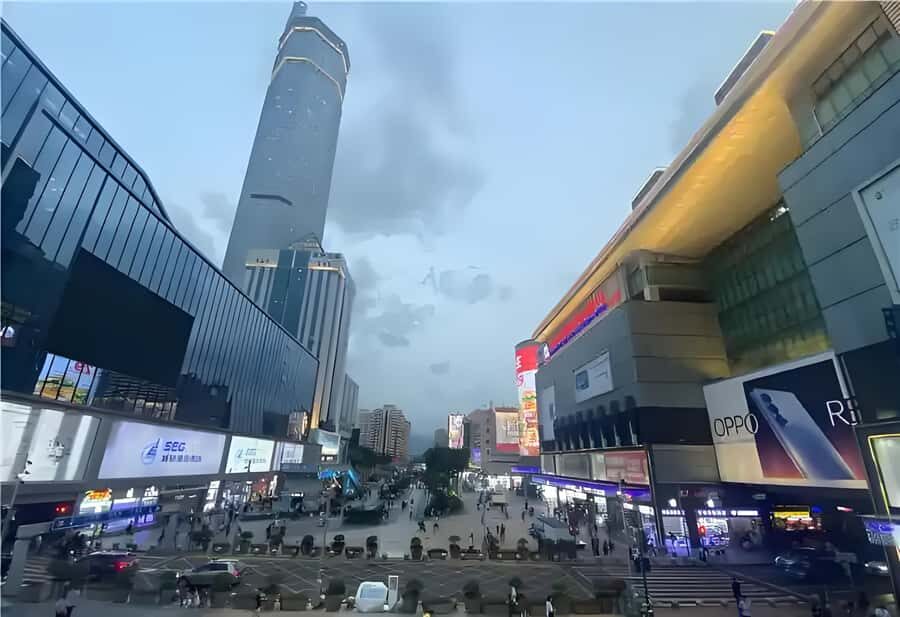
Your tour begins at Huaqiang North station Exit B at street level. That matters because Huaqiangbei is not a neat mall. It’s a dense zone of sellers and aisles, where you’ll see hundreds of vendors wheeling goods and handling fast-moving sales.
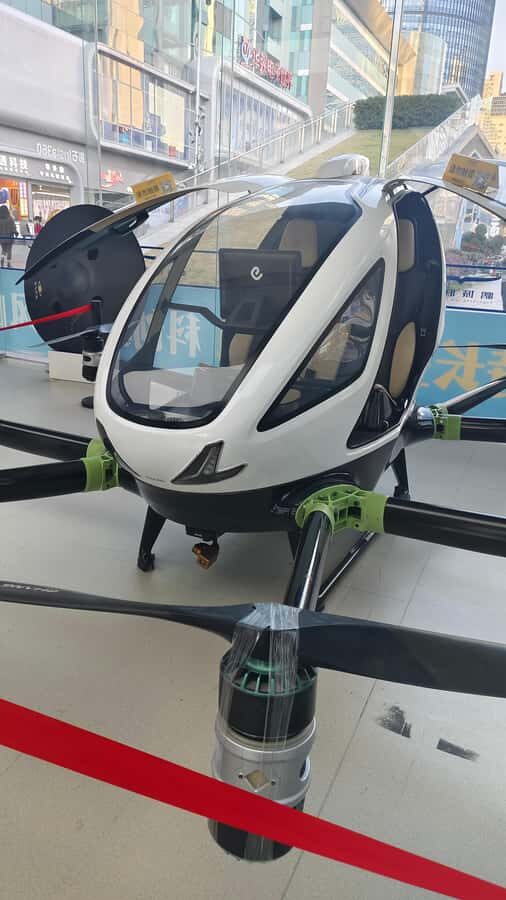
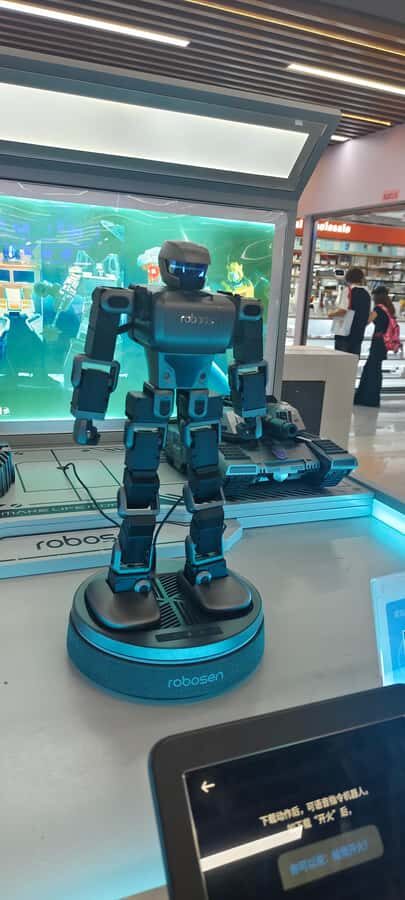
Huaqiangbei is often described as Asia’s biggest electronics market, and the vibe matches that description. You’ll feel how global Shenzhen electronics really are: goods circulating quickly, prices negotiated on the spot, and constant attention from shop staff who want to close a sale.
Here’s the key for you: this market is easiest when you’re goal-driven. Decide what category you want first—drones, phone accessories, components, or “everyday tech.” Then ask your guide for help comparing options rather than jumping at the first offer.
Even with a guide, remember how these markets work. It’s normal to see sellers with similar items and different price tiers. Your bargaining power comes from knowing what matters to your purchase: brand naming (if you care), specs (if you’re technical), and whether you’re buying for fun or for a real use case.
Practical tip: comfortable shoes are non-negotiable here. Expect standing and walking through tight spaces, and you’ll want to keep your energy for Dongmen and Luohu after.
Dongmen Old Street: where old shopping habits meet a classic fast-food milestone
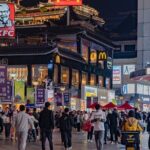
After Huaqiangbei, you’ll stroll into Dongmen old street, a shopping district locals have used for daily bargains since Qing dynasty times—about four centuries of “this is how we shop” culture. That long timeline shows up in the street rhythm: multiple stops, lots of browsing, and the feeling that the area was built for people who plan to spend time.
This is also where you get a meaningful break from pure tech. Dongmen is a strong food zone, and it’s one of the reasons the day stays enjoyable even when you’re bargaining. If you like eating while you wander, you’ll enjoy this part because the shopping doesn’t feel sterile.
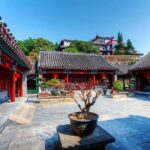
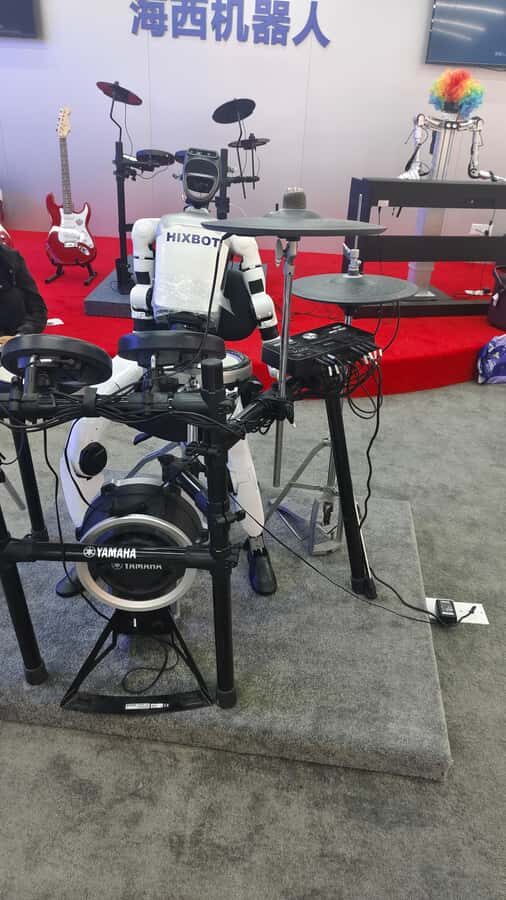
One of the most interesting stops is the Nostalgic (Commune Canteen) inside a replica of an 1980s slum. You should think of this as more than a themed photo spot. It’s a time-warp pause that reminds you that shopping streets aren’t only about consumer goods—they’re also about social memory, how people once lived, and how that era is remembered.
And yes, Dongmen is tied to a major milestone: it’s where China’s first McDonald’s is located. That detail helps you frame the place. You’re not just buying snacks—you’re walking through a corner of Shenzhen where global brand history and local street commerce overlap.
A realistic note: Dongmen can be busy, and “bargain browsing” can mean lots of small decisions. If you get tired fast from decision fatigue, let your guide help you narrow choices early.
Mistress Village by Luohu: the checkpoint era story behind the shopping
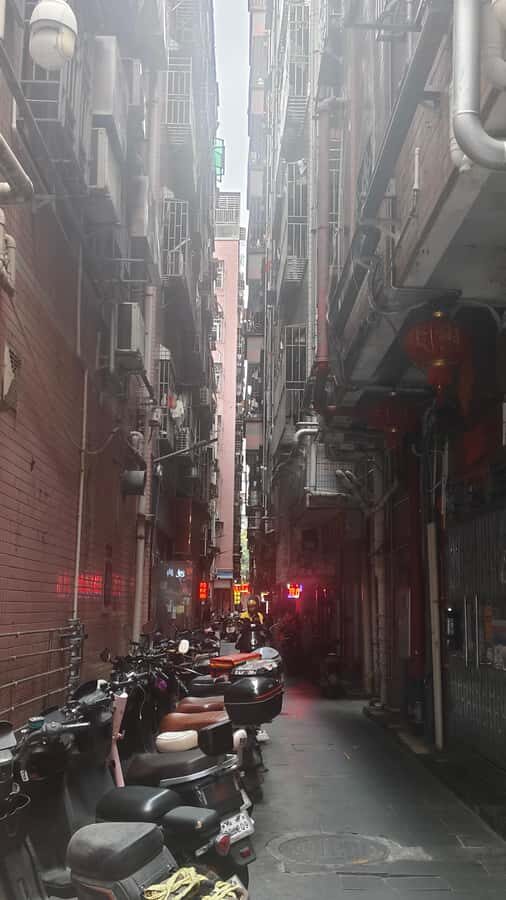
Next comes Luohu Port, one of the busiest checkpoint areas between China and Hong Kong. The port was officially opened in 1950, which is why it’s often described as one of the oldest border crossings connecting the two regions.
On the way, you’ll pass by the unofficial red light district area known as Mistress Village, connected to the 1990s story of income disparity—described as around ten times—that made the area a playground for Hong Kongers.
Why include this in a market tour? Because in this part of Shenzhen, markets aren’t separate from history. The commercial energy near Luohu exists for a reason: where people cross, trade, and look for goods, the local economy grows around that movement.
I think the value here is contextual. Even if you’re mostly shopping for electronics or souvenirs, you’ll understand why the Luohu zone feels like a different world from interior Shenzhen. It’s a border economy. The guide’s job is to connect the street scene to the background story so you don’t experience it as random chaos.
Sensitivity note (important): Mistress Village is described plainly as an unofficial red light district. If that theme makes you uncomfortable, treat this tour like a “history-and-commerce” experience, not a casual shopping walk.
Luohu Port and the knock-off mall: bargain culture at the border
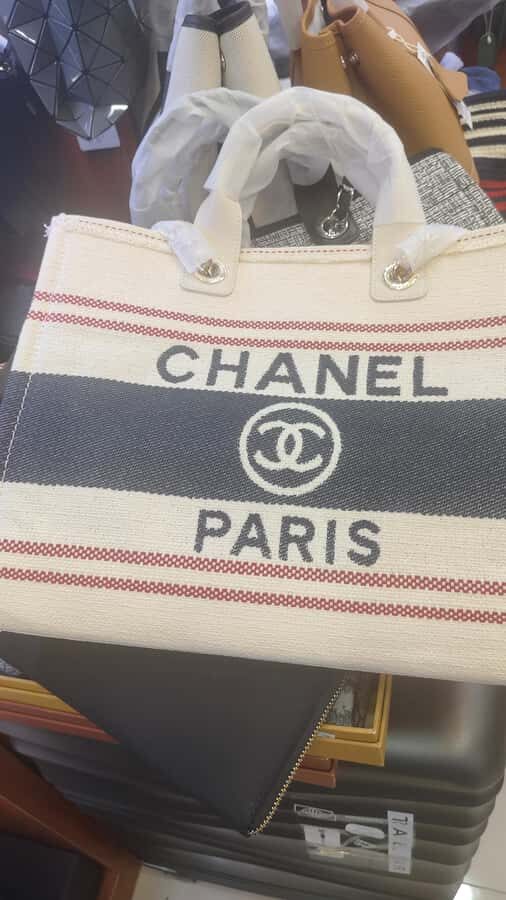
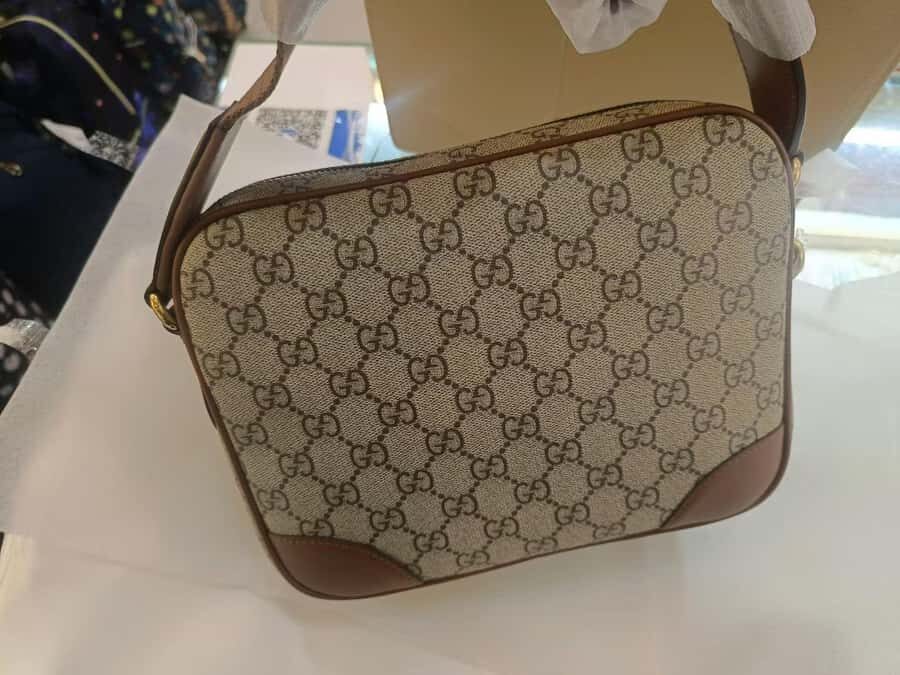
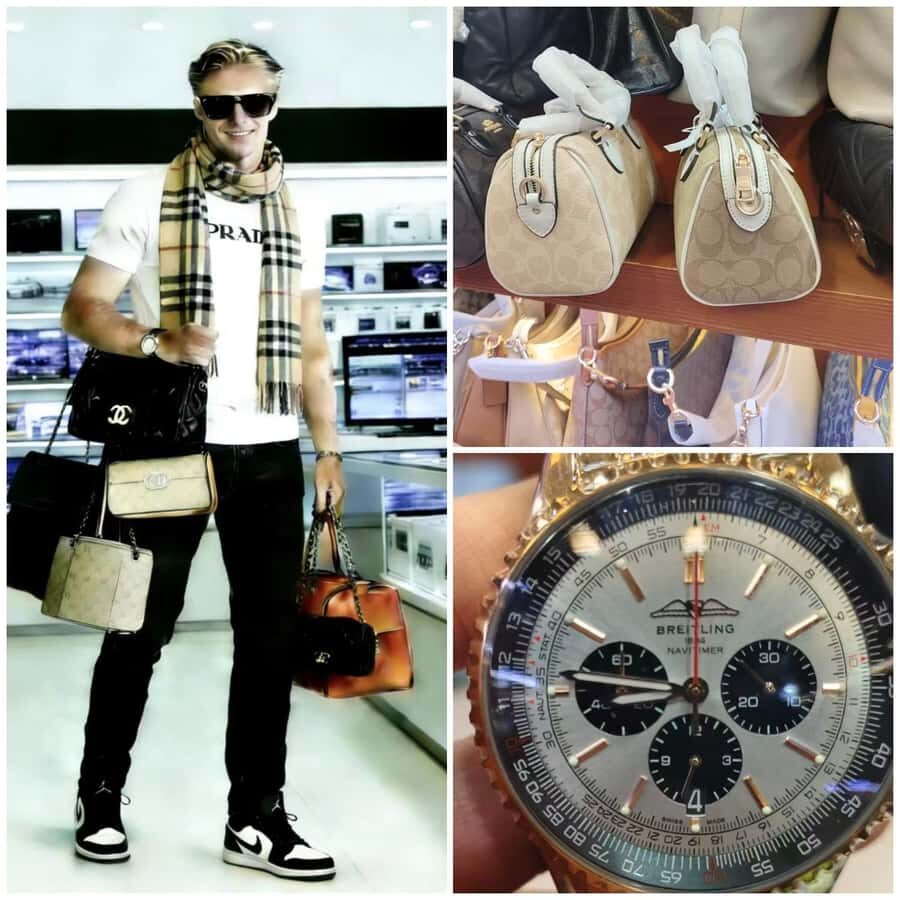
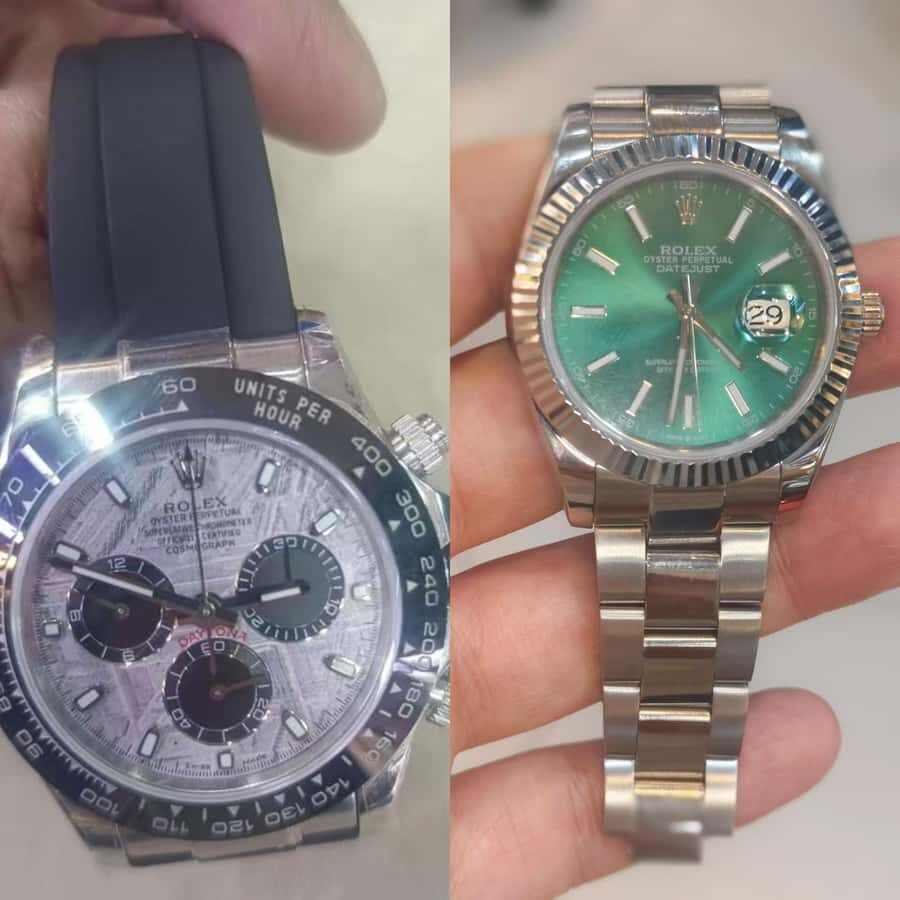
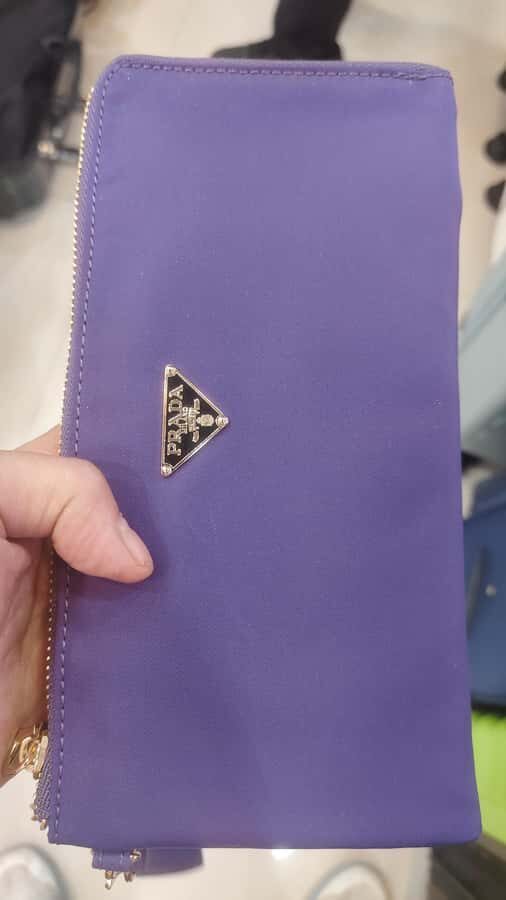
After seeing the Luohu checkpoint area, you’ll go into the biggest nearby mall stop described as selling knocked off merchandises. The tone here is very different from Huaqiangbei’s electronics lanes.
At the border, you’ll often see more “brand-style” shopping—items designed to look like well-known names. A lot of people come for novelty, price, and the thrill of the hunt, but you should also be aware of the practical downside: counterfeit items can be risky for what you can bring home, depending on customs rules where you live.
I’m not here to lecture you. Just don’t assume every purchase is risk-free. If buying knock-offs is part of your fun, keep your expectations realistic and don’t plan on using them like legitimate branded products.
This is also where the guide’s bargaining helps the most. When you’re dealing with mall-style sales pressure, it’s easy to overpay if you don’t understand what’s negotiable and where the seller expects friction.
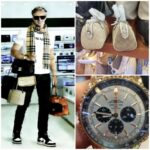
One shopper’s experience captured the vibe: a very convincing Cartier-style item was reportedly found in the knock-off market. Whether that’s your goal or not, it tells you the mall stop isn’t selling cheap “junk” only. You’re seeing goods marketed to look real enough to tempt buyers.
Practical advice: if you care about quality, ask questions about what you’re actually getting (and test what you can). If it’s just about the look, decide your budget before negotiation gets emotional.

Bargaining with help: how the guide changes your odds
The tour’s standout service is simple: the guide helps you bargain with the merchants on behalf of clients. That matters because bargaining in a market is not just about the price. It’s about timing, tone, and knowing when to walk away.
In a huge market like Huaqiangbei, sellers move quickly and conversations can turn into a sales sprint. With help from your guide, you can slow the process down enough to compare options, ask for better pricing, and avoid being pressured into the first number offered.
And since the guide assists at multiple stops—not only at electronics—you’re not starting from scratch after the first purchase. You’re using the same bargaining “muscle” across different zones, which increases your chance of getting fairer deals.
If you’ve never bargained in China before, don’t treat it like a test of toughness. Treat it like a conversation. Be polite, stay clear about what you want, and let the guide do the heavy lifting when you feel stuck.
A small mindset shift helps a lot: you’re not trying to “win” every price. You’re trying to get a reasonable match between the item and what you’re willing to pay.
What $40 buys you in real terms
At $40 per person, this tour isn’t expensive for a day that covers multiple distinct zones: Huaqiangbei’s electronics market, Dongmen Old Street and its 1980s-themed canteen stop, plus Luohu Port and a knock-off mall area.
The value isn’t just transportation or “being shown around.” The value is the negotiation assistance. In markets like this, bargaining skill changes what you pay by a lot more than most people expect.
Also, you’re buying context. Without a guide, you can end up lost in the noise, or you might skip the “why this place matters” parts. Here, the route is designed to connect shopping with the region’s Hong Kong–Shenzhen history through Luohu and the Mistress Village area.
Balanced take: this tour is best for people who like shopping and want help navigating deal-making. If you’re looking for quiet museums or scenic viewpoints, you may find the day more transactional than contemplative.
Who this Shenzhen market tour suits best
This is a strong fit if you:
- like bargain hunting and don’t mind negotiating
- want a guided route through both old street shopping and large electronics trading
- enjoy learning how commerce connects to local history
- are comfortable with a route that includes the Mistress Village area near Luohu
It’s a weaker fit if you:
- hate loud, crowded market spaces
- prefer “above-board” shopping only and feel uneasy about knock-off merchandising
- want a slow, low-pressure sightseeing day
If you do like shopping, you’ll probably appreciate the pace. It keeps you moving from “electronics wow” to “street history and food” to “border-crossing story,” so the day feels like a progression instead of a random crawl.
Should you book this tour with Fantasia Tours?
If you want a Shenzhen day that mixes electronics, old street life, and the Luohu border era story—while getting practical bargaining help—this is the kind of tour that tends to work. At $40, you’re not paying for luxury. You’re paying for someone to help you shop smarter in places where getting the best price without guidance is harder.
Book it if you’re excited by the idea of Huaqiangbei’s scale, Dongmen’s long-running bargain lanes (including the Nostalgic Commune Canteen stop and the first McDonald’s area), and Luohu’s checkpoint history.
Skip it if you’re shopping for a gentle, polished “city highlights” day or you’d rather avoid the Mistress Village and knock-off mall themes entirely.
If you do book, come prepared to walk, speak up about what you want, and let your guide do what they’re there to do: negotiate and keep your day from becoming random bargaining chaos.
FAQ
Where does the tour start and end?
The tour starts at Huaqiang North station, Exit B, at street level. It ends back at the same meeting point.
What stops are included in the tour?
You’ll visit Huaqiangbei (the electronics market), Dongmen Old Street (including the Nostalgic Commune Canteen in a replica 1980s slum), and the Luohu Port area, including a pass by the Mistress Village area and time in the mall that sells knocked off merchandise.
How much does the tour cost?
The price is listed as $40 per person.
What’s included in the price?
The tour includes a tour guide.
What language will the tour be in?
The tour language is English.
What should I bring?
Wear comfortable shoes, since you’ll be walking through markets and streets.
Is there help with bargaining?
Yes. The guide will help negotiate with merchants on your behalf during the market portions of the tour, aiming to get you a better price.