REVIEW · BEIJING
Beijing: Hutong Breakfast Food Tour
Book on GetYourGuide →Operated by Lost Plate Food Tours · Bookable on GetYourGuide
Breakfast has a dare built in. This Beijing Hutong breakfast food tour turns a simple morning into a guided walk through hutongs and a lineup of classic foods you’d miss on your own. I love the sheer range—12+ dishes across 5+ hidden spots—and I especially like how the guides (Kelly, Lynn, and Yoyo show up in bookings) explain what you’re eating in plain, story-rich terms. The main drawback to plan for: you may hit a stretch of sweet red bean paste desserts back-to-back, which can be a lot if you’re not a fan.
If you want Beijing that feels older than the big sights, this tour aims right there: stone doorways, signs, and courtyards inside the hutong maze. You’ll also get a market moment, then a steady stream of food and drinks, with the pace set for eating rather than sightseeing.
It’s a smart way to spend 3 hours—but it’s not a sit-down meal. Wear comfortable shoes, expect a fair bit of walking on uneven paths, and skip it if you have mobility limits since it isn’t set up for wheelchair users or reduced mobility.
In This Review
- Key things that make this tour worth your time
- Hutong breakfast: why this 3 hours feels like an all-access pass
- Finding the meeting point (and the yellow tote clue you can’t miss)
- What you’ll actually eat: from zongzi to douzhi to cheesy jianbing
- Aunt Jie’s zongzi: the handmade start that sets the tone
- Douzhi: the Michelin-recognized tradition that asks for nerves
- Mr. Yu’s beef flatbread and tofu pudding: classic comfort in two textures
- Jianbing with a cheesy twist: the street snack you’ll keep thinking about
- Imperial-era sweets: the fun, lighter side
- How hutong details turn into real stories
- The pace and comfort reality check (this isn’t a museum tour)
- Price and value: why $45 can work better than a solo breakfast plan
- Vegetarian-friendly, but plan for real substitutions limits
- Who should book this tour (and who might want another option)
- Should you book this Beijing Hutong Breakfast Food Tour?
- FAQ
- How long is the Beijing Hutong Breakfast Food Tour?
- What’s included in the price?
- Where do I meet the tour?
- What subway line should I take?
- Is the tour vegetarian-friendly?
- What should I bring, and what can’t I bring?
- Is the tour accessible for people with mobility impairments?
Key things that make this tour worth your time
- Aunt Jie’s handmade pork zongzi: wrapping that tastes like a family recipe, not a menu item.
- Douzhi, Beijing’s bold signature: the Michelin-recognized tradition that’s all about raw taste and learned bravery.
- Mr. Yu’s beef flatbread and tofu pudding: comfort foods that feel like childhood favorites once you try them.
- Hutong details most people overlook: stone doorways, courtyard layouts, and the little signs that tell you who lived where.
- Jianbing with a cheesy twist: a hole-in-the-wall style you can’t easily replicate at home.
- Unlimited drinks at multiple stalls: water and soft drinks keep you going between bites.
Hutong breakfast: why this 3 hours feels like an all-access pass
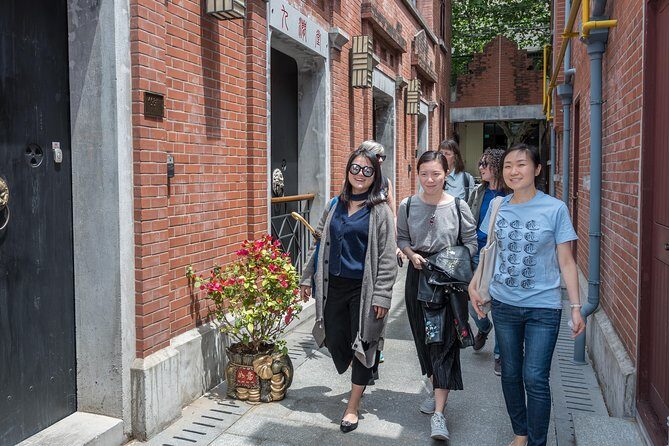
Beijing breakfast isn’t one thing. It’s a whole mood—savory, smoky, sweet, and sometimes a little weird in the best way. This tour leans into that reality. You’re not just sampling; you’re moving through neighborhoods where food is part of daily life, and the guide helps you read the place as you go.
I like that the experience is built for eating. You get unlimited food and drinks across 6+ eateries and street stalls, which matters because Beijing’s best street food choices are rarely the same as what’s easy to order as a first-timer. The tour’s job is to remove the guesswork: what to try, when to try it, and what matters about each dish.
The best part is the balance. You get comfort food, crunchy street food, and at least one item that’s more of a challenge than a snack. That “try it or skip it” feeling is exactly how street food should work—nobody forces you to love everything, but you get to meet the flavors where they actually live.
You can also read our reviews of more food & drink experiences in Beijing
Finding the meeting point (and the yellow tote clue you can’t miss)
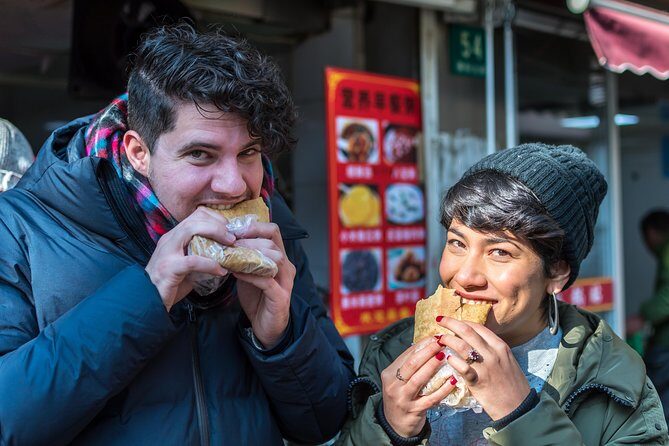
You meet at Zhongguo Meishuguan (National Art Museum) Subway Station, Exit B, street level. Your guide will be carrying a bright yellow Lost Plate tote bag. It’s such a practical detail that it instantly lowers stress—especially on a morning when you’re already running on travel sleep and subway maps.
Get there via the subway. This station is on line 8. When you exit, look for Exit B and your guide upstairs outside the exit. Also, allow extra time: traffic around this area can be heavy during rush hour.
If you’re using Google Maps, you’ll likely need a VPN in China. There’s also a Baidu map link provided, which is usually the more reliable option locally. Bottom line: pick the map route that gets you there with the fewest wrong turns, then show up a few minutes early and wait under the station area until you spot the yellow bag.
What you’ll actually eat: from zongzi to douzhi to cheesy jianbing
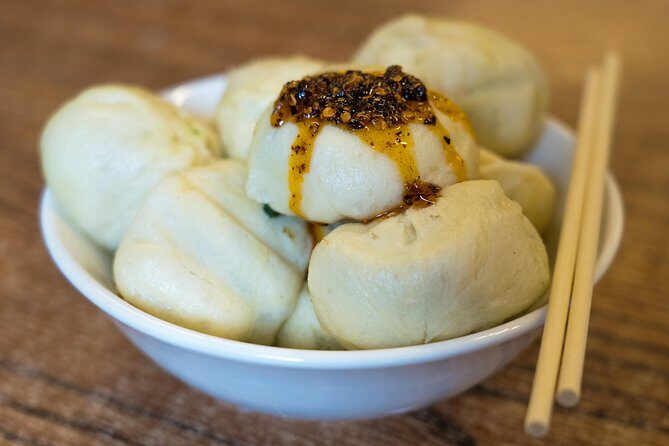
This tour’s value is that the food list isn’t random. It’s a sequence of Beijing staples and street classics, with the guide explaining the “why” in a way that makes each bite more memorable.
Aunt Jie’s zongzi: the handmade start that sets the tone
Early on, you’ll visit a local market and try Aunt Jie’s handmade pork zongzi. Zongzi are traditionally wrapped, steamed rice dumplings—often associated with the Dragon Boat festival—but here the focus is on craft and texture. When food is handmade, the difference shows up immediately: the cling of rice, the way the filling tastes integrated instead of bolted on, and the overall balance of salty and aromatic.
If you’re new to zongzi, this is a great entry point because it’s flavorful without needing a special palate. And if you already know zongzi, this kind of handmade version is still worth it just to compare the feel and seasoning.
Douzhi: the Michelin-recognized tradition that asks for nerves
Then comes douzhi—described as Beijing’s boldest tradition and recognized by Michelin. Douzhi is fermented soybean curd, and it can be intense. Even if you’re a fearless eater, expect it to be a “slow down and decide” dish rather than a quick bite.
The tour’s advantage here is guidance. You’ll learn how locals think about it and what to notice in taste and aroma. That doesn’t magically make it mild, but it does give you context—so you’re reacting as a taster, not just as a tourist trying to power through a smell.
A few more Beijing tours and experiences worth a look
Mr. Yu’s beef flatbread and tofu pudding: classic comfort in two textures
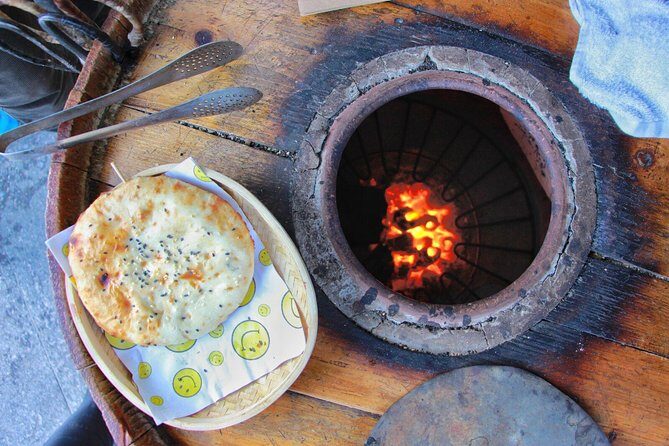
After the bold dish, the tour steadies the ship with Beijing comfort food: Mr. Yu’s beef flatbread and tofu pudding. This part matters because it gives you contrast. You’ll go from fermented intensity to something more familiar in structure—flatbread with beef, then a softer, spoonable dessert-like pudding texture.
Mr. Yu’s stops are built around childhood favorites, and that concept helps you understand why these foods stick. They’re not just dishes; they’re reminders of how people ate when they were young. When the guide frames it that way, you’ll taste more than flavor—you’ll taste intention.
Jianbing with a cheesy twist: the street snack you’ll keep thinking about
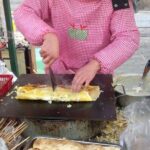
Toward the end, you’ll try jianbing at a hole-in-the-wall favorite spot, including a version with a cheesy twist. Jianbing is already a Beijing breakfast icon—crispy edges, savory egg, wheat, and sauces. The cheesy version adds a new pull: extra richness and stretch, which can make it feel more comforting than spicy or tangy-only versions.
If you love crunchy street food, this is one of the best “walk away with a memory” items. It’s portable, satisfying, and it works with the hutong pace where you’re eating while moving.
Imperial-era sweets: the fun, lighter side
The tour also includes imperial-era sweets—desserts once made for emperors. The exact items aren’t specified in your details, but the concept is clear: you’ll taste a sweet style with a historical vibe, not just whatever candy happens to be popular.
One review highlight also calls out a sweet pancake and an egg and bacon pancake as favorites. If those appear during your date, consider them the tour’s sweet-and-savory payoff: something warm, layered, and very Beijing in its breakfast identity.
How hutong details turn into real stories
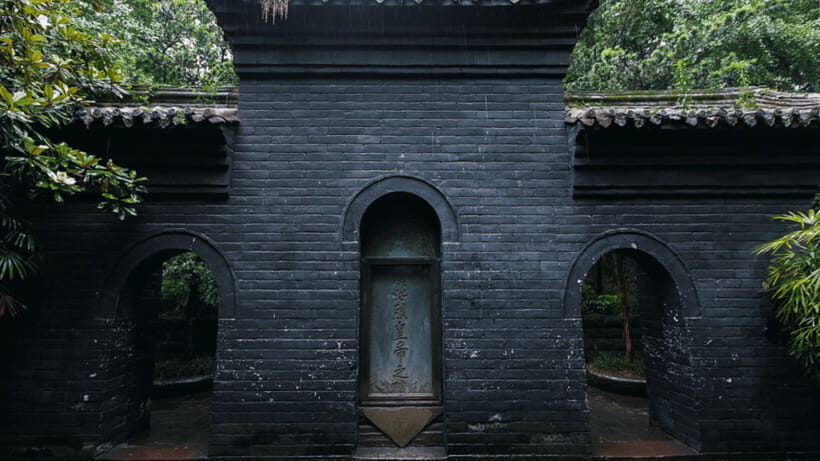
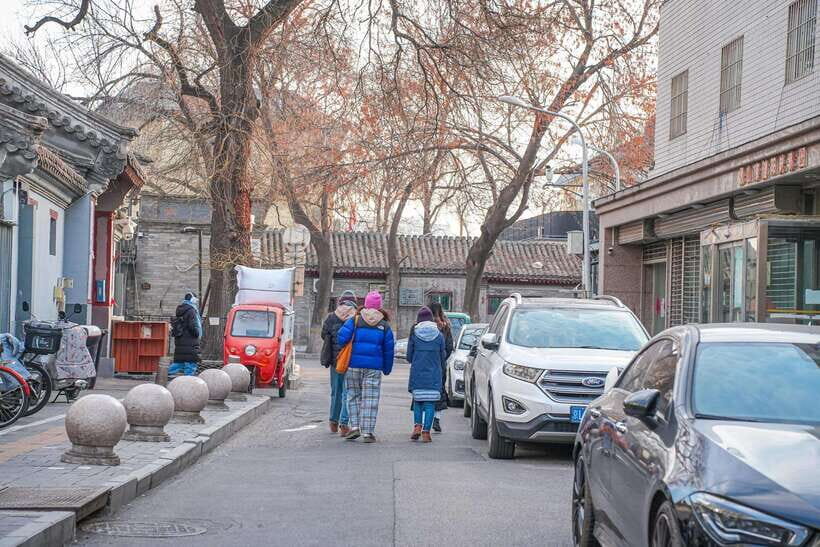
Food is the main event, but the hutong walk is the secret sauce. This tour focuses on the parts of Beijing you’d miss if you were only chasing famous landmarks: stone doorways, signs, and courtyards.
What you get from that walking time is pattern recognition. You start noticing how courtyards shape daily movement and how entrances mark households. Those details sound small until you realize they explain why markets, breakfast spots, and everyday routines fit the street layout so naturally.
It’s also where the guides’ storytelling earns its keep. Guides like Kelly and Yoyo are praised for explaining what you’re about to eat with real context and a friendly pace. That matters because you’ll be looking at places you don’t have time to research on your own—so your guide is doing the homework for you, in a way that doesn’t feel like a lecture.
The pace and comfort reality check (this isn’t a museum tour)
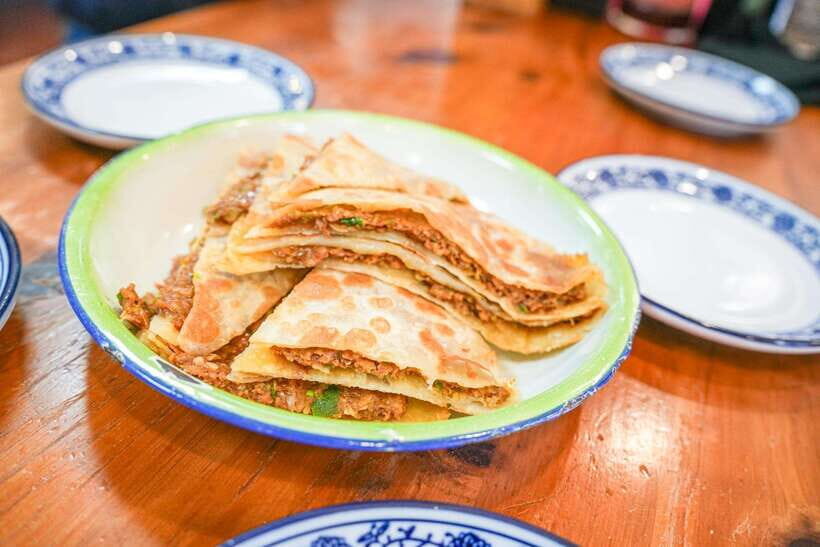
This experience runs 3 hours, and the goal is nonstop tasting. That means you’ll be on your feet, walking between stalls and hidden courtyards, with short moments to eat and move on.
A few practical things to know:
- Comfortable shoes are not optional. Hutong lanes and courtyard paths can be uneven.
- No luggage or large bags are allowed, so travel light.
- It runs rain or shine, so bring something that helps you stay dry or covered without turning the tour into a soaking contest.
If you’re the type who needs long sit-down breaks between stops, you might feel rushed. But if you like a steady food rhythm—one bite leading to the next—this timing usually feels just right.
Price and value: why $45 can work better than a solo breakfast plan
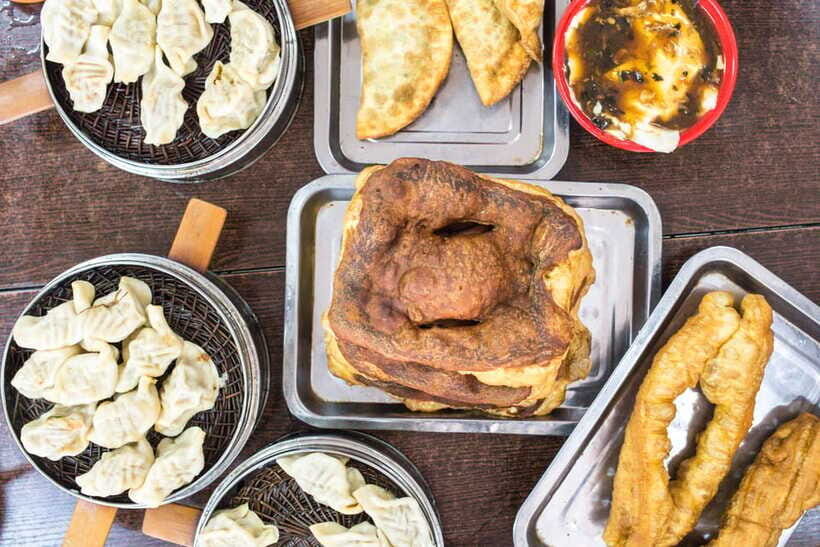
At $45 per person for 3 hours, this tour is mostly paying for two things: access and structure. In Beijing, the difference between an okay street breakfast and a great one is often knowing where to go and what to order.
Here, you’re getting:
- A professional English-speaking guide
- Unlimited food and drinks across 6+ eateries/street stalls
- Unlimited water and soft drinks
So you’re not paying $45 for a handful of bites. You’re paying for a guided tasting route where the guide handles variety, timing, and translation. That’s especially valuable with items like douzhi, where you want context before you decide what you think.
Compared to piecing it together on your own, you also save mental energy. You’re less likely to end up at a convenient but touristy spot, and you’re more likely to eat the things locals treat as normal breakfast—zongzi, jianbing variants, flatbread, tofu pudding, and those bold ferment notes.
Vegetarian-friendly, but plan for real substitutions limits
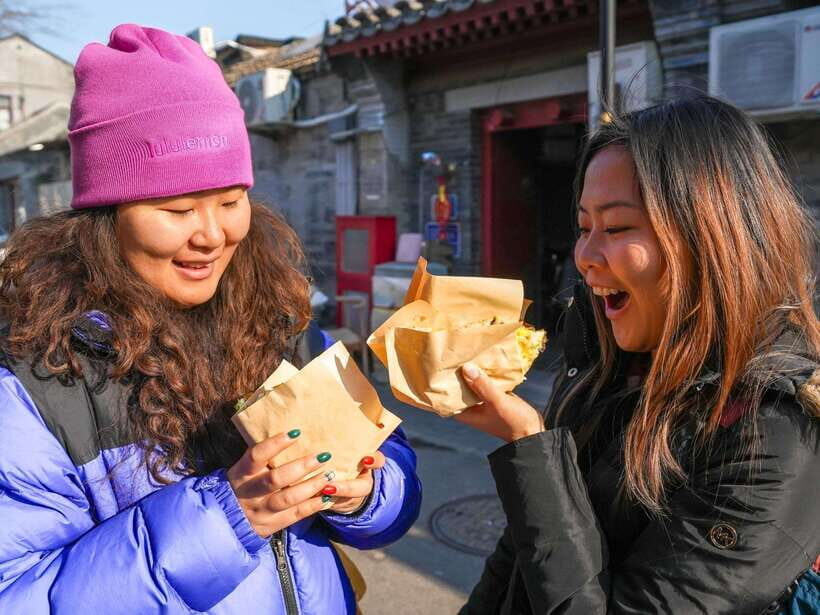
The tour is vegetarian-friendly, but substitutions are not available for every dish. That’s important. It means you may still end up with some meat-adjacent items depending on what’s served at specific stops.
So if you’re strictly vegetarian, don’t treat this as a guaranteed fully vegetarian menu. Instead, treat it as a best-effort experience where some items can work for you, but you might not get a full swap for every dish.
Who should book this tour (and who might want another option)
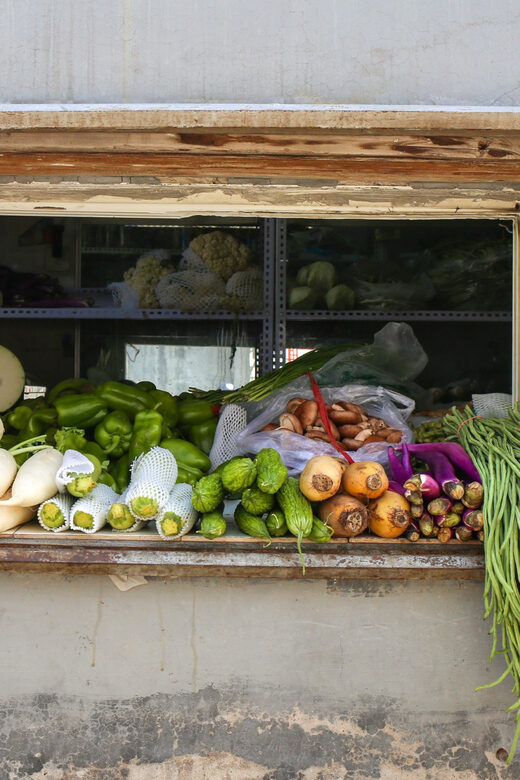
Book it if you want:
- A guided way to eat your way through historic hutongs
- A mix of safe comfort foods and at least one bold challenge like douzhi
- A morning with real local texture: markets, courtyards, street stalls, and breakfast classics
You might skip it if:
- You have mobility impairments, because the tour is not suitable for that
- You’re very sensitive to strong fermented flavors (douzhi is not a subtle dish)
- You dislike tasting lots of sweets at once, since there can be a run of red bean paste desserts
Should you book this Beijing Hutong Breakfast Food Tour?
If you like food tours that feel like a guided walk with real eating built in, this is a strong yes. The mix of familiar comfort foods and Beijing signatures is the winning formula: zongzi for craft, douzhi for bravery, flatbread and tofu pudding for comfort, and cheesy jianbing for that final street-food glow.
I’d especially recommend it if you want hutong atmosphere without spending your limited time guessing where to go. The guides named in bookings—Kelly, Lynn, and Yoyo—are repeatedly praised for making the route easy and explaining the food in a way that clicks.
If you’re vegetarian or you’re picky about sweet desserts, go in with eyes open and plan your expectations. But for most people, this tour is one of the better value ways to do Old Beijing breakfast properly.
FAQ
How long is the Beijing Hutong Breakfast Food Tour?
The tour lasts 3 hours.
What’s included in the price?
It includes a professional English-speaking guide, unlimited food and drinks at 6+ eateries and street stalls, plus unlimited water and soft drinks.
Where do I meet the tour?
Meet at Zhongguo Meishuguan (National Art Museum) Subway Station, Exit B, street level. Your guide will be carrying a bright yellow Lost Plate tote bag.
What subway line should I take?
You’ll use Line 8 to reach Zhongguo Meishuguan. Follow signs to Exit B when you get off the train.
Is the tour vegetarian-friendly?
It is vegetarian-friendly, but substitutions are not available for every dish.
What should I bring, and what can’t I bring?
Bring comfortable shoes. Luggage or large bags are not allowed.
Is the tour accessible for people with mobility impairments?
No. The tour is not suitable for people with mobility impairments.