REVIEW · BEIJING
Beijing: Hutongs & Food & Culture Walking Tour
Book on GetYourGuide →Operated by Sister tours · Bookable on GetYourGuide
Your feet follow ancient Beijing. This tour blends a guided visit to the Beijing Capital Museum with a walk through hutongs and siheyuan courtyards in classic areas like Nanluoguxiang and Shichahai, so you get both context and atmosphere in one outing. I especially like the way the route shows everyday alley life, not just big sights, and I like the food focus—so you know what to look for at local stalls, from jianbing guozi to tanghulu.
One thing to consider: this can be a 3 to 6 hour walking experience, and there are practical rules on bags and behavior, so it helps to travel light and wear comfy shoes.
In This Review
- Key highlights you’ll feel on the ground
- Choosing your start: Gulou, Beijing Capital Museum, or Shichahai
- Beijing Capital Museum guided visit (about 3 hours)
- Hutong walking route: siheyuan courtyards and alley life
- Street food stops: what to order and how to find it
- Teahouse tea ceremony: jasmine or oolong, plus the stories
- Folk craft moments: paper cutting, calligraphy, and possible opera
- Nanluoguxiang and Shichahai: where old Beijing meets present-day life
- Optional rickshaw ride and home visit: when it’s included
- Price and value: what $2.86 buys you in the real world
- Logistics that matter: what to bring and what’s not allowed
- Who this tour suits best
- Should you book this Beijing hutong, food, and culture walking tour?
- FAQ
- What is the duration of the Beijing Hutongs & Food & Culture Walking Tour?
- Where can I start the tour?
- What’s included in the tour price?
- Does the tour include food and drinks?
- What languages are available for the live guide?
- Is the tour accessible for wheelchair users?
- Are pets allowed on the tour?
- Can I take photos with flash or a tripod?
- Is the museum ticket line skipped?
- Is there an age limit?
Key highlights you’ll feel on the ground
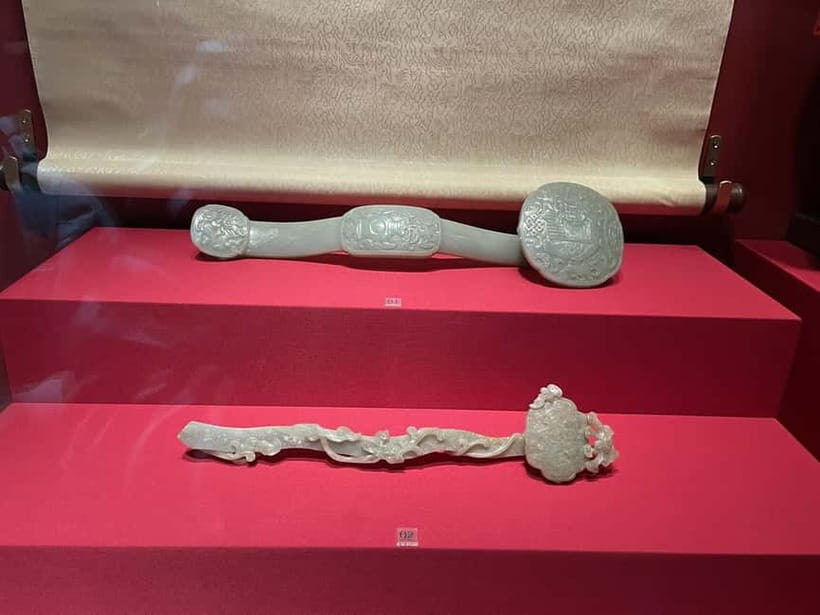
- Three start points (Gulou, Beijing Capital Museum, or Shichahai) help you match your day.
- A guided museum block of about 3 hours gives you the background for what you’ll see in the hutongs.
- Classic hutong neighborhoods like Nanluoguxiang and Shichahai put courtyard life and local routines in front of you.
- Street food guidance points you toward jianbing guozi, tanghulu, and douzhi (with youtiao and preserved vegetables).
- Teahouse tea ceremony time with a tea master, usually centered on jasmine tea or oolong.
- Optional add-ons: some options include a rickshaw ride and a home visit.
Choosing your start: Gulou, Beijing Capital Museum, or Shichahai
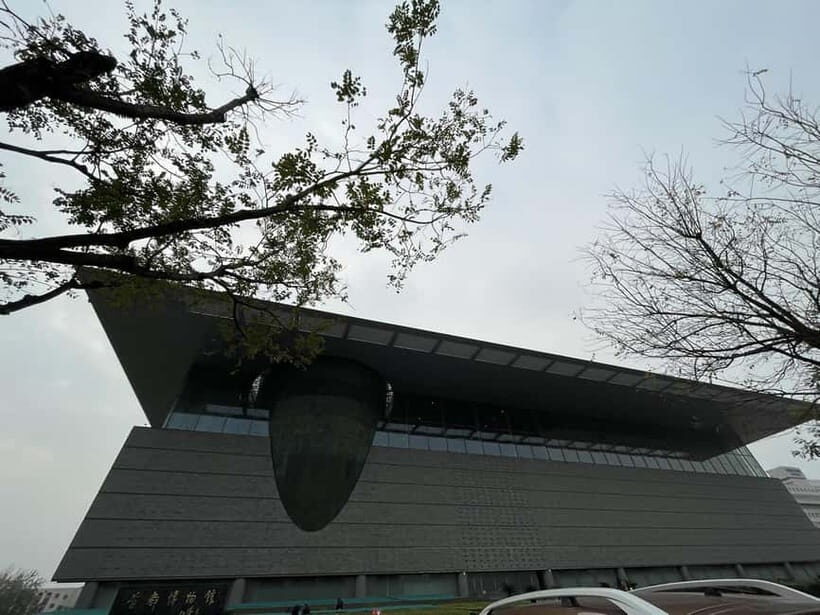
The tour gives you three meeting/starting choices: Gulou, Beijing Capital Museum, or Shichahai. That’s more than a convenience. It can change how the day feels.
- Start at Gulou if you want a more old-city vibe right away and you like beginning near historic landmarks.
- Start at Beijing Capital Museum if you prefer to get your bearings with a structured museum visit first.
- Start at Shichahai if you want the day to feel calmer and scenic early, with the lake area setting the mood.
Whichever you pick, expect a guided flow with a live tour guide (English, Chinese, French, or Dutch). And yes, your meeting point can vary based on the option you booked, so double-check the exact location that comes with your confirmation.
You can also read our reviews of more walking tours in Beijing



Beijing Capital Museum guided visit (about 3 hours)
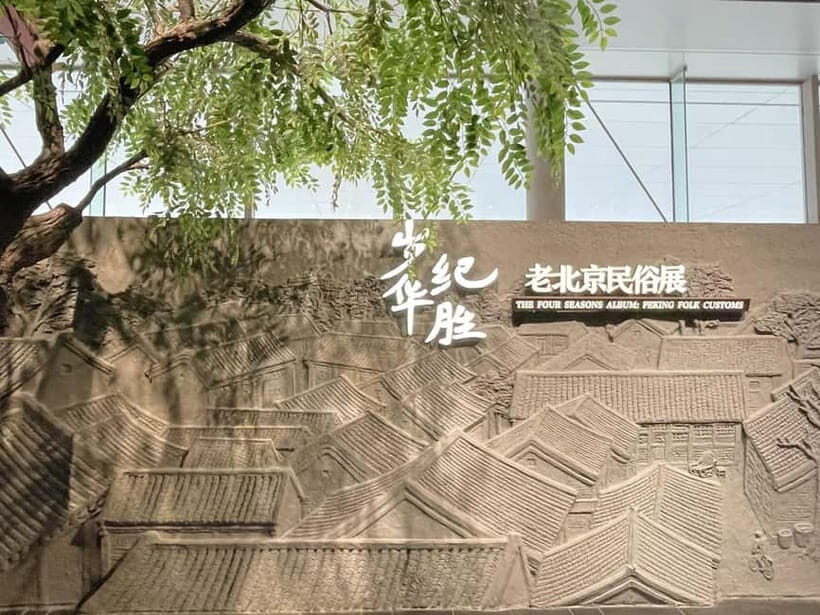
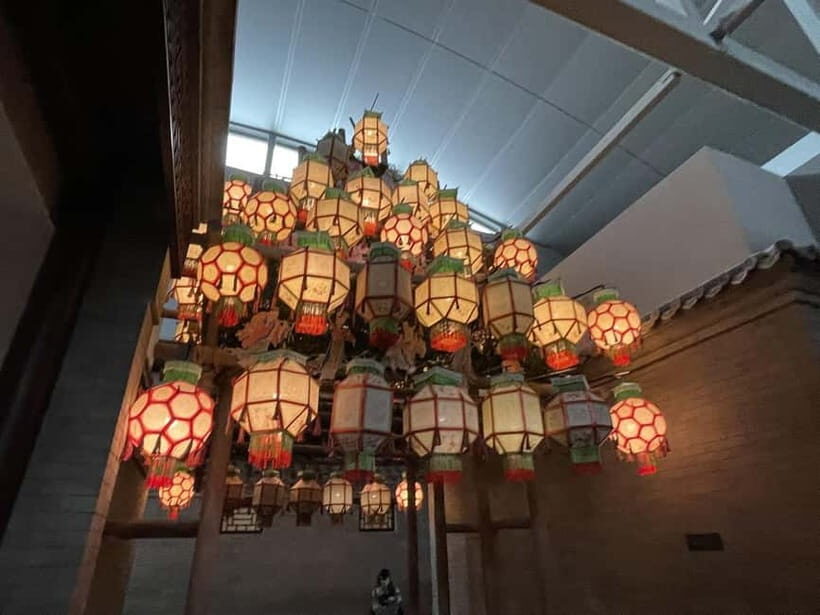
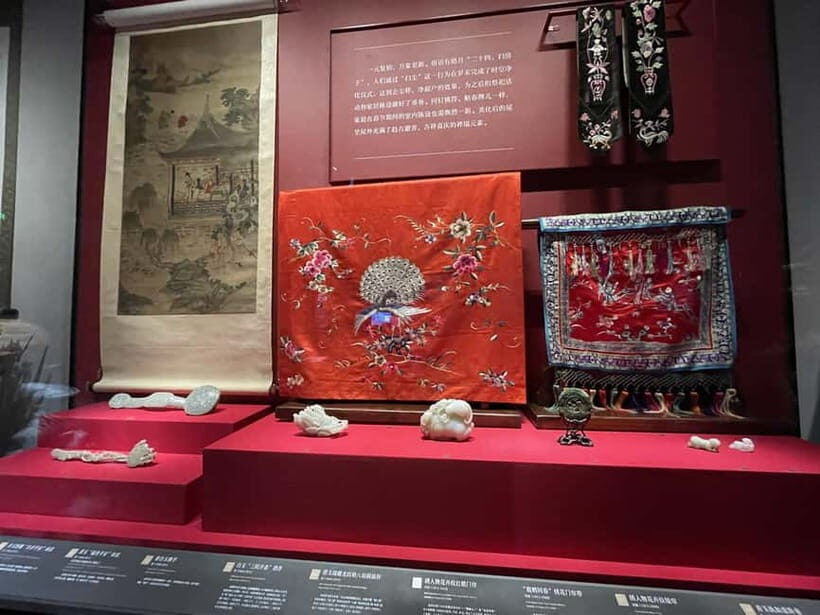
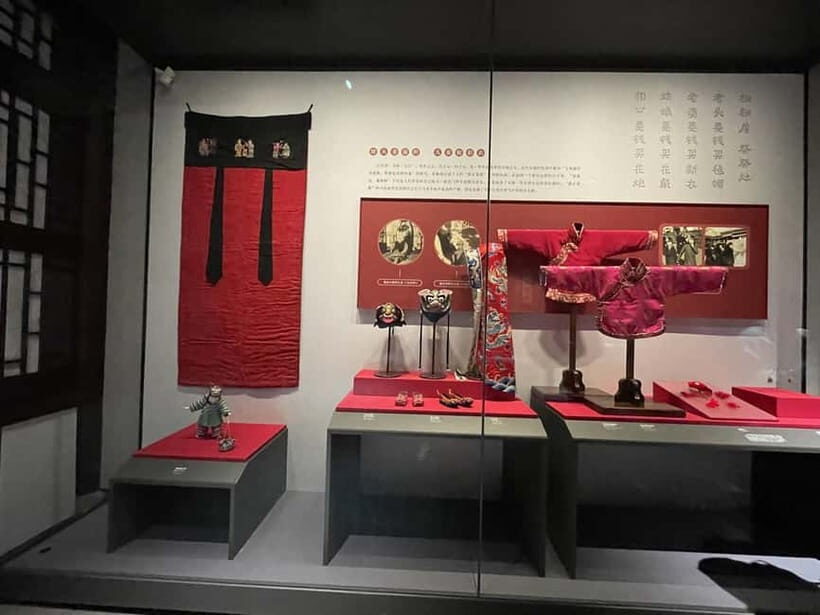
A major part of the experience is a 3-hour guided tour at the Beijing Capital Museum. This is where you get the “why” behind what you’ll later see in the hutongs.
From what you can expect, it’s not a quick glance. A guided museum visit means you’ll spend time understanding the context—how Beijing’s culture, daily life, and architectural traditions relate to what survives in the alley neighborhoods. One review noted the museum as big and interactive, which lines up with how I’d plan it: treat it as a real block of time, not a warm-up.
What’s great for you: if you’ve felt a bit lost in Beijing before, this kind of guided museum time can help you connect the dots once you’re outdoors. Courtyards and alley life are much easier to read when you’ve had a primer.
A practical drawback: museums can be more tiring than you expect, especially if you’re combining it with later walking. If you’re sensitive to crowds or walking indoors, pace yourself and plan on breaks between the museum and the street portion.
Hutong walking route: siheyuan courtyards and alley life
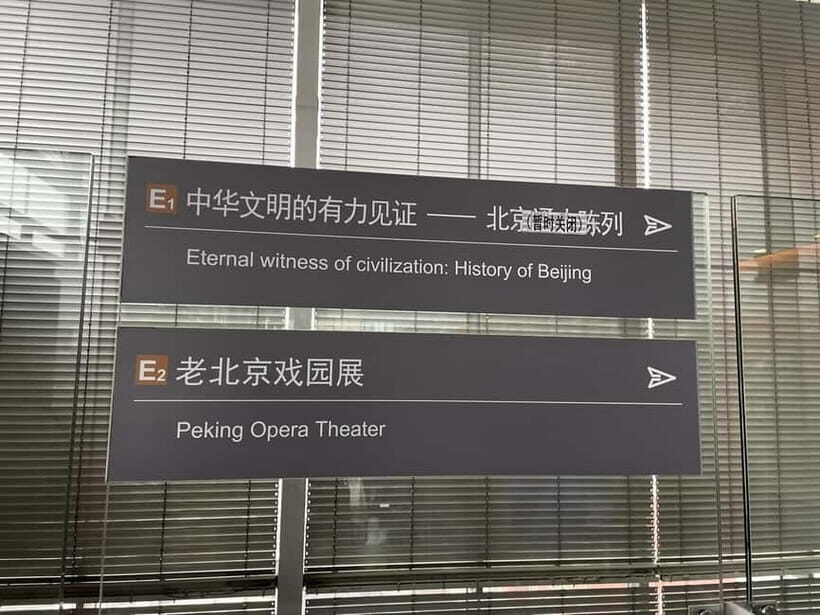
After your guided museum block, you’ll be walking through hutong lanes—narrow, winding alleys that are the living skeleton of old Beijing. This is the part where the tour shifts from explanation to observation.
As you move along, look for the classic visual cues the guide will likely point out:
- Siheyuan courtyard houses with their enclosed layout
- Gray tiled roofs and traditional doorways
- Red wooden doors with brass details
- Vines and plants climbing where courtyards get light
This matters because hutongs aren’t just “cute streets.” They were built for social life—families, neighbors, and everyday routines sharing a close-knit physical space. When you understand that, the alleys feel less like scenery and more like a system.
What you’ll likely appreciate most: the tour focuses on well-preserved areas, including routes that touch Nanluoguxiang and Shichahai. That mix helps you see both the traditional layout and how modern visitors and businesses now coexist nearby.
What to watch for: it’s a walking tour. Even if the paths aren’t long, the lanes can be uneven or crowded. Comfortable shoes are non-negotiable.
Street food stops: what to order and how to find it
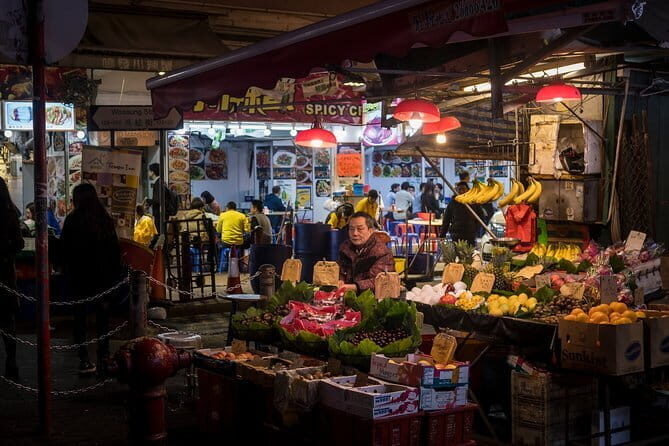
Food is a big part of the experience, but here’s the key detail: food and beverages are not included. So you’ll be paying your own way. The value is that you’ll know what to look for and how to order the classics that define the day-to-day flavors of Beijing.
The tour’s food focus is built around a few signature items:
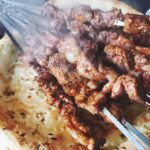
- Jianbing guozi: a crispy fried crepe, often filled with egg and scallions, then finished with savory sauce and a crunchy wrapper layer. It’s commonly treated like a breakfast staple, but it works any time you need a snack.
- Tanghulu: sweet and tangy candied hawthorns on a stick. It’s a simple treat, easy to grab while you’re walking.
- Douzhi: fermented mung bean soup with a tangy flavor profile. It’s often paired with youtiao (fried dough sticks) and preserved vegetables.
How I’d approach this if you’re picky: if fermented flavors feel intimidating, start with something straightforward like tanghulu and then try a small portion of douzhi only if you’re curious. The tour’s strength is choice and guidance, not forcing one flavor on anyone.
A practical tip: because food isn’t included, carry some cash or a payment method you can use at small stalls. Plan to spend a bit here so you don’t feel stuck later.
Teahouse tea ceremony: jasmine or oolong, plus the stories
One of the most relaxing segments in the whole flow is the time in a traditional teahouse. The tour includes meeting with a tea master and going through a tea ceremony style explanation, with tea such as jasmine tea or oolong.
Why this is worth your time: it slows the day down. Hutongs move at alley speed—tight lanes, lots of visual input. A tea moment gives you a mental reset, and it also helps you understand why certain tea choices matter culturally.
You may hear stories about the art of Chinese tea and how brewing changes the experience. Even if you don’t become a tea expert by the end, you’ll leave with better context for what you’re drinking and why it’s treated with care.
You can also read our reviews of more food & drink experiences in Beijing

Folk craft moments: paper cutting, calligraphy, and possible opera
The tour also points you toward cultural performances and craft activities. Depending on timing and the local schedule around the route, you might encounter workshops or demonstrations such as:
- Paper cutting: intricate designs that often symbolize good fortune and prosperity.
- Calligraphy: brush and ink work where Chinese characters come to life with movement and control.
And if you’re lucky with what’s happening nearby, you could catch a snippet of Peking Opera—the kind with bold costumes and distinctive singing. It’s not guaranteed in the way a museum ticket is, but it’s a realistic possibility on a day that keeps you in the right cultural zones.
What to do with this information: be a little flexible. If the guide suggests a craft stop, it’s usually the kind of moment you remember longer than another photo stop.
Nanluoguxiang and Shichahai: where old Beijing meets present-day life
Two areas the tour highlights are Nanluoguxiang and Shichahai, and each one gives you a different feel.
Nanluoguxiang has a balance of classic charm and modern energy. You’ll see ancient residences alongside boutique shops and cafés. That contrast is useful because it shows that old doesn’t mean frozen. People still live nearby, shop, drink coffee, and move through the same general geography.
Shichahai is calmer, centered around scenic lakes. Here, locals may be out doing everyday things like flying kites, and you can hear quieter details like willow leaves moving in the breeze. The lake also offers spots where you can rest in a lakeside teahouse setting—great if you want a breather during the walking-heavy part of the day.
Value for you: if you’re going to spend time in hutongs, you want variety. This tour gives you that, instead of treating the alley neighborhoods as one-size-fits-all.
Optional rickshaw ride and home visit: when it’s included
Some options include a rickshaw ride and a home visit. That can add a lot, because it moves you from “watching” to “seeing with more access,” even if you still keep respectful boundaries.
If your option includes it, it’s likely one of the most memorable pieces of the day because it brings you closer to how courtyards function as lived-in spaces. If your option doesn’t include it, don’t worry—you can still get strong hutong context from the walk and museum pairing.
Consideration: a home visit is different from a photo stop. You’ll want to follow the guide’s instructions closely and keep your behavior quiet and respectful.
Price and value: what $2.86 buys you in the real world
The listed price is $2.86 per person, with a duration of 3 to 6 hours. That number is strikingly low, so here’s how I’d judge value without getting caught up in the sticker shock.
At this price point, what you’re really paying for is structure:
- a live guide in multiple languages
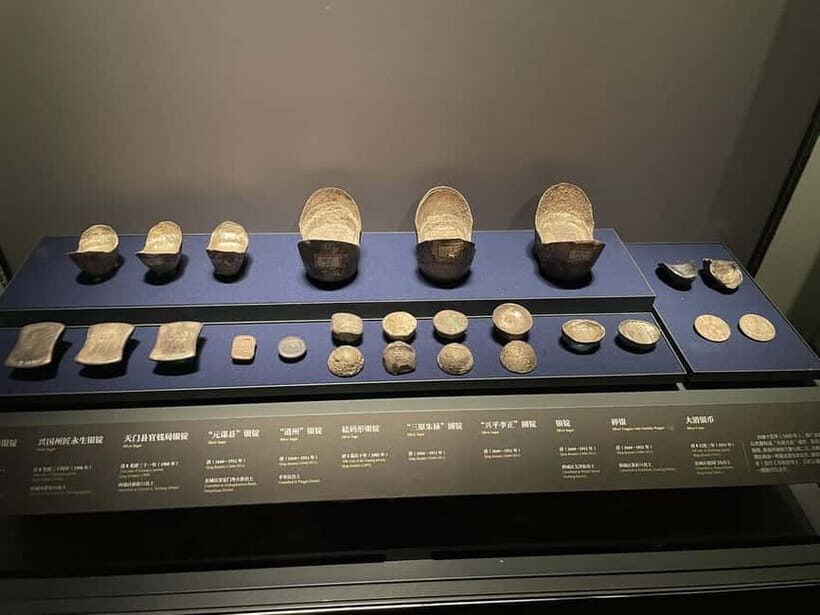
- a guided museum visit block
- organized time in hutong neighborhoods
- optional extras like the rickshaw ride and home visit (depending on your option)
What you are not paying for includes food and beverages. And the tour also involves rules like no large bags and no flash photography, which affect comfort more than cost.
So the best way to think about it: the tour price covers guided time and access style. You should still budget a bit for snacks as you go, because you’ll want to try the highlighted local foods at your own expense.
Logistics that matter: what to bring and what’s not allowed
This is one of those tours where small rules affect your day.
Bring:
- a passport
- or an ID card (as allowed by the activity instructions)
Important to plan ahead: admission needs to be booked in advance online, and you’ll need to provide your passport information for ticket booking. If you’re traveling during China holidays, book about 7 days ahead to reduce last-minute headaches.
Don’t bring:
- luggage or large bags
- pets (assistance dogs allowed)
- bikes
- anything that makes you slow down the group
Photography rules:
- flash photography is prohibited
- tripods are prohibited
Behavior rules: no smoking indoors, no making noise, no littering, and no alcohol and drugs.
Also note: the museum is wheelchair accessible, and the tour itself is listed as wheelchair accessible. That helps for planning if you need that kind of support.
One more practical note: this tour isn’t suitable for people over 95 years.
Who this tour suits best
This experience fits you best if:
- you want guided context before walking hutongs
- you like culture that shows up in daily life, not just monuments
- you’re curious about Beijing street food classics and want help finding what to order
- you enjoy a balanced day that includes a calm teahouse moment
It’s less ideal if you hate walking for 3 to 6 hours or if you’re uncomfortable with crowds and narrow lanes.
Should you book this Beijing hutong, food, and culture walking tour?
I’d book it if you want a day that connects three things Beijing does well: museum learning, hutong street-level understanding, and food/tea/craft culture. The pairing of a guided Beijing Capital Museum visit with hutong neighborhoods like Nanluoguxiang and Shichahai is the core reason it works.
I wouldn’t book it if you’re looking for a fast, minimal-effort outing or if you don’t want to manage basic travel rules like no large bags and no flash photography. Also plan for the fact that food isn’t included, so you’ll spend a little as you go.
If you book, keep it simple: bring ID/passport, dress for walking, and pick your start point based on the mood you want first—Gulou for historic energy, the museum for structure, or Shichahai for a calmer lake setting.
FAQ
What is the duration of the Beijing Hutongs & Food & Culture Walking Tour?
The tour duration is listed as 3 to 6 hours, depending on the starting time and option.
Where can I start the tour?
You can choose from three starting location options: 鼓楼 (Gulou), 首都博物馆 (Beijing Capital Museum), or Shichahai. The exact meeting point can vary by option.
What’s included in the tour price?
What’s included depends on the option you select, but it includes a guided tour based on your selected option. Rickshaw ride and home visit are included only if you selected that option.
Does the tour include food and drinks?
Food and beverages are not included, even though the experience focuses on classic Beijing street food during the route.
What languages are available for the live guide?
The live tour guide is available in English, Chinese, French, and Dutch.
Is the tour accessible for wheelchair users?
Yes. The tour is listed as wheelchair accessible, and the museum is also wheelchair accessible.
Are pets allowed on the tour?
Pets are not allowed, but assistance dogs are allowed.
Can I take photos with flash or a tripod?
Flash photography is prohibited, and tripods are prohibited. Regular photography is allowed.
Is the museum ticket line skipped?
Yes, the tour includes skip the ticket line.
Is there an age limit?
The tour is not suitable for people over 95 years.