REVIEW · CHENGDU
Chengdu: Sichuan Opera Show ShufengYayun & Covered Bowl Tea
Book on GetYourGuide →Operated by SUKHA Travel · Bookable on GetYourGuide
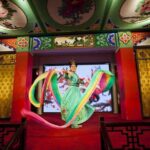
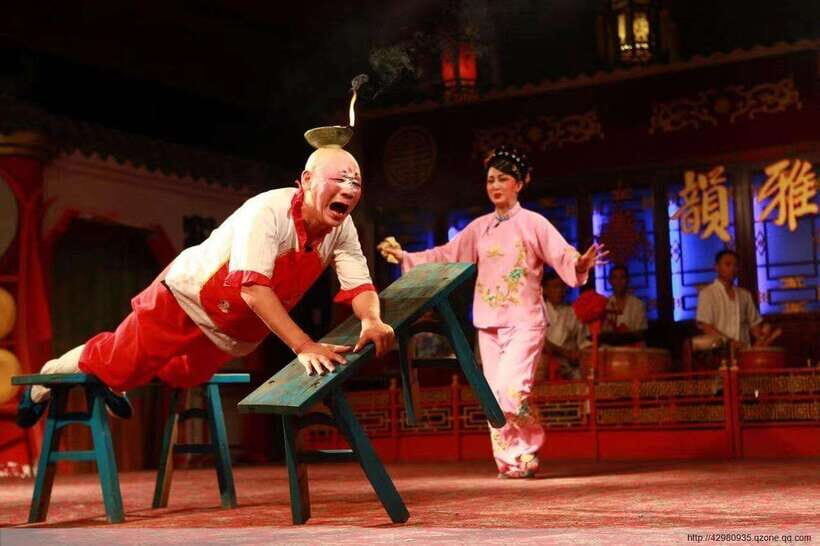
Face-changing starts at 20:00 sharp. This is a Sichuan opera show in a historic pear-garden setting, and I especially like two things: the visual punch of the performance (hello, face-changing and fire-breathing) and the covered bowl tea ritual you sip right alongside the drama. One thing to plan for: your exact seat is randomly assigned within your ticket’s seating area, and the show’s segment order can shift night to night.
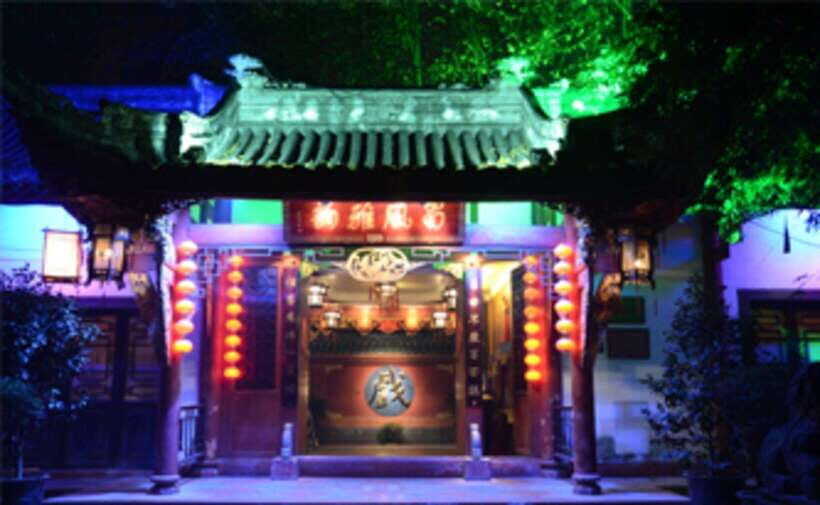
The venue is in the Qingyang Palace area on the Qintai Ancient Path, and that matters more than it sounds. You’re watching opera in ancient buildings next to other major Chengdu sights like Du Fu Thatched Cottage and Wuhou Shrine, so you can build a full cultural evening without hopping across town. I also like that the show is 80 minutes, which is long enough for variety but not so long that you lose the thread.
Your ticket can include more than just the show. Depending on your tier, you may get tea, sunflower seeds, and an extra like massage, ear cleaning, a dessert, or a souvenir, plus a costume try-on experience (photos and pro makeup are separate). The consideration: if you’re hoping for full costume photography with makeup and styling, you’ll need extra time and an extra payment at the venue.
In This Review
- Key things you’ll notice before you go
- Why ShufengYayun feels more like Chengdu than a generic show
- Timing and location: Qingyang Palace area, 20:00 start
- Ticket tiers: what YIPIN, ERPIN, and SANPIN actually change
- YIPIN (red box seating area)
- ERPIN (green box seating area)
- SANPIN (blue box seating area)
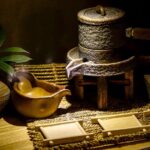
- The tea isn’t a gimmick: covered bowl tea basics
- Your 80-minute game plan: what each segment is for
- 1) Opening Drum and Gong (Nao Tai)
- 2) One-Act Play
- 3) Huqin Performance
- 4) Folk Music (Penna)
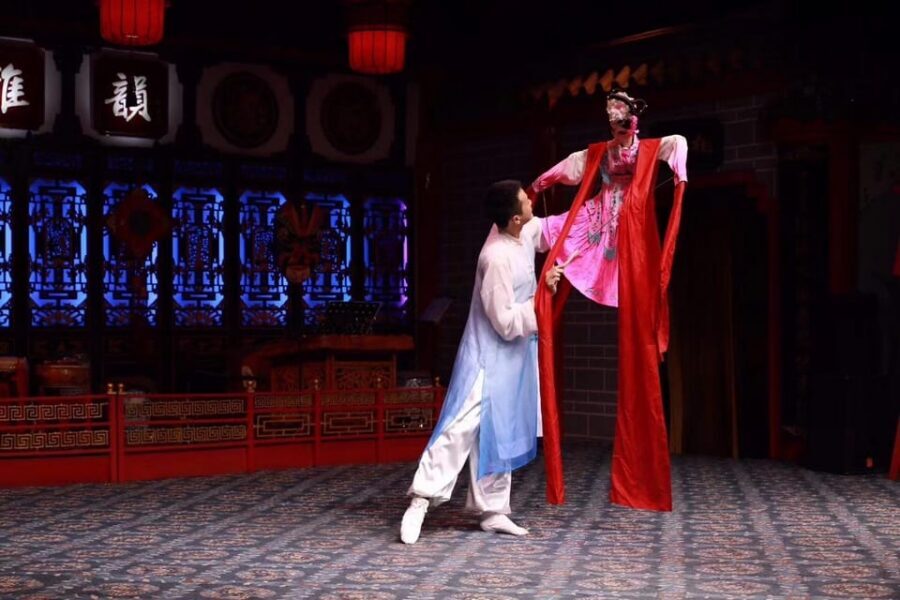
- 5) Puppetry (Puppet Show)
- 6) Selected Sichuan Opera Scenes
- 7) Shadow Play (Hand Shadow)
- 8) Rolling Lights
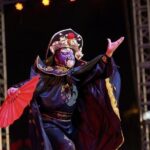
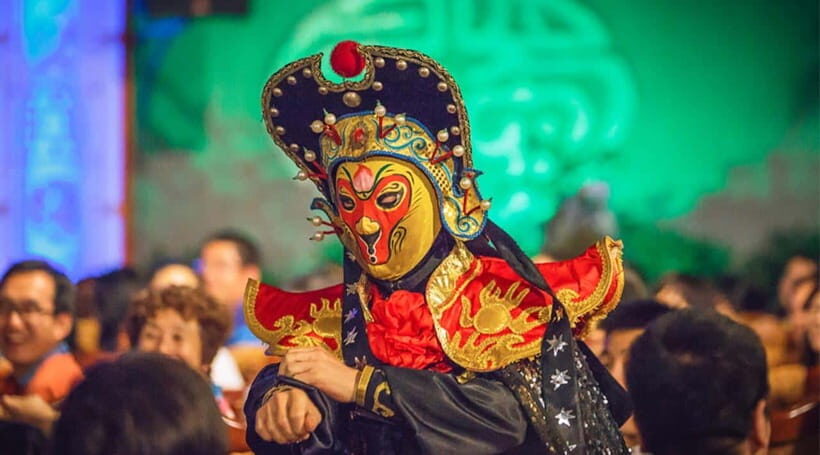
- 9) Fire-Breathing and Face-Changing
- The “don’t miss” moments: fire-breathing, face-changing, and shadow play
- What the added perks feel like in real life
- Gifts and small touches that make it feel like a night out
- Price and value: is $34 worth it?
- Who should book this show, and who might skip
- Should you book ShufengYayun & covered bowl tea?
- FAQ
- What time does the show start?
- How long is the performance?
- Where do I get tickets and enter?
- What’s included with my ticket?
- How do YIPIN, ERPIN, and SANPIN differ?
- Are seats assigned in advance?
- What is covered bowl tea?
- Is costume photography included?
- Is English available during the experience?
Key things you’ll notice before you go
- Historic Qingyang Palace area venue: the setting is part of the experience, not just a backdrop.
- Covered bowl tea with the gaiwan method: a real tea ritual, not a token cup.
- A packed 80-minute program: drums, huqin, folk music, puppetry, shadow play, rolling lights, fire-breathing, and face-changing.
- Ticket-tier extras that feel local: massage and ear cleaning are offered alongside opera.
- Random seating within your area: good to know if you’re picky about sightlines.
- No Chinese required to enjoy the visuals: the performance keeps working even if you don’t follow every line.
Why ShufengYayun feels more like Chengdu than a generic show
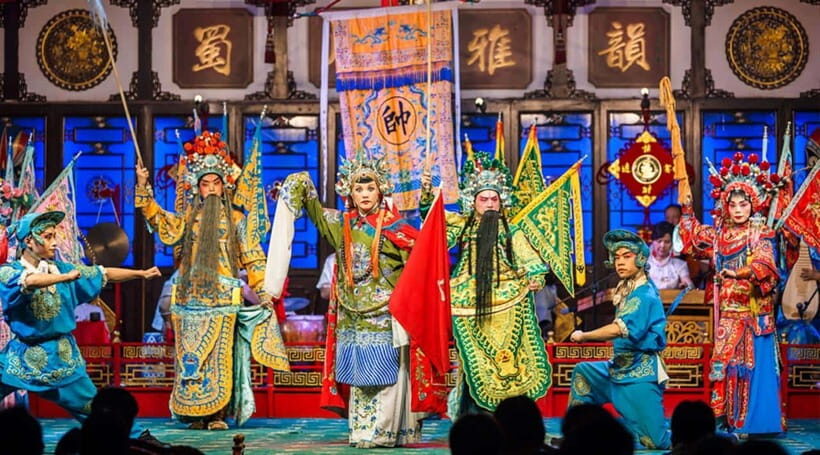
A lot of opera nights feel staged and distant. Here, the atmosphere is more “this is how Sichuan folk arts are done,” with traditional performance elements woven into a lived-in cultural space. The biggest draw for most people is the sequence of showpieces that don’t rely on subtitles: puppetry, shadow play, fast costume and face shifts, plus big stage effects like fire-breathing.
What I like most is that the night doesn’t treat tea as a separate snack-and-sit-down thing. The covered bowl tea is part of the evening rhythm, so you’re not just watching. You’re also doing what locals do: taking a pause, sipping, and letting the performance move at its own pace.
If you’re the type who likes your entertainment with technique on display, this show is built for you. You get drums and gongs, a huqin segment, and selected Sichuan opera scenes before the show turns toward the high-impact specialties.
A few more Chengdu tours and experiences worth a look
Timing and location: Qingyang Palace area, 20:00 start
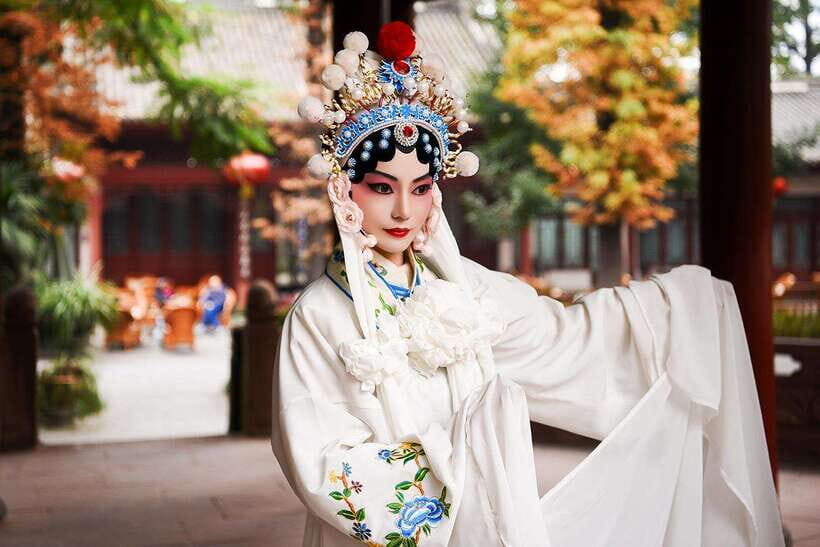
The show starts at 20:00, and it runs about 80 minutes. I’d treat this as a “be early, relax” situation rather than a “show up late and hope” situation, because the plan asks you to arrive 15 minutes before start.
Getting there is straightforward once you know the meeting point. You’ll pick up your ticket and choose your seat area at the ticket booth at the entrance of Municipal Cultural Park (市文化公园大门口) on the middle of Qintai Road (琴台路). After that, you walk about 1 minute to the Old Theater (老戏台) for entry.
Also, check your email box for the address/transportation and ticket-collection instructions. That email matters because it’s where your day-of details will likely be clarified.
Ticket tiers: what YIPIN, ERPIN, and SANPIN actually change
All tiers include the show and the core tea experience, but the add-ons differ. For every tier, you also get a cup of lid-covered tea and sunflower seeds per table—small details, but they make the evening feel like a real event, not just a ticket.
Here’s how the tiers break down:
YIPIN (red box seating area)
In addition to the tea and sunflower seeds, you get one extra choice:
- Premium costume experience (note: trying on only)
- Fruit platter
- Massage & ear cleaning with a dessert
ERPIN (green box seating area)
You choose one from:
- Massage
- Ear cleaning
- A dessert
- A souvenir

SANPIN (blue box seating area)
You get one from:
- Massage
- Ear cleaning
- A dessert
- A souvenir
One important note: the costume experience included here is trying on only. Costume photography with makeup and background is not included, and if you want that premium photo-style look, it’s a separate paid upgrade.
The tea isn’t a gimmick: covered bowl tea basics
The featured tea is gaiwan tea, also known locally through the covered-bowl style you’ll see served during the event. The gaiwan set has three parts: a bowl, a lid, and a saucer. When brewing, you gently press and rotate the lid to control strength and keep the temperature steady.
You might wonder why this matters in the middle of an opera show. For me, it’s because it gives your body a real “reset” between intense stage moments. You’re getting the kind of pacing Sichuan tea culture is built on—sip, watch, listen, then sip again when the next dramatic segment hits.
Even if you don’t know much about tea, the point isn’t sophistication. It’s that you’re experiencing the style of tea drinking that’s deeply tied to everyday life in Sichuan, and you’re doing it while the stage action unfolds.
Your 80-minute game plan: what each segment is for
The program runs about 80 minutes and includes these segments. The order can change, but the night follows the same general arc.
1) Opening Drum and Gong (Nao Tai)
This starts with percussion—drums and gongs—to set the tempo. It’s the show telling you to switch modes: from normal street sounds to performance time. If you’re arriving right at the start, you’ll hear this immediately, so it’s an easy anchor.
2) One-Act Play
Right after the opening, you get a story moment—short and clear. This is where you begin to see the performance style that makes Sichuan opera so recognizable: acting that’s both theatrical and skill-focused.
3) Huqin Performance
Huqin is a traditional string instrument, and this segment helps you catch the musical texture of the night. Even if you don’t understand the plot, you’ll feel how the music shapes the energy level.
4) Folk Music (Penna)
Then it shifts toward folk music. This matters because it broadens the evening beyond “opera scenes only.” You’re getting multiple layers of western Sichuan folk performance styles inside one show.
5) Puppetry (Puppet Show)
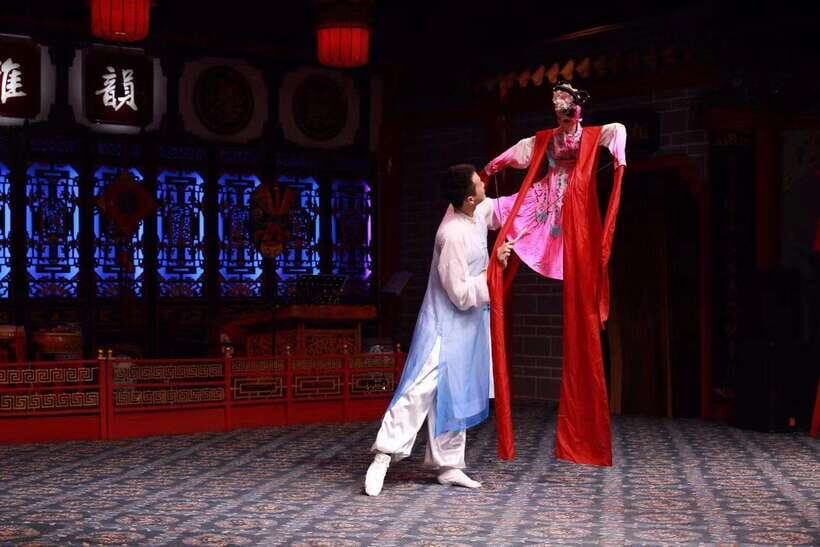
Puppetry brings in a different kind of motion and timing. It also helps the show “read” easily. The visuals carry a lot here.
6) Selected Sichuan Opera Scenes
This is where you see more of the standard opera highlights. Expect performance technique—acting, movement, and costume presentation—built to impress even if you don’t follow every story detail.
7) Shadow Play (Hand Shadow)
Shadow play is a visual way to tell or echo story moments. It also gives you a breather, because the show changes from full-stage acting to a lighter visual format.
8) Rolling Lights
Rolling lights are a stage effect that adds momentum. It’s the kind of transition that keeps the pacing from dragging when the show moves between specialty segments.
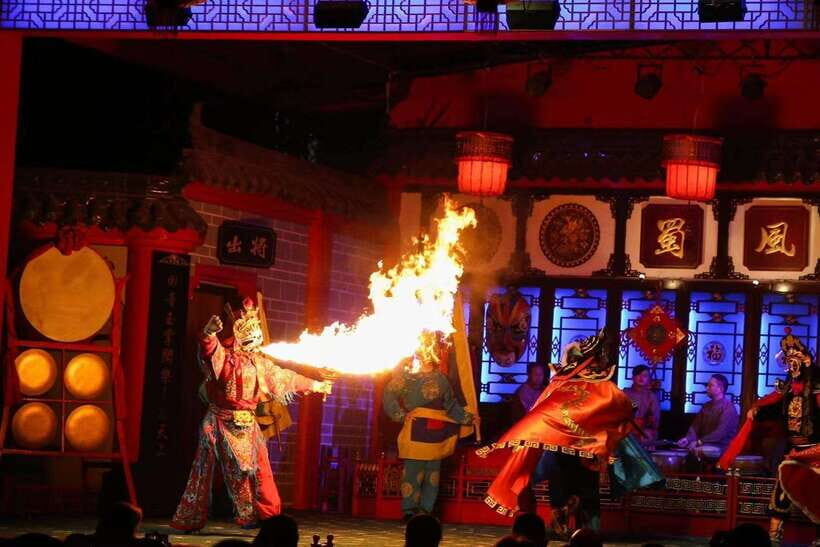
9) Fire-Breathing and Face-Changing
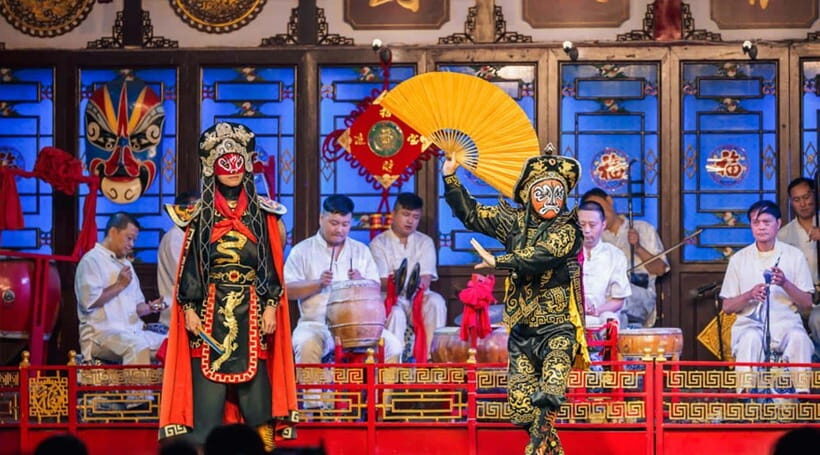
This is the big finish. Fire-breathing and face-changing are the headline skills many people come for, and they’re staged to make the effect feel fast and shocking in the best way. You’ll see rapid changes in facial expressions and a highly controlled performance style that looks almost impossible from your seat.
The “don’t miss” moments: fire-breathing, face-changing, and shadow play
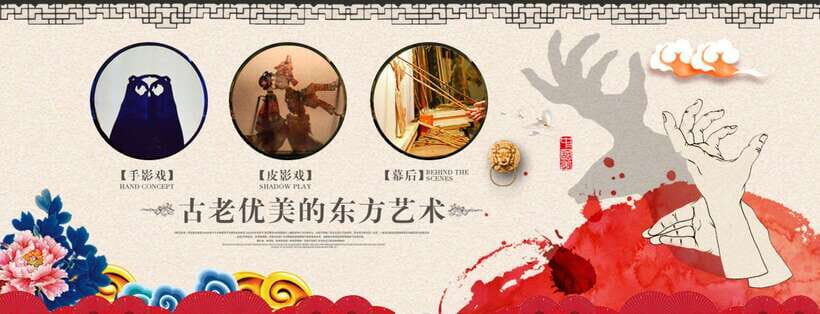
If you only remember one thing, make it the ending sequence. Fire-breathing and face-changing are the kind of performance pieces you can’t easily recreate elsewhere, and the show sets up the build so you’re ready for it.
I also recommend paying attention to shadow play and puppetry, even if you think you’re only here for face-changing. Those segments help you understand why Sichuan opera has such broad appeal: it mixes theater, music, and stagecraft into something that’s readable without language.
And don’t treat the tea like a distraction from the show. Sip at natural breaks. When the stage shifts, your tea pause becomes part of the show pacing rather than an interruption.
What the added perks feel like in real life
Depending on which tier you choose, you may get one of these: massage, ear cleaning, a dessert, or a souvenir.
Here’s the practical value:
- A massage or ear cleaning is a nice “live in the moment” extra after a day of walking in Chengdu. It turns the evening into more than just sitting.
- A dessert can be a simple payoff if you want something sweet during the night.
- A souvenir is useful if you want a tangible reminder without spending extra at the venue.
For the costume experience, you can try on the opera costume, but it’s trying on only. If you want full costume photography with makeup and styled hair, that’s not included. The premium photo-style option requires arriving at least 1 hour earlier, and you pay an additional fee directly at the venue.
That’s a lot of time commitment, so only choose it if photos are your priority. Otherwise, enjoy the show first, then take any casual photos you can.
Gifts and small touches that make it feel like a night out
I like that the experience includes a take-home cultural item. The highlights mention drama bookmarks as a special gift, and some tiers include a souvenir. That kind of small keepsake matters more than people expect. It’s the difference between watching a performance and leaving with a real memory.
Also, sunflower seeds per table sound silly until you’re there. They give you a casual, Sichuan-feeling break while the stage action changes pace.
Price and value: is $34 worth it?
At $34 per person for an ~80-minute show, the value depends on what you want most.
If your main goal is the spectacle—face-changing and fire-breathing—then the deal is strong because the ticket includes the show plus the tea experience. You’re not paying extra just to have tea nearby; it’s built in.
If you’re also interested in the extra included benefits, the value gets even better. Massage, ear cleaning, dessert, and souvenirs are all available depending on tier. And the costume try-on (trying on only) can be a fun add for people who like dressing up without committing to a full photo session.
One caution: because seats are randomly assigned within their seating areas, you shouldn’t buy the ticket expecting a specific row or perfect sightline. It’s still a good value, but keep your expectations realistic.
Who should book this show, and who might skip
This experience is ideal if:
- you want a Sichuan opera night that includes tea and small local extras
- you’re excited by stagecraft (especially face-changing and fire-breathing)
- you’d enjoy folk music, puppetry, and shadow play, not just one highlight
You might consider skipping if:
- you need guaranteed best seating (random assignment within an area is part of how it works)
- you’re only interested in full costume makeup and pro photography, because that’s a separate premium option
If you’re traveling with a mix of people—some into performance, some into food/tea—this is one of those tickets that can satisfy both groups.
Should you book ShufengYayun & covered bowl tea?
Yes, if you want a true Sichuan-feeling night that doesn’t require knowing Chinese to enjoy the show. The combination of music, puppetry, shadow play, and the big finale skills makes the evening work even when you’re not catching every story line.
Book it especially if you can choose a tier that includes a perk you’ll actually use—massage or ear cleaning if you want a practical experience, or a dessert/souvenir if you want something lighter. And do show up early enough to settle in; the show runs about 80 minutes, so you’ll feel any delay.
If you’re sensitive to seating uncertainty, pick based on the seating range shown in the seat map and accept that your exact seat won’t be chosen.
FAQ
What time does the show start?
The show starts at 20:00, and it lasts for about 80 minutes.
How long is the performance?
The performance is approximately 80 minutes.
Where do I get tickets and enter?
You pick up your ticket and choose your seat area at the ticket booth at the entrance of Municipal Cultural Park (市文化公园大门口) on the middle of Qintai Road (琴台路). Then you walk about 1 minute to the Old Theater (老戏台) for entry.
What’s included with my ticket?
Your ticket includes the show plus one cup of lid-covered tea and a plate of sunflower seeds per table. Depending on your tier, you also get one added option such as massage, ear cleaning, a dessert, a souvenir, or a fruit platter, and for some tiers a costume try-on.
How do YIPIN, ERPIN, and SANPIN differ?
They mainly differ by the added benefit you receive. YIPIN includes one of: premium costume experience (trying on only), fruit platter, or massage & ear cleaning with dessert. ERPIN and SANPIN include choices like massage, ear cleaning, dessert, or a souvenir.
Are seats assigned in advance?
Seats are randomly assigned within the seating area you choose by tier. You can check the seating chart to understand the range, but the exact seat is not guaranteed.
What is covered bowl tea?
It’s served using a gaiwan setup (bowl with a lid and saucer). The brewing method involves pressing and rotating the lid to control strength and keep the temperature.
Is costume photography included?
No. Costume photography with makeup and background is not included. A premium photo-style costume experience is offered for an additional fee at the venue, and it requires arriving at least 1 hour earlier.
Is English available during the experience?
Yes. The host or greeter is listed as Chinese and English.