REVIEW · SHANGHAI
Experience Shanghai Like a Native: A Day in Local Life
Book on GetYourGuide →Operated by Hippo Tour Shanghai · Bookable on GetYourGuide
A local day beats a tourist checklist. This Shanghai like a native tour throws you into neighborhood life with metro transport and real stops, like a community market and a canteen lunch. I like the way it focuses on daily routines, and I also like that the pace still mixes in big landmarks like Longhua Temple and the Wukang Building.
One note before you book: you’ll walk a moderate amount, and you’ll be using the metro. If you prefer a car-based day or hate crowds, it may feel a bit active for six hours.
In This Review
- Key Highlights You’ll Actually Feel
- A 6-Hour Shanghai Local Life Plan That Makes Sense
- Using the Shanghai Metro Like a Local (Without Guesswork)
- Jia Shan Road Community Market: The Real Shopping Pattern
- Tianzifang: Shikumen Charm Meets Creative Shops
- The Supermarket Stop That Explains Shanghai Homes
- Lunch at a Community Canteen (What “Home Cooking” Really Means)
- Longhua Temple or West Bund: Pick the Shanghai Mood
- Longhua Temple: Buddhism with roots you can trace
- West Bund: modern creativity in an old industrial shell
- Shanghai Library: A Quiet Stop That Changes Your Whole Day
- Wukang Building and the Former French Concession Walk
- Why This Tour Feels Useful (Not Just Scenic)
- Who Should Book This and Who Might Skip It
- Should You Book Experience Shanghai Like a Native?
- FAQ
- How long is the tour?
- What is included in the price?
- Is it a private tour, and what language is the guide?
- Do you stop at Longhua Temple and West Bund?
- Is hotel pickup included?
- Is the tour canceled for free if plans change?
Key Highlights You’ll Actually Feel
- Metro-first local mobility with a day pass, so you learn how Shanghai gets around
- Jia Shan Road community market for produce, seafood, and everyday shopping habits
- Tianzifang + Shikumen style streets where old housing meets shops and art spaces
- Lunch in a community canteen with Shanghai-style home cooking included
- Longhua Temple or West Bund so you can choose between deep-rooted faith and modern creativity
A 6-Hour Shanghai Local Life Plan That Makes Sense
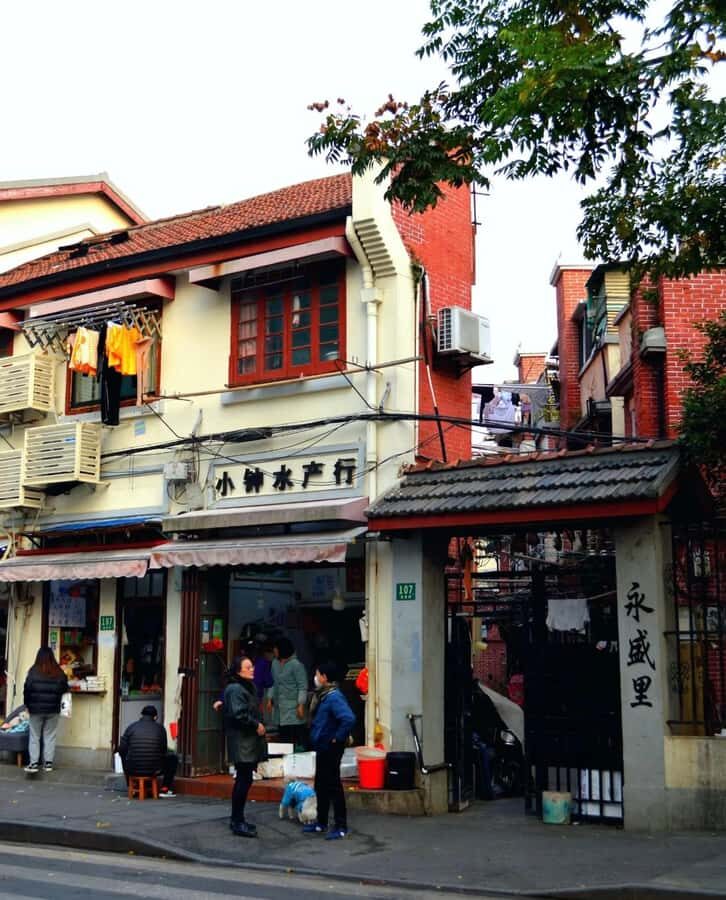
Shanghai can be a lot. New buildings, big malls, and camera-ready views. This tour helps you get your bearings by centering your day on what locals actually do: ride the metro, buy groceries, eat what’s on offer, and wander with context.
The structure is simple: hotel pickup, then a metro day with an English-speaking guide. You’ll hit a community market, Tianzifang, a supermarket run, and a lunch stop that feels like it’s part of someone’s normal afternoon. After that, you’ll choose between Longhua Temple (ancient Buddhist roots) and West Bund (modern arts energy), then finish with the Shanghai Library and the former French Concession around the Wukang Building.
At $85 per person for 6 hours, the value isn’t just the sights. It’s the built-in translator brain: someone like Jenny (often the guide on this experience) helps you understand what you’re seeing and how to repeat it on your own later. You also get hotel pickup/drop-off, metro day pass tickets, and lunch—all the stuff that usually adds up when you plan solo.
You can also read our reviews of more tours and experiences in Shanghai.


Using the Shanghai Metro Like a Local (Without Guesswork)
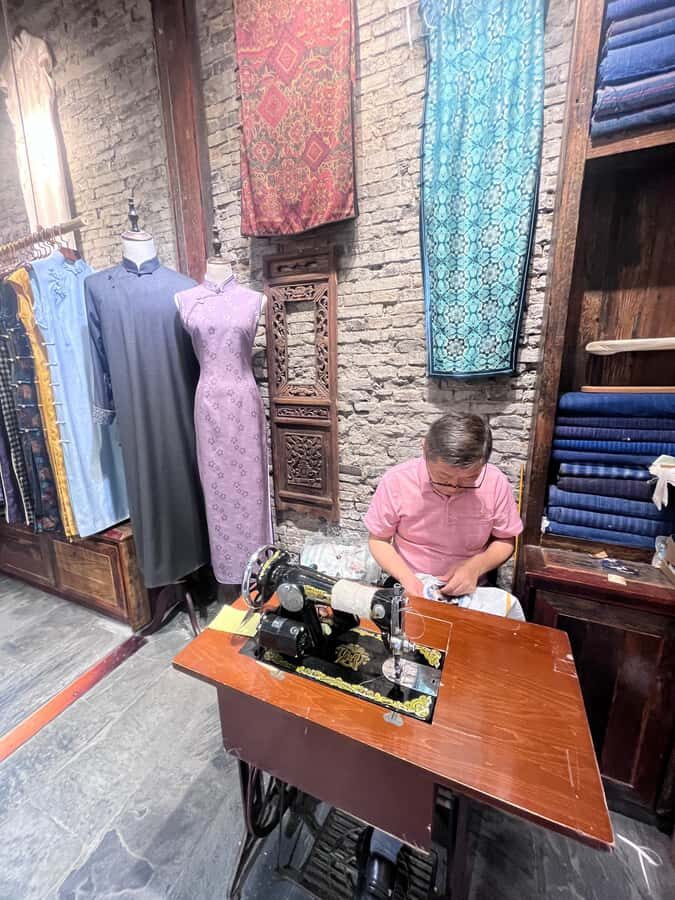
The metro is the backbone of daily Shanghai life, and this tour leans on it. You’re not just riding for transportation—you’re learning the rhythm of the city through how people move, transfer, and wait.
Because the metro day pass is included, you don’t need to stop and figure out fare details mid-day. That matters in Shanghai, where a single wrong turn can snowball into lost time. A local guide also helps you stay oriented so you can focus on the neighborhoods you’re passing through.
I like that the tour doesn’t treat the metro like a “cool extra.” It treats it like the main character. By the end of your six hours, you’ll have a clearer sense of how to get from one area to another, especially for the parts that are a bit off the standard tourist route.
Jia Shan Road Community Market: The Real Shopping Pattern
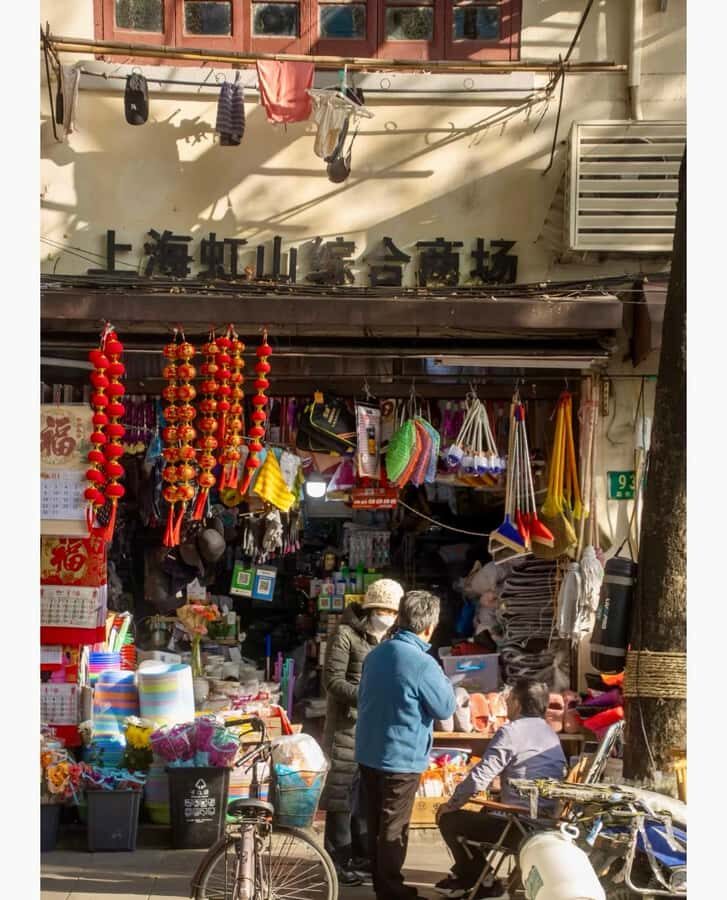
Your first major stop is the Jia Shan Road community market. This is where the city feels practical. You’ll see residents shopping for fresh produce, seafood, and daily essentials, not just buying souvenirs.
Markets like this teach you two things fast. First: what locals actually consider worth buying in person. Second: what the neighborhood “needs” week to week. Even if you don’t plan to shop, you’ll notice how people choose items, how they handle small-batch purchases, and how food culture is built right into ordinary errands.
The guide’s job here isn’t just to point. It’s to translate the logic behind what you’re seeing—especially around food habits and how a local market fits into Shanghai’s everyday eating. This is one of those stops where you’ll feel less like a spectator and more like you’re watching a routine you could live inside.
Tianzifang: Shikumen Charm Meets Creative Shops
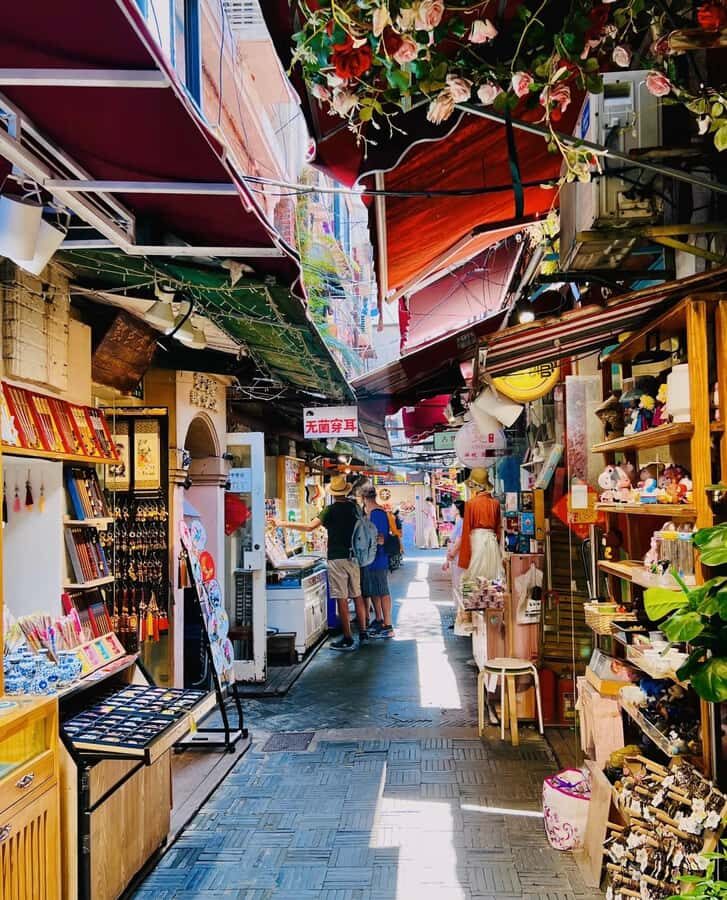
Next comes Tianzifang, one of the most interesting blends of old and new in central Shanghai. The area is known for Shikumen architecture—traditional-style lane houses and compact street grids—now layered with trendy shops, cafes, and art studio spaces.
For me, the value isn’t only the look of Tianzifang. It’s the contrast: you get a sense of historic form while watching how people use the spaces today. You can pause and wander without needing a strict checklist, and the guide can help you spot the patterns—where the old lanes still feel like life, and where the creative storefronts take over.
One practical tip: expect more foot traffic here than at the market. It’s a popular area, so you’ll want comfortable shoes and patience. If you like architecture and street-level atmosphere, this stop delivers.
The Supermarket Stop That Explains Shanghai Homes
After Tianzifang, you’ll head to a local large supermarket. This isn’t the flashy, “look at the brands” version. It’s the daily-staple kind of shopping.
Why this works: it connects what you saw at the market to what people actually stock at home. You’ll notice the products that feel normal for local kitchens—food items, everyday goods, and the kind of routine purchasing that doesn’t require a special occasion.
If you’ve ever wondered what locals buy beyond the famous dishes, this is where the answer shows up. It also makes the lunch stop feel more grounded, since you’ll understand the context of what you’re about to eat.


Lunch at a Community Canteen (What “Home Cooking” Really Means)
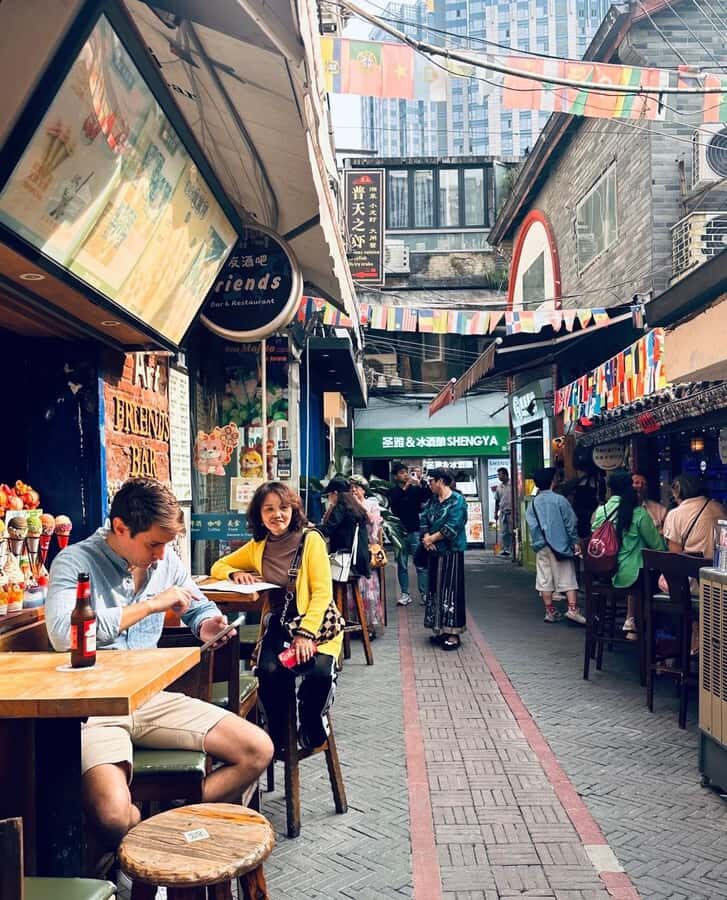
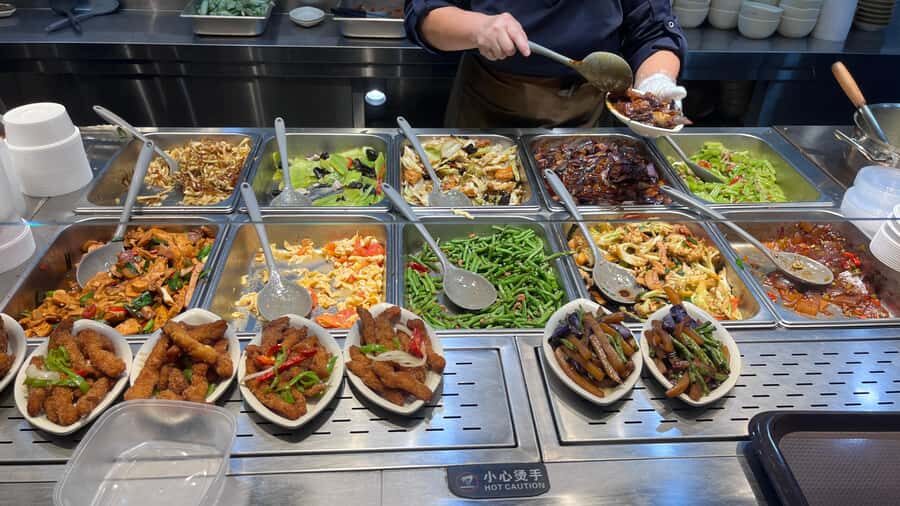
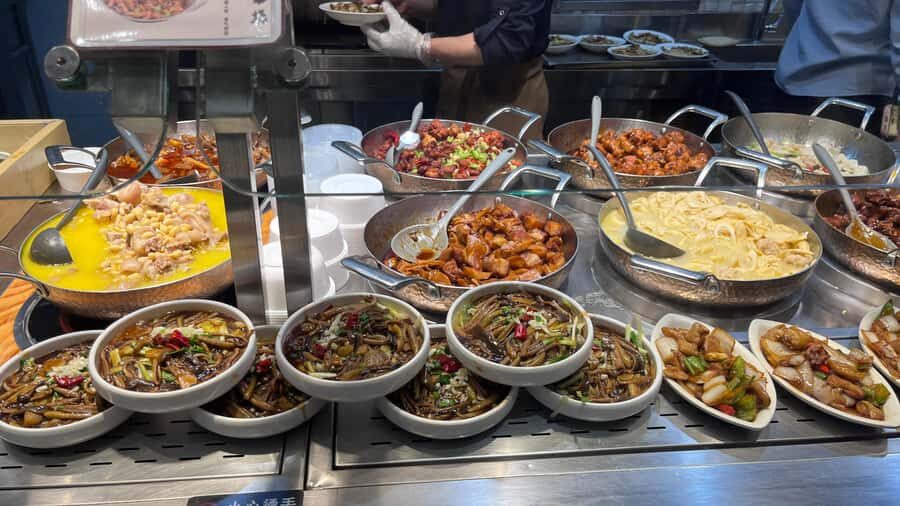
Lunch is included at a popular community canteen, a favorite for everyday meals. The big win here is that you’re eating Shanghai-style food in a setting locals actually use, not just a dining room built for tourists.
What you’ll likely appreciate is the freshness and the straightforward comfort. Community canteens tend to have familiar flavors, quick service rhythms, and a menu that reflects what people want on regular days. Even if you can’t read every item, the guide helps you order and keeps you from getting stuck at the “no idea what that is” stage.
This meal is where the tour turns from sightseeing into living. You’ll feel the day shift into real time—where lunch is an event with its own pace, not an intermission between photos.
Longhua Temple or West Bund: Pick the Shanghai Mood
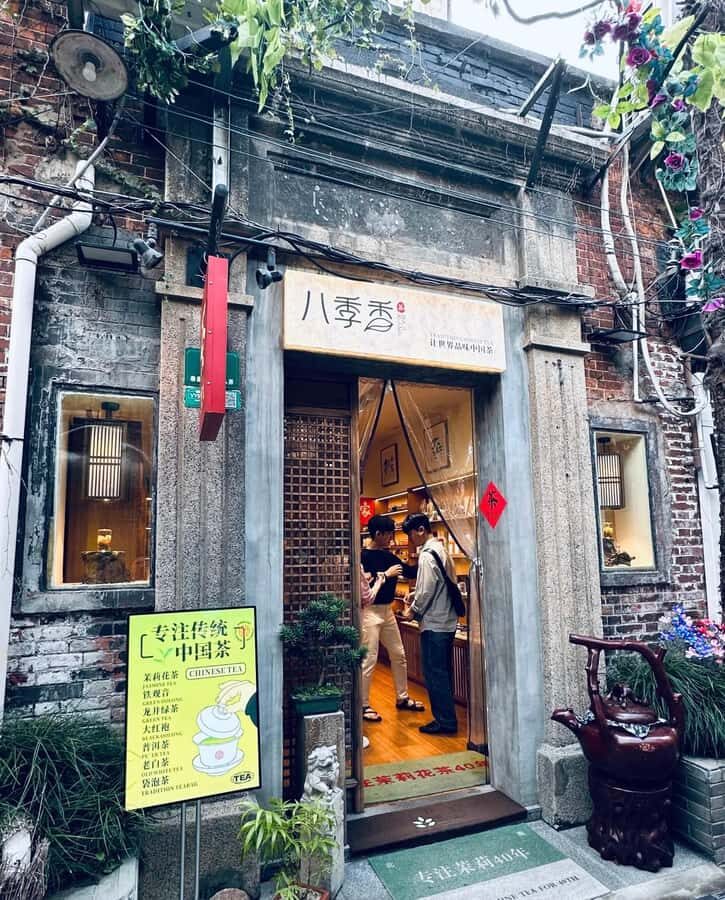
After lunch, the tour gives you a choice: visit Longhua Temple or West Bund. This is a great setup because Shanghai has two faces, and you don’t have to force both in one day.
Longhua Temple: Buddhism with roots you can trace
If you choose Longhua Temple, you’re going to one of Shanghai’s oldest and most important Buddhist temples, with over 1,700 years of history. The guide explains the roots of Chinese Buddhism and why the site matters culturally.
This isn’t just walking through halls. It’s about understanding what you’re seeing and how belief shapes art, architecture, and daily practice. If you like respectful context—why objects exist, what traditions mean—this stop can feel surprisingly personal.
West Bund: modern creativity in an old industrial shell
If you choose West Bund, you’ll be heading to a former industrial site turned arts district. It sits across the Huangpu River from the more famous Bund area, but the vibe is different. Locals like it for a relaxed, creative day out.
This is the counterweight to temples and heritage lanes. West Bund gives you a chance to see how Shanghai reinvents industrial spaces and turns them into hangout zones for art, design, and modern culture.
Shanghai Library: A Quiet Stop That Changes Your Whole Day
Then you’ll visit the Shanghai Library, a spot locals use to read, study, and relax. It’s modern in facilities and serious about books, and it’s also the kind of place that gives you a break from street-level noise.
This stop works because it re-centers you. After markets, lanes, and crowds, the library feels like a reset button. It also shows a side of Shanghai that tourists often skip: a daily culture of learning and reading that isn’t tied to a performance or a paid ticket.
If you like places where you can watch real city life without being “on display,” you’ll probably like this.
Wukang Building and the Former French Concession Walk
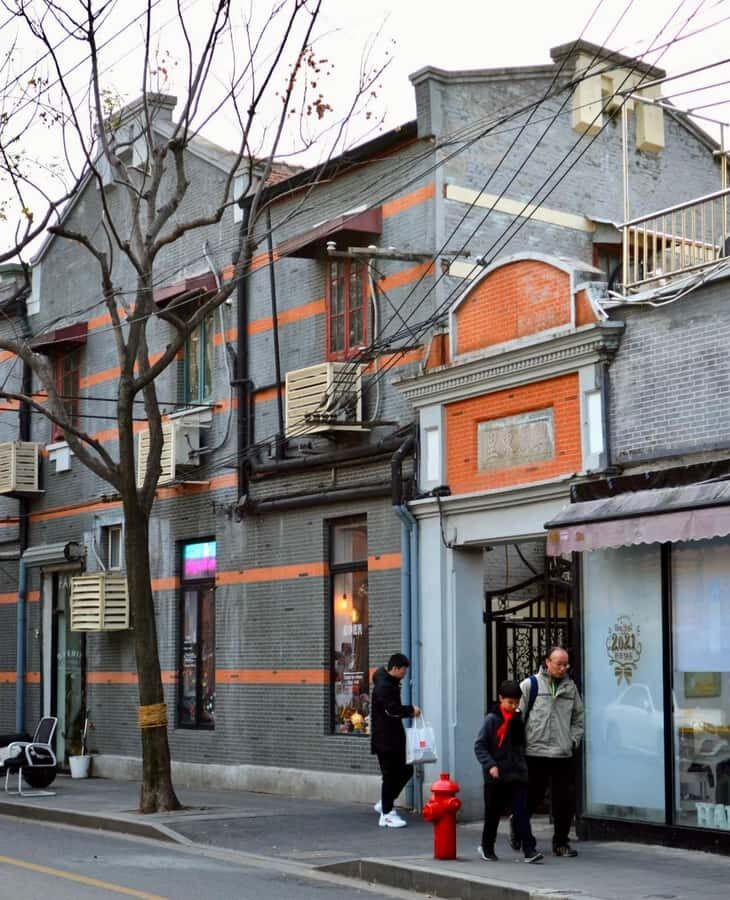
To finish, you’ll stroll around Wukang Building in the former French Concession. This area is known for its charming architecture and lively neighborhood atmosphere, and the walk is a nice way to end the day while letting your eyes do the work.
The guide helps you connect what you see to the story of the neighborhood. Even without stopping every five minutes, you’ll get the sense that the French Concession isn’t just pretty—it’s part of Shanghai’s layered past.
This final stretch is also practical: it’s a gentle end compared to the earlier market-and-lunch energy, but it’s still interesting enough that you don’t feel like you’re just killing time before heading back.
Why This Tour Feels Useful (Not Just Scenic)
A lot of Shanghai tours focus on “big famous stops.” This one keeps the famous parts, but it wraps them in everyday behaviors.
I especially like how the day teaches you repeatable skills:
- How to move across the city on the metro
- How to read a neighborhood through its shops and lunch spots
- How to understand what a heritage site means, not just what it looks like
It also sounds like the guide can help with small extras when you need them. One example: the guide has helped arrange tickets for a special exhibition at the Shanghai Museum when that kind of plan comes up. That kind of support can turn a day trip into a better overall itinerary.
You’ll leave with photos, sure. But more importantly, you’ll leave with habits and context—how Shanghai runs on daily routine, and how the city’s history still shapes where people gather.
Who Should Book This and Who Might Skip It
This tour is a strong match if you want:
- A short day (6 hours) that still feels like local life
- An English-speaking guide who explains context as you go
- A mix of old Shanghai (Shikumen lanes, Longhua Temple) and newer Shanghai (West Bund, library culture)
- Included lunch and metro use without planning overhead
You might reconsider if you:
- Get worn out by walking and prefer minimal street time
- Don’t like using public transit at all
- Want a slow, luxury-paced day with lots of seated time
If you’re on a layover or you only have one day that you want to make count, this is one of the smarter ways to do it.
Should You Book Experience Shanghai Like a Native?
I think it’s worth booking if you like value that’s measured in time saved and confusion avoided. At $85 for 6 hours, with hotel pickup/drop-off, a guide, metro pass tickets, and lunch included, you’re paying for a guided plan that saves you from figuring out how to access local places on your own.
The biggest reason to book is simple: you get local life steps that most people miss when they only chase landmarks. You also get flexibility with the Longhua Temple vs. West Bund choice, so you can match the day to your interests.
If your goal is to return home with more than photos—if you want the city’s “how people live” logic—this tour fits.
FAQ
How long is the tour?
The experience lasts 6 hours.
What is included in the price?
It includes a professional English-speaking tour guide, hotel pickup and drop-off, metro day pass tickets, and lunch at a local community canteen.
Is it a private tour, and what language is the guide?
Yes, it’s listed as a private group, and the guide is English-speaking.
Do you stop at Longhua Temple and West Bund?
After lunch, you can choose either Longhua Temple or West Bund.
Is hotel pickup included?
Pickup and drop-off from hotels in the city are included. Pickup from Shanghai suburbs or the airports may cost extra.
Is the tour canceled for free if plans change?
The experience offers free cancellation up to 24 hours in advance for a full refund.