REVIEW · HONG KONG SAR
Brush calligraphy class / Chinese ink painting class
Book on Viator →Operated by Art Connect and Communication 文化傳承企劃 · Bookable on Viator
Brush strokes look effortless until you try them. This 90-minute Hong Kong class mixes calligraphy and ink painting teaching, so you leave with something real. I love the focus on basic techniques taught by professional calligraphers, and I also like the small-room setup that lets you actually finish a piece that feels like yours. One thing to consider: if you care about doing only one part (calligraphy or ink painting), you should note it in your booking remarks, because otherwise the teacher decides.
You meet in Kwun Tong at Sing Win Factory Building, then you get the full works: instruction, supplies, and Chinese tea during the session. The class is capped at 8 people, and even solo travelers are welcome, which makes the pacing feel relaxed and personal.
In This Review
- Key Highlights You Should Know Before You Go
- A 90-Minute Workshop in Kwun Tong That Gets You Holding the Brush
- Price and value: $65.31 per person
- Brush Calligraphy: Learning Strokes, Styles, and How Letters Feel
- What you might make
- Chinese Ink Painting Basics: From Technique to Your Own Personal Style
- What to expect from the school/styles part
- Spring Festival Couplets: A Seasonal Hands-On Cultural Moment
- Why this extra matters
- Tea, Supplies, and the Small-Room Advantage in a Private Group
- The room size keeps things friendly
- Logistics That Actually Matter: Where to Go and How to Not Get Burned
- Who Should Book This Calligraphy and Ink Painting Class?
- Who might rethink it
- Should You Book It? My Take on the $65.31 Choice
- Final decision checklist
- FAQ
- How long is the Brush calligraphy and Chinese ink painting class?
- What is the group size?
- Is this a private tour or group activity?
- Does the workshop include materials?
- Do I get tea during the class?
- Can I choose calligraphy vs ink painting?
- Where is the meeting point?
- Is it beginner-friendly?
- What happens if the weather is bad?
- Is the price fixed, and what about refunds if I cancel?
Key Highlights You Should Know Before You Go
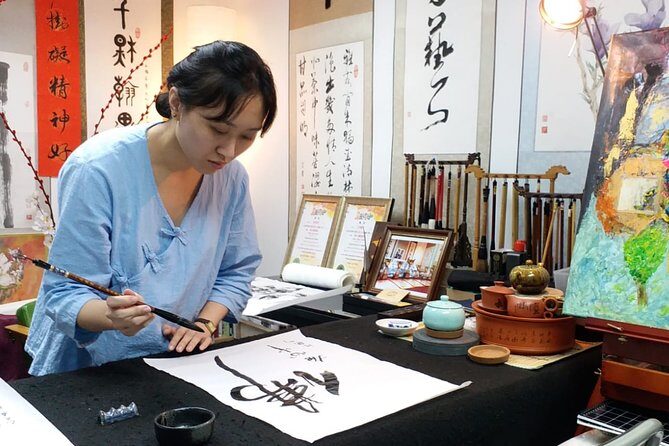
- Up to 8 people means you get more time with the teacher and less waiting around
- Professional calligraphers teach you different calligraphy styles, not just one quick demo
- Materials are included, so you can focus on learning the strokes and not shopping for supplies
- Tea is served, adding cultural context while you’re learning
- A finished ink artwork is the goal, with each person developing a personal look
- Spring Festival couplets are a special option, with rice paper or red paper depending on the season
A 90-Minute Workshop in Kwun Tong That Gets You Holding the Brush
This class is built for people who want hands-on Chinese art instruction without a long commitment. You’re in and out in about 1 hour 30 minutes, which is just enough time to learn the basic mechanics and still complete something you can take home.
The meeting point is Sing Win Factory Building, 15–17 Shing Yip St, Kwun Tong, Hong Kong. The location is described as near public transportation, which matters in Hong Kong because squeezing time on transit can be the difference between a calm day and a stressful one.
The group size is the other big reason to book. Maximum 8 people, and it’s private in the sense that it’s only your group. In practice, that usually means you get more direct attention and fewer awkward moments where the teacher only helps one person at a time.
A few more Hong Kong SAR tours and experiences worth a look


Price and value: $65.31 per person
At $65.31, this isn’t a bargain that feels disposable. It’s priced like a real instruction session. You get:
- instruction by professional calligraphers
- all required materials
- Chinese tea during the workshop
- time to create an ink painting and/or practice calligraphy
If you’ve ever watched calligraphy or ink painting online and thought, I could never make that, the value is in doing it with correction and guidance in real time. Your first try usually looks messy. With a teacher watching your brush handling, it improves faster than you’d expect.
Brush Calligraphy: Learning Strokes, Styles, and How Letters Feel
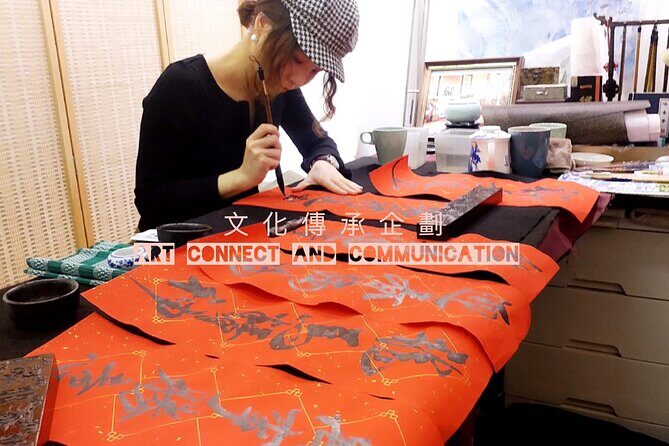
The calligraphy part is designed around fundamentals. You don’t just copy a perfect example and hope it sticks. You learn basic brush calligraphy techniques and how to control your strokes.
That technique focus is what I’d recommend you pay attention to. Brush calligraphy is less about perfect drawing and more about motion, pressure, and rhythm. A good teacher helps you understand when to slow down, how to vary thickness, and how the brush behaves on paper.
You’ll also hear about different calligraphy styles, and you get to appreciate ancient and modern calligraphy works. Even if you can only absorb a few takeaways in 90 minutes, it changes the way you view calligraphy. Instead of seeing it as one look, you start noticing how style reflects intention—how form changes with era and purpose.
What you might make
The class can include couplets, including Spring Festival couplets, depending on timing. For beginners, this is a smart way in. Practicing a smaller set of characters or a structured format can feel more achievable than trying to design a whole sheet from scratch.
If you plan to do calligraphy specifically, write that in your booking remarks. If you don’t, the teacher decides, and that may not match your goal for the day.
Chinese Ink Painting Basics: From Technique to Your Own Personal Style
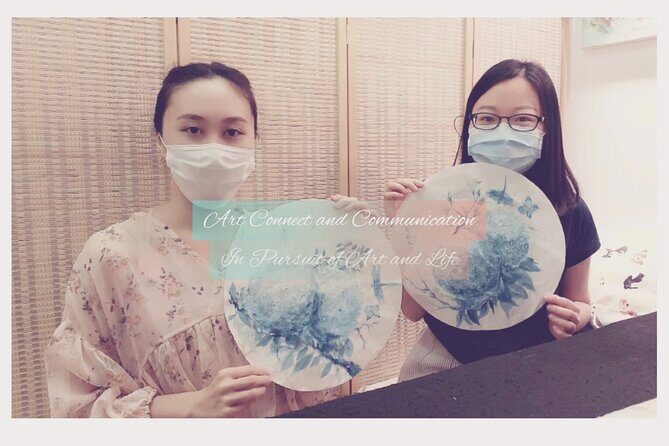
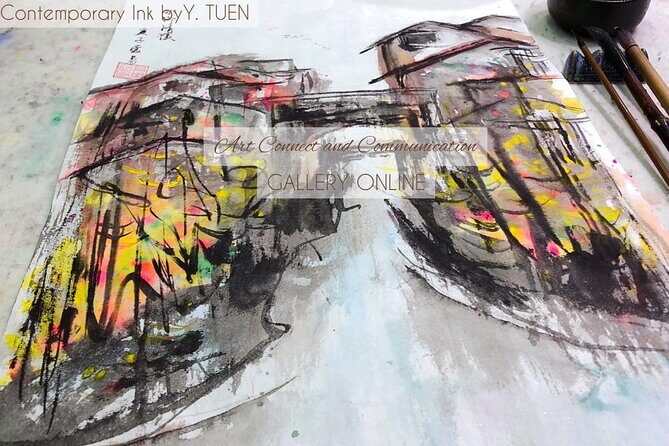
Then comes ink painting. The class covers basic techniques of Chinese ink painting and introduces different schools of ink painting. That matters because ink painting isn’t one single method. It’s a language with variations, and knowing there are multiple approaches makes your own results feel less like a mistake and more like a direction.
You’ll also complete an ink painting during the workshop. The promise here isn’t just that you’ll make something; it’s that you’ll produce a work with a unique personal style. In a short class, that goal usually translates to:
- understanding the basics of how ink spreads
- learning when to add or reduce ink density
- getting comfortable with how the brush moves on the paper






What to expect from the school/styles part
The “schools” talk can feel abstract if you only want to paint, not study. But for most people it clicks because you see how techniques create different visual moods. Even without deep art terminology, you’ll notice how outcomes change with brush control and how ink is layered.
If you’re a beginner, don’t worry. The class is aimed at people who can participate even if they’ve never tried this before. The structure is built around guided steps and a finished result.
Spring Festival Couplets: A Seasonal Hands-On Cultural Moment
If your visit lands in January or February (dates depend on the Lunar New Year timing that year), there’s a special calligraphy option. You may write traditional Hui Chun and Dou Fang, and you’ll write Hui Chun by hand.
That’s a fun detail because it connects calligraphy to everyday cultural tradition. You’re not just learning an art form in isolation—you’re making something people actually use during the season.
You may write on rice paper or red paper, depending on the setup. Red paper in particular instantly signals the holiday vibe, and rice paper gives you that classic, lightweight feel.
Why this extra matters
Even if you’re visiting for the class, not the calendar, the Spring Festival option turns your workshop into a story you can bring home. You’ll remember the characters and the purpose behind them. That connection makes the artwork feel more meaningful than a generic practice sheet.
Tea, Supplies, and the Small-Room Advantage in a Private Group
One of the best parts of this experience is that it includes everything you need. Required materials are provided, and Chinese tea is served during the workshop.
This might sound minor, but it’s practical value. You arrive without hunting for brushes, ink tools, or special paper. You also get a short break built into the class rhythm. Tea isn’t just a snack—it gives you a calmer frame of mind for the handwork.
The room size keeps things friendly
The class is capped at 8 people, and in practice it can feel even smaller. A review experience described a small, cosy room for just two or three people, well decorated. That’s the kind of setting where you feel comfortable making mistakes. And with brushwork, you will make mistakes at first.
When the group is small, you can ask quick questions without feeling rushed. You also get more chances to see how the teacher corrects your technique on the spot.
Logistics That Actually Matter: Where to Go and How to Not Get Burned
Here’s how I’d handle logistics so your day stays smooth.
Go early enough to find Sing Win Factory Building calmly. Kwun Tong isn’t hard once you’re oriented, but calligraphy workshops are time-sensitive. Plan transit time so you’re not arriving out of breath.
Read your confirmation and watch your messages. There was a case where someone traveled to the studio and got a text later saying it was closed, which led to wasted cab fare and hours of transit and a refund through the platform. That’s not something you should assume will happen, but it’s a good reminder: double-check the day-of status.
Bring the right mindset. This is a 90-minute skill session. You won’t become an ink master in one afternoon. What you will do is learn basics well enough to recognize improvement and finish a piece you can be proud of.
Who Should Book This Calligraphy and Ink Painting Class?
This is a strong fit if you:
- want a beginner-friendly introduction to Chinese brush calligraphy
- like learning with an actual teacher guiding your hand and pacing
- want a short workshop with a real finished artwork
- appreciate cultural context, like tea and seasonal traditions
It’s also a good birthday activity idea if you’re looking for something different from standard sightseeing. The class is intimate, and the outcome feels personal because you create the work.
Who might rethink it
If you are extremely specific about doing only one track, calligraphy or ink painting, add a remark. The teacher may decide otherwise.
Also, because it’s non-refundable and cannot be changed for any reason, only book if you’re confident you can make the time slot. (If the activity is canceled due to poor weather, you’ll be offered a different date or a full refund.)
Should You Book It? My Take on the $65.31 Choice
I’d book this if you want hands-on Chinese art with a practical structure and a small group. The combination of brush calligraphy fundamentals, ink painting basics, included materials, and tea makes it feel like a proper class rather than a quick photo stop.
The most convincing factor is that you’re guided by professional calligraphers and expected to leave with a finished piece. That’s the difference between watching art and making art.
Final decision checklist
Book if:
- you want to learn basics and finish a work
- you’re comfortable starting as a beginner
- you can make the time slot you book
Consider other options if:
- you can’t follow day-of updates
- you need a flexible, changeable plan (because it’s non-refundable and cannot be amended)
FAQ
How long is the Brush calligraphy and Chinese ink painting class?
It lasts about 1 hour 30 minutes.
What is the group size?
The maximum group size is 8 people, and even 1 person is welcome.
Is this a private tour or group activity?
It’s private in the sense that only your group participates.
Does the workshop include materials?
Yes. The workshop includes all required materials.
Do I get tea during the class?
Yes, Chinese tea is served during the workshop.
Can I choose calligraphy vs ink painting?
You should tell the provider in the booking remarks if you want Chinese calligraphy or ink painting. If you don’t add remarks, the teacher decides.
Where is the meeting point?
Start is at Sing Win Factory Building, 15–17 Shing Yip St, Kwun Tong, Hong Kong.
Is it beginner-friendly?
Yes. Most travelers can participate, and beginners can complete couplets, including Spring Festival couplets in the seasonal setup.
What happens if the weather is bad?
If it’s canceled due to poor weather, you’ll be offered a different date or a full refund.
Is the price fixed, and what about refunds if I cancel?
The experience is non-refundable and cannot be changed for any reason. If canceled due to poor weather, it’s handled as a different date or full refund.