REVIEW · HONG KONG SAR
Hong Kong Market Walking Tour & Chinese Cooking Class
Book on Viator →Operated by Pots n Pans Cooking Studio Limited · Bookable on Viator
Markets teach you Hong Kong fast. In the Ngau Tau Kok wet market walk, you’ll spot fresh seafood, meats, vegetables, and exotic fruits, and learn how local shops actually work along the way. This isn’t just eating your way through town—it’s seeing the ingredients before they hit the wok.
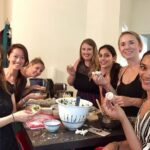
My favorite part is the hands-on 3-course Chinese cooking class in a real studio kitchen, where you cook in pairs and get practical guidance while you work. With a small group and the tour guide Bill running the show, the vibe stays relaxed and you can ask questions as you go.
One thing to plan for: this experience needs good weather, and it involves comfortable walking and time on your feet in busy market streets. If you’re hoping for a no-footwear-thought kind of outing, pick your day carefully.
In This Review
- Key Points to Know Before You Go
- Ngau Tau Kok Wet Market: Ingredients You’ll Actually Use
- Market Shopping to Pots n Pans Kitchen: How the Day Transitions
- Your 3-Course Chinese Menu: Skills to Repeat at Home
- Timing, Pacing, and the Small-Group Feel in 4.5 Hours
- Price and Value: Why $131.25 Can Be a Good Deal
- Practical Tips That Make This Class Easier (and Better)
- Should You Book This Wet Market and Chinese Cooking Class?
- FAQ
- How long is the Hong Kong Market Walking Tour & Chinese Cooking Class?
- Where does the tour start and end?
- What meal do I get during the class?
- Do I cook or just watch?
- Is alcohol included?
- Is it a small group or a large tour?
- What should I wear?
Key Points to Know Before You Go
- Ngau Tau Kok wet market shopping for seafood, meats, vegetables, and fruit before cooking
- Hands-on 3-course class where you cook in pairs and learn techniques you can repeat at home
- Small-group attention with time to ask questions and experiment
- Included meal components: lunch or dinner plus dessert and tea or coffee
- Weather-dependent walking: wear shoes you can handle in a bustling market
Ngau Tau Kok Wet Market: Ingredients You’ll Actually Use
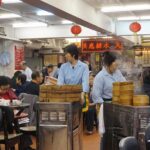
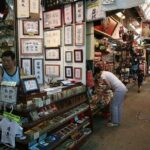
The experience starts in Ngau Tau Kok, a local neighborhood setting that feels more like Hong Kong’s everyday rhythm than a tourist shortcut. You head through a wet market where the variety is part of the lesson: seafood on display, meats and vegetables laid out for real daily cooking, and fruit that ranges from familiar to truly eye-opening.
A big value here is that your guide doesn’t just point and say, buy this. Bill talks about how the markets function and how different stalls fit into the area’s commercial and residential mix. You also get context for what Hong Kong changed over the last couple of decades, and why food culture keeps moving with the city.
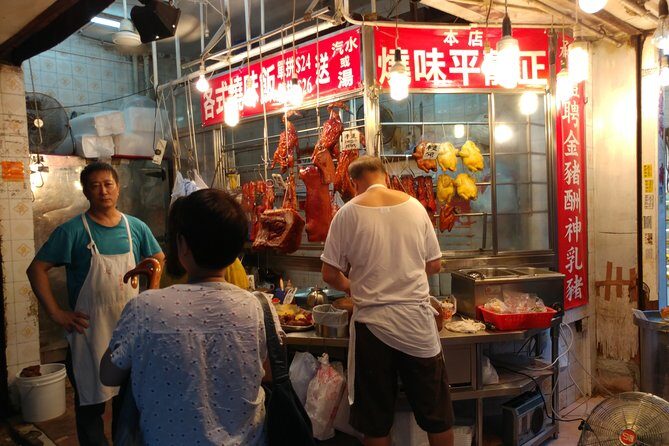
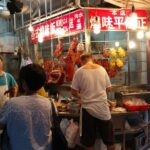
Look for the “why” behind the items you see. When you notice things like Chinese BBQ shops and noodle spots in the market area, you’re picking up the idea that Hong Kong cooking is built on dependable staples plus flexible choices. That helps later when you’re standing at the stove and trying to understand what each ingredient is doing in the final dish.
Practical note: this walk is in local streets with plenty of stops. Bring comfortable walking shoes because you’ll want your footing—wet markets aren’t where you want slick soles or fragile shoes.
You can also read our reviews of more walking tours in Hong Kong SAR


Market Shopping to Pots n Pans Kitchen: How the Day Transitions
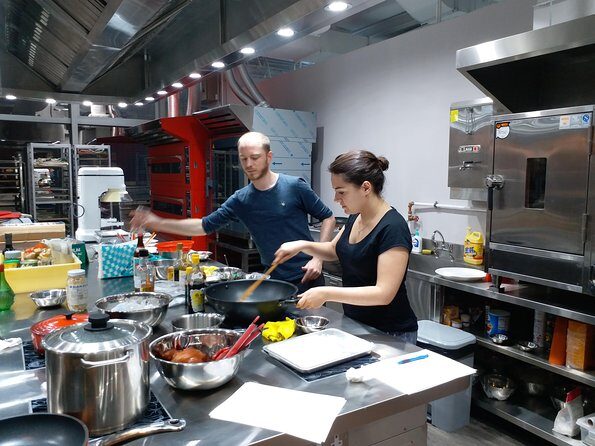
After you’ve browsed and gathered fresh ingredients, the group moves to the cooking studio—Pots n Pans Cooking Studio Limited—to switch from shopping mode to cooking mode. This transition matters because it keeps the “connection” between what you saw and what you make. Instead of memorizing a list of dishes, you’re building a mental map from ingredient to technique.
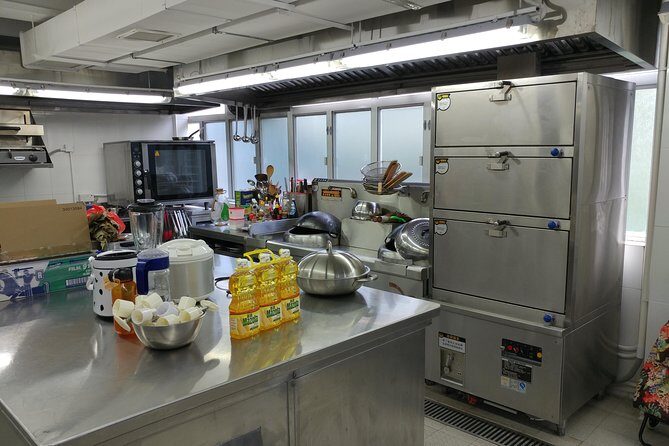
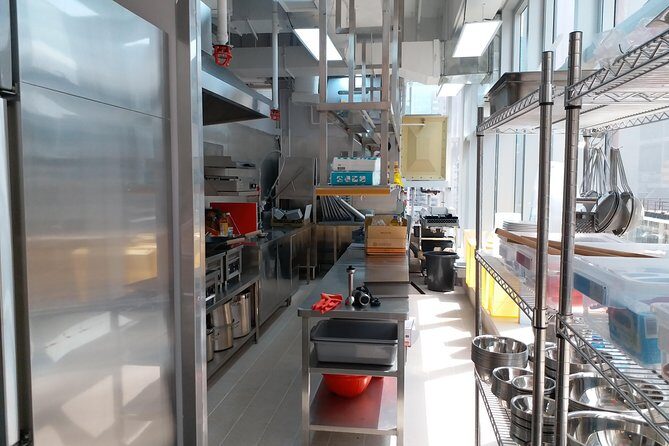
The studio setting comes up again and again in feedback: people describe it as clean, well set up, and very much a working kitchen. One review even points out the studio as a pro-level kitchen experience, which is exactly what you want if your goal is to learn methods, not just follow a script.
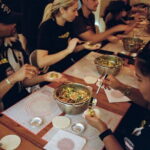
The class runs in pairs, which is a smart way to keep things manageable without feeling cramped. You get time to practice steps, watch what your partner is doing, and adjust as the instructor coaches. The pacing also sounds designed to keep you comfortable—Bill is described as able to create an easy, not-stressful learning environment.
And yes, you’ll still be moving, prepping, and cooking in real time. This is not a lecture where you sit and hope inspiration happens. It’s structured so you leave with recipes and techniques you can recreate at home, which is the difference between a fun meal and a learning experience you can use again.
Your 3-Course Chinese Menu: Skills to Repeat at Home
You’ll create a 3-course Chinese meal, and you’ll enjoy what you make for lunch or dinner, depending on your departure time. The class includes a complementary dessert plus tea or coffee, so you’re fully set up as a guest at the table—not just a cook-in-training.
The practical edge is that the recipes and techniques are tailored so you can recreate dishes later. That matters more than the exact dish list, because real cooking skill is transferable. If you learn how to balance flavors, time a stir-fry, or handle a common prep step in a Chinese cooking style, you’ll be able to adapt that knowledge when you shop for ingredients back home.
You’ll also find flexibility where it counts. One review specifically notes the dishes are customizable for dietary requirements, and the instructor shared expert opinions on flavor combinations that worked well. I’d treat that as a cue that communication is part of the experience: if you have dietary limits, tell the team so the class can accommodate you.
Another useful detail from feedback: don’t plan to leave “just satisfied.” People mention portions are generous and that it can be easy to bring leftovers home. If you choose the meal timing that fits your schedule, you’ll avoid the common problem of missing a snack later because you’re still full from a cooking class.
Timing, Pacing, and the Small-Group Feel in 4.5 Hours
The total duration is about 4 hours 30 minutes, and you can choose a morning or afternoon departure. That choice is helpful because a market walk plus cooking class can land awkwardly if you only have one tight window for food activities. By offering two departure options, you can line it up as a main meal day rather than forcing it around your travel timing.
This is also set up as a private tour/activity for your group—so you’re not mixing into a giant crowd mid-market. That tends to make a difference when you’re learning. Small groups mean you’re more likely to get answers instead of waiting your turn, and it’s easier to move at a pace that suits the class.
In a tour like this, pacing is everything. Too fast in the market and you miss context. Too slow in the studio and you lose energy. The structure here seems to keep you engaged: shop first, cook second, eat what you made third, with tea/coffee and dessert built in.
For planning, remember this is walking and cooking combined. If you have a show or a second food stop later, build in downtime. You’re not just sampling—your hands (and stomach) will be busy.
Price and Value: Why $131.25 Can Be a Good Deal
At $131.25 per person, this class isn’t a bargain in the way street-food wandering is bargain-priced. But it often feels fair because you’re paying for several things at once:
- Guided market tour in Ngau Tau Kok
- Fresh ingredients used in your cooking
- A hands-on cooking class where you actually make food
- Lunch or dinner of the dishes prepared in class
- Water, tea, and coffee during the class
When you compare “buy ingredients + cooking instruction + meal included,” you’re not just paying for knowledge. You’re paying for the setup that turns ingredients into a complete food experience.
There’s also the value of learning the steps. If you leave with recipes and techniques designed to work at home, that’s your return on investment beyond the day itself. You’re less likely to think, that was tasty but I can’t repeat it.
One more cost consideration: alcohol isn’t included, and it’s available to purchase. If you’re the kind of traveler who likes a drink with dinner, you may want to budget separately so it doesn’t surprise you.
You can also read our reviews of more shopping tours in Hong Kong SAR
Practical Tips That Make This Class Easier (and Better)
A few small choices can make the difference between a smooth day and a mildly exhausting one.
Wear comfortable walking shoes. The wet market part is active, and you don’t want sore feet cutting into your focus in the kitchen.
Plan to arrive with a normal hunger level. This is a meal-based class: you shop, cook, then eat lunch or dinner plus dessert. I’d rather you start a little hungry than already full from a giant breakfast.
If you have dietary needs, treat the instructor and studio as partners in the process. The class has been described as customizable for dietary requirements, and the best results happen when you clearly communicate what you can and can’t eat.
Bring questions. Bill’s role comes through clearly in feedback: stories, history, and plenty of chances to ask and experiment. That means your curiosity is part of the value, not an extra.
Finally, keep an eye on weather. The experience requires good weather, and if it’s canceled because conditions aren’t right, you’ll be offered a different date or a full refund. In Hong Kong, weather shifts fast, so don’t plan your day like the forecast is fixed.
Should You Book This Wet Market and Chinese Cooking Class?
I think you should book this if you want a hands-on Hong Kong food experience that goes beyond tasting. It’s a strong pick for first-time visitors who feel overwhelmed by where to start, and for repeat visitors who want something more grounded than just another dinner.
Book it if:
- you like the idea of learning cooking techniques you can recreate at home
- you want a real wet market introduction rather than a staged food stop
- you’d enjoy a small-group setup with time to ask questions
Skip it or reconsider if:
- you hate walking or you’re planning a packed day with no slack
- your schedule only works with weather you can’t control
- you’re expecting a specific dish menu with zero variation (the class is structured around 3 courses, but the exact items aren’t listed here)
If your goal is to leave Hong Kong with both recipes and a clearer sense of how food culture works in the city, this is a solid use of a half-day.
FAQ
How long is the Hong Kong Market Walking Tour & Chinese Cooking Class?
It lasts about 4 hours 30 minutes.
Where does the tour start and end?
It starts in Ngau Tau Kok, Hong Kong, and ends back at the meeting point.
What meal do I get during the class?
You’ll prepare a 3-course Chinese meal and then enjoy it as lunch or dinner. The class also includes dessert and tea or coffee.
Do I cook or just watch?
You cook hands-on. The class is done in pairs, and you make the dishes during the session.
Is alcohol included?
No. Alcoholic drinks are not included, but they are available to purchase.
Is it a small group or a large tour?
It’s designed as a small-group experience, and it’s described as private for your group only.
What should I wear?
Wear comfortable walking shoes because you’ll be walking through the market streets before cooking.