REVIEW · BEIJING
Full-Day Beijing City Tour: Hutongs, Lama Temple and Panda House
Book on Viator →Operated by Trippest Travel · Bookable on Viator
Pandas and temples in one tight route. I love the Lama Temple stop for its Tibetan Buddhist vibe and the gigantic wooden Buddha inside. I also like the local-family lunch in a traditional home, because it turns sightseeing into a real taste-and-talk moment.
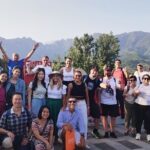
The main catch is time pressure: with an 8-hour day, you’ll move quickly between highlights. On one departure, an English-speaking guide named Sabrina stood out for warm personality and strong English, which can make that packed schedule feel easier to handle.
In This Review
- Key things to know before you go
- What this Beijing day tour is really like
- Olympic Park photo stop: Water Cube and Bird’s Nest in 45 minutes
- Lama Temple (Yonghegong): Tibetan-style Buddhism and the wooden giant
- Panda House break: close encounters at Beijing Zoo
- Hutongs by rickshaw: the alley maze and why it matters
- Lunch in a local home: the most human moment of the day
- Jingshan Park and Forbidden City views: the climb that pays off
- Price and logistics: what you’re paying for at $172
- Who should book this tour, and who should think twice
- Should you book this tour?
- FAQ
- What time does the tour start?
- Is hotel pickup included?
- Is the tour private?
- Are entrance tickets included?
- How long do you spend at Olympic Park?
- What do you see at Lama Temple (Yonghegong)?
- Do you ride a rickshaw in the hutongs?
- Is there panda viewing on this tour?
- Is lunch included?
- Can children join?
- Cancellation policy note
Key things to know before you go
- Lama Temple (Yonghegong) is the centerpiece with a Tibetan-style monastery feel and a world-scale wooden Buddha statue.
- Olympic Park is mostly a photo stop with 45 minutes outside the Water Cube and Bird’s Nest.
- Panda House time at Beijing Zoo gives you close-up panda viewing plus other animals.
- Hutongs by rickshaw + walking helps you fit the old-alley maze into one guided block.
- Jingshan Park viewpoint adds that classic high-angle look over the Forbidden City.
- Pickup and included tickets make the day logistically smooth, especially if you don’t want to plan transit across town.
What this Beijing day tour is really like
This is one of those Beijing itineraries that tries to balance four different sides of the city: old streets (hutongs), spiritual Beijing (Lama Temple), modern landmarks (Olympic Park), and the feel-good reset (giant pandas). If you want a single day that gets you oriented fast, this has that energy.
I also like the way the day is structured around change of pace. You’re not stuck doing just temple photos or just zoo photos. You go from temple decorations to a home lunch setting, then to narrow courtyard lanes, then up to a viewpoint over the Forbidden City area.
The value angle is strong here because you’re not just paying for a “driver and a map.” You get an English-speaking guide, bottled water, an air-conditioned vehicle, and entrance tickets for the stops listed. The one thing to keep realistic: 8 hours is busy. If you’re the type who wants to linger quietly for a long time in one place, you may wish there was more slack built in.
You can also read our reviews of more city tours in Beijing
Olympic Park photo stop: Water Cube and Bird’s Nest in 45 minutes
Olympic Green is a quick hit, and that’s exactly how it’s planned. You’ll get about 45 minutes to take pictures outside the Water Cube and Bird’s Nest, the famous venues from the 2008 Olympics.
This is ideal if you’re traveling with a camera mood and you want the iconic shapes without turning the day into a logistics project. It’s also useful for context: when you later read about Beijing’s modern era, you’ll already have seen the landmarks in person.
The tradeoff is simple. This stop is described as outside photo time. If you care about seeing inside stadium structures, you’ll need to coordinate with your guide for any added help. So bring comfortable shoes, set your photo priorities early, and don’t plan on a long guided “museum-style” walk here.
Lama Temple (Yonghegong): Tibetan-style Buddhism and the wooden giant
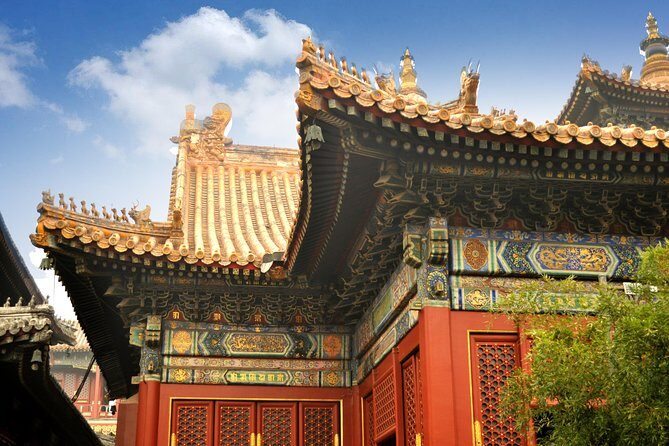
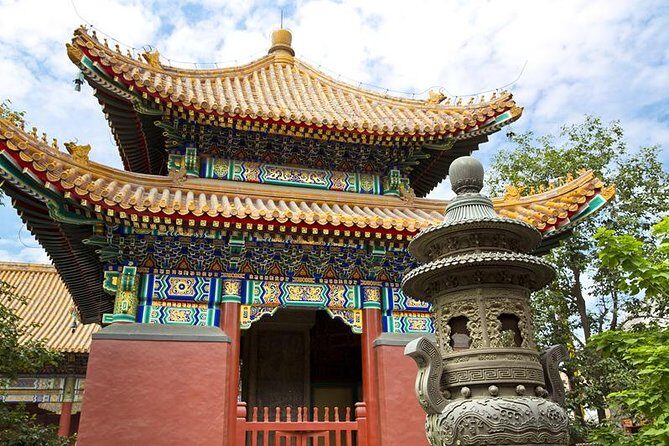
If you only had time for one “big” cultural stop, Lama Temple is the one that feels built for it. The program gives you about an hour in the Yonghegong complex, a Tibetan Buddhist monastery with over 300 years of history.
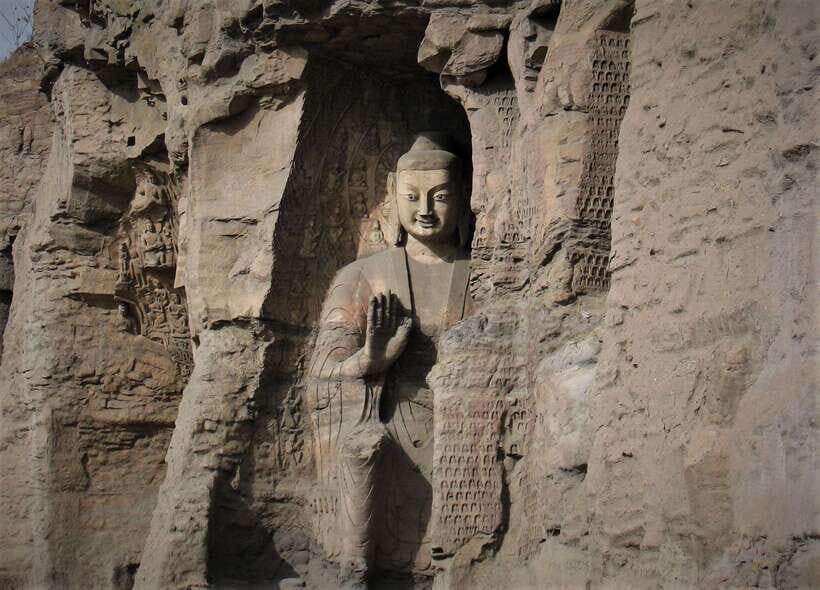
Inside, one highlight is the world’s largest wooden Buddhist statue. That scale changes how you experience everything else. The decorations and religious atmosphere stop being background and start being part of what you’re standing under.
What I like about this stop for your day-planning brain is that it’s not vague. You know what you’re going for: Tibetan Buddhist monastery setting, a centerpiece statue, and a focused tour length. That matters because you’re also doing hutongs, pandas, and city views later, and Lama Temple needs to be efficient.
A practical note: temple areas often involve quiet movement and respectful behavior. So keep your pace steady, avoid rushing your photos, and let the guide handle the flow so you’re not zigzagging through crowds.
Panda House break: close encounters at Beijing Zoo
Pandas are the obvious draw, but what makes this stop work is that it’s not framed as a random “animal detour.” The tour is set up for Panda House viewing, plus other animals, at Beijing Zoo.
This is a good mid-day emotional reset. After temples and city architecture, seeing giant pandas feels like a different kind of Beijing experience. Even if you’re not a “zoo person,” the Panda House setup is usually what people remember when they look back on a Beijing day packed with monuments.
Timing is the question. The itinerary doesn’t list exact minutes for panda viewing in the stop list you provided, so expect this portion to be scheduled to fit the full route. Go in with one clear goal: get your panda time first, then enjoy the rest of the animal viewing without burning your energy.
If you get the sense that the day is moving quickly, the Panda House is where you’ll be glad it’s short and direct. It’s designed to give you results fast.
Hutongs by rickshaw: the alley maze and why it matters
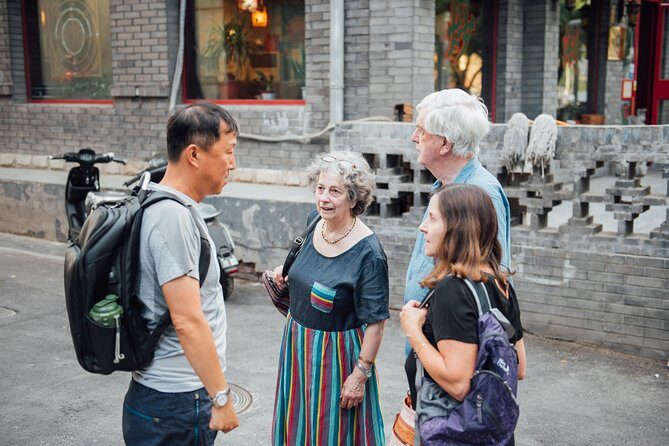
Hutongs are one of those Beijing words that can sound like a postcard until you’re actually moving through them. Here, the tour is set up around the historic alley maze with traditional single-story courtyard houses, which are now fast disappearing.
You’ll spend about 1.5 hours on the hutong segment. Part of it is described as walking through narrow alleys, and part is riding through the hutongs in a rickshaw. That combo is smart: you get the feel of the lanes without having to cover everything on foot, and you still get your bearings in the street network.
The rickshaw ride is the difference between viewing hutongs from the curb and understanding them as a lived-in maze. The narrow lanes can be hard for big vehicles and slow for foot travel. A rickshaw keeps the pace human and makes it easier to see courtyard life from the right angle.
One consideration: rickshaws and tight alley walking can be a little bumpy or tight, depending on how your day goes. If you’re traveling with mobility limitations, you’ll want to ask your guide how they plan the walking portion and where you’ll spend most of your time.
Still, for first-timers, hutongs are one of the best ways to understand why Beijing feels different from city to city. This tour gives you that without requiring days of wandering.
A few more Beijing tours and experiences worth a look
Lunch in a local home: the most human moment of the day
One reason this tour stands out emotionally is the lunch with a local family. The itinerary description frames it as a meal in a traditional home, and multiple highlights emphasize that the food and the experience were memorable.
This is where your day stops being only a sequence of attractions. Hutongs can feel like scenery. A home lunch is when hutongs turn into everyday life. It also helps you connect the dots between what you saw earlier: the courtyard setting isn’t just architecture, it’s where people cook, talk, and live.
Now, a small but important planning detail: your tour info lists lunch as not included, yet the day is clearly built around the home lunch stop and past guide reports describe it as an amazing part of the outing. So treat lunch as a “must-confirm” item for your specific departure. Ask your operator or confirm in your message chain whether the home lunch is covered in your purchase price.
Either way, plan to approach the meal with flexibility. It’s an experience slot, not just a quick bite, so you’ll want to treat it as a core event of the day.
Jingshan Park and Forbidden City views: the climb that pays off
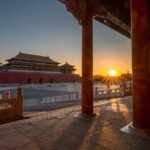
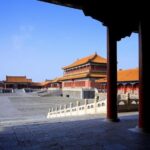
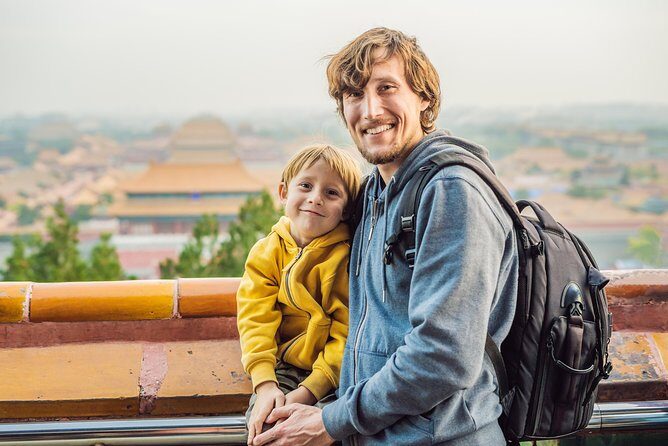
After the hutong time, the itinerary description adds a classic Beijing viewpoint: climbing Jingshan Hill in Jingshan Park. The reward is a sweeping view over the Forbidden City.
This is a smart way to close the loop. You’ve been in alleyways and courtyard spaces, then in a temple, then in modern landmarks. The climb gives you the city’s larger geometry back, including that unmistakable sense of how the Forbidden City sits in its surrounding area.
Expect a climb. Even if it’s not a long hike, it’s still steps and open-air time. Comfortable shoes help here, and it’s also the point in the day where you might feel the schedule catching up to you. If you’re the type who gets tired after multiple stops, this is the place to slow down and take breaks as needed.
Price and logistics: what you’re paying for at $172
At $172 per person, this tour can feel like a lot until you look at what’s bundled. You’re paying for hotel pickup and drop-off within the 4th ring road area, an English-speaking guide, an air-conditioned vehicle, bottled water, and entrance tickets for the listed attractions. You’re also getting the routing built-in, which matters in Beijing traffic.
If you tried to assemble this day on your own, the biggest hassle wouldn’t be admissions. It would be stitching together multiple far-apart areas with good timing, getting the right entry access, and navigating language barriers without losing hours.
Where costs can pop up is lunch and tips. Your info lists lunch as not included and says gratuities are recommended. So budget for that in your head, even if the lunch stop is part of the day program.
One more logistics plus: you’ll receive a mobile ticket, which is usually easier than hunting for paper tickets at each entrance. The tour is also described as private in the sense that it’s for your group only, not a mixed crowd experience.
Finally, since this is a full-day plan, it helps that the tour includes free cancellation up to 24 hours before the start time. If your schedule changes, you still have flexibility.
Who should book this tour, and who should think twice
This tour fits you best if you want a guided day that hits several Beijing “signature” experiences: Lama Temple, hutongs by rickshaw, Panda House viewing, and a modern landmark photo break. It’s especially useful if your Beijing time is limited and you’d rather spend your hours seeing than figuring out transit.
It may be less ideal if you hate fast pacing. With a full itinerary and an emphasis on photo time at Olympic Park, you’re not getting a slow, sit-down day. The schedule is built to cover ground, not to linger deeply in one place.
It also helps if you’re comfortable with a mix of environments: religious spaces, animal viewing, walking through narrow lanes, and a viewpoint climb. If you’re sensitive to crowds, you’ll still have guided help managing where you stand and how you move.
Should you book this tour?
Book it if your ideal Beijing day looks like this: one or two hours that feel cultural and meaningful (Lama Temple and hutongs), a feel-good highlight you can’t miss (pandas at Panda House), and a view that reorients you (Jingshan Park over the Forbidden City). You’ll get a lot for your time, and the bundled guide + tickets reduce friction.
Skip it or at least compare if you want deep, unhurried time in fewer places. Olympic Park here is mostly an exterior photo window, and the day’s structure is designed to keep momentum. Also double-check the lunch inclusion for your specific departure so there are no surprises.
If you’re trying to make one day count, this is a strong contender because it blends old Beijing texture with modern photo icons and a panda moment that makes the whole route feel lighter.
FAQ
What time does the tour start?
The tour starts at 8:00 am and runs for about 8 hours.
Is hotel pickup included?
Yes, hotel pickup and drop-off are included if your hotel is within the 4th ring road zone of Beijing.
Is the tour private?
Yes. It’s described as private, meaning only your group participates.
Are entrance tickets included?
Entrance tickets are included for the stops listed in the itinerary.
How long do you spend at Olympic Park?
You have about 45 minutes for photos outside the Water Cube and Bird’s Nest.
What do you see at Lama Temple (Yonghegong)?
You get about a 1-hour guided visit to the Yongle Lama Temple area, including sights like the enormous wooden Buddha statue.
Do you ride a rickshaw in the hutongs?
Yes. The tour includes riding through the hutongs in a rickshaw, along with time walking through the alley areas.
Is there panda viewing on this tour?
Yes. The tour includes a visit to the Panda House to see giant pandas and other animals.
Is lunch included?
Lunch is listed as not included, even though the tour description includes a lunch stop with a local family. Confirm with the operator for your departure.
Can children join?
Children must be accompanied by an adult.
Cancellation policy note
Free cancellation is available up to 24 hours before the experience’s start time for a full refund.