REVIEW · SHANGHAI
Shanghai: Natural History Museum with Tickets
Book on GetYourGuide →Operated by Chinatravelhelper · Bookable on GetYourGuide
Plan one smart museum day in Shanghai. The Shanghai Natural History Museum ticket gets you into a branch of the Shanghai Science and Technology Museum, inside Jing’an Sculpture Park, where the focus is on how nature and humanity connect through science and stories.
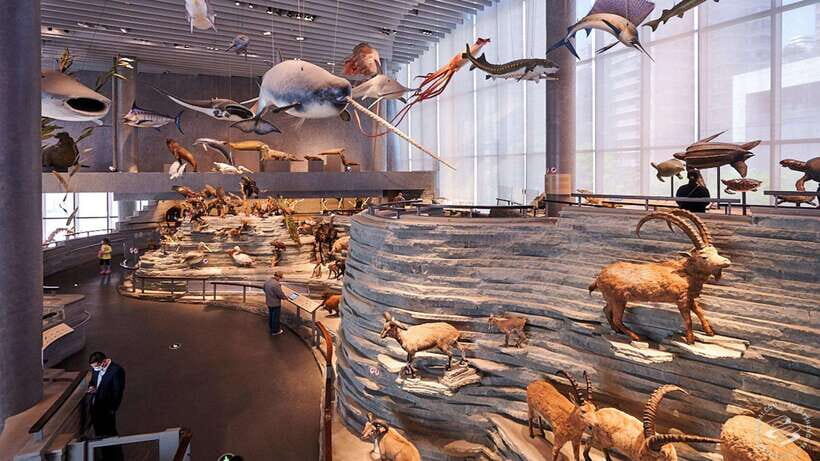
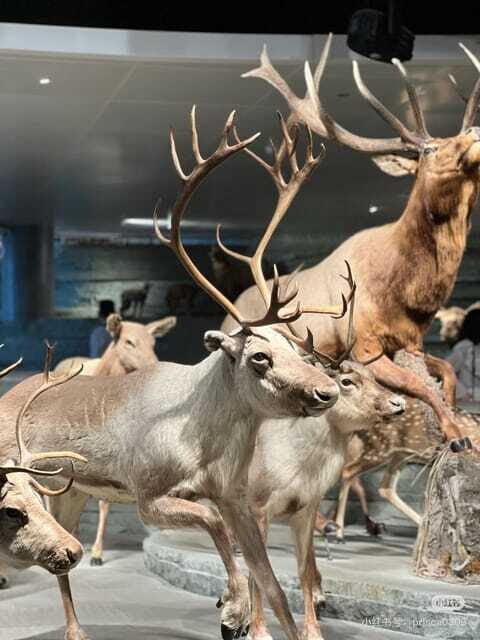
What I like most is the sheer amount you can cover at your own pace: 10 themed exhibition areas plus five theater-style show spaces. I also really valued the scale of the collections, with over 11,000 specimens and models from the seven continents—enough to make even a casual visit feel substantial.
One consideration: that GetYourGuide QR code is not your real ticket. You have to send your visit date, full name (exactly as on your ID/passport), and passport number to the activity provider by email, then you’ll get confirmation—so don’t treat this like a same-day scan-and-go plan.
In This Review
- Key highlights worth your time
- Getting past the QR-code hiccup and getting the real admission
- Jing’an Sculpture Park setting and the museum’s Nature · Humanity · Harmony theme
- A self-paced tour through 10 themed exhibition areas
- Five theater-style show spaces: where the museum adds motion
- The live breeding area: learning biology you can watch
- Exploration Center and hands-on activities like Nature Exploration Camp
- Practical logistics: where to go, what to bring, what not to do
- Price and value: is $14 worth it?
- Who this ticket is best for (and who might want a shorter plan)
- Should you book this Shanghai Natural History Museum ticket?
- FAQ
- What is the price of the Shanghai Natural History Museum ticket?
- Is the GetYourGuide QR code the entry ticket?
- How long is the ticket valid?
- What do I need to bring for entry?
- What happens after I book?
- Are food and drinks allowed inside the museum?
Key highlights worth your time
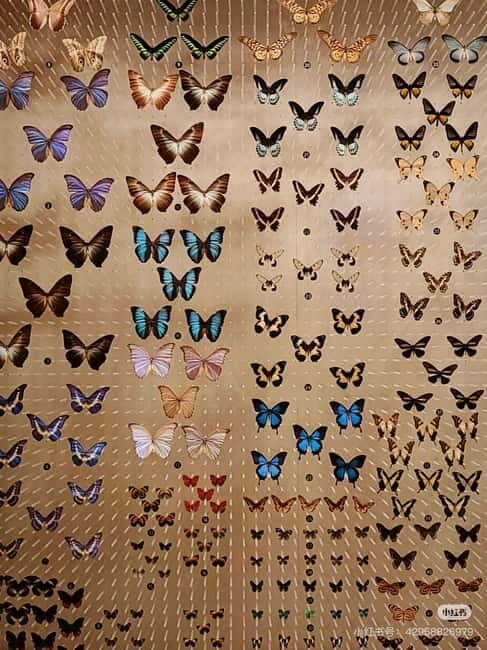
- 10 themed exhibition areas give you a self-paced route, from origins to future-looking science themes
- Five theater-style show spaces add movement and context beyond static displays
- Over 11,000 specimens and models let you compare life across the seven continents
- A live breeding area turns biology from a concept into something you can watch and think about
- Nature-themed education activities like Nature Exploration Camp and Drawing Nature support hands-on curiosity
Getting past the QR-code hiccup and getting the real admission
This ticket experience is straightforward, but the first step can trip you up. The QR code you see through GetYourGuide is not the real entry ticket. What you actually need is the museum admission confirmation issued after the provider verifies your details.
After you book, you’ll need to email the activity provider your expected visit date, your full name (matching your passport/ID exactly, including capitalization), and your passport number. Once that reservation is complete, you receive a confirmation email. Plan to do this promptly, especially if your trip is tight.
For entry day, bring your passport or ID card. The museum is clear about the ID requirement, and it’s the simplest way to avoid awkward delays at the gate.
A few more Shanghai tours and experiences worth a look

Jing’an Sculpture Park setting and the museum’s Nature · Humanity · Harmony theme
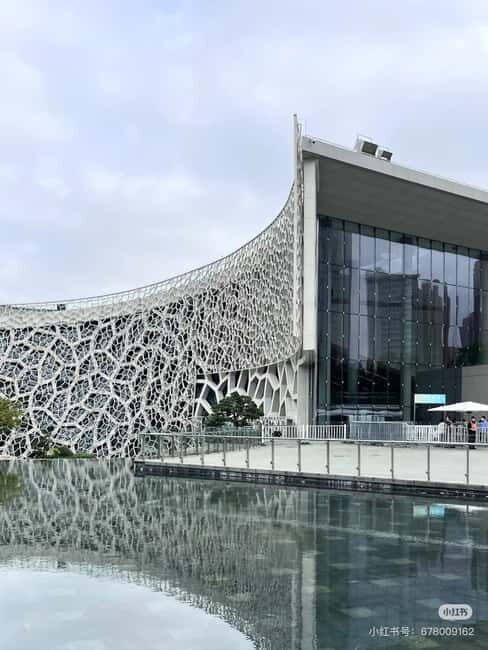
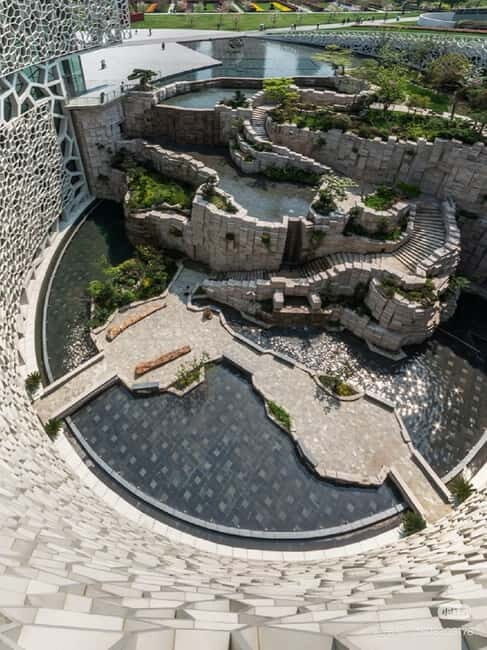
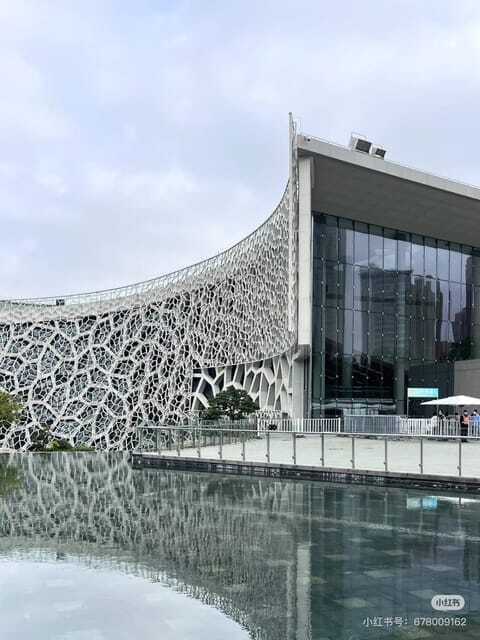
The Shanghai Natural History Museum sits at 510 West Beijing Road, Jing’an District, inside Jing’an Sculpture Park. It’s a large modern facility, and the size matters because you’re not just walking past a few rooms—you’re touring a full museum built for exhibits and education.
The museum theme is Nature · Humanity · Harmony, and it shapes how the areas feel. Even without reading every label, you’ll notice the intent: nature isn’t treated as separate from people. Instead, science and technology get used to explain how life works, how ecosystems survive, and how humans fit into the bigger picture.
The building and education footprint is also big enough to support a long visit. The venue covers 45,257 square meters, with 32,200 square meters for exhibition and education services. That translates to room to move, plus multiple zones so you’re not funneled into one crowded line all day.
A self-paced tour through 10 themed exhibition areas
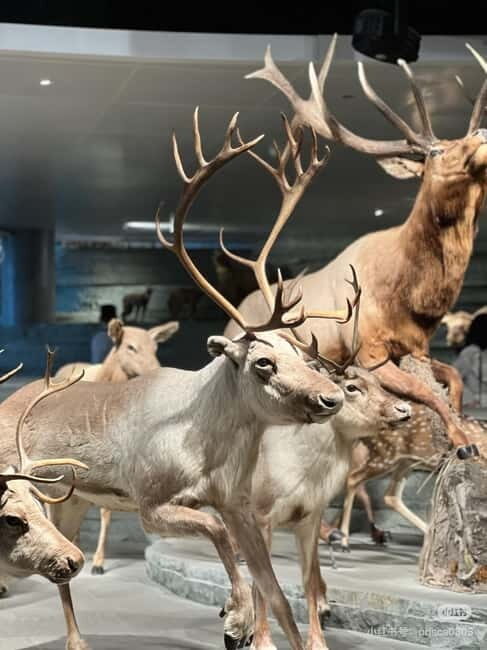
You’re free to explore at your own pace, which is the best match for a museum this wide. The trick is deciding how deep you want to go. If you’re going fast, you can hit every zone. If you like details, you can slow down in the sections that catch your eye and still finish.
Here are the 10 themed exhibition areas you’ll see, listed as the museum presents them:
- Mystery of Origins
This is your starting point, and it’s a good place to orient your brain. Expect to focus on beginnings—how life starts and how the natural world gets explained through science.
- The Long River of Life
This area naturally invites a timeline mindset. It’s a strong choice if you like the idea of comparing life across time rather than just species-by-species.
- Path of Evolution
If you want the museum to feel more analytical, this is where you’ll likely spend time. Evolution themes help you connect the dots between how life changes and how traits adapt.
- Earth Treasures
This is where geology and natural resources themes often show up in natural history storytelling. Even if you skim labels, the “treasures” framing usually pushes you to think about Earth as a system.
- Diverse Life
This zone is built for comparison. “Diverse Life” is a clear promise: you’ll see variety across habitats and species concepts, with the seven-continent collection backing it up.
- Ecological Wonders
Ecology-focused exhibitions tend to reward slower viewing. If you like cause-and-effect stories—how one part of nature relies on another—this zone is likely to fit your style.
- Survival Wisdom
This area tends to highlight adaptations. It’s a good one if you enjoy practical answers: how living things manage risk, scarcity, and changing conditions.
- Human and Nature Bond
This is the theme-forward section. The museum’s overall idea is harmony between nature and humanity, and this zone signals that connection directly.
- Shanghai Stories
Local storytelling helps a big museum feel closer. Even if you know only a little about Shanghai, this area gives you a reason to care about place, not just specimens.
- The Path to the Future
Ending with future-looking science gives you a satisfying arc. It helps turn museum learning into something forward-looking—how technology and conservation thinking might guide what comes next.
No matter your route, the names are useful. They work like a reading map, helping you decide what to linger on. If you’re short on time, I’d recommend doing a quick full loop first, then returning to two areas that fit your curiosity.
Five theater-style show spaces: where the museum adds motion
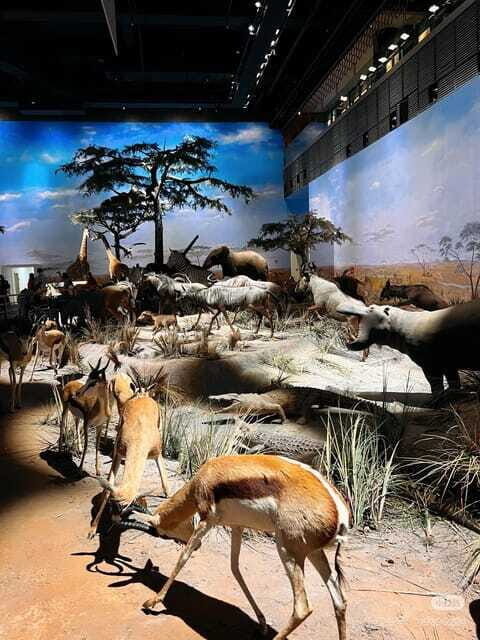
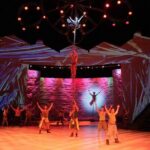
Beyond the exhibition halls, you get five theater-style show spaces. These are your built-in brain breaks and story boosters. Static displays are great, but theaters add pacing—often turning concepts into narratives you can follow.
Because the exact show topics aren’t listed in the ticket details, I can’t tell you what plays in each room. Still, the presence of multiple theaters matters. It suggests the museum uses a variety of formats to explain nature and science in different ways, not just one repeating presentation.
If you’re visiting with kids or anyone who gets museum-walk-fatigue, plan at least one theater stop mid-visit. It keeps the day balanced and prevents the classic problem: seeing everything on paper and remembering almost nothing later.
The live breeding area: learning biology you can watch
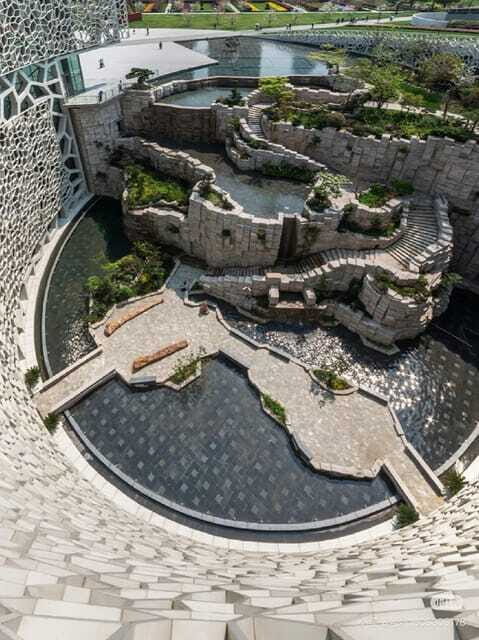
The museum includes a 300-square-meter live breeding area. A live area changes the tone immediately. Instead of only studying models and specimens, you can observe that living processes are happening in real time.
This is the part I’d treat as “pay attention time.” Even if you don’t read every label, watching live breeding helps you connect exhibition themes like survival, adaptation, and ecosystem cycles to something you can directly observe.
Pair this with theater time or a slow exhibition zone, and the day feels like it’s building toward understanding—not just consuming information.
You can also read our reviews of more historical tours in Shanghai




Exploration Center and hands-on activities like Nature Exploration Camp
There’s also a 1,200-square-meter Exploration Center, which points to education being part of the museum’s core design, not a side attraction. If you enjoy learning by doing, this is a strong reason to pick this museum over a quick, display-only stop.
The museum offers educational activities such as Nature Exploration Camp and Drawing Nature. Those titles tell you a lot: the focus isn’t only facts. It’s curiosity, observation, and getting you to interact with what you see.
If you’re visiting during a time when activities are running, these sessions can turn the exhibits into something more memorable because you’re using your own hands and eyes, not just your reading glasses.
Practical logistics: where to go, what to bring, what not to do
The museum address is 510 West Beijing Road, Jing’an District, inside Jing’an Sculpture Park. Use that as your anchor when you navigate, and give yourself a little time for the museum layout—because it’s large, and you’ll want to start in a calm mindset.
The ticket is valid for 1 day, but you should still check availability to see starting times. That matters because your day planning depends on when entry is slotted or recommended.
What to bring is simple: passport or ID card.
And the museum rules are strict on food and smoke. Smoking is not allowed, and food and drinks are not allowed inside. If you need a break, plan that outside the museum or rely on nearby options before or after.
Price and value: is $14 worth it?
At $14 per person, this isn’t a budget breaker, and it looks like strong value for what’s included. You’re paying for admission to a museum with:
- 10 themed exhibition areas
- five theater-style show spaces
- a live breeding area
- over 11,000 specimens and models
- education infrastructure like the Exploration Center
Also, the included list is clear: admission ticket plus an information service fee. Food isn’t included, so you should budget for snacks or plan meals nearby.
If you usually treat natural history museums like a quick walk-through, you might feel like you’re rushing through. But if you’re willing to slow down—especially for the live breeding area and at least one theater stop—this ticket price starts to make sense fast. You’re not buying a single highlight. You’re buying a full learning day.
Who this ticket is best for (and who might want a shorter plan)
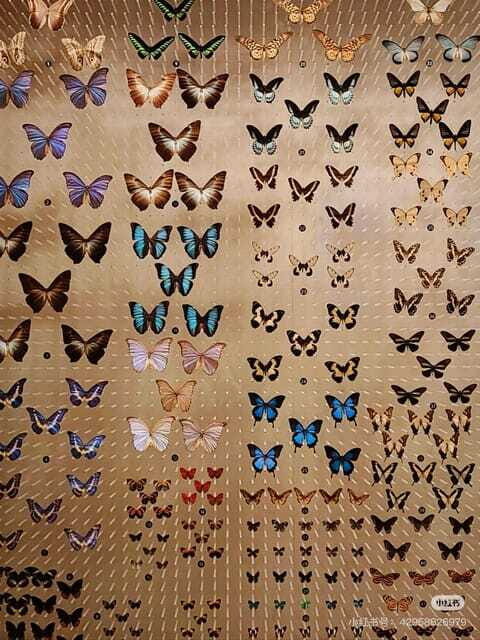
This museum fits a wide range of travel styles. If you like science through visuals, the large collection scale helps. If you prefer storytelling structure, the themed exhibition names make it easy to follow a narrative arc.
I think it’s especially good for:
- families looking for education that isn’t just worksheets
- curious solo travelers who want a self-paced route
- groups who benefit from variety—exhibits plus theater-style breaks
If your museum style is only the top one or two galleries and then you’re out, you might want to treat this as a curated day plan for your favorite themes. Because the museum is large and the exhibition count is high, going all-in can be time-consuming.
Should you book this Shanghai Natural History Museum ticket?
I’d book it if you want a solid, science-focused day with variety: exhibitions, theater-style shows, and a live breeding area. The price is reasonable for the breadth you get, and the themed layout makes it easy to design your own route.
I’d think twice if you hate admin tasks. The QR code isn’t the real ticket, and you must email your visit date, exact name, and passport number to complete the reservation. If you follow that step carefully, you’re set. If you ignore it, entry day can turn into avoidable stress.
If you’re deciding now: pick this ticket when you have a full day free and you’re excited by natural history themes that connect nature, people, and future science.
FAQ
What is the price of the Shanghai Natural History Museum ticket?
The price is listed as $14 per person, with an admission ticket included plus an information service fee.
Is the GetYourGuide QR code the entry ticket?
No. The information provided states that the QR code from GetYourGuide is not the real tickets, so you’ll need to follow the confirmation process described after booking.
How long is the ticket valid?
The ticket is valid for 1 day. You should check availability to see starting times.
What do I need to bring for entry?
You should bring your passport or ID card.
What happens after I book?
After purchasing, you need to send the expected visit date, full name (matching your passport/ID exactly), and your passport number to the activity provider by email. You’ll receive a confirmation email once the reservation is complete.
Are food and drinks allowed inside the museum?
Food and drinks are not allowed. Smoking is also not allowed.