REVIEW · SHANGHAI
Shanghai Propaganda and History Walking Tour
Book on Viator →Operated by Amazing Shanghai Trip · Bookable on Viator
Posters tell stories China doesn’t hide. On this Shanghai Propaganda and History Walking Tour, you’ll connect political history to street-level reality, starting in the former French Concession area and ending with a classic Shanghai neighborhood walk. I especially like the way an English-speaking guide (one guide named Alana got standout praise for clear, story-driven explanations) brings context to the imagery, and I also like the practical value: entrance fees and a hot bowl of Chinese wonton soup are included.
One consideration: this is focused on political history and propaganda, so if you’re only looking for light sightseeing or modern trends, you may find the topic heavy. Also, expect a walk through real streets—comfortable shoes are a must.
In This Review
- Key highlights you’ll actually care about
- Why this tour works: politics, but on real streets
- Shanghai Propaganda Poster Art Centre: what you’re really seeing
- Soong Ching-ling Memorial Residence: a more personal lens
- Wukang Road and the classical French Concession streets
- Food stop: wonton soup as a small local reset
- Price and value: is $73.60 worth it?
- Logistics that actually matter day-of
- Who should book this tour (and who might skip it)
- Should you book this Shanghai propaganda and history walking tour?
Key highlights you’ll actually care about
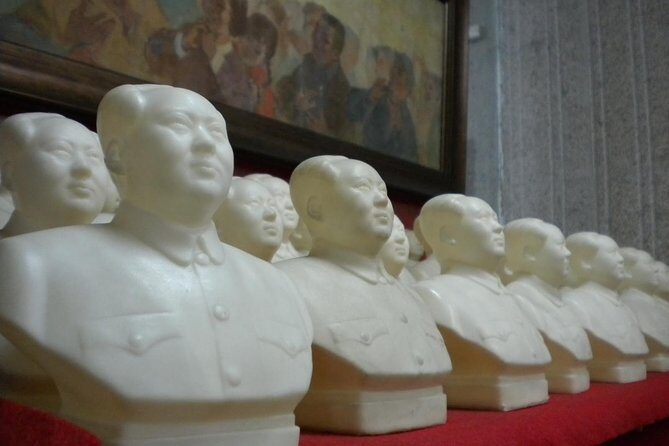
- Over 6,000 original propaganda posters spanning the 1940s to the 1990s
- Soong Ching-ling’s former residence for a personal view of Republic-era and early communist history
- A classical French Concession walking segment along Wukang Road, about 1.2 km
- All entrance fees included, so you’re not hunting for tickets mid-day
- Small group size (max 15) for better questions and pacing
- Wonton soup included, a simple break that keeps the tour moving
Why this tour works: politics, but on real streets
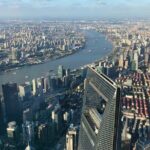
Shanghai can feel fast and polished, especially if you’re only doing river cruises and landmark photos. This tour slows you down on purpose. Instead of treating history as distant, you see it in two forms you can stand in front of: printed propaganda in a museum setting, and lived-in history at a preserved residence. Then you transition outdoors to streets that still show how Shanghai looked during earlier foreign-influenced eras.
I like the balance here: the propaganda museum handles the big ideas and messaging, while Soong Ching-ling’s home adds a human scale. For many people, that combo is the point. You don’t just see what was said—you get at why it landed, how ordinary life was shaped, and how people still pushed for a better future.
And because it’s a guided walking format, you’re not left alone with a wall of text. You can ask questions while you’re moving—an underrated way to learn.
You can also read our reviews of more walking tours in Shanghai
Shanghai Propaganda Poster Art Centre: what you’re really seeing
The first stop is the Shanghai Propaganda Poster Art Centre in the former French Concession area. This is not a generic photo museum. It’s a private collection built around original political posters—think decades of messaging you’d normally never notice unless you were looking for it.
The museum holds over 6,000 original propaganda posters collected from the 1940s to the 1990s, covering chairman Mao’s era and major political movements from the New China period. A key detail: the collection is tied to the hobby of Yang Pei Ming, who started collecting in 1995. That origin matters. It helps frame the museum not just as a state archive, but as an intentional attempt to preserve everyday-looking history—posters people encountered in public life.
What you’ll learn here is less about memorizing dates and more about reading posters as communication. Even when you don’t agree with the message (and some imagery can be unsettling), you can still study how the messaging was designed: bold visuals, clear symbols, and themes meant for broad audiences. On a guided tour, the story behind each period comes with it—so you don’t just scan and move on.
Time-wise, you get about one hour at the museum. That’s enough to see the range without feeling trapped. If you love art museums, you’ll enjoy noticing how style changes over time. If you’re more into political history, you’ll appreciate the guided links between posters and what was happening in society.
A small caution: because it’s focused on propaganda, you’ll be looking at charged political imagery. The guide context is what makes that easier to process.
Soong Ching-ling Memorial Residence: a more personal lens
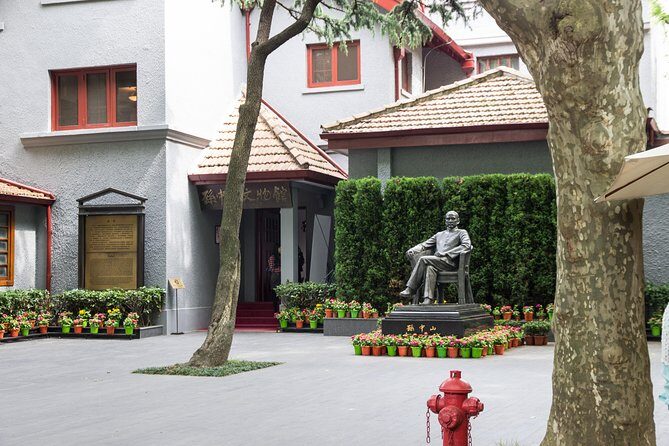
After the museum, you head to the Soong Ching-ling Memorial Residence, the former home of Soong Ching-ling—best known as the wife of Dr. Sun Yat-sen. This is the kind of stop that shifts the mood from public messaging to private life and legacy.
Inside, you’ll see Soong’s life achievements and also how the house connects to wider history—specifically the Republic era and the early communist period. Even if you only know her name from headlines, being in her former residence tends to make the timeline feel more grounded. It’s harder to think of history as abstract when you’re walking through a preserved home.
The tour’s framing matters here. The guide helps connect what you saw on posters to what life could look like for ordinary people during those decades—hardships, changing rules, and the constant hope for something better. That contrast is a big part of why this tour feels more meaningful than a museum-only afternoon.
This stop also leads directly into the next part of the day: a local food break and then a walk along a historically important Shanghai street. So you’re not stuck in museum mode for the whole tour.
Wukang Road and the classical French Concession streets
Here’s the part I like for a practical reason: it gets you out of “indoors learning” and back into Shanghai as a place with layers.
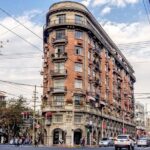
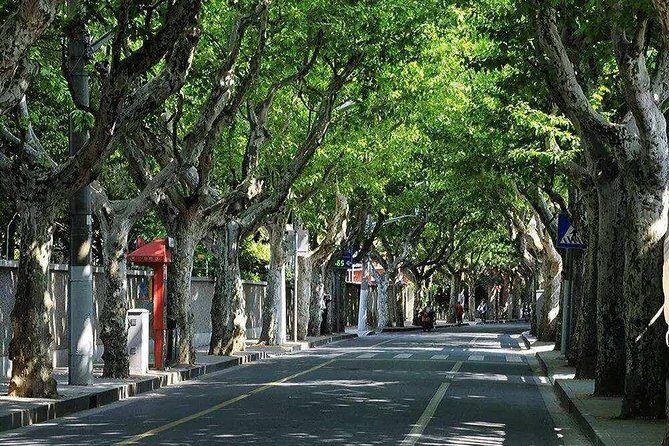
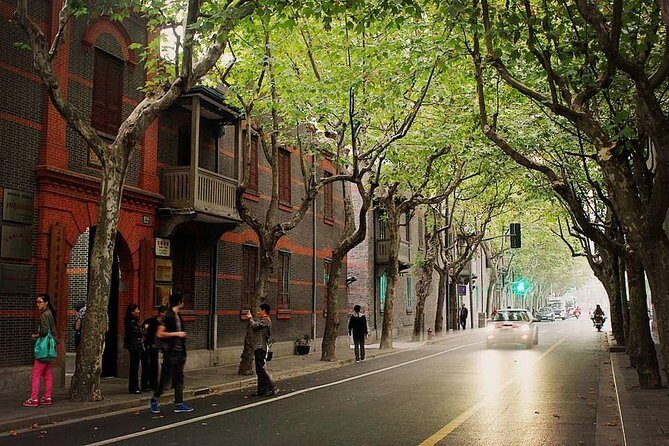
After you visit the memorial residence, you walk along Wukang Road for about a mile (1.2 km). The route is in the orbit of the classical French Concession, known for European-style streets and preserved historical buildings. If you’ve only seen Shanghai’s modern skyline, this segment is a nice reality check—Shanghai wasn’t always glass-and-steel.
What to look for while you walk:
- architectural details that feel more “street-and-building” than “monument”
- how the streetscape shapes what people do day to day
- that sense of distance between eras, right in the same neighborhood
You’re moving at a comfortable walking pace, and the guide can point out what’s historically significant about what you’re seeing. It’s also a good time to ask follow-up questions since you’re not stuck inside with bright wall labels.
Food stop: wonton soup as a small local reset
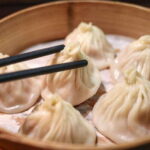
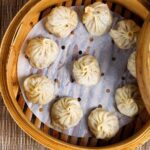
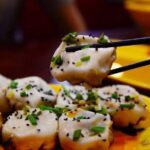
Between the memorial residence and the street walk, the tour takes you to a local shop for Chinese wonton soup. This is included, so you’re not budgeting or deciding on the fly.
I like this kind of food break on walking tours because it works on two levels. First, it’s a simple, reliable meal when you’re walking for hours. Second, it nudges you into local routine rather than treating lunch as another sightseeing project.
Nothing fancy is promised here, and that’s fine. The point is you get a warm bowl, you reset your energy, and you keep moving through the day without losing momentum.
You can also read our reviews of more historical tours in Shanghai

Price and value: is $73.60 worth it?
At $73.60 per person for roughly 3 hours, the value depends on what you want most from Shanghai.
Here’s what you’re paying for, practically:
- an English guide (and the chance to ask questions while you’re there)
- entrance fees included for both major stops
- wonton soup included
- a structured walking route through neighborhoods that don’t always make it into quick sightseeing itineraries
- a small group cap of 15, which usually helps the guide manage the pace and your questions
If you were to do this on your own, you’d spend time figuring out transport, buying tickets separately, and guessing what to prioritize inside. This tour essentially removes the friction—and saves you time deciding what matters.
The other angle: the content is quite specific—propaganda posters and a particular historical residence. If that’s exactly your interest, $73.60 feels reasonable. If you’re not excited by political history, you may feel like you’re paying for topics you’d rather skip.
Logistics that actually matter day-of
This is a walking tour with museum time and a neighborhood stroll. The total duration is about 3 hours, and the walking portion includes Wukang Road at about 1.2 km.
Meeting point is at Jiangsu Road Metro Station (Changning District, Shanghai). Start time is 1:00 pm. You don’t get hotel pickup or drop-off, but the meeting spot is described as centrally located and near public transportation, which makes it easier to reach without a long taxi ride.
You’ll also get a mobile ticket, which keeps things simple once you’re in Shanghai.
One last practical tip: bring comfortable shoes. The walking is not extreme, but you’re on city streets in the midday time window.
Who should book this tour (and who might skip it)
This one fits best if you want:
- political and cultural context, not just photos
- a guided explanation tied to what you’re seeing in the moment
- a mix of museum + street history, including the French Concession vibe
- a small-group format where you can ask questions
You might skip it if:
- you want a purely modern Shanghai itinerary
- propaganda imagery and political history aren’t your thing
- you prefer open-ended browsing where you decide everything on the spot
Still, even if you’re undecided, you’ll likely appreciate the structure: museum first, memorial residence next, then a street walk. That flow helps the day make sense.
Also worth noting: in feedback, the guide Alana was specifically praised for explaining what you were seeing in the posters and throughout the tour. That’s a good sign you won’t be left interpreting everything alone.
Should you book this Shanghai propaganda and history walking tour?
If you’re the type of traveler who likes your history explained in plain language while you’re standing in the right place, I’d book this. The value is strong because you get entrance fees included, a built-in snack meal, and an organized route through places that connect big political themes to real Shanghai streets.
If you’re sensitive to heavy political content, just go in with eyes open and let the guide context do its job. Bring comfortable shoes, keep your expectations realistic, and you’ll come away with a clearer picture of how public messaging and everyday life intersected in early communist-era China.