REVIEW · SHANGHAI
Full Day Shanghai Jewish Refugee Museum & Heritage Bike Tour
Book on GetYourGuide →Operated by Shanghai Bike Tours · Bookable on GetYourGuide
Shanghai changes fast when you pedal.
This full-day Shanghai Jewish Refugee Museum & Heritage Bike Tour ties big-name landmarks to the story of Jewish life in Shanghai, from the refugee years through the city’s modern era. You’ll cycle out to sites like the Japanese Concession while stopping at meaningful places such as Huoshan Park and the Jewish Refugees Museum, all with an English-speaking guide.
I really liked two things: you learn while moving, not just standing still, and the ride coaching makes the experience feel doable in real traffic. I also appreciated getting the Jewish context at key stops, including Huoshan Park and the museum’s WWII refugee focus under guide May. One drawback to plan for: if you’re expecting lots of day-to-day religious practice details (Torah, prayer, ritual), the museum presentation leans more toward artifacts and refugee life than a deep spiritual walkthrough.
In This Review
- Key things I’d circle before you go
- Meeting at the Japanese Concession and learning Shanghai traffic rules
- Pedaling to Huoshan Park: a small stop with big meaning
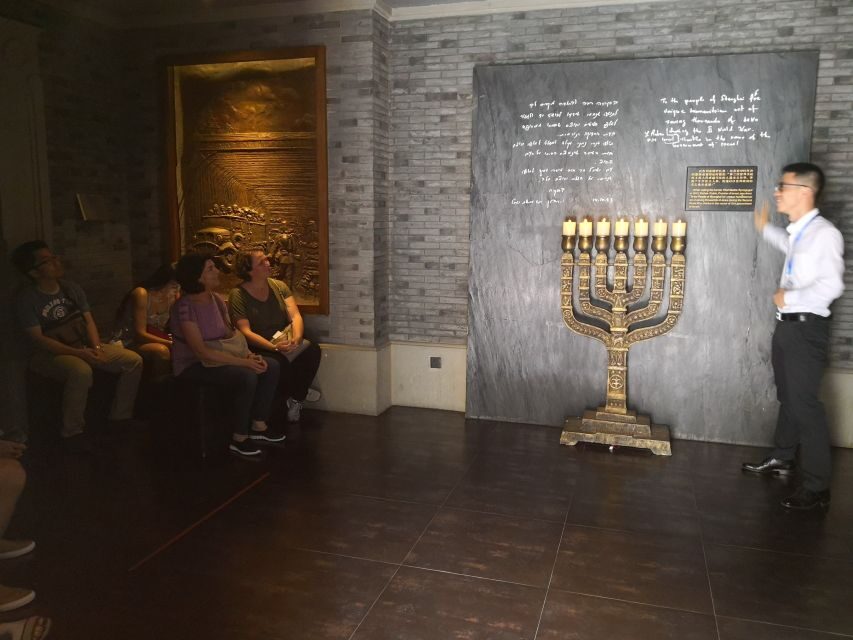
- Jewish Refugees Museum at the Ohel Moshe Synagogue site
- The Jewish ghetto area and the former Jewish Club
- Riding through the Japanese Concession and seeing Shanghai’s layers
- Bund, Garden Bridge, Yu Garden Bazaar, and Nanjing Road in one run
- Old downtown and the food street: where the day ends on a taste note
- Price and what $85 buys you for 7 hours
- What this tour is best for (and who might skip it)
- Small rules that matter: shoes and getting comfortable
- Should you book this Shanghai Jewish Refugee Museum bike tour?
- FAQ
- How long is the Shanghai Jewish Refugee Museum & Heritage Bike Tour?
- How much does the tour cost?
- Where does the tour start?
- Does the tour end back at the meeting point?
- Is there an English-speaking guide?
- What’s included in the price?
- What are the main stops or sights on the tour?
- Are high heels allowed?
- Are there multiple starting times?
- Can I cancel and get a full refund?
- Can I reserve now and pay later?
Key things I’d circle before you go
- Traffic-smart biking with practical guidance so Shanghai feels manageable on two wheels
- Huoshan Park’s memorial plaque gives you a quick but pointed start to the story
- Jewish Refugees Museum at the former Ohel Moshe Synagogue site, with WWII refugee artifacts and documents
- Japanese Concession riding as the backdrop for several stop-and-see moments
- Classic Shanghai sights (Bund, Garden Bridge, Nanjing Road, Yu Garden Bazaar) mixed into one day
Meeting at the Japanese Concession and learning Shanghai traffic rules
The day starts at No.39 Che Zhan South Rd in Hongkou District, right across from Shanghai Fuxing Senior High School. It’s a good setup because you’re already in an area that feels like part of the city’s layered past, not just another generic tourist zone.
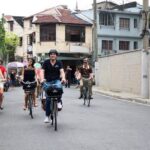
Before you roll, expect a quick practical rhythm: you’ll get a high-quality bicycle and a helmet, and your guide will set you up for what matters most—how to handle the flow of Shanghai streets. The big win here is that the guide doesn’t treat biking like a performance. They explain how cars, motorbikes, and cyclists share space in a way that makes sense once you’re actually out there. That matters because Shanghai can look chaotic from the curb, but the ride feels smoother when you understand the local patterns.
If you’re an experienced cyclist, you’ll still benefit from the rule-of-thumb guidance. If you’re a nervous rider, this is the tour style you want: active, yes, but guided and explained so you’re not guessing.
You can also read our reviews of more cycling tours in Shanghai

Pedaling to Huoshan Park: a small stop with big meaning
One of my favorite early moments is the visit to Huoshan Park. It’s described as small and quaint, but the key detail is what you’re there for: it’s home to the sole memorial plaque for Shanghai’s Jewish community.
That’s a neat reminder of how history can be both huge and quiet at the same time. You don’t need a grand building to feel the weight of the story. The guide’s job here is to connect the plaque to what you’ll see later—so when you reach the museum, it won’t feel like a separate attraction. It’ll feel like the next step in the same narrative.
Practical tip: bring a moment of patience for photos. Even though it’s a brief stop, you’ll probably want a clear look at the plaque before moving on.
Jewish Refugees Museum at the Ohel Moshe Synagogue site
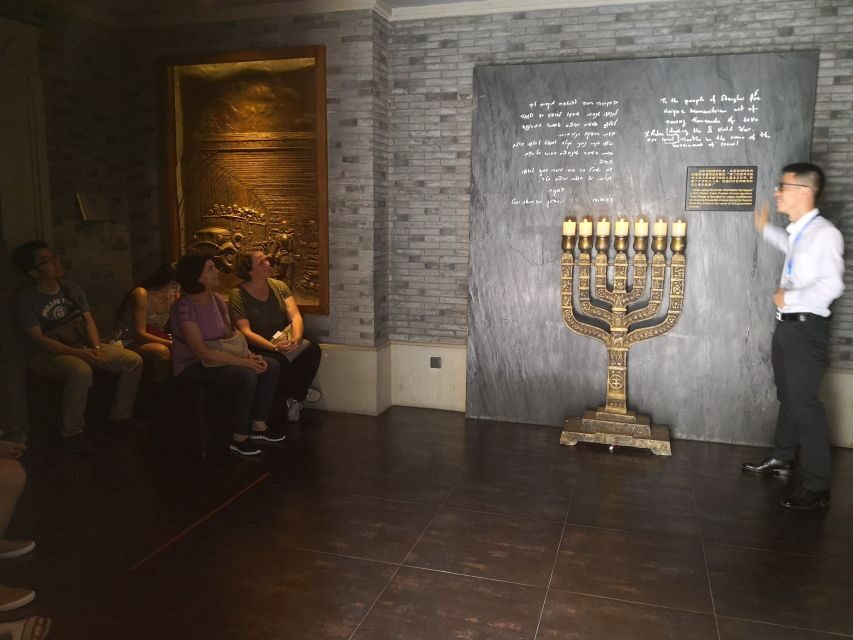
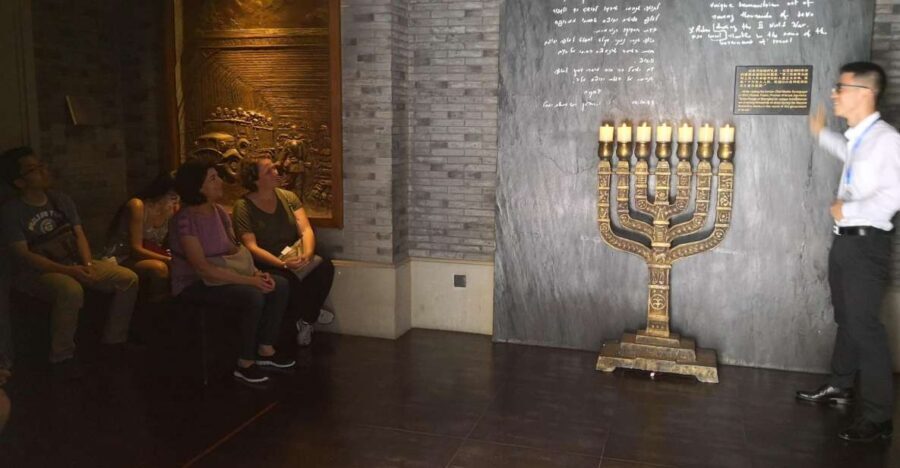
The tour’s anchor is the Jewish Refugees Museum, founded on the site of the former Ohel Moshe Synagogue. This is the kind of detail that turns a museum visit from generic to specific. You’re not only learning about refugees; you’re walking around the location tied to Jewish religious life before and around World War II.
Inside, the museum experience is built around artifacts and documentation—items that show how people lived after fleeing persecution, and what daily life looked like for refugees who arrived during WWII and escaped the Holocaust. The focus is strongly on material evidence: personal histories, objects, and records that help you understand lived experience rather than only broad timelines.
Here’s the trade-off to keep in mind. I can see why some people come in expecting more of the spiritual or Torah-practice side of Jewish life. The tour data and the museum’s general described approach emphasize refugees and history through exhibits and artifacts. That means the religious/spiritual dimension may feel lighter than you hoped, even if the story still feels deeply human.
If you love museums but you’re also curious about how belief was practiced day to day, I’d treat this as a strong historical learning stop first. Let it set the stage, then use questions with the guide if you want more interpretation beyond what the exhibits show.
The Jewish ghetto area and the former Jewish Club
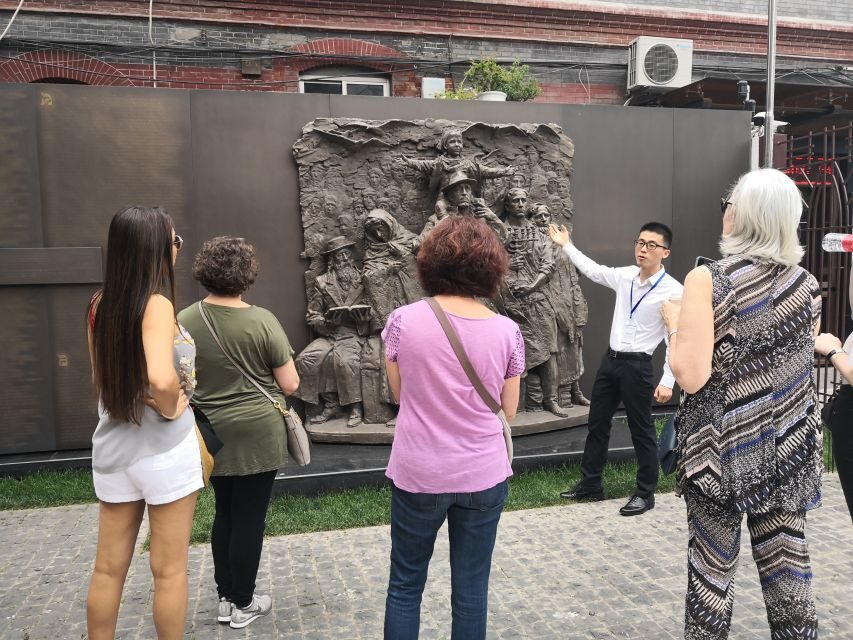
After the museum, you’ll spend time connecting the dots to the wider story—what it meant to live within the Jewish ghetto. Your guide points you toward key parts of that landscape so you don’t just memorize names. You see the city as the container for real lives.
Another important stop is the former Jewish Club. This place is described as offering leisure activities and music performances. I like that angle because it prevents the day from becoming only grim. Jewish refugees weren’t only enduring crisis; they also tried to live with rhythm, community, and downtime when possible.
Even if you only catch parts of the story from the outside, the idea is clear: these stops show how culture and community functioned under pressure. That’s valuable because it gives the historical information emotional texture. You don’t leave feeling like you toured a theme park of facts.
Riding through the Japanese Concession and seeing Shanghai’s layers
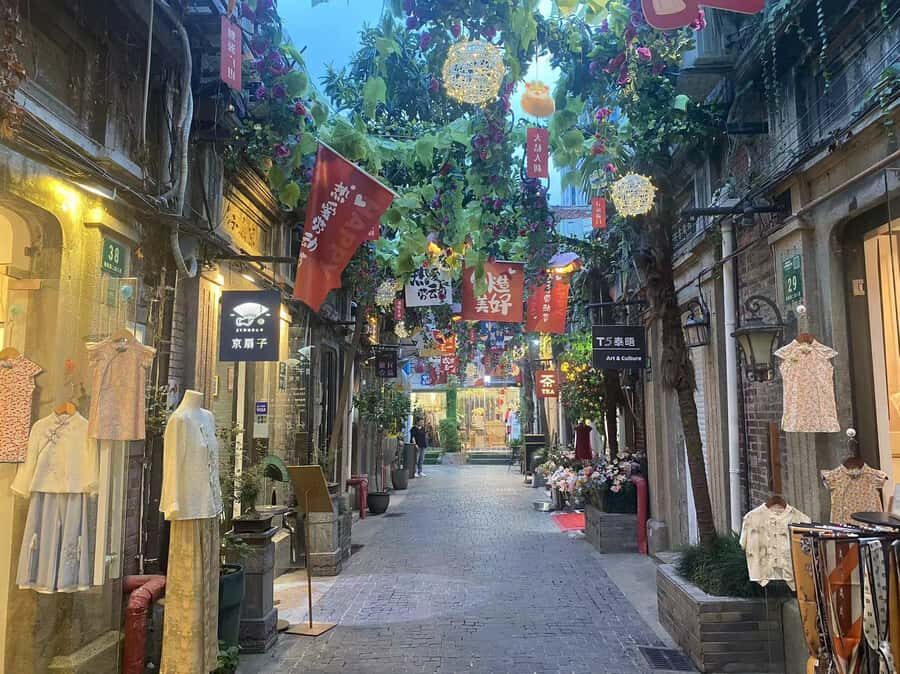
A big part of why this tour works is the cycling through the Japanese Concession. The Concession isn’t just a “ride to the next attraction.” It’s a visual reminder that Shanghai changed hands, influences shifted, and multiple communities shaped the city at once.
As you pedal, you’ll also pass through areas that set you up for the rest of the landmark day: the route naturally leads you toward the most famous sights, but you’re moving through them in a way that feels more personal than getting dropped at the curb and rushed along.
A practical note: the guide is the difference-maker here. When you understand local bike flow and when to expect turns and stops, the city turns into a rideable classroom.
You can also read our reviews of more historical tours in Shanghai

Bund, Garden Bridge, Yu Garden Bazaar, and Nanjing Road in one run
The itinerary is loaded with classics. The trick is that you’re not just ticking them off; you’re using the bike time to connect the famous skyline Shanghai tourists recognize with the quieter, more specific story you just started learning.
Here’s what you’ll see as you work your way through central highlights:
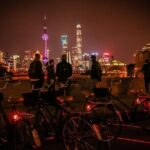
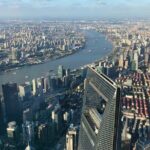
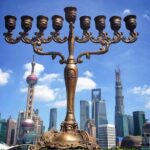
- The Bund: You’ll get that classic riverfront view that defines Shanghai’s iconic silhouette. It’s also a strong reminder of how different communities and economic waves shaped the city’s growth.
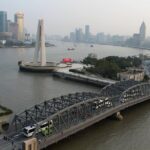
- Garden Bridge: It’s a recognizable landmark that helps break up the ride with a cityscape moment.
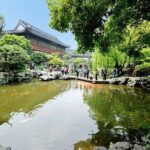
- Yu Garden Bazaar: This is the part of the day where Shanghai’s old-city flavor hits. You get to pass by the Bazaar area and feel the pull of the tourist-friendly energy, while still holding on to your tour theme.
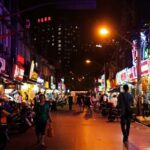
- Nanjing Road: The famous shopping boulevard is part of the experience for a reason. After museum time, it feels like contrast in the best way—history on one side, street life on the other.
I’ll be honest: if you’re someone who hates crowds, Nanjing Road and Yu Garden areas might feel intense. The upside is that you’re not stuck there alone. Your guide is moving you through so the time is purposeful, not wandering.
Old downtown and the food street: where the day ends on a taste note
After landmark time, you’ll also see Old downtown and a food street area. This is where I think the tour earns its value for most visitors. You don’t just learn history; you also get to enjoy the city’s everyday reality.
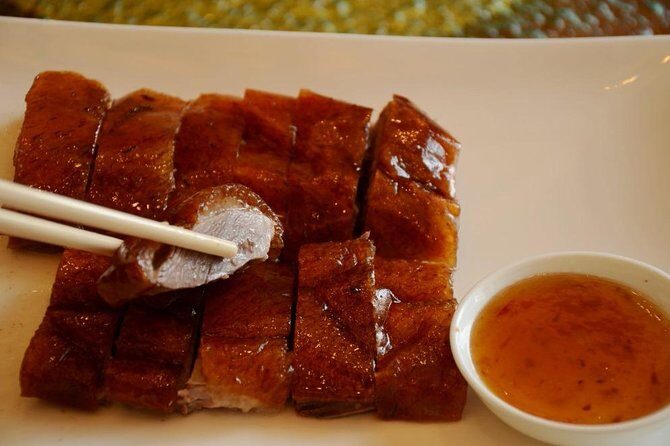
The tour includes an authentic local lunch, plus a bottle of mineral water. There’s also a strong mention of dumplings at the end of the day, which fits the overall approach: practical comfort food after hours on a bike.
One small planning thought: lunch is included, but you’ll still want to dress and pace yourself so you don’t feel sluggish at the museum-to-sights transitions. A 7-hour day is long enough that you’ll feel it if you start out cold, hungry, or in uncomfortable shoes.
Price and what $85 buys you for 7 hours
At $85 per person for a 7-hour tour, you’re paying for three things that add up in a city like Shanghai:
- A professional English-speaking guide who ties the stops together so you don’t just consume information.
- Bike + helmet provided, which saves hassle (and gives you a more seamless start).
- An organized route that links the Jewish Refugees Museum and ghetto story to major Shanghai landmarks like the Bund and Nanjing Road.
When a tour includes both a meaningful museum component and a long bike route across multiple neighborhoods, the value tends to be real—especially compared to piecing together museum visits plus separate transportation and timing on your own.
The main price consideration is your expectation of religious detail. If your priority is Torah practice and spiritual life, you may feel the day is more historically focused than you wanted. If your priority is understanding what refugees experienced and how the city formed around them, the tour’s framing is strong.
What this tour is best for (and who might skip it)
This is a great fit if you:
- Want a hands-on way to see Shanghai beyond the standard bus circuit
- Like history tours where the guide explains the why, not just the what
- Feel curious about how Jewish communities contributed to Shanghai’s culture and economy from the 1850s to the 1950s
- Enjoy cycling and can handle a full day of riding and stops
You might consider a different option if you:
- Want a heavy religious/spiritual deep-dive focused on Torah observance
- Are uncomfortable with walking-plus-riding days or prefer strictly indoor attractions
- Have footwear constraints beyond the no-high-heels rule
Small rules that matter: shoes and getting comfortable
There’s one clear constraint: no high-heeled shoes. You’ll want comfortable clothes and practical footwear for a full day that mixes cycling with museum time and walking around landmarks.
Also, don’t underestimate the value of helmet wear and clothing you can move in. Since the tour includes open-air ride time and stops at several neighborhoods, you’ll be happiest if you dress for the ride first, sightseeing second.
Should you book this Shanghai Jewish Refugee Museum bike tour?
I’d book it if you want a day that blends Jewish Shanghai history with the city’s top visual hits, and you like learning while you move. The museum setting at the former Ohel Moshe Synagogue site gives the story a strong anchor, and the biking route (Japanese Concession to Bund to Nanjing Road) turns history into something you can actually feel across different parts of the city.
I’d think twice if your main goal is detailed religious instruction or if you’re expecting the museum to function like a spiritual center. In that case, the day may still be meaningful, but it could feel more historical than devotional.
If you’re the type who likes practical guidance, real neighborhoods, and a “see and understand” pacing, this is one of the better ways to spend a full day in Shanghai.
FAQ
How long is the Shanghai Jewish Refugee Museum & Heritage Bike Tour?
It lasts 7 hours.
How much does the tour cost?
The price is $85 per person.
Where does the tour start?
Meet at No.39 Che Zhan South Rd, Hongkou District, opposite Shanghai Fuxing Senior High School.
Does the tour end back at the meeting point?
Yes, it ends back at the starting point.
Is there an English-speaking guide?
Yes. The tour includes a professional English-speaking tour guide.
What’s included in the price?
Included are a quality bicycle and helmet, the tour guide, an authentic local lunch, and a bottle of mineral water.
What are the main stops or sights on the tour?
You’ll visit the Jewish Refugees Museum and ghetto area, see Huoshan Park, and ride through the Japanese Concession. You’ll also go past major sights like the Bund, Garden Bridge, Yu Garden Bazaar, and Nanjing Road, plus Old downtown and a food street.
Are high heels allowed?
No. High-heeled shoes are not allowed.
Are there multiple starting times?
Starting times vary, and you should check availability to see what’s offered.
Can I cancel and get a full refund?
Yes. You can cancel up to 24 hours in advance for a full refund.
Can I reserve now and pay later?
Yes. You can reserve your spot and pay later, with an option to book and pay nothing today.