REVIEW · BEIJING
Hutong Walking Tour: Discover Real Beijing without Crowds
Book on GetYourGuide →Operated by NEXTCITY · Bookable on GetYourGuide
Hutongs show Beijing at human speed. This small-group walk from Xisi Station connects everyday courtyard life with the city’s big changes, including the contrast between traditional hutongs and newer, high-powered Beijing. Guides such as Dee and Tracy keep things friendly and practical. One thing to know up front: only about half the tour stays in hutongs, so it’s not an all-alley-only experience.
Plan for about 2.5 hours on your feet (roughly 3km) plus a short café break and a complimentary traditional Beijing drink. You’ll see major religious and architectural stops, from temples to a church, and you’ll get straight talk about how these neighborhoods have evolved.
In This Review
- Key highlights you’ll feel in real life
- Hutongs, But With the Modern Beijing Contrast That Matters
- A note on the hutong time
- 2.5 Hours and About 3km: How to Dress for This Walk
- Where You Start at Xisi Station (and Why the Meeting Spot Helps)
- Guangji Temple: The Calm-First Stop That Changes Your View
- Church of the Saviour, Beijing: Learning Beijing’s Spiritual Mix
- Zhengyang Bookstore (正阳书局): Shopping That Feels Like Culture
- Zhuanta Hutong: Where the Courtyard Story Becomes Visible
- Emperors Temple of Past Dynasties: Photo Stop With Real Context
- Local Café Break: Rest Without Breaking the Rhythm
- Miaoying Temple: Another Photo Stop, Another Layer of Meaning
- The Traditional Beijing Drink: Small Taste, Big Memory
- Price and Value: Why $49 Makes Sense for This Format
- Who This Hutong Tour Fits Best (and Who Might Want Something Else)
- Should You Book This Hutong Walking Tour?
- FAQ
- Where does the hutong walking tour start?
- How long is the tour, and how much walking is involved?
- What’s included in the price?
- Is there a break during the tour?
- What language will the guide speak?
- Is this tour suitable for wheelchair users or mobility impairments?
Key highlights you’ll feel in real life
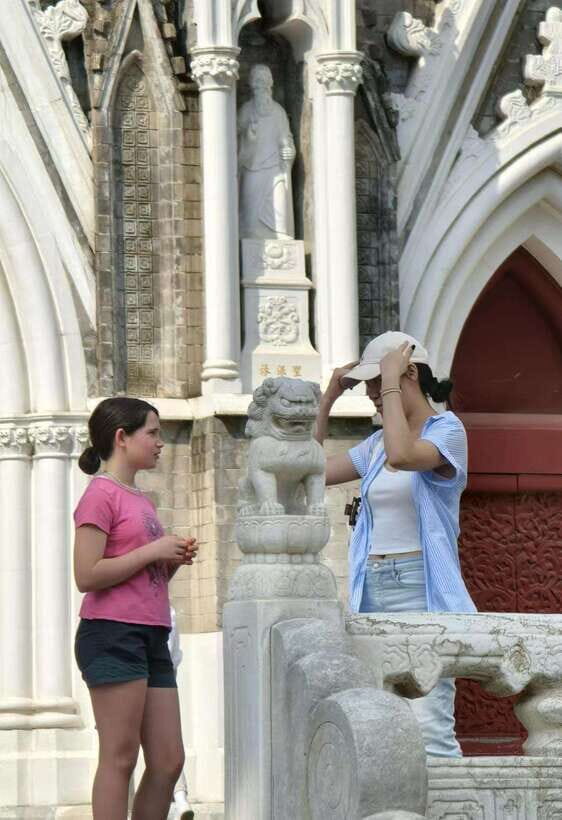
- Small group size (up to 8) means more chances to ask questions and get accurate context.
- Old hutongs meet big-city Beijing so you can compare design, history, and daily routines on one walk.
- Temple + church mix helps you read Beijing’s spiritual map, not just its tourist map.
- Focused pace with breaks, so the walking feels like sightseeing with a local, not a sprint.
- A traditional Beijing drink at the end gives you something local to sip while the neighborhoods sink in.
Hutongs, But With the Modern Beijing Contrast That Matters
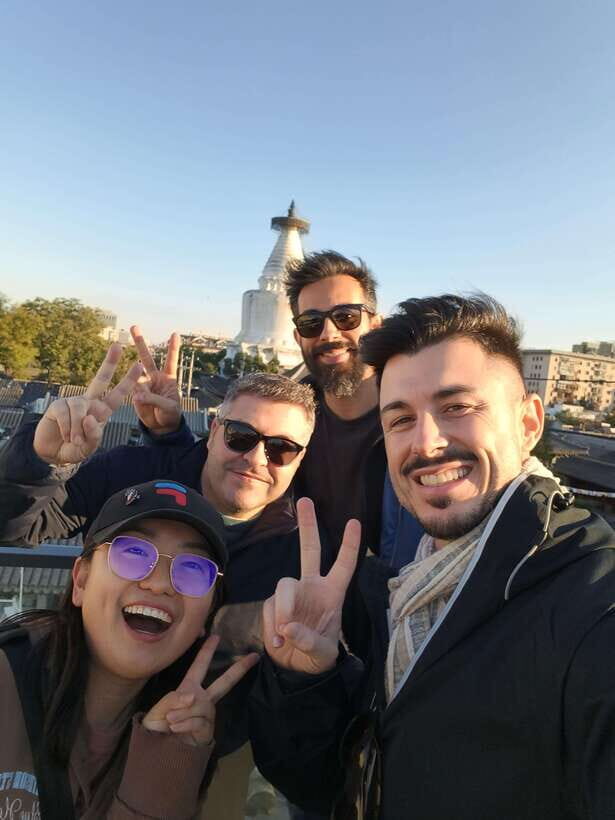
I like that this tour doesn’t treat hutongs as frozen museum pieces. You walk through older neighborhoods where courtyard homes and temple culture still shape the rhythm of the area, then you see how Beijing’s newer power centers change the look and the feel of the city around them.
That matters because “real Beijing” isn’t only old stone lanes. It’s how old and new sit side by side, and how everyday people adapt. The vibe of the tour is also practical: you’re not just told what to look at—you’re taught what the layout and symbols mean when you’re standing right there.
I also appreciate how the guide presence makes the whole walk feel personal. People consistently mention guides who stay warm and supportive, including Dee, Tracy, and Heidi, and the tour pace is often described as just right.
You can also read our reviews of more walking tours in Beijing



A note on the hutong time
If your dream is to spend every minute wandering hutong alleys, take the mixed format seriously. About half the route is in hutongs, and the rest includes other local sights and unique buildings. For me, that’s a plus because it helps explain why hutongs exist the way they do—but it might not fit your travel style.
2.5 Hours and About 3km: How to Dress for This Walk
This is a walking tour with real pavement time. The distance is about 3km, and the tour runs about 2.5 hours, so comfortable shoes are non-negotiable.
Bring the basics that Beijing can test:
- Water (yes, even if you feel fine at the start)
- A hat and sunscreen if it’s sunny
- Weather layers (conditions can shift quickly)
Also, this tour is not a wheelchair-friendly route. If mobility is a concern, it’s better to look for a different format.
Where You Start at Xisi Station (and Why the Meeting Spot Helps)
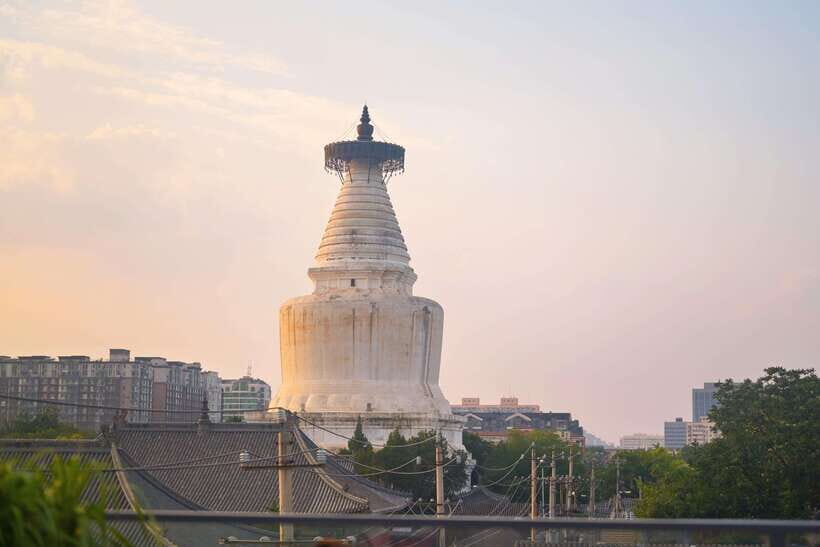
You meet at Line 4, Xisi Station (Exit D). That’s a smart choice because it puts you on the edge of an area where you can move between big-city movement and quieter neighborhood streets without complicated transfers.
From the start, the tour sets expectations clearly: you’ll be walking through traditional spaces, then transitioning to other sights. Expect a guided storyline that moves from neighborhood life and architecture to spiritual sites and back to daily Beijing.
Small group size (up to 8 people) also changes the feel of meeting. You’re not squeezed into a crowd at the gate. You can hear the guide, and it’s easier to step off to take photos without blocking everyone.
Guangji Temple: The Calm-First Stop That Changes Your View
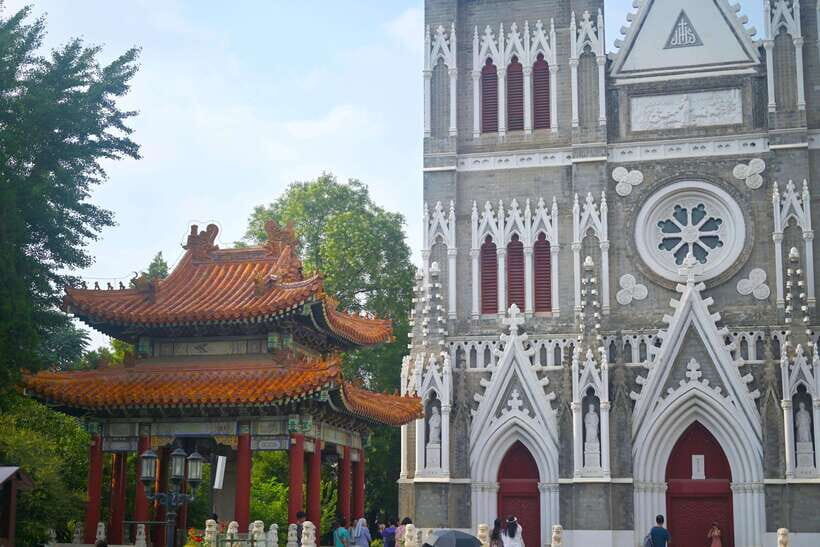
The tour begins with Guangji Temple, a guided stop meant to help you “read” what you’re about to see. Temples aren’t just pretty backdrops here; they’re part of how communities think, pray, and mark routines.
You’ll likely get help noticing design cues and how religious spaces sit within the broader neighborhood fabric. Even if you’re not deeply into temple history, this first stop sets a tone: Beijing’s older districts make more sense when you understand what spiritual buildings are doing in the street-level world.




Church of the Saviour, Beijing: Learning Beijing’s Spiritual Mix
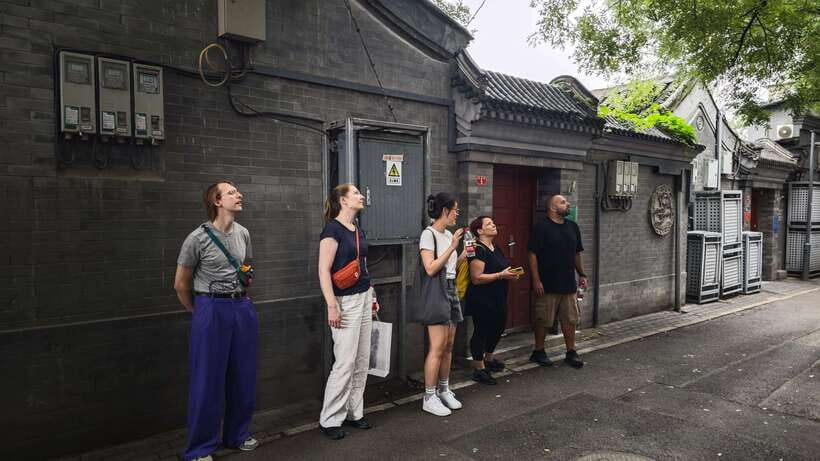
Next comes the Church of the Saviour, Beijing. I like this stop because it widens your understanding of Beijing. You see a different religious tradition in the middle of the same broader area, so the story becomes bigger than one faith.
You’ll be able to connect the dots between architecture, symbolism, and community identity. And if you’re the type who likes to ask questions, this is often the point where guides shine—people mention that guides are warm, patient, and good at handling curiosity.
Practical tip: churches and temples can have rules about where you can stand and how you should behave. Keep it respectful, and follow the guide’s directions.
Zhengyang Bookstore (正阳书局): Shopping That Feels Like Culture
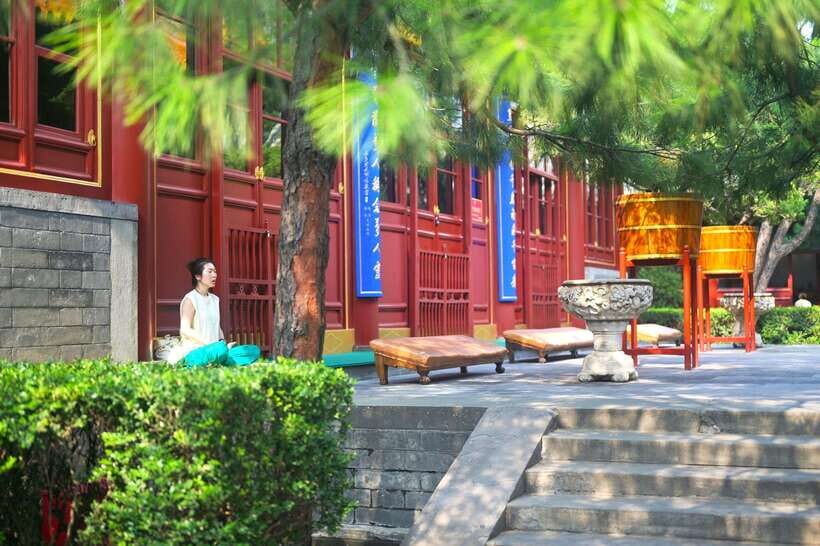
Then you hit 正阳书局, with time to look around and shop. This is the kind of stop that works even if you’re not a heavy shopper, because it gives you a break from walking and adds a modern cultural layer to the day.
Think of it as a pause where the city feels current but still rooted. You’ll get a chance to browse while the guide’s context keeps everything from feeling random.
If you like bringing home a book, a postcard, or something small that connects to what you just saw, this is a good moment to do it.
Zhuanta Hutong: Where the Courtyard Story Becomes Visible
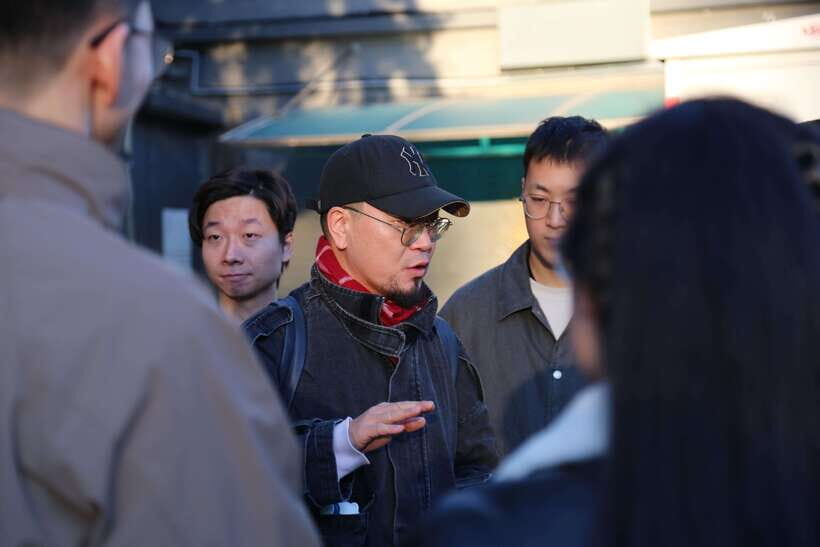
After the bookstore, the walk returns to the heart of the neighborhood experience with Zhuanta Hutong. This is where you start to feel the real texture of hutong life—the narrower lanes, the scale of courtyards, and the way daily movement funnels through simple streets.
This stop also connects to the architecture themes mentioned for the tour overall, including traditional courtyard homes (siheyuan-style logic), and how religious or historical buildings sit alongside everyday life. You’re learning the “why,” not just the “what.”
A useful mindset here: look at doorways, walls, and the rhythm of buildings. Hutongs can look similar from far away, but the details tell you what era, function, and community needs shaped each area.
Emperors Temple of Past Dynasties: Photo Stop With Real Context
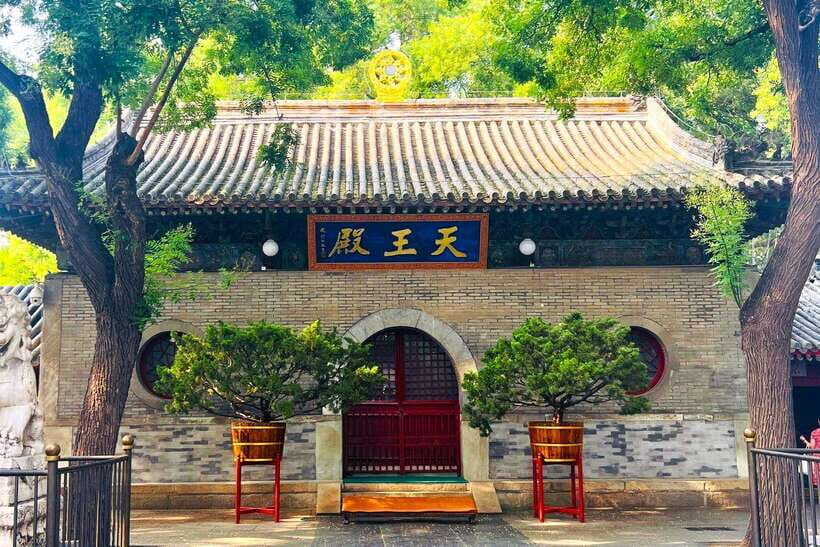
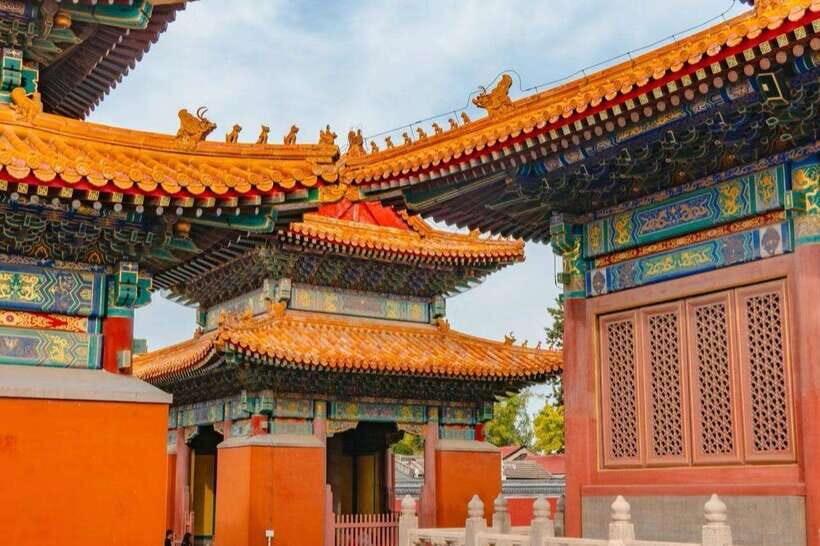
Then you’ll reach Emperors Temple of Past Dynasties. This part of the tour includes a photo stop plus guided explanation, so it’s not just a quick snapshot moment.
I like stops like this because they train your eye. Once you understand the meaning behind a site, your photos improve—less “random cool building,” more intentional framing.
Also, for many people, this is where Beijing starts to click in a bigger way. If you plan to see the Forbidden City later, this kind of architecture-focused context can help you compare how power, ritual, and design show up across imperial and neighborhood-scale buildings.
Local Café Break: Rest Without Breaking the Rhythm
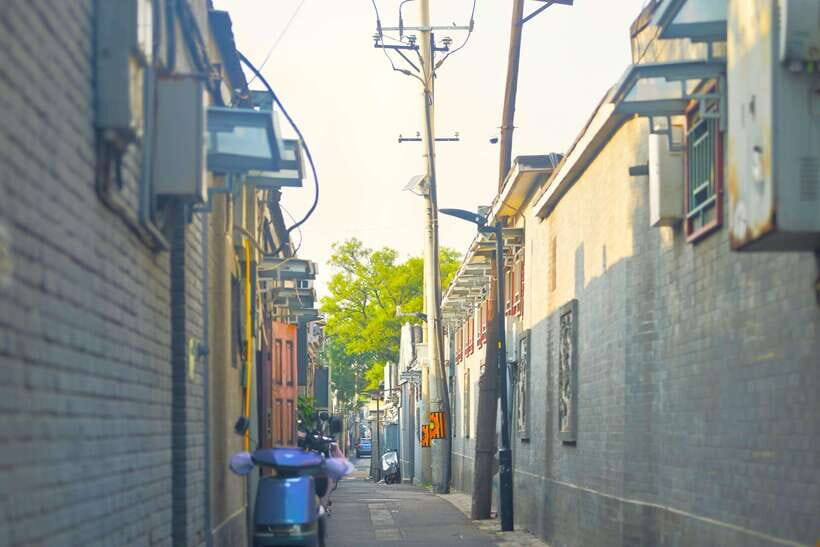
Mid-tour you get a local café break. This is more than a convenience—it keeps the walk enjoyable. When you’re on your feet for a couple of hours, small breaks stop the day from turning into a test.
Use this time to refill water and reset your energy. If you’ve got questions for the guide, this is a good moment to ask restaurant suggestions or where to go next after the tour.
Miaoying Temple: Another Photo Stop, Another Layer of Meaning
The final major cultural stop is Miaoying Temple, again with photo moments and guided explanation. If Guangji started the tone, this one often deepens it, letting you compare how different temple spaces feel within the broader neighborhood area.
I find that ending with a temple stop helps people slow down right when the walk is almost done. You finish with a calmer mental image of Beijing, not just a checklist of “places seen.”
After Miaoying Temple, the tour ends at 阜内大街410号. From there, you’re positioned to keep exploring on your own.
The Traditional Beijing Drink: Small Taste, Big Memory
A complimentary traditional drink is included, and it’s one of the most loved parts of the experience. The exact drink can vary, but people describe tasting options like sour plum-style beverages, herb-infused plum juice, and iced tea. Sometimes it feels like a rooftop-style treat; other times it’s simply a well-earned sip after temple streets.
I love this because food and drink turn information into a memory. After a tour full of architecture and religious sites, you want one simple local thing you can taste and carry with you.
If you have dietary concerns, you can ask the guide what you’ll be served—just don’t assume it will be the same drink every time.
Price and Value: Why $49 Makes Sense for This Format
At $49 per person for a 2.5-hour guided walking experience, the value comes from three things working together.
First, you get a guide for a small group (up to 8), which makes the explanations actually useful rather than generic. People consistently highlight guides like Dee and Tracy for being friendly, patient, and good at answering questions at a pace that doesn’t feel rushed.
Second, the tour includes entrance fees for a key historic site: the Palace of Ancient Monarchs (with a note that it’s closed on Monday). Entrance coverage matters because it reduces add-on costs you’d otherwise pay separately.
Third, you get the traditional drink included. It’s a small line item, but it often becomes a standout moment—especially because you’re already tired and ready for something local.
The main “cost” isn’t money. It’s time and walking. If you dislike walking tours, or if you expect 100% hutong-only time, you’ll feel friction.
Who This Hutong Tour Fits Best (and Who Might Want Something Else)
This is a strong choice if you:
- Want a real-feeling look at traditional neighborhoods without getting trapped in crowds
- Like architecture and spiritual sites, but also want street-level context
- Plan to see major attractions later (the temple/architecture lessons can help your eyes)
It may not fit you if:
- You want a full-time, hutong-only wandering day
- You need a wheelchair-accessible route
- You’re very sensitive to walking time, even with a café break
Should You Book This Hutong Walking Tour?
I’d book it if you like guided context and you want Beijing to feel human-sized, not just famous-building-sized. The small group, the temple-and-church mix, and the included traditional drink make it feel like a complete morning (not a rushed highlights tour).
Choose it with the hutong-time reality in mind. Half the walking stays in hutongs, and the rest adds variety that helps you understand how this city grew and layered its neighborhoods.
If you’re the type who enjoys asking questions and getting restaurant ideas for the rest of your trip, this is the kind of tour that pays off fast.
FAQ
Where does the hutong walking tour start?
The meeting point is Xisi Subway Station (Metro Line 4), Exit D.
How long is the tour, and how much walking is involved?
The tour runs about 2.5 hours and involves roughly 3km of walking.
What’s included in the price?
The price includes the guided tour (2.5 hours), a local guide, an entrance fee for the Palace of Ancient Monarchs (closed on Monday), and a complimentary traditional Beijing drink.
Is there a break during the tour?
Yes. There is a local café break time during the walk.
What language will the guide speak?
Tours are available with a live guide in English and Chinese.
Is this tour suitable for wheelchair users or mobility impairments?
No. It’s listed as not suitable for people with mobility impairments or wheelchair users.