REVIEW · SHANGHAI
Shanghai: Song Dynasty Tea-making Class
Book on GetYourGuide →Operated by EtoJourney · Bookable on GetYourGuide
Powdered tea turns slow time into practice. In this Song Dynasty tea-making class, you’ll learn powdered tea whisking using traditional tools, with an expert tea master and ties to UNESCO-listed intangible cultural heritage.
I like that it is hands-on from the start, not a lecture you watch from the edge. You’ll whisk your own tea, taste what fresh whisking does to aroma and flavor, and learn why powdered tea was part of daily life and high society. One drawback to consider: there’s no hotel pickup, so you’ll need to make your own way to the mall meeting point in Putuo.
In This Review
- Key highlights to know before you go
- Entering the Class at Putuo’s Mall Entrance
- Why Song Dynasty Powdered Tea Feels Different
- The Tools: What You’ll Actually Use (and Why That’s the Point)
- Learning the Song Dynasty Whisking Technique Step by Step
- Tasting Your Cup Like a Ritual, Not a Chug
- Beyond the Cup: Painting Symbols and Making It Personal
- Price and Value: Is $80 Worth It?
- Who Should Book This Tea-Making Class (and Who Might Skip It)
- Small Logistics That Matter More Than You Think
- Should You Book This Song Dynasty Tea Class?
- FAQ
- What is the meeting point for the Shanghai Song Dynasty Tea-making Class?
- Does this tour include transportation from my hotel?
- What language options are available?
- What is included in the experience?
- What is not included?
- How much does the class cost?
- Where does the activity end?
- Can I book now and pay later?
Key highlights to know before you go
- Meet your guide at the mall entrance: 168 Aomen Rd, Putuo (look for a white hat with a red Eto logo)
- Hands-on Song Dynasty whisking: you’ll learn the technique, not just observe it
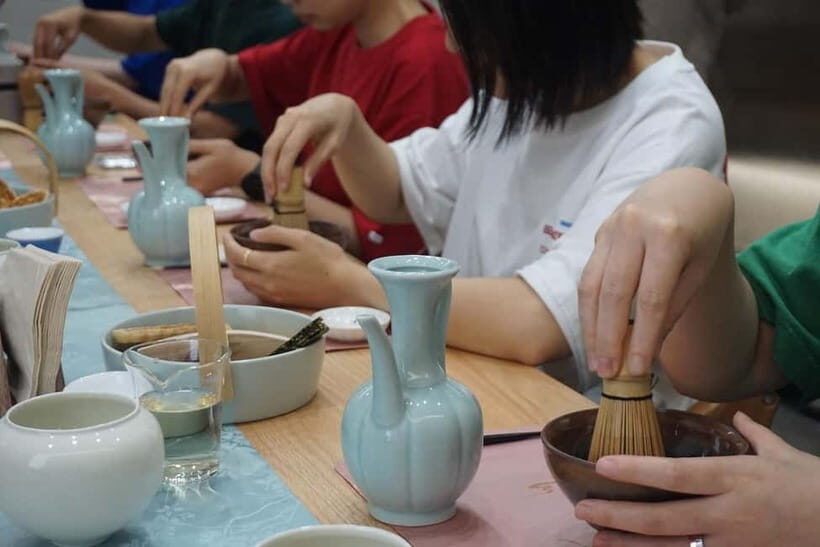
- All the tools are provided: tea bowl, whisk, scoop, tea tray, kettle, tea cloth, and powdered tea
- Guided cultural intro: what tea meant during the Song Dynasty, both everyday and social
- Photo and take-home fun: experience photos plus time to paint your favorite symbols and receive a small gift
Entering the Class at Putuo’s Mall Entrance
You’ll start at the main entrance of the mall at 168 Aomen Rd, Putuo, Shanghai, 200071. The meeting point is easy to find once you’re there: look for your guide wearing a white hat with a red Eto logo. If you like arriving a little early, do it here. You’ll get settled and avoid that last-minute scramble that kills the calm vibe you came for.
This activity ends back at the same meeting point. That matters because you don’t have to plan a second transport step after you finish. Just head back the same way and keep the rest of your day flexible.
The price is $80 per person. For Shanghai, that price makes sense when you consider what’s included: an expert-led session, real powdered tea, and all the tools you use during class (bowl, whisk, scoop, tray, kettle, and tea cloth). You’re not paying just for a story; you’re paying for practice plus guided tasting.
A few more Shanghai tours and experiences worth a look
Why Song Dynasty Powdered Tea Feels Different
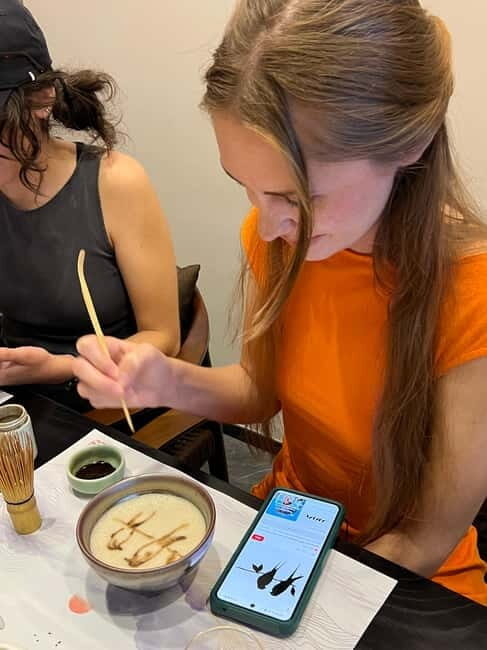
The class begins with a cultural introduction, with the focus on the Song Dynasty era (960–1279 AD) and how tea held meaning in Chinese culture. You’ll hear why tea was so important in both daily life and among the higher social circles. That context matters because tea-making can feel like a craft hobby unless someone explains what it was doing socially and emotionally back then.
Powdered tea is not just tea in a new form. The whisking method is part of the experience: texture, smell, and the final cup all depend on how you mix and how fresh the process is. When you understand that, the class becomes more than a photo op. You start noticing cause and effect: the way you whisk changes what you taste.
I also like that the UNESCO angle is not treated like a trivia badge. The point is that this is tied to intangible cultural heritage—skills and ritual, passed along and still practiced. That makes your own participation feel more meaningful. You’re not copying a random drink. You’re learning a traditional technique tied to a specific historical period.
The Tools: What You’ll Actually Use (and Why That’s the Point)
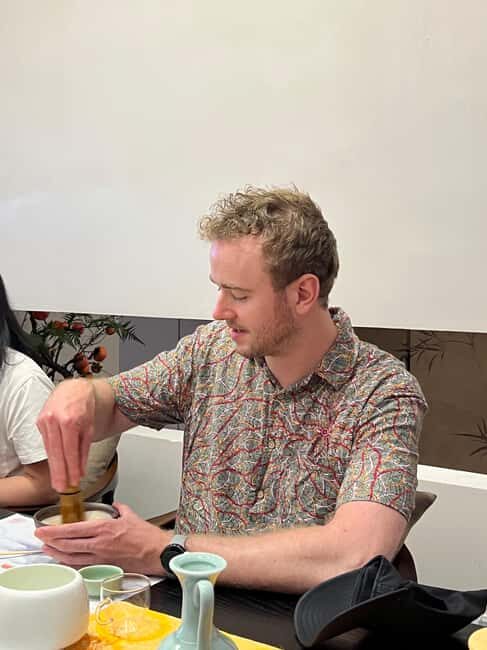
After the intro, you get shown the traditional tools used for preparing powdered tea. You’ll handle a tea whisk and a tea bowl, and you’ll work with powdered tea using a tea scoop. You’ll also use a tea tray, a hot water kettle, and a tea cloth.
This matters more than it sounds. In a tea ritual, tools aren’t just gear. They shape the method. A whisk affects how foam develops. A bowl affects heat and how the tea is presented. A tray and cloth keep the workflow tidy, which helps you stay calm and focused instead of panicking about spills.
The class includes everything needed to try the method yourself. That means you’re not showing up with a bag of questionable kit. You’re stepping into a setup designed for the ritual, and that makes it easier to get the technique right on your first attempt.
The session also includes experience photos. So you’ll likely get some documentation of your own cup and your participation. If you want a souvenir that’s not just a generic city photo, this is the kind that works.
Learning the Song Dynasty Whisking Technique Step by Step
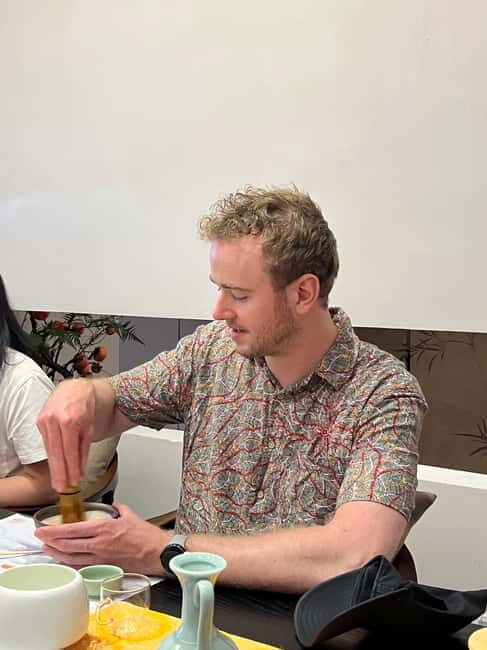
This is the core of the experience: hands-on participation under guidance from an expert tea master. You’ll learn how to whisk powdered tea in the Song Dynasty method, with the goal of creating a frothy, aromatic drink that matches the tradition.
Expect the class to be practical and method-focused. You’ll be shown what to do with the whisk and how to mix so you don’t end up with a flat cup. Then you’ll do it yourself. The point is not perfection on the first try, but understanding what good whisking looks and smells like.
As you practice, you’ll start to feel the ritual side of it. Whisking powdered tea requires attention and a steady pace. It’s easy to rush when you’re excited, but rushing works against the texture you want. That slow focus is why people call this part meditative. It’s less about being quiet for show and more about getting your hands to match the method.
You’ll then sip the tea you made. That tasting piece is crucial. Without it, you could confuse the motions with the outcome. But tasting is what ties everything together: you get feedback from your cup, and you learn how the technique influences flavor and aroma.
One practical note: powdered tea can taste different from the tea you might be used to. Freshly whisked powdered tea is its own thing. If you like trying new flavors, this will feel fun. If you’re expecting the same flavor profile as standard brewed teas, you might need a minute to adjust.
Tasting Your Cup Like a Ritual, Not a Chug
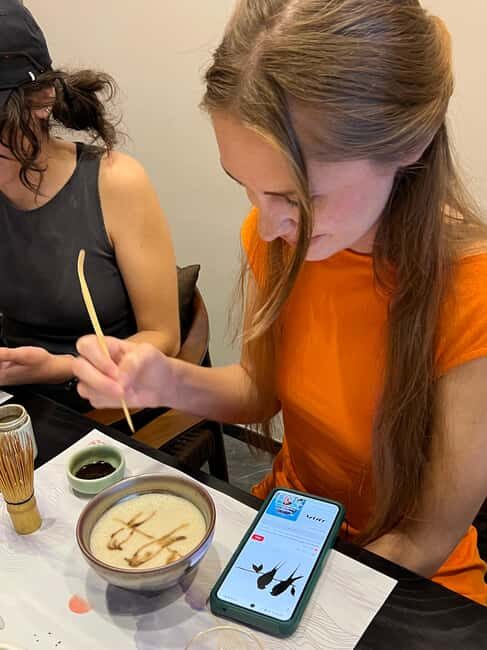
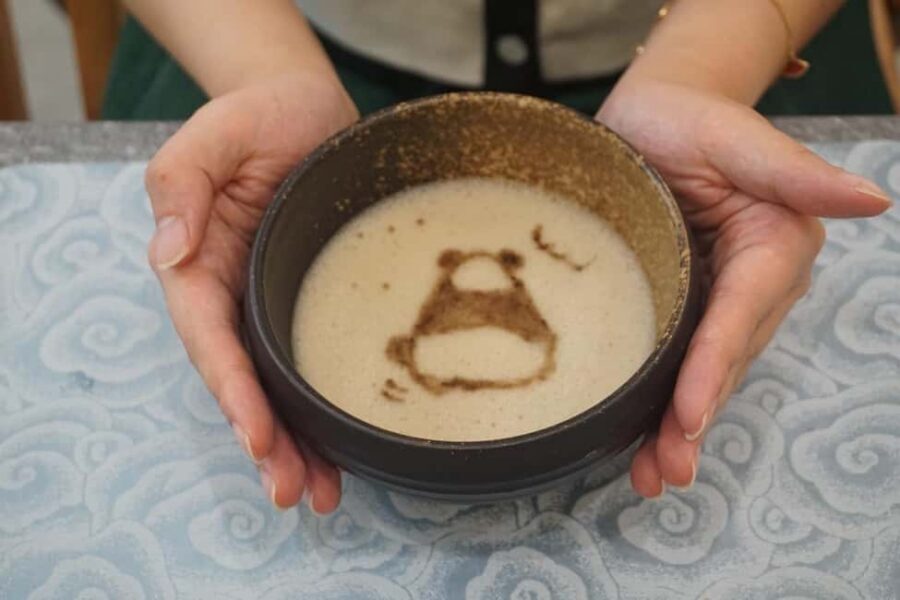
The experience includes tasting freshly whisked tea, and that tasting is where the class becomes memorable. The flavor and aroma are tied to the whisking process, so your cup is not just a drink—it’s proof of your technique.
Here’s what to watch for while you taste. Pay attention to the smell first. Then take a small sip before you decide whether you like it. That rhythm keeps you from rushing past the subtle differences you practiced for.
The class also emphasizes the meditative and ceremonial aspects of Chinese tea culture. You’ll likely feel that in how the tea session flows: slow steps, careful attention to tools, and a focus on the moment. For me, that’s the best part of tea workshops. They force you to slow down without needing to announce that you’re slowing down.
And because the tea is made fresh during your time, you’re not tasting something stale from a pre-made sample. That freshness helps you understand why tea rituals exist beyond flavor. They’re about attention—how you make, how you wait, and how you experience the result.



Beyond the Cup: Painting Symbols and Making It Personal
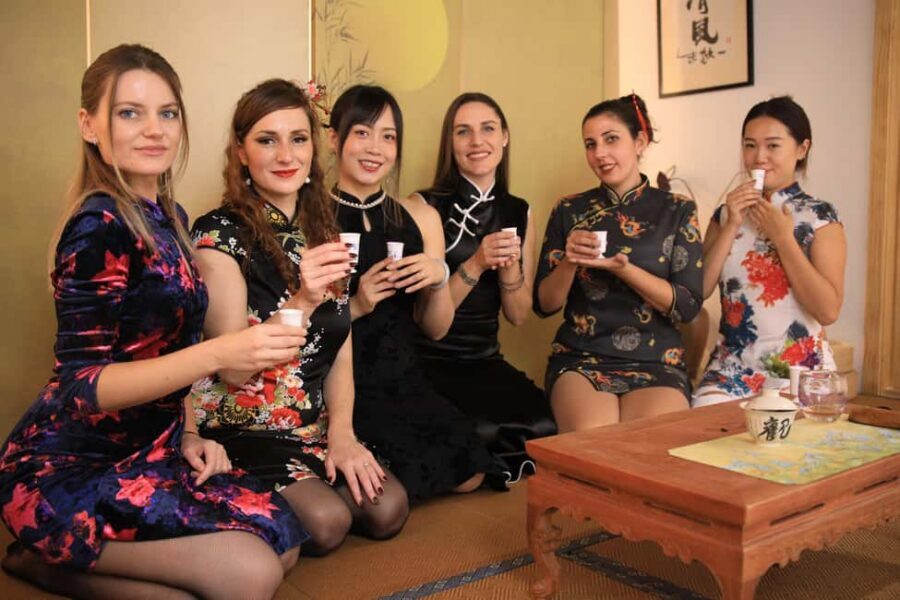
One reason this class plays well for groups is that it doesn’t stop at tea. You’ll also do a creative activity: painting your favorite symbols, and you may take home a small gift. This adds a playful layer to a ritual that might otherwise feel purely formal.
I like this because it gives you an easy way to connect the cultural concept to your own memory. Tea-making teaches technique. Painting gives you a visual souvenir tied to the experience, not just your location in the photo.
If you’re traveling with friends, this part helps everyone share the moment. Even if your whisking technique is shaky, you can still feel like you contributed something. It turns the class into an experience you can talk about later, not just a taste you forgot the moment you left.
Price and Value: Is $80 Worth It?
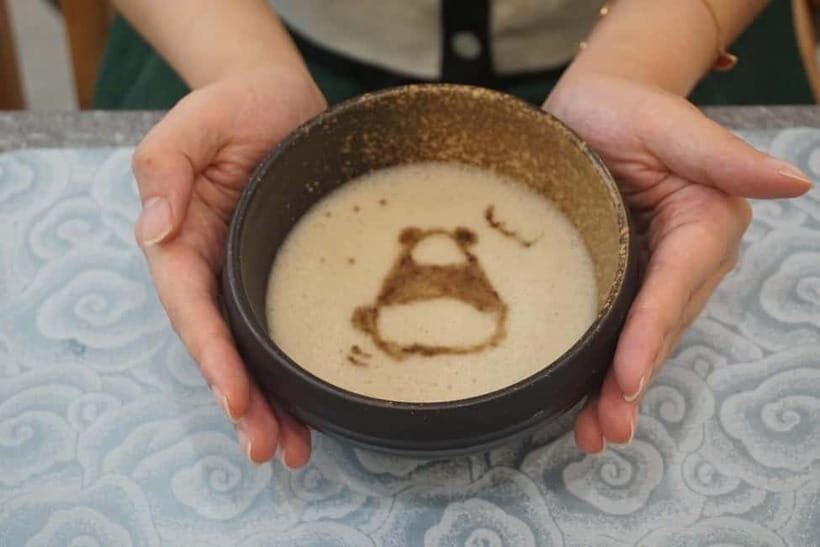
At $80 per person, you’re paying for an expert-led class plus hands-on instruction and a full kit of included supplies. Here’s how that value usually works in real life.
You’re not just buying a drink. You’re buying:
- guided learning from a tea master
- time to practice whisking powdered tea
- tasting of what you make
- tools and materials provided on site (whisk, bowl, scoop, tray, kettle, tea cloth, powdered tea)
- experience photos
- an added creative component with symbol painting and a small take-home gift
If you’ve done food tours where you eat three bites and spend half your time moving between stalls, this class can feel like better value. You’re spending the day doing one focused cultural activity with tangible results you can feel in your hands and taste in your cup.
Where the price may feel less worth it is if you’re only in Shanghai for quick sightseeing and you don’t like workshops. This isn’t a show you casually stroll through. You’ll be participating.
Who Should Book This Tea-Making Class (and Who Might Skip It)
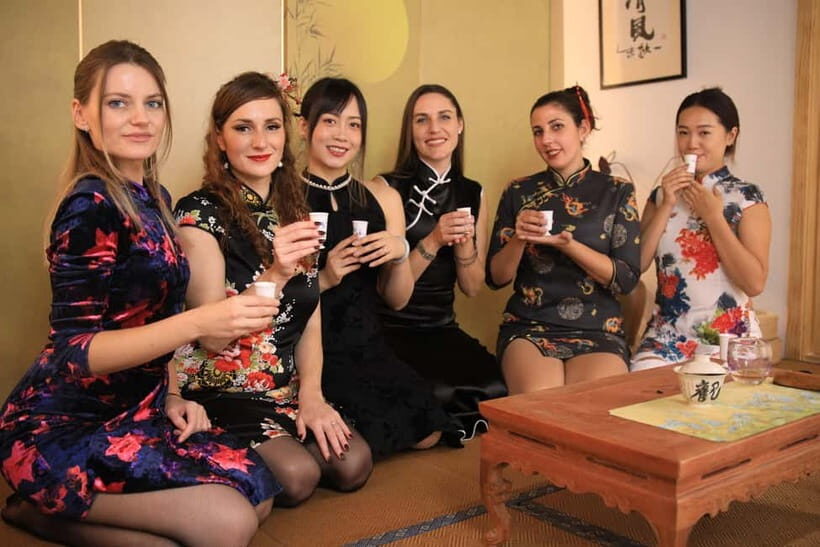
This class fits best if you enjoy structured, calm activities and want something more grounded than another sightseeing stop. It’s a great match for:
- tea lovers who want to learn technique, not just sample tea
- history enthusiasts interested in how tea functioned in the Song Dynasty
- friend groups looking for a chill, hands-on cultural activity with photo value
- families who want a guided educational experience with collaborative fun
If you’re the type who gets impatient with step-by-step learning, or you prefer your experiences purely passive, you might feel restless. But even then, the hands-on nature is usually the point. You’ll either love the participation, or you’ll wish you could just taste and go.
It also helps if you can work with the language options. The class is offered in Chinese, English, Japanese, and Korean, so you can expect support in one of these. If you’re English-first, it’s reassuring to know the session is set up for multiple languages.
Small Logistics That Matter More Than You Think
There’s no pickup or drop-off service from your hotel, and tipping is not included. That means you should plan to get yourself to the mall entrance at 168 Aomen Rd.
The guide presence is clear for meeting: the white hat with a red Eto logo helps you connect quickly. If you’re easily distracted in busy areas, that visual cue is worth something.
If timing is tight, plan your day so you’re not rushing. This class works best when you can arrive with a calm frame of mind. Tea rituals reward a slower pace. If you’re running late, you’ll feel it in the experience.
One more practical benefit: you can reserve and pay later, meaning you can book now and pay nothing today. If your Shanghai days are shifting, that flexibility helps.
Should You Book This Song Dynasty Tea Class?
Yes, if you want a hands-on cultural experience with a clear technique focus and a guided expert. The best reason to book is simple: you leave knowing how powdered tea whisking works, not just what it is. You’ll taste your own cup, use traditional tools, and get cultural context tied to a specific historical period.
Skip or reconsider if you need hotel pickup, or if you strongly prefer passive sightseeing. The class is participatory by design, and you’ll be using the tools yourself. Also, at $80 per person, it’s worth booking with intent, not on a whim—especially if you’re not especially interested in tea.
If you’re looking for something genuinely different from the usual city tour rhythm, this is a great pick. It’s practical, creative, and surprisingly calming for a city that often moves fast.
FAQ
What is the meeting point for the Shanghai Song Dynasty Tea-making Class?
You meet at the main entrance of the mall, 168 Aomen Rd, Putuo, Shanghai, 200071, Putuo District. Look for your guide wearing a white hat with a red Eto logo.
Does this tour include transportation from my hotel?
No. Pickup and drop-off service from your hotel is not included.
What language options are available?
The class is available in Chinese, English, Japanese, and Korean.
What is included in the experience?
Included items are experience photos, an expert tea master, a tea bowl, a tea whisk, powdered tea, a tea scoop, a tea tray, a hot water kettle, and a tea cloth.
What is not included?
Hotel pickup or drop-off is not included, and tipping is not included.
How much does the class cost?
The price is $80 per person.
Where does the activity end?
It ends back at the meeting point.
Can I book now and pay later?
Yes. The experience offers Reserve & Pay Later, where you can book your spot and pay nothing today.