REVIEW · SHANGHAI
Small-Group Shanghai’s Former French Concession Walking Tour
Book on Viator →Operated by Arcade Experiences · Bookable on Viator
A French mystery runs through Shanghai. This 3-hour former French Concession walk is a streets-and-stories tour, with stops that mix beautiful public spaces and architecture you can read on the ground.
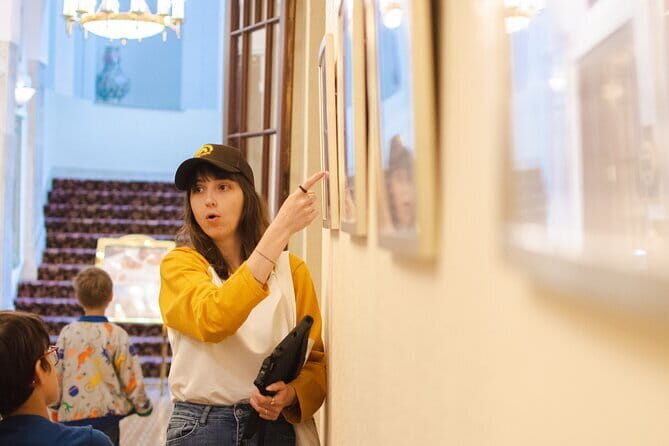
I especially like how the guide turns everyday details into plot points—plane-tree lanes, lilong neighborhoods, and Art Deco facades become clues. One possible drawback: it depends on good weather, so plan for a date change if skies don’t cooperate.
The group stays small (max 10), which makes it easier to ask questions and get answers that actually fit what you’re seeing. I also like the human touches built into the pacing: coffee/tea, bottled water, and snacks help you keep moving without feeling rushed.
If you’re expecting a museum-style, sit-down lesson, this is more walk-and-look, which can be a lot on your legs for 3 hours.
In This Review
- Key Highlights You’ll Notice
- Former French Concession: Why This 3-Hour Walk Works
- Meeting at Xiangshan Road and the Small-Group Advantage
- Stop 1: Xiangshan Road Intro, Coffee, and the “How to Read the City” Moment
- Stops 2 and 3: Fuxing Park and Nanchang Road
- Stop 4: Gaolan Road and the Former Russian Orthodox Church
- Stop 5: Ruijin Er Lu (Lilong Life) and the Feeling of a Neighborhood Within a Megacity
- Stop 6: Huaihai Road Commercial Street and Art Deco Champs Élysées Energy
- Stop 7: Maoming Road and the Okura Garden Hotel Finale
- Price and Value: Does $95 Make Sense for This Tour?
- Who This Tour Fits Best (and Who Might Want a Different Style)
- Quick Verdict: Should You Book This Former French Concession Walk?
- FAQ
- FAQ
- How long is the Small-Group Shanghai Former French Concession Walking Tour?
- How much does the tour cost?
- Where does the tour start and end?
- What time does the tour run?
- Is admission required for the stops?
- How big is the group?
- What’s included in the price?
- Does the tour require good weather?
Key Highlights You’ll Notice
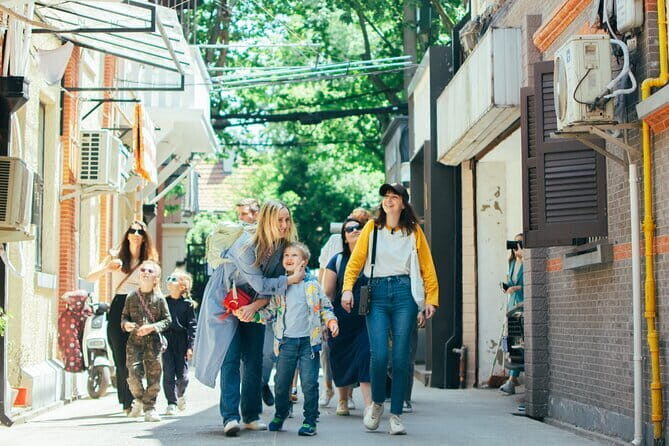
- Max 10 people: small group energy, more back-and-forth with the guide
- Fuxing Park morning vibe: exercise, singing, and social life in a park designed over 100 years ago
- Street clues on Nanchang Road: Western-and-Chinese architectural mix you can spot in real time
- Lilong reality on Ruijin Er Lu: you step from big-city noise into an interior neighborhood feel
- Okura Garden Hotel finale: Art Deco details inside a former French Club building with big stories
Former French Concession: Why This 3-Hour Walk Works
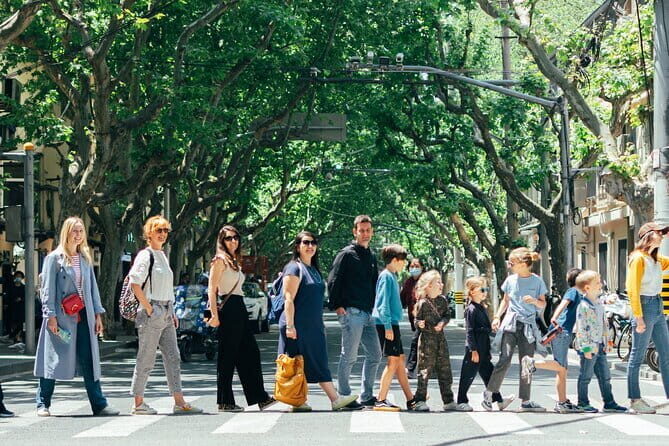
Shanghai’s Former French Concession isn’t just a pretty label—it’s a whole way of building streets, parks, and neighborhoods. If you’ve ever wandered Shanghai and thought, I like this area but I don’t know what I’m looking at, this tour is designed for you. The route is paced so you can connect the dots as you go: one stop sets up the next, and the guide keeps pointing out the small contrasts between French-era planning and Chinese daily life.
The best part is that the tour treats the neighborhood like a living puzzle, not a list of landmarks. You’ll walk through lanes lined with plane trees, cut through parks where locals actually show up, and end at a grand Art Deco interior where the building’s past feels like part of the present.
I also think the timing is smart. With a 3-hour format, you get enough time to feel the area’s personality without turning the day into a full-day commitment. At the same time, it’s long enough to stop at seven places, including a final indoor visit.
You can also read our reviews of more walking tours in Shanghai

Meeting at Xiangshan Road and the Small-Group Advantage

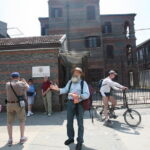
You’ll start at Xiangshan Road, at the address listed near a traditional Shanghainese lane (18-1号~6, 200041). After a short intro, you’ll get a cup of tea or coffee and then begin the walk. The tour ends at the Okura Garden Hotel on Maoming South Road, so you finish near one of Shanghai’s most famous Art Deco addresses.
This setup matters because it prevents the common Shanghai problem: you spend the first hour trying to figure out where the interesting bits are. Here, the route is built around the Former French Concession’s layout, so you don’t waste your energy guessing.
The max group size of 10 also changes the experience. In a small group, you’re more likely to get personal clarification when something doesn’t make sense. It’s the kind of tour where the guide can adjust to what people notice—whether you’re a history buff, a design fan, or just the person who looks up while walking.
Stop 1: Xiangshan Road Intro, Coffee, and the “How to Read the City” Moment
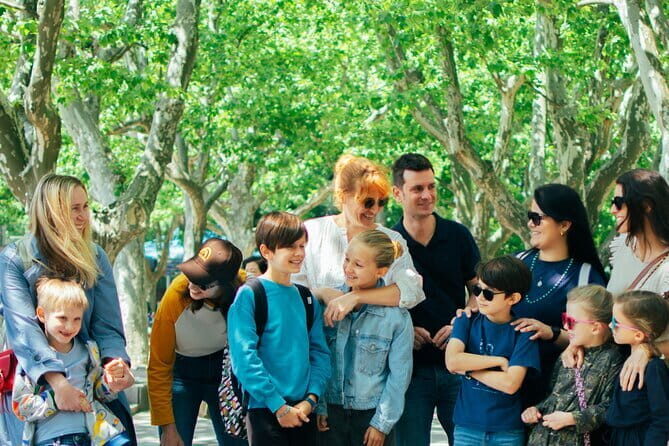
The start at Xiangshan Road is more than a meeting point. It sets expectations for how the rest of the walk is meant to work. You gather at the office in the traditional lane area, then get a brief orientation before stepping into the concession streets.
The little ritual—tea or coffee right at the beginning—isn’t just a nicety. Shanghai mornings can be fast and busy, and having something warm in hand makes the start feel calm. It also signals that this isn’t a rushed, checklist-only tour.
A practical tip: wear comfortable shoes and plan for steady walking. The tour is short on paper (3 hours), but Shanghai pavement adds up quickly. If you’re sensitive to pace, take your time during photo stops rather than trying to speed ahead at each corner.
Stops 2 and 3: Fuxing Park and Nanchang Road
Fuxing Park is where the tour shifts from streets to shared space. The garden was designed more than 100 years ago, and in the morning locals come in waves to exercise, sing, and socialize. That’s a big part of why this stop feels alive: you’re not just looking at history—you’re watching daily life happen in a historic setting.
I like that the guide frames this park as a “happy retirement” kind of scene. Even if you don’t spend hours in parks at home, you’ll quickly understand the appeal of Fuxing Park as a community stage—people show up, routines happen, and conversation fills the air.
Then you head out to Nanchang Road, described as a favorite street in the neighborhood. Here’s where the tour gets architectural. Nanchang Road is a classic example of the Former French Concession’s street character, with a mix of Western and Chinese architectural elements. The guide’s job is to help you see the mix as intentional, not accidental.
One consideration: since Nanchang Road is a key street style stop, it can be busy. If you want wide, unobstructed photos, aim to linger during quieter moments and let the group flow at a manageable speed.
Stop 4: Gaolan Road and the Former Russian Orthodox Church

After Nanchang Road, the route turns quieter on Gaolan Road. That contrast is deliberate. You go from a street where you’re busy scanning facades to a calmer lane where the historic layer feels more intimate.
On Gaolan Road, you’ll visit a former Russian Orthodox Church, and the tour leader explains the story behind Russian presence in Shanghai’s concession-era mix. This stop is valuable because it reminds you the French Concession wasn’t operating in a vacuum. Shanghai absorbed influences from multiple foreign communities, and the city’s built environment reflects that layered reality.
What you’ll want to watch for here is the atmosphere. Churches often feel like punctuation marks in a neighborhood—something that changes the rhythm of what you’re walking through. Even if you don’t know much about Orthodox architecture, the guide’s context helps the building feel understandable rather than just impressive.




Stop 5: Ruijin Er Lu (Lilong Life) and the Feeling of a Neighborhood Within a Megacity
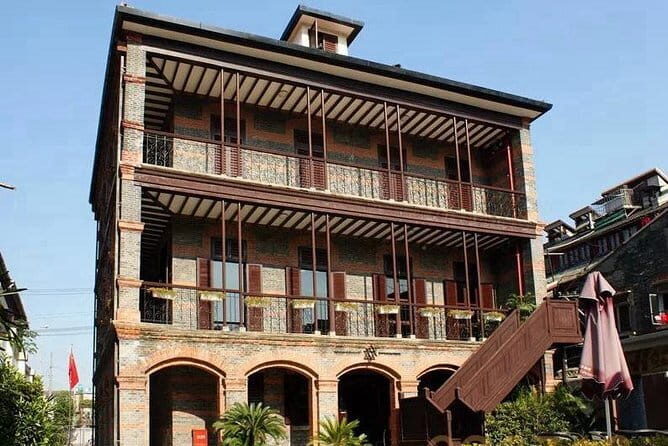
Ruijin Er Lu takes you across a traditional Shanghainese neighborhood called lilong. This is one of the most important transitions on the route. You leave the megalopolis pace and move into a more village-like feeling in the middle of Shanghai—exactly the kind of shift that makes the Former French Concession more than a postcard.
Lilong neighborhoods are essential to understanding Shanghai because they’re about how people actually lived. Instead of focusing only on big roads and signature buildings, this stop nudges you toward housing and streets designed for everyday routines. It’s where the tour’s storytelling gets practical: the guide connects the history to the physical layout you can still sense.
A drawback to consider: lilong areas can feel tight depending on crowd flow, especially if you’re taking photos. Keep an eye on foot traffic and don’t assume you’ll have endless space for shots. The value here is in walking slowly and noticing how the neighborhood feels from within.
Stop 6: Huaihai Road Commercial Street and Art Deco Champs Élysées Energy

Huaihai Road is one of the Former French Concession’s main roads, and it has a nickname that hints at what people felt when they walked it—Shanghai’s Champs Élysées. Here, the tour leans into architecture again, focusing on Art Deco buildings and the street’s standout character.
This stop is great if you love design details: symmetry, facade shapes, and that unmistakable 20th-century styling that still shapes how you perceive the street today. The guide helps you connect these design cues to the concession’s era and social life, so it doesn’t feel like random glamour.
If you’re the type who likes to explain things to your travel party, this stop gives you plenty of conversation hooks. You can point out what you’re noticing and the guide’s story gives you language to describe it without sounding like you memorized a brochure.
Stop 7: Maoming Road and the Okura Garden Hotel Finale
The final stop is the big “how did this become a hotel?” moment. At the Okura Garden Hotel, you’ll see a building that used to be the French Club about 100 years ago. You’ll enter and discover beautiful Art Deco design inside, and the tour leader shares the crazy stories that surrounded the building.
This is the finale that tends to stick in your memory because it’s not just outside architecture. You get the inside look, which helps you understand how the French-era club space functioned—what kind of social world the building supported, and how that legacy can survive in new uses.
One practical point: the indoor portion can be cooler than the street, which is helpful if you’re visiting in warmer months. Bring a light layer if you run cold.
And the overall tone of this ending is one of the reasons the tour earns such strong enthusiasm. It feels like a fun investigation as much as a sightseeing walk—something like a giant Cluedo through Shanghai, where the clues are the buildings, streets, and the guide’s trivia.
Price and Value: Does $95 Make Sense for This Tour?
At $95, you’re paying for more than walking and photo stops. You’re paying for a guide who connects architecture, neighborhood life, and concession-era history into a single storyline—plus small comforts that keep people moving.
Here’s what you actually get included:
- a gift bag
- bottled water
- snacks
- coffee and/or tea
- a mobile ticket
You also get “admission ticket free” experiences at each listed stop, which matters because it keeps the cost predictable. And with a max of 10 people, you’re usually not getting a guide stretched thin across a big crowd. That can be the difference between hearing facts and understanding what you’re looking at.
So, is it worth it? If you like guided walking tours that teach you how to notice details, yes. If you prefer do-it-yourself wandering with zero structure, you might find the pace a bit guided. But for most people who want Shanghai to feel legible, this is one of the more efficient ways to do it.
Who This Tour Fits Best (and Who Might Want a Different Style)
This walking tour is a strong match if you:
- want context for Shanghai’s French-era streets and architecture
- enjoy parks and local street life, not just monuments
- like an upbeat, story-driven guide approach
It also works well for families. The tour’s “game-like” mystery feel—like a Cluedo-style experience—has been a hit for kids and teens as well as adults. If you’ve got a younger traveler who gets bored by lectures, this format is built to keep attention.
If you dislike walking or you need lots of breaks, consider that the tour runs about 3 hours with multiple stops. You’ll have short stop durations, but the overall time is still walking time.
Finally, plan around weather. The experience requires good weather, and if it’s canceled due to poor conditions, you’ll be offered another date or a full refund.
Quick Verdict: Should You Book This Former French Concession Walk?
Yes, if you want to understand Shanghai instead of just watch it. This tour is a practical way to learn how the Former French Concession was built and why it still shapes what you see—parks that locals use, street styles with Western-Chinese mixes, lilong neighborhood texture, and an Art Deco finale at the Okura Garden Hotel.
Book it especially if you care about details. The guide-led trivia and the way stories connect stop to stop are the heart of the experience. You’ll leave with a city you can read.
Skip it if you’re looking for a mostly indoor, low-walking, museum-style outing. This one rewards the people who like to walk, look up, and keep their curiosity switched on.
FAQ
FAQ
How long is the Small-Group Shanghai Former French Concession Walking Tour?
The tour lasts about 3 hours.
How much does the tour cost?
The price is $95.
Where does the tour start and end?
It starts at Xiangshan Road (near the listed office address in Huangpu District) and ends at the Okura Garden Hotel, No.58 Maoming South Road, Huangpu District.
What time does the tour run?
The start time is 9:00 am, and the end time is listed as 12:00 pm.
Is admission required for the stops?
Admission ticket entries for the listed stops are marked as free.
How big is the group?
The tour has a maximum of 10 travelers.
What’s included in the price?
Included are a gift bag, bottled water, snacks, and coffee and/or tea. It also uses a mobile ticket.
Does the tour require good weather?
Yes. The experience requires good weather. If it’s canceled due to poor weather, you’ll be offered a different date or a full refund.