REVIEW · CHENGDU
6-Hour Private Chengdu City Walking Tour with Tea Tasting
Book on Viator →Operated by Jiuzhai Minjiang International Travel Service · Bookable on Viator
A morning walk through Chengdu tea culture? Yes. This private 5–6 hour plan pairs Daoism at Qingyang Palace with classic city parks and lanes, then slows down for a 1-hour kung-fu tea ceremony with tasting. I especially like the pace: you get time to ask questions and linger where you want, instead of being rushed through checklist sights. I also like the human scale, from riverside strolling to watching locals in Renmin Park. The only real catch is it’s an early start and a fair amount of walking, so wear shoes you trust.
I took this kind of tour style before, and the best part is usually the guide. Here, guides like Andie and Bruce are described as adaptable and thoughtful, and that matters on a private tour where you can steer questions and timing. Plan for the day to finish around noon outside the tea house; getting back to your hotel may require an add-on since taxi back isn’t included by default.
In This Review
- Key highlights worth your attention
- A calm, well-timed private tour that starts with Daoism
- Qingyang Palace: walking through Daoism at the Green Ram Temple
- Funan River + Huanhuaxi Park: Chengdu at a human speed
- Qintai Road: a renovated lane with old-school street energy
- Kuanzhai Alley: courtyards, souvenirs, and Chengdu’s most famous lanes
- Renmin Park: watch locals do their thing
- People’s Park teahouse: the 1-hour kung-fu tea ceremony and tasting
- Songxianqiao Curio Art City: a local break with tea culture talk
- Price and value: what $115 includes (and what it doesn’t)
- Logistics that actually matter: shoes, rain, and timing
- Who should book this private Chengdu tea and city walk?
- Should you book this tour?
- FAQ
- What time does the tour start?
- How long is the walking tour?
- Is pickup from my hotel included?
- What main places will we visit?
- What’s included with the tea experience?
- What should I bring for the tour?
Key highlights worth your attention
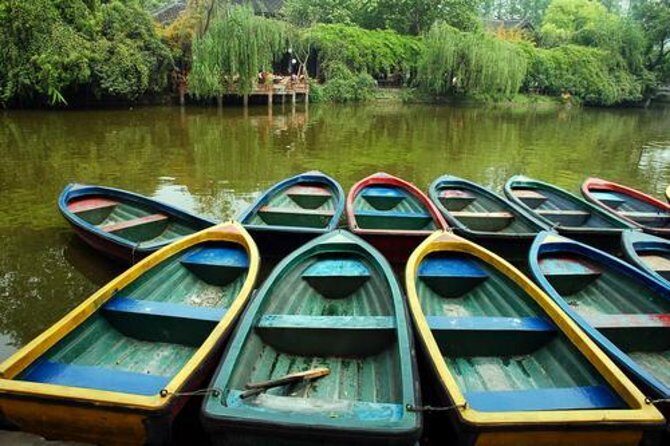
- Green Ram Temple (Qingyang Palace): a Daoism site tied to practices going back centuries
- Real Chengdu park time: Funan River walks and Huanhuaxi Park where locals take it easy
- Old-street atmosphere: Qintai Road and Kuanzhai Alley for courtyards, snacks, and browsing
- Renmin Park people-watching: water calligraphy, square dancing, and open teahouse life
- 1-hour kung-fu tea ceremony: etiquette and tea service you can actually use afterward
- Tea culture beyond the cup: a break near Songxianqiao to talk with locals and sample the vibe
A calm, well-timed private tour that starts with Daoism
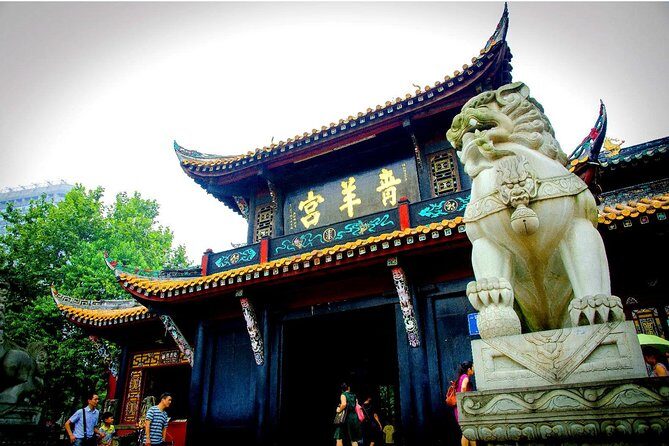
This is one of those Chengdu days that feels like you’re seeing the city from ground level. It kicks off at 8:00am at Qingyang Gong (Green Goat/Green Ram Palace), or you can upgrade to have pickup and drop-off from your hotel. Either way, the tour is built around a simple idea: see the major cultural anchors in the morning, then end with tea—when you’re ready to sit, sip, and ask questions.
The “private” part isn’t marketing fluff. You’re not sharing your guide with strangers, so it’s easier to get clarifications—like what you’re looking at in the Daoist halls, why the tea ceremony is done the way it is, or how the city’s neighborhoods feel at different times of day. The itinerary also leaves room to slow down. Parks and lanes are best enjoyed without a stopwatch breathing down your neck.
You can also read our reviews of more walking tours in Chengdu
Qingyang Palace: walking through Daoism at the Green Ram Temple
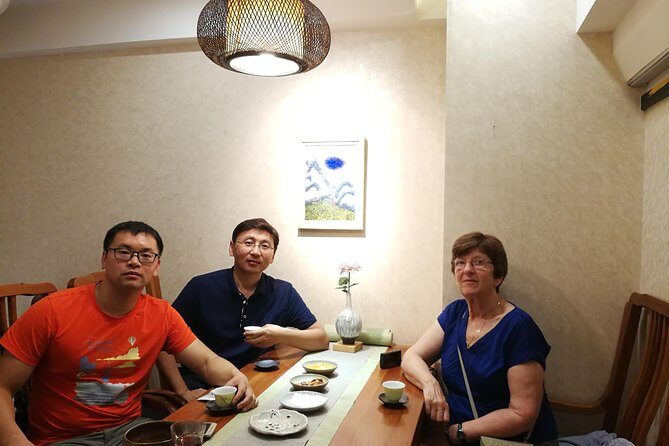
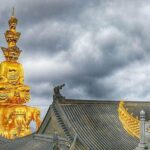
Your day starts where Chengdu’s spiritual side gets real: Qingyang Palace, also known as the Green Ram Temple. This is a Daoism monastery/temple complex, and it’s a great starting point because it gives you cultural context before you move into the more everyday neighborhoods.
Expect a guided walk through the property while your guide explains the practice and symbolism you see there. Daoism is described as dating back to the 7th century AD, and the point of the visit isn’t to memorize dates—it’s to understand how the religion shaped Chinese culture and how monks still practice within the monastery setting. You may also notice paintings on the palace walls that tell stories tied to Daoism. Those details are easier to read when someone points them out for you.
Possible consideration: if you’re not into temples or religious sites, this may feel like the “heaviest” stop of the day. But even then, the art and architecture can be a good reset from the shopping streets later.
Funan River + Huanhuaxi Park: Chengdu at a human speed
Next up is a stroll into Huanhuaxi Park, located in the west of downtown. This park is a good contrast to the temple visit: fewer formal boundaries, more relaxed movement. If you like parks where everyday life happens—this is that.
The setting is tied to the city moat flowing by, and there’s an interesting layer of local history here too: in the past, the area was connected to embroidery production. Today, it’s more about watching people settle into their morning routines. You might see locals spending time outdoors, and the whole mood tends to feel unforced.
Then, the tour keeps you moving along the banks of the Funan River, with passes toward places like the Sichuan Museum before you shift into the street neighborhoods. This river-and-park section helps you break up the day so you don’t feel like you’re marching from one major site to another.
Qintai Road: a renovated lane with old-school street energy
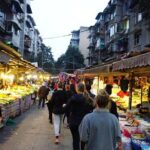
After the parks, you’ll head to Qintai Road, described as a renovated street with old-style character. The vibe here is simpler: browsing, looking, and eating small local bites. It’s also known for selling jewelry, which means you’ll pass storefronts that feel like they’re built for slow wandering.
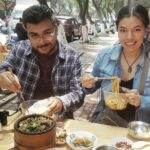
There’s time for a more casual food moment here too. The tour includes snacks, and the food stop is positioned as a chance to try something “simple but authentic” in the local lane setting, not in a sterile tourist-food setup.
How to make the most of it: if you see something you like—tea accessories, small crafts, jewelry pieces—this is a good moment to decide. You’ll be walking again soon, so don’t overbuy heavy items unless you’re okay holding them.
Kuanzhai Alley: courtyards, souvenirs, and Chengdu’s most famous lanes
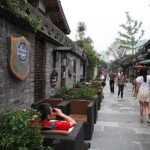
Then comes Kuanzhai Alley, one of Chengdu’s best-known walking areas. This is the place where the city leans into its “old courtyard” look. You’ll see courtyards and a street layout that helps you picture how neighborhood life once ran differently.
Also, yes, there are lots of souvenir shops and snack restaurants. That’s the tradeoff: the atmosphere is fun and atmospheric, but it’s also a bit more commercial than the parks. I like using Kuanzhai Alley as a visual sampler—courtyards here, snack smells there, and a clear sense of what Chengdu considers “classic street.”
The practical win is timing. You’re not there at the peak late afternoon rush; you’re moving through earlier, which usually makes it feel more comfortable.
You can also read our reviews of more food & drink experiences in Chengdu


Renmin Park: watch locals do their thing
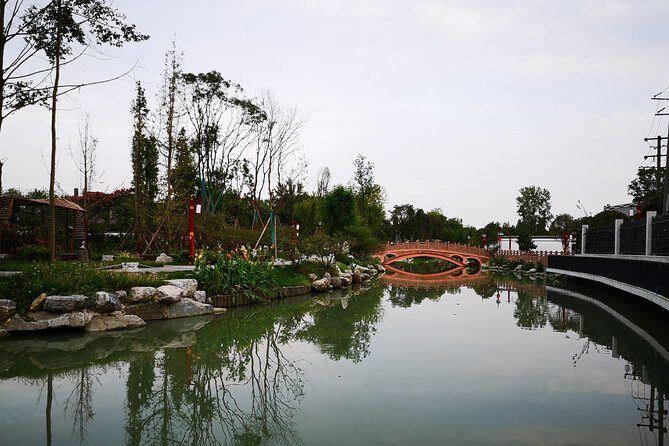
The tour rounds into a really good “Chengdu life” stop: Chengdu Renmin Park. This is described as the real park where you see daily routines. That includes things like water calligraphy, poker, square dance, and open tea house life.
This part of the day is valuable because it shows you the city outside of major landmarks. It also makes the later tea ceremony feel more grounded. Instead of tea as a performance, you start seeing tea as part of how people spend time.
Tip: bring your patience for people-watching. This isn’t a museum where everything is quiet and labeled. It’s a public park where activity overlaps. If you’re flexible, you’ll enjoy it.
People’s Park teahouse: the 1-hour kung-fu tea ceremony and tasting
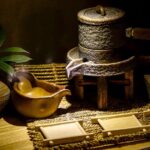
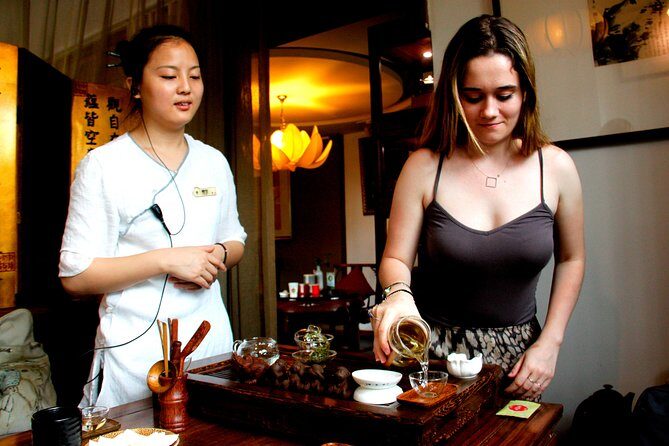
This is the centerpiece. In the tour’s described plan, you sit down in an elegant tea house in People’s Park for a 1-hour kung-fu tea ceremony. Yes, there’s tea tasting involved, but the bigger value is what you’re taught along the way—tea culture and etiquette, plus the heritage behind the traditional tea service.
A good kung-fu ceremony is all about control: the timing, the warmth of the cup, the flow of pouring, and the way the host guides you through tasting. The guide’s role here is practical. You don’t just watch motions—you understand why they matter and what to pay attention to when tasting.
If you’re the type who likes taking home skills (not just photos), this is where the tour earns its keep. You’ll walk away knowing how to approach tea properly, including the social manners that go with it.
Possible consideration: you’re sitting for an hour, but it’s still part of a longer half-day plan. If you’re sensitive to heat or tiredness, use the time before the tea house break to drink water and slow your pace.
Songxianqiao Curio Art City: a local break with tea culture talk
Your day also includes time near Songxianqiao Curio Art City. Here, you get a break in a local teahouse nearby, and the focus shifts to conversation. The idea is to talk with locals and experience a more casual side of Chinese tea culture.
This stop matters because it’s a bridge between the formal ceremony and the street-level city wandering. If you’ve been thinking about tea as an experience you observed, this gives you a chance to treat it like something you can ask about in everyday context.
Price and value: what $115 includes (and what it doesn’t)
At $115 per person, this is priced as a private, guide-led half-day with a built-in cultural centerpiece. Here’s what you’re getting that usually pushes value in the right direction:
- A local guide for the full walking route
- Entrance fees where applicable (included)
- Tea ceremony plus tea tasting
- Coffee and/or tea during the experience
- Snacks and a noodle lunch (timing dependent on your departure)
- A taxi to the start point from your hotel included in the base package
What’s not included is the taxi back to your hotel, unless you upgrade with pickup/drop-off. That’s the main budgeting point to keep in mind. If you end around 12pm outside the tea house, you’ll want a plan for getting home without turning the final hour into a logistics headache.
In terms of value, the biggest reason this can be worth it is the combination: Daoism + city parks + old streets + a guided tea ceremony that teaches etiquette. If you tried to piece this together alone, you’d likely spend money on transport and still end up missing the “how to understand this” element.
Logistics that actually matter: shoes, rain, and timing
This tour is built for mornings and walking, so come ready.
- Bring a light jacket or raincoat and sunscreen.
- Wear comfortable shoes. You’re doing parks and lanes plus temple steps.
- The tour notes it’s near public transportation, and there’s a mobile ticket involved.
- Total tour duration includes travel time, walking time, and tea tasting time—so don’t plan to do anything else immediately before or after.
Meeting time is key: 8:00am at No 9, the Second West Section, 1st ring road, Qingyang District, Qingyang (for the Qingyang Palace starting point). If you upgrade, pickup and drop-off are arranged through the provider rather than you navigating on your own.
Who should book this private Chengdu tea and city walk?
This tour fits best if you want a guided day that mixes major landmarks with real local rhythms.
You’ll likely enjoy it if you:
- Like private guiding and want time for questions
- Want a meaningful tea experience, not just drinking tea on the side
- Enjoy public parks and street neighborhoods where locals spend time
- Prefer a morning plan that ends around noon
You might want to reconsider if:
- You hate walking or can’t do temple/park terrain
- You mainly want shopping and don’t care about Daoist context or tea etiquette
- You need guaranteed return transport without upgrading
Should you book this tour?
I’d book it if your ideal Chengdu day includes both culture and calm. The kung-fu tea ceremony gives you a hands-on skill and a deeper look at tea culture, while the city walking parts keep it from feeling like you’re only standing still.
The cost makes sense when you factor in the tea ceremony, tasting, included entries, and the guide time. Just plan for an early start, wear comfortable shoes, and decide in advance whether you want the upgrade for pickup and drop-off so your day ends cleanly.
If you want a guided, teach-you-something Chengdu morning, this one delivers.
FAQ
What time does the tour start?
The tour meets at 8:00am at the Qingyang Palace (Qingyang Gong/Green Ram Temple) area, unless you upgrade for hotel pickup.
How long is the walking tour?
It runs about 5 to 6 hours total, and that total includes travel time, walking time, and the tea ceremony/tea tasting time.
Is pickup from my hotel included?
Taxi to the start point from your hotel is included. Pickup and drop-off can be added as an upgrade, but taxi back to your hotel is not included in the base plan.
What main places will we visit?
You’ll visit stops including Huanhuaxi Park, Qingyang Palace, Qintai Road, Kuanzhai Alley, Chengdu Renmin Park, and a break around Songxianqiao Curio Art City, plus a tea house session in the People’s Park area.
What’s included with the tea experience?
The tour includes participation in a kung-fu tea ceremony with tea tasting, and you’ll also be served coffee and/or tea.
What should I bring for the tour?
Bring comfortable shoes, sunscreen, and a light jacket or raincoat. The tour notes it’s near public transportation, but you’ll still be walking through parks and streets.