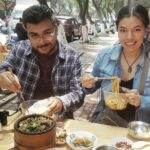
Forget tourist shortcuts. Chengdu street food makes more sense with a local guide who explains the myths and daily-life stories behind each dish. This 3-hour walk through Jianshe North Road area focuses on the foods that are hard to find on your own, and you do it with a relaxed small group.
I especially like the way the tour leans into Chengdu specialties such as 狼牙土豆 (wolf tooth potatoes) and Chengdu egg cakes, instead of repeating generic “famous dishes” only. I also like the human factor: you get a friendly, conversation-first vibe with a guide who has lived in the U.S. and can bridge Chinese and Western culture easily, whether the host is Jayce or another English-and-Chinese speaker like Mah.
One thing to plan for: you really should come with an empty belly. You’ll eat enough that it can feel like a full meal, and if spice is tricky for you, you’ll want to tell your guide early so they can adjust what you order.
In This Review
- Key things to know before you go
- Why Chengdu’s hidden alleys need a guide
- Meeting at Jianshe North Road and getting oriented fast
- Stop 1: Tea, dessert, street snacks, and BBQ
- A note for comfort
- A short metro hop brings beer and a different night-market feel
- Sichuan flavor highlights: cold skewers, 麻辣湯, and 狼牙土豆
- How spicy is it?
- What the guide story adds to each bite
- Price and value: what $73 buys you in real terms
- Logistics that actually matter: timing, group size, transit
- Practical tips so you enjoy everything
- Who should book this Chengdu tour (and who might not)
- Should you book this Chengdu hidden-alley food tour?
- FAQ
- Where is the meeting point?
- How long is the tour?
- How much does it cost?
- What’s included in the tour?
- Do I need to pay extra for food or drinks?
- What Chengdu dishes should I expect to taste?
- What languages is the guide available in?
- Is the group small?
- Is the tour wheelchair accessible?
- What should I do before the tour?
- What’s the cancellation and payment flexibility?
Key things to know before you go
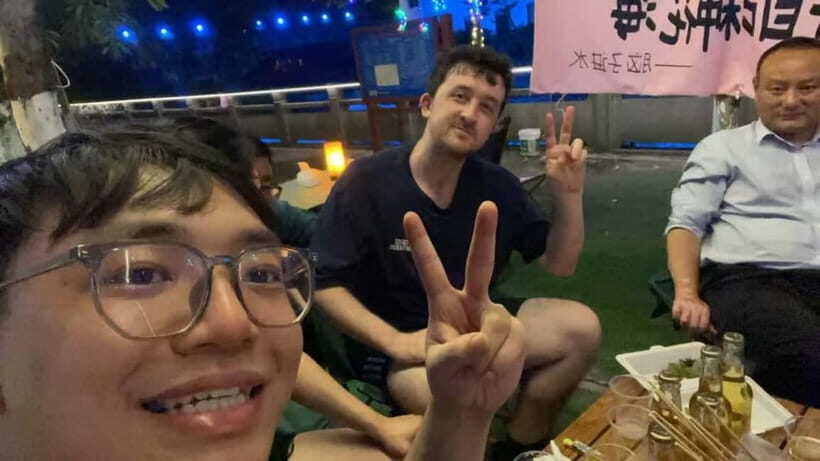
- A small-group style that feels like walking with a friend, not chasing a checklist of photos.
- 5–7 snacks and drinks included, so you can focus on tasting instead of calculating costs.
- Chengdu egg cakes, cold skewers, 麻辣湯, and 狼牙土豆 are front and center, with cultural context attached.
- Culture talk that stays grounded: myths, traditions, and what locals actually think about everyday life.
- One simple metro hop (about 10 minutes) between areas so you’re not stuck in constant transit.
Why Chengdu’s hidden alleys need a guide
Chengdu street food has a talent for going off-menu fast. You can walk past stalls full of people and still miss what matters, what’s seasonal, and what’s worth ordering. This kind of tour works because it turns “random wandering” into “targeted tasting,” with a local guide steering you toward places that feel ordinary to residents but invisible to visitors.
What makes this experience especially worth your time is the storytelling. You’re not just picking up food. You’re learning why these dishes show up at night markets, why certain ingredients have cultural meaning, and how local traditions shape daily habits. That context changes how you taste things like Sichuan peppery heat, sweet desserts, and those chewy-skewered bites.
You can also read our reviews of more food & drink experiences in Chengdu
Meeting at Jianshe North Road and getting oriented fast
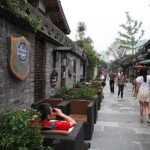
You meet at Line 6 / 17, Jianshe North Road Subway station, Exit C. It’s the kind of meeting point that makes sense for Chengdu: you’re connected to public transit, and you’re starting from a real neighborhood rhythm rather than a tourist zone.
From there, the flow is simple. You move between food stalls and markets, with a quick metro segment (around 10 minutes) later in the tour. That short transit break is useful. It keeps the energy up, and it also changes the scenery so you’re not stuck eating the same style of food in the same small radius.
You’ll also get the practical help you want when you’re navigating local ordering. Your guide handles the menu translation and helps you taste broadly without needing to guess what each item really is.
Stop 1: Tea, dessert, street snacks, and BBQ
The first chunk of the tour is about warming up your palate and training your eye. Expect tea and dessert alongside street food and BBQ-style stalls, plus “local snacks” that sound simple but can be oddly specific once you see them being made. This is where a guide earns their keep, because it’s easy to recognize the shape of a snack and still miss the reason locals line up for it.
This first area is also where you get the Chengdu “signature energy.” The tour highlights Chengdu’s egg cakes (a uniquely local pancake-style item). If you’ve only had Chinese food at restaurants, this is a different world: thinner, street-made, and eaten for taste and texture more than for “a dish description.”
One more thing I like about this structure: you’re not forced to eat only heavy items from the first minute. Tea and dessert help you calibrate sweetness and spice before the tour leans harder into savory street flavor.
A note for comfort
The tour starts with the reminder to come with an empty belly. That’s not marketing fluff. You’ll want room in your stomach so you can actually enjoy each stop instead of “powering through” bites.
A short metro hop brings beer and a different night-market feel
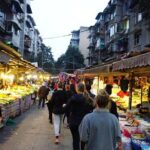
After the early tasting, you take the metro for about 10 minutes. The point isn’t just logistics. It shifts you into a different vibe and a different set of stalls, including a stop that features beer alongside street food and local snacks.
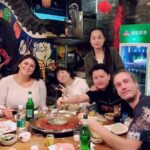
If you’re thinking, Do I really want beer on a food tour, the honest answer is: it’s optional in spirit, but it adds to the local scene. Even if you stick to non-alcoholic drinks, the beer context helps you see how locals treat the night market. It’s not just about eating; it’s about hanging out.
This is also the part where you may notice the tour’s flexibility. Depending on conditions, the first market-style stop can sometimes land near a university area, then shift you by subway toward a night market. The core idea stays the same: you’re eating through real local areas, not a single staged street.
A few more Chengdu tours and experiences worth a look

Sichuan flavor highlights: cold skewers, 麻辣湯, and 狼牙土豆
If you like big flavors, this tour has your name on it. The standout items listed include:
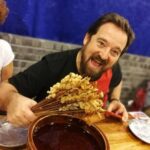
- Cold skewers: fragrant and spicy skewers of options like beef, chicken feet, and potatoes. The cold temperature makes the spice feel sharper and cleaner. If you’ve only had hot, oily skewers, this is a refreshing (and intense) twist.
- 麻辣湯: a Sichuan-style spicy hot soup. Even if you’ve had “mala” before, street versions can taste different because the balance comes from how it’s assembled and served on the spot.
- 狼牙土豆: wolf tooth potatoes. This one gets special attention for a reason. The preparation creates that distinctive look, and the flavor is memorable enough that it tends to stick in people’s minds long after the tour ends.
You’ll also find multiple other snacks and drinks in the mix—enough variety that you’re not repeating one flavor profile over and over. The tour is designed around grabbing what you’re tempted by, which helps you feel in control while still avoiding the “wrong item, wrong moment” risk.
How spicy is it?
Spice levels can be a personal issue in Sichuan cuisine. The good part here is that your guide considers your spice comfort level and adjusts what you order. If you’re cautious, say it plainly. If you’re brave, let them know. You’ll get a better meal either way.
What the guide story adds to each bite
A food tour can be “just food.” This one tries to do more. The guide mixes in myths, traditions, and day-to-day cultural stories so each dish has a reason to exist in Chengdu.
There’s a practical benefit to this. Once you understand the “why,” you stop eating blindly and start noticing details like:
- why certain ingredients show up together,
- why specific street foods are eaten at certain hours,
- how local ideas about food connect to everyday habits and beliefs.
The guide’s U.S.-and-China cultural bridge also matters. It’s one thing to translate words. It’s another to explain what a dish symbolizes or why it feels normal to residents. That’s the part that makes the night market feel like a living culture instead of a menu tour.
And yes, conversation is a real part of the experience. You’ll end up comparing cultural angles, not just holding a receipt and pointing at items.
Price and value: what $73 buys you in real terms
At $73 per person for a 3-hour outing, the price looks like a question mark at first. Street food is often cheap, and self-guided tasting can be tempting.
Here’s why the math can still work out for you:
- You get 5–7 authentic snacks and drinks included, meaning the biggest cost variable is already handled.
- The guide removes guesswork around ordering and helps you sample items you might never choose on your own.
- The tour time is compact. You’re not spending half your evening wandering in the wrong direction.
Also, the tour approach avoids the usual “add-ons.” The structure is about inclusion, so you’re not hit with extra surprise charges mid-stream.
If you like planning your own food crawl, you might still DIY. But if you want an efficient tasting night with cultural explanation and the right stalls, this price can feel fair fast.
Logistics that actually matter: timing, group size, transit
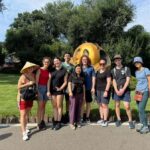
This is designed as a small group experience with a relaxed pace, like exploring with a local friend. That makes it easier to ask questions, show preferences, and pivot if you’re not sure about an item.
Duration is 3 hours. That’s long enough to eat several distinct items and learn something, but short enough that you won’t feel trapped.
Transportation is handled through either public transport or a private car option (the tour offers both). In practice, you should expect at least one quick metro hop (about 10 minutes) as part of the route.
Wheelchair accessibility is listed, so you don’t have to worry only about stairs and narrow alley chaos. Still, any street-food style outing involves standing around and moving between food spots, so if mobility is very limited, it’s worth checking with the operator ahead of time.
Practical tips so you enjoy everything
- Come with an empty belly. This tour is built for eating, not grazing.
- Tell the guide your spice comfort level. They adjust ordering based on preference, including people who want less heat.
- Wear comfy shoes. You’ll be moving between stalls and markets.
- Ask for the cultural context while you’re eating. Don’t save questions for the end. The stories land better when the food is still in front of you.
- Take the local food list if it’s offered. The tour includes an optional souvenir list of local foods, handy for planning your next night.
Who should book this Chengdu tour (and who might not)
You’ll likely love it if you:
- care about authentic Chengdu street food more than trying famous restaurant brands,
- enjoy conversations and cultural stories, not just a parade of snacks,
- want a small-group vibe where you can actually talk to the guide,
- like Sichuan flavors and want guided access to dishes such as cold skewers, 麻辣湯, and wolf tooth potatoes.
You might choose something else if you:
- dislike spicy food and don’t want to adjust your orders,
- prefer a slow, self-directed stroll where you pick only a couple bites (this tour is built to feed you),
- want zero movement between areas (this route includes at least one transit hop).
Should you book this Chengdu hidden-alley food tour?
If you want a night where Chengdu food feels understandable and intentional, this is a strong pick. The included snacks and drinks, the small-group pace, and the guide’s ability to explain myths and daily-life context make it more satisfying than most “eat and run” options.
Book it if you’re hungry for real Sichuan street flavor and you like learning while you eat. Skip it only if you’re not into eating multiple items in one sitting or you’d rather avoid spice entirely. Otherwise, bring an empty stomach, show up curious, and let Jayce-style guidance do what it’s designed to do: turn hidden alleys into a memorable meal.
FAQ
Where is the meeting point?
You’ll meet at Line 6 / 17, Jianshe North Road Subway station Exit C.
How long is the tour?
The tour lasts 3 hours.
How much does it cost?
The price is $73 per person.
What’s included in the tour?
The tour includes 5–7 authentic Chengdu snacks and drinks, exploring hidden streets and local food stalls, and an English-speaking guide with Western living experience. Public transportation or a private car is optional.
Do I need to pay extra for food or drinks?
All food and drinks included in the tour are provided with no extra charges related to the included tastings. Personal purchases beyond what’s provided are not included.
What Chengdu dishes should I expect to taste?
The tour highlights Chengdu egg cakes, cold skewers (including items like beef, chicken feet, and potatoes), wolf tooth potatoes, and 麻辣湯, plus additional snacks and drinks.
What languages is the guide available in?
The tour is offered with live guides in English, Japanese, and Chinese.
Is the group small?
Yes, the experience is described as a small group with a relaxed vibe.
Is the tour wheelchair accessible?
Wheelchair accessibility is listed as available.
What should I do before the tour?
You’re advised to come with an empty belly.
What’s the cancellation and payment flexibility?
Free cancellation is available up to 24 hours in advance for a full refund, and you can reserve now and pay later.