REVIEW · CHENGDU
All-Inclusive Private Day Tour of Mount Qingcheng and Dujiangyan
Book on Viator →Operated by ChengDu WestChinaGo Travel Service · Bookable on Viator
Early temples beat crowd chaos. This private day links Taoism on Mount Qingcheng with the Dujiangyan Irrigation System, a UNESCO World Heritage marvel still guiding water today. You also get a smooth, one-vehicle plan for two major sites without the headache of trains, buses, and timing.
I especially like the door-to-door hotel pickup and drop-off within the 3rd ring road. I also love that the schedule is built for convenience—electric cart at Qingcheng, round-trip cable car, and tickets included—so you spend your energy on sights, not logistics. Guides like Amber, Sharlene, Cassie, Lucy, Ivy Wang, Mia, and Abby are repeatedly noted for being patient, flexible, and able to explain what you’re seeing in plain terms.
One thing to consider: the day starts early (meet at your hotel around 7:15am) and includes uphill walking, cable car rides, and a suspension bridge crossing. If you’re sensitive to crowds on uneven paths or weather changes, plan for comfortable shoes and a slower pace.
In This Review
- Key points to know before you go
- Getting out of Chengdu early: pickup, drive time, and pacing
- Entering Mount Qingcheng: Taoist gate, electric cart, and Panda Village vibes
- Moon City Lake to Shangqing Palace: how the mountain unfolds
- Laojun Pavilion and the big view moment (when weather helps)
- Dujiangyan Irrigation System: the world’s oldest non-dam system you can walk through
- Fish Mouth Weir to Lidui Park: bridge crossing and bonsai calm
- Lunch and the rhythm of a 9-hour private day
- Price and value of a $229 private UNESCO day
- Who should book this day tour (and who might want to plan differently)
- Should you book this Mount Qingcheng and Dujiangyan private tour?
- FAQ
- How long is the tour?
- Is hotel pickup and drop-off included?
- What is included for transportation and tickets at Mount Qingcheng?
- What about lunch?
- Is this a private tour?
- Does the tour run in bad weather?
Key points to know before you go
- Hotel pickup and drop-off: Saves time and keeps your morning stress low.
- Two UNESCO sites in one day: Taoism at Qingcheng plus ancient water engineering at Dujiangyan.
- Included uphill help: Electric cart, plus round-trip cable car at Mount Qingcheng.
- Lunch is included: A local restaurant meal keeps the day practical.
- You’ll see the irrigation system in action: Fish Mouth Weir and the Bottle-Neck Channel are the stars.
- Views depend on weather: Laojun Pavilion and Qinyan Pavilion are best when skies cooperate.
Getting out of Chengdu early: pickup, drive time, and pacing
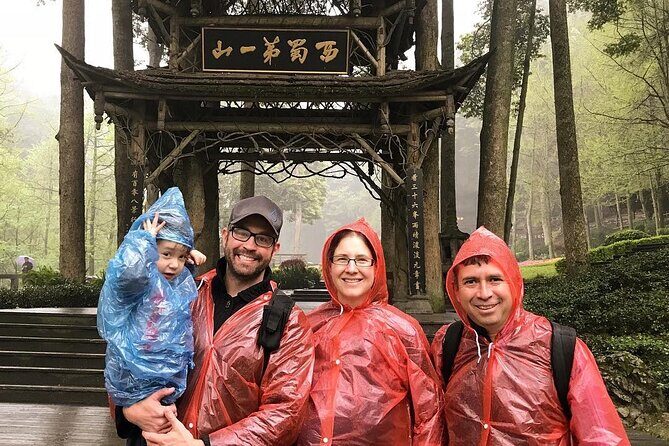
This is a private day tour based in Chengdu with early morning pickup. You’ll meet your English-speaking guide and driver in your hotel lobby around 7:15am, then head about 1.5 hours to Mount Qingcheng by a private, air-conditioned vehicle.
That early start matters more than it sounds. Chengdu traffic can be unpredictable, and leaving before it swells helps you arrive while the mountain is calmer and the day still feels fresh. If you want a later departure, you’ll need to mention that when you book, and the tour can adjust based on what’s available.
The tone of the day stays relaxed even though it’s full. This isn’t a rushed bus loop. It’s a private itinerary where you can keep moving when you want, and slow down when the stairs and slopes call for it.
You can also read our reviews of more private tours in Chengdu


Entering Mount Qingcheng: Taoist gate, electric cart, and Panda Village vibes
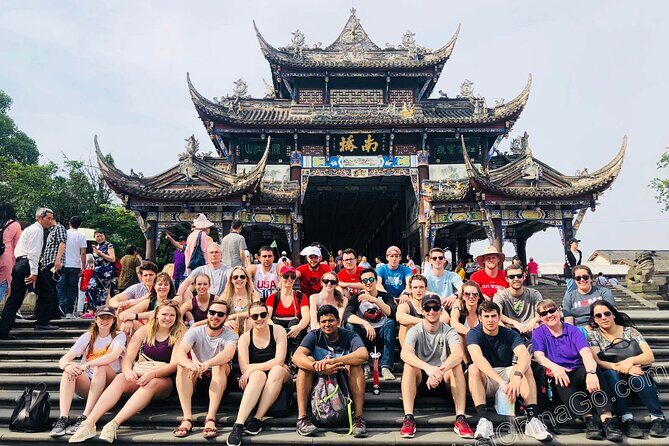
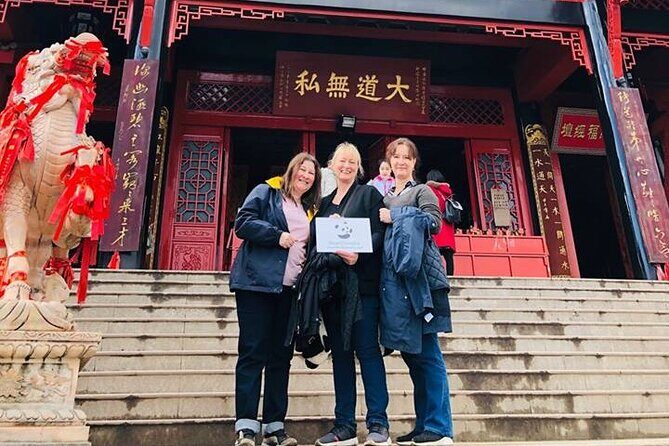
Mount Qingcheng is one of China’s key centers of Taoism, and it’s also the setting that inspired the idyllic Panda Village look for Kung Fu Panda 3. When you arrive, you don’t just walk straight in from the road. You’ll ride an electric cart up to the entrance, which is a nice touch if you’re dealing with jet lag, tight schedules, or just want your legs to start working after you’ve seen the view.
Once inside, the Taoist-style architecture hits fast. Think traditional halls, classic curves, and that quiet mountain feel where the sounds of traffic fade away behind you. The route also gives you small wins as you go—photo stops that make sense, not just check-mark sightseeing.
You’ll then begin a half-hour uphill walk toward Moon City Lake. The uphill portion is manageable for most people, but it’s still uphill. If you’re choosing between comfortable sneakers and stiff, fancy shoes, choose comfort.
Moon City Lake to Shangqing Palace: how the mountain unfolds
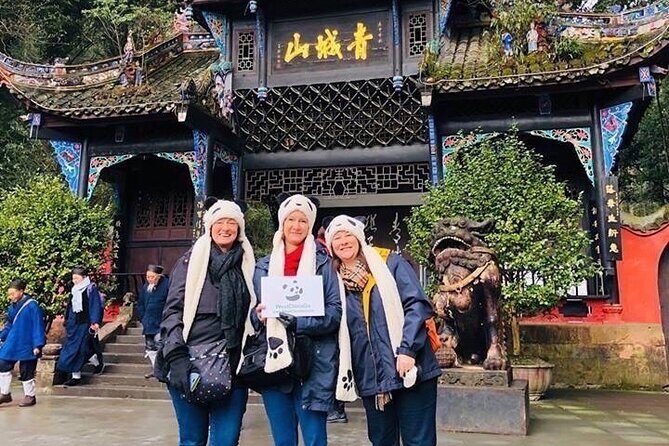
From Moon City Lake, you’ll take the cable car up to Shangqing Palace. The cable car ride is round-trip, so you get both convenience and a built-in “breather” between walking stretches. Shangqing Palace sits about 1,000 meters (3,280 feet) above sea level, and the complex dates back to the Jin Dynasty, with restoration that keeps it looking like it belongs on the side of the mountain.
In practice, this part of the day is where you slow down and actually look. You’re moving through serene halls and scenic pathways, and the best way to enjoy it is to pace yourself—pause for photos, look at the layout, then step on when you’re ready.
If you want an easy win for the day: aim to enjoy the atmosphere at Shangqing Palace instead of trying to rush through everything. The site is calmer when you don’t sprint from one viewpoint to the next.
Laojun Pavilion and the big view moment (when weather helps)
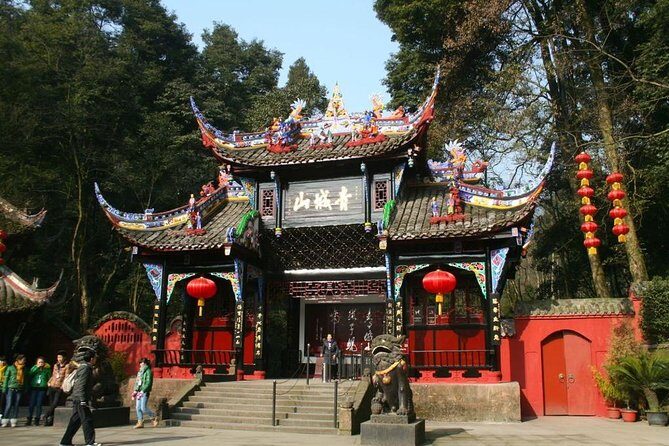
After Shangqing Palace, you continue on toward Laojun Pavilion. This is the spot where, weather permitting, you can enjoy sweeping views over Dujiangyan below.
That weather note matters. If visibility is clear, it feels like you’re looking at the whole water-world that made this region famous. If it’s foggy or rainy, the views may be limited—but you still get the experience of reaching the higher point and seeing how the mountain connects to the city and irrigation area.
Then you head back down using a mix of foot descent and cable car. This back-and-forth is useful because it breaks the day into smaller sections rather than one long grind. It also means you’re less likely to burn out before the second UNESCO site.
Dujiangyan Irrigation System: the world’s oldest non-dam system you can walk through
After Qingcheng, you stop for lunch at a local restaurant, and then you head into the Dujiangyan Irrigation System, a UNESCO World Heritage site and often described as the world’s oldest surviving non-dam irrigation system.
This part of the day is where the trip shifts from spiritual mountain vibes to practical engineering genius. You’ll learn how the system works and why it mattered over time. At Qinyan Pavilion, you get panoramic views that help you understand what you’re looking at once you step into the irrigation area.
Then the tour moves on to Erwang Temple (also called Two Kings Temple), which commemorates the creators of the system—Li Bing and his son—erected in the Qin Dynasty to honor their work. Even if you’re not a temple person, this stop gives context: you’re not just seeing structures, you’re seeing why people built them and continued relying on them.
The key practical sights follow: you cross the Anlan Suspension Bridge to reach the irrigation system’s main features, including the Fish Mouth Weir and the Bottle-Neck Channel. Seeing these structures in person makes the system’s logic click. It’s water engineering designed to manage flow without the kind of dam barriers you might be picturing.
If you like understanding systems, not just photos, this is the best payoff of the day.


Fish Mouth Weir to Lidui Park: bridge crossing and bonsai calm
Once you’ve crossed the suspension bridge and taken in the weir and channel area, you’ll continue through the irrigation complex and then exit toward Lidui Park. Lidui Park is a quieter finish than the engineering sections—there are elegant bonsai gardens, and it’s a nice moment to reset after looking at technical structures.
The pacing here helps. You get the major engineering points, then you’re not forced to end the day on your feet in the hardest area. The return drive brings you back to Chengdu where the private tour ends at your hotel.
It’s a good flow for people who don’t want one long day of constant movement. You’ll still walk, but the day has a rhythm: mountain walking, palace viewing, bridge and irrigation learning, then gardens and relaxation.
Lunch and the rhythm of a 9-hour private day
This tour runs about 9 hours total, give or take based on traffic and timing. The structure makes sense: you’re on the move early, then the day alternates between heavier walking stretches and calmer viewing stops.
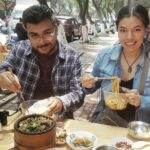
Lunch is included, and it’s handled at a local restaurant rather than a tourist cafeteria setup. The lunch break isn’t a random pause—it keeps the energy up so you can handle the second half of the day in Dujiangyan without feeling wrecked.
You also get a practical advantage with private transportation: you’re not stuck waiting for other people at every stop. If you prefer slower photo time, you usually can. Guides who’ve worked the route, including Lucy and Ivy Wang, are noted for being flexible and patient, and some have even customized parts of the day around requests.
One small consideration: you’ll want to plan for a full day with limited room for major detours. Since this is private and has a set sequence of sites, try to think of it as a focused UNESCO day rather than a shopping tour.
Price and value of a $229 private UNESCO day
At $229 per person, this isn’t the cheapest option in Chengdu. But you are paying for a straightforward deal:
- Private vehicle for the full day (hotel pickup and drop-off within the 3rd ring road)
- English-speaking guide
- Lunch included
- Cable car and eco golf car included at Mount Qingcheng
- Admission tickets included for the main stops
That matters because transportation and tickets at remote sites can add up fast, especially if you’re doing it solo. For many people, this price becomes easier to justify because it removes the time cost of figuring everything out.
The other value angle is comfort and energy management. You’re not chasing timetables. You’re not changing transit mid-day. And you’re not spending prime daylight hours on the mechanics of getting there.
If you’re traveling as a group, the tour also offers group discounts, which can make the per-person cost feel more reasonable. If you’re solo, it’s still usually a strong choice when you want a guided UNESCO day without the stress.
Who should book this day tour (and who might want to plan differently)
This tour fits best if you:
- Want two UNESCO sites without renting a car
- Like walking with purpose—temples, views, and key engineering points
- Prefer a private pace rather than joining a crowd
- Appreciate explanations that connect the dots between Taoism and the region’s water system
It might feel less ideal if you:
- Have very limited mobility, since there’s uphill walking and a bridge crossing
- Hate early mornings (pickup is around 7:15am)
- Need fully flat routes with no stairs or slopes
The good news is that most people can participate, and the route includes transport aids like the electric cart and cable car.
Should you book this Mount Qingcheng and Dujiangyan private tour?
If you want a day that’s both spiritual and practical—temples on a Taoist mountain, then ancient water engineering you can actually see—this is a smart booking. The included lunch, tickets, and rides remove common friction points, and the private setup keeps your time efficient.
I’d book it if you’re first-time in Chengdu and want to go beyond the city in a single day with a guide who can explain what you’re looking at. I’d think twice only if early starts and uphill walking are major deal-breakers for you.
FAQ
How long is the tour?
It runs about 9 hours.
Is hotel pickup and drop-off included?
Yes. Pickup and drop-off are included for hotels within the 3rd ring road.
What is included for transportation and tickets at Mount Qingcheng?
You’ll get a round-trip eco golf car to the entrance and a round-trip cable car for the Mount Qingcheng route. Admission tickets are also included.
What about lunch?
Lunch at a local restaurant is included.
Is this a private tour?
Yes. It’s private, so only your group participates.
Does the tour run in bad weather?
It operates in all weather conditions, so you should dress appropriately and wear comfortable walking shoes.