REVIEW · CHENGDU
Mount Qingcheng and Dujiangyan Irrigation System Private Day Tour from Chengdu
Book on Viator →Operated by Samtour of Chengdu OTC Travel · Bookable on Viator
A Taoist mountain and ancient waterworks in one day.
I like how this private format keeps the pace calm, not frantic, while your English-speaking guide adds real context as you move through Qingcheng Shan’s temples and Dujiangyan’s hydraulic system. I also love the mix of activities: boat across Yuecheng Lake, then a cable car that helps you save energy for the hike and temple stops. One thing to plan for is the physical side: expect steep spots and plenty of steps.
The big value for you is that you’re not figuring out buses, tickets, and timing between sites. Pickup and round-trip transport from your Chengdu hotel gets you out of city traffic, and the day includes entry tickets and lunch that are prebooked for a smoother start.
My main caution is time management. Qingcheng Mountain includes a guided hike plus optional ascent/descent by cable car, and Dujiangyan can feel like a “see the key parts” visit rather than long trail wandering—so bring comfortable shoes and a flexible mindset if you want extra time at every corner.
In This Review
- Key highlights you’ll feel on the day
- Leaving Chengdu for a calmer kind of day
- Price and logistics: what you’re really paying for
- Mt. Qingcheng: Taoist temples, Yuecheng Lake, and a hike with options
- How the descent works (and how to choose)
- What to bring for Qingcheng
- Boat ride + cable car value: it’s not cheating, it’s smart pacing
- Lunch: a real pause, not a rushed stop
- Dujiangyan Irrigation System: ancient engineering you can still read
- Walking the system’s key features
- The main trade-off: key parts vs. long trail wandering
- The walking reality: steep slopes, stairs, and your legs
- Guides and pacing: why it matters more than you think
- What kind of traveler should book this?
- Should you book this private Mt. Qingcheng and Dujiangyan tour?
- FAQ
- How long is the Mt. Qingcheng and Dujiangyan private day tour?
- What time does the tour start and do I get hotel pickup?
- What’s included in the price?
- Is there walking or stairs involved?
- What do I do at Mt. Qingcheng during the visit?
- What will I see at Dujiangyan?
- What happens if weather is bad?
Key highlights you’ll feel on the day
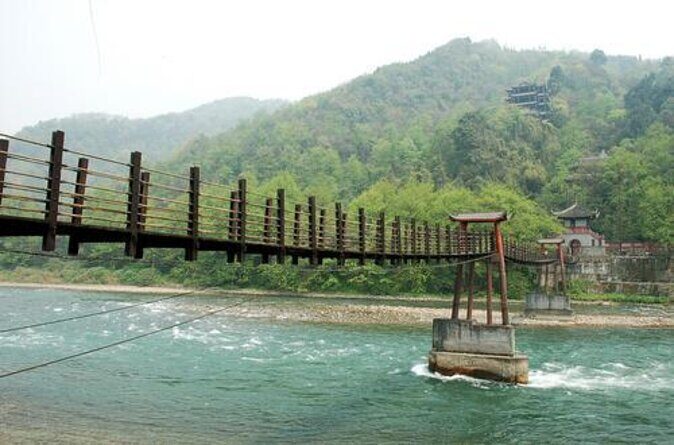
- Two UNESCO sites in one trip: Taoist heritage at Mt. Qingcheng and ancient water engineering at Dujiangyan
- Private pickup and unhurried pacing: you ride in an air-conditioned vehicle and get personal attention
- Prebooked entry + included lunch: less waiting, more time sightseeing
- Qingcheng’s mix of walking and lifts: Yuecheng Lake boat ride and a cable car option
- Dujiangyan’s water-control details you can actually see: levees, temples, waterways, and gardens
- Guides who explain what you’re looking at: English support, context, and safety-minded pacing
Leaving Chengdu for a calmer kind of day
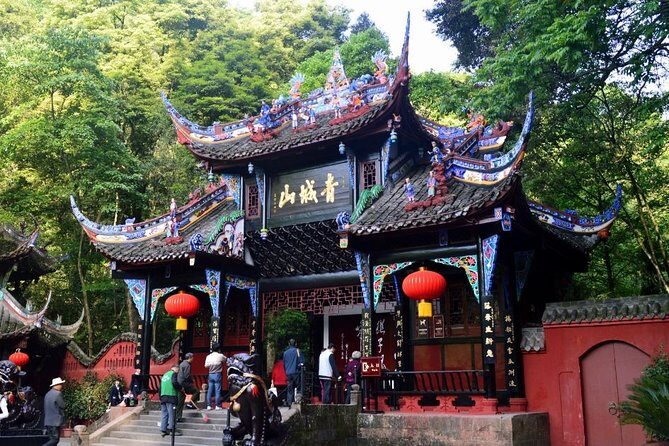
This is the kind of day trip that makes sense if you love big sites but hate the “race to the next bus” feeling. You start at 8:00 am with pickup from your centrally located Chengdu hotel, then settle into an air-conditioned private vehicle for the drive out of the city.
The best part is that transportation is handled end-to-end. That matters here because you’re splitting your time between a mountain with temple paths and a historical engineering site that also takes some walking. You don’t need to worry about finding local connections or standing in line while everyone else circles you like geese.
Your guide stays with you throughout, and that changes how the day lands. Mt. Qingcheng isn’t just scenic hiking—it’s tied closely to Taoism, and your guide helps you make sense of what you’re seeing in plain language. Same idea at Dujiangyan: you get the “how this worked” story, not just photos of stone channels.
You can also read our reviews of more private tours in Chengdu


Price and logistics: what you’re really paying for
At $230.78 per person for a private day (about 6–8 hours), the price isn’t cheap in the way a simple group tour is cheap. But you’re paying for three things you’ll feel immediately:
- Private transport + private guide time: you’re not competing for attention in a large group
- Prebooked entry and lunch: less friction means more usable sightseeing time
- Included activities at Qingcheng Shan: boat ride across Yuecheng Lake and round-trip cable car
Also, you’ll get what feels like small “time insurance.” Tickets and lunch are already arranged, and the tour includes an excursion bus at Qingchengshan and Dujiangyan, so you’re not walking every single transfer.
One caution: a review mentioned additional small payments for local transport and tram fare. The tour includes the excursion bus, but if you’re the type who likes to know every last cost up front, it’s smart to ask your provider what local rides are fully covered versus what might be optional.
Mt. Qingcheng: Taoist temples, Yuecheng Lake, and a hike with options
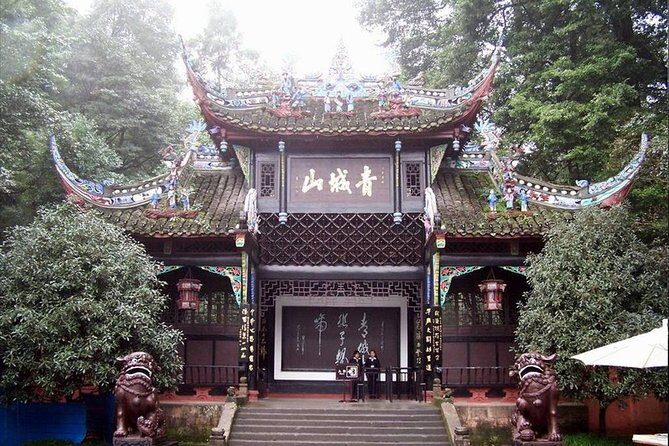
Mt. Qingcheng (Qingcheng Shan) is the quieter, forested cousin of the more famous Sichuan peaks. Here, the draw is the combination of Taoist temples, shaded trails, and a sense of calm that’s hard to fake on a day trip.
After you arrive, you’ll cross Yuecheng Lake by boat. It’s not a long stop, but it’s a genuine reset. The water ride breaks up the travel energy and gives you a view of the mountain that you just don’t get from a road.
Then comes the altitude work—without making you earn every meter the hard way. The day includes a round-trip cable car at Qingchengshan. In practice, this usually means you can get to the higher temple areas faster, while still doing a guided hike of around two hours along shaded paths. That hike is the core of the experience: you’ll stop at historic temples and get explanation about their spiritual significance and connections to dynasties.
Some temple names you’ll likely encounter include Jianfu Temple (Tang Dynasty) and Tianshi Cave (finished during the Qing Dynasty, where a Taoist master is associated). Even if you don’t memorize every historical detail, the guide’s framing helps you see these places as living ideas, not just old buildings.
How the descent works (and how to choose)
Once you reach the upper sections, you can descend either by foot or by cable car. If you want more hiking, pick the foot descent—just be realistic about stairs and steep sections. If you want to save energy (or your legs are already tired from the climb), the cable car is the practical choice.
Either way, you’ll return to the lower area, and you’ll be able to transition smoothly to lunch afterward.
What to bring for Qingcheng
- Comfortable walking shoes (seriously)
- Water—there’s a moderate amount of walking, and you’ll be on steps at times
- Warmer layers if you run cold at higher elevations; one experience noted it can feel chilly at the top



Boat ride + cable car value: it’s not cheating, it’s smart pacing
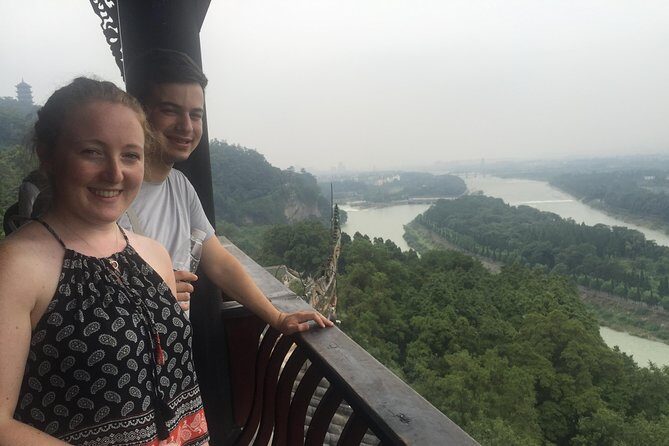
One reason this tour feels efficient is that it doesn’t force you to choose between history and physics. The included boat ride and cable car mean you spend energy on the parts that matter: temples and the guided hike through forested trails.
So if you’re visiting Mt. Qingcheng for the first time and you’re worried about how much walking you can handle, this setup is a practical compromise. You still get exercise and viewpoints, but you’re less likely to burn out before you reach the temple highlights.
Lunch: a real pause, not a rushed stop
Lunch is included at a local restaurant. The tour is designed so that food happens between major sights, which is how you avoid the common day-trip mistake: eating quickly while your brain is still running at sightseeing speed.
While you’re eating, you can reset your pace, refill water, and get ready for Dujiangyan’s more “walk-and-look” format. Based on the experience notes, the lunch is more than an afterthought—you should plan for it as a proper break.
Dujiangyan Irrigation System: ancient engineering you can still read
After lunch, you drive to the Dujiangyan Irrigation System, another UNESCO site. This is the “how people made the land work” stop: it’s a hydraulic project that transformed agriculture in the region over 2,000 years ago.
What makes Dujiangyan special is that it’s not only about big stones or dramatic architecture. It’s about water control. The system dates back to 256 BC and is tied to Qin Dynasty engineering. The goal back then was irrigation and flood control—practical needs, solved with design.
Walking the system’s key features
As you explore the area, you’ll be able to see ancient structures, waterways, statues, and gardens. The details matter here, and your guide helps you connect them into one story.
Key elements you’ll focus on include:
- Fish mouth levee, named for its conical shape resembling a fish head—this is part of how water is directed in the system
- Two Kings Temple and Dragon-Taming Temple, which add cultural weight and explain how people framed the system
- Lidui Park gardens, where you can see how traditional design blends with the engineering space
You’ll also use an excursion bus in the Dujiangyan area. That’s helpful because the site is spread out, and you want to spend time understanding what you see, not just crossing the grounds.
The main trade-off: key parts vs. long trail wandering
Dujiangyan is fascinating, but one review-style caution surfaced clearly: you might not have time for extensive trails and smaller routes inside the complex. In other words, you’ll get the major pieces and key viewpoints, but it may feel like a “main features” visit rather than a deep exploration of every path.
If you’re the kind of person who loves wandering off the main route to find quiet corners, keep that in mind. This tour is still strong, but it’s built for breadth and clarity in one day.
The walking reality: steep slopes, stairs, and your legs
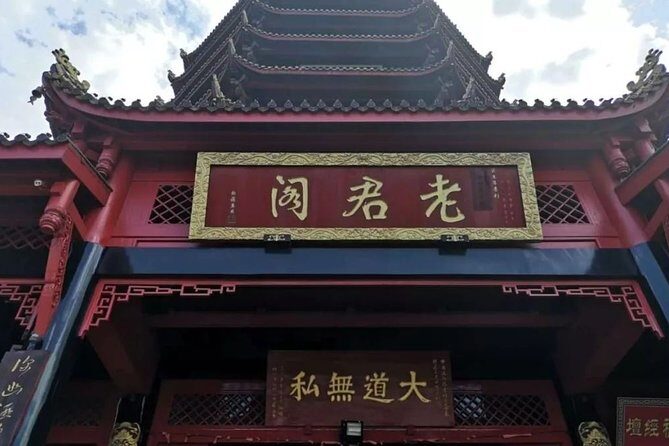
This day is labeled as moderate walking, but “moderate” can mean very different things on a mountain with temple steps.
At Qingcheng Shan, you’ll hike around two hours on shaded trails, with some steep slopes. There are also plenty of steps involved, and the terrain can feel relentless if you set your pace too fast at the beginning.
At Dujiangyan, you’ll walk around the complex to see waterways and temple buildings. Even with the excursion bus help, you’ll still be on your feet.
My practical take: dress for comfort, pack water, and plan a slower start. If you treat the day like a gentle stroll, you’ll enjoy it more. If you treat it like a workout challenge, you may feel rushed toward the end.
Guides and pacing: why it matters more than you think
The guide is a standout part of the experience. English quality is described as excellent, and the guide’s attention to safety and pacing is repeatedly emphasized.
In at least one instance, the guide’s name was Wells, and that same “clear English + good answers + thoughtful pacing” theme came through. The big value isn’t just translation. It’s the ability to ask questions—why a temple matters, what a levee does, how the system worked—and then get a grounded explanation.
This matters because both sites can turn into “pretty photos” if you don’t know what you’re looking at. With a good guide, you’ll walk away with more than names—you’ll understand connections.
What kind of traveler should book this?
This tour fits well if you want:
- UNESCO depth without travel chaos: two major sites in one focused day
- a private, calm pace instead of a crowded rush
- a mix of activities: boat ride, cable car, guided temple stops, and engineering walk-throughs
- an English-speaking guide who helps you read the sites instead of just touring them
It may be less ideal if you:
- hate stairs or steep slopes
- want lots of free time to wander far beyond the main viewing routes
- prefer to travel with zero physical exertion
Should you book this private Mt. Qingcheng and Dujiangyan tour?
If you’re weighing options, I’d book this if your priority is value through planning: prebooked entry, lunch included, private transport, and a guided day that covers two UNESCO World Heritage sites without making you solve logistics.
I’d think twice if your legs are fragile or you need long breaks between walking segments. You can still do it with cable car help and pacing, but the day isn’t “sit-and-glide” sightseeing.
Best decision tip: if you’re even slightly unsure about the walking, choose supportive shoes and treat the climb and steps like part of the story. Once you do, the quiet feel of Qingcheng Shan and the water-engineering logic at Dujiangyan land much more strongly.
FAQ
How long is the Mt. Qingcheng and Dujiangyan private day tour?
It runs about 6 to 8 hours.
What time does the tour start and do I get hotel pickup?
The start time is 8:00 am, with pickup from your centrally located hotel in Chengdu.
What’s included in the price?
The tour includes a private air-conditioned vehicle, a professional English-speaking guide, prebooked admission for the listed places, lunch at a local restaurant, an excursion bus at Qingchengshan and Dujiangyan, and the boat ride plus round-trip cable car at Qingchengshan.
Is there walking or stairs involved?
Yes. There is a moderate amount of walking, and Qingcheng Mountain includes steep slopes and many steps. Comfortable walking shoes are recommended.
What do I do at Mt. Qingcheng during the visit?
You’ll visit Taoist temples, cross Yuecheng Lake by boat, and hike along shaded trails for around two hours, with temple stops along the way. You can choose to descend by foot or by cable car.
What will I see at Dujiangyan?
You’ll explore the irrigation system’s ancient structures, waterways, statues, and gardens, including the fish mouth levee. You’ll also visit temples such as Two Kings Temple and Dragon-Taming Temple, plus Lidui Park gardens.
What happens if weather is bad?
The experience requires good weather. If it’s canceled due to poor weather, you’ll be offered a different date or a full refund.