REVIEW · BEIJING
Beijing: Hutongs & Drum Tower City Walking Tour
Book on GetYourGuide →Operated by JTB Travel Agency · Bookable on GetYourGuide
Beijing has lanes you can feel in your legs. This Hutongs & Drum Tower walking tour threads ancient alley life beside Houhai and Qianhai lakes, then tops it off with a climb at the Drum Tower and time for local snacks along Yandai Byway. Two things I love: you get a true alleyway feel (not just a quick photo stop), and the guide focus on food and context helps you understand what you’re seeing.
One drawback to consider: the tour is only 3–4 hours, so it’s more “best hits with stops” than “see every courtyard in Beijing.” If you’re the type who needs unlimited time inside sites, you may want to plan a little extra on your own.
In This Review
- Key highlights to look for
- Why this Hutongs-and-Drum-Tower route feels smarter than random sightseeing
- Shichahai meeting point and the lakeside start (where your “real Beijing” moment begins)
- The hooded rickshaw ride through ancient alleyways (old-city speed, not tourist speed)
- Optional local family visit: saying ni hao, seeing the courtyard layout, and chatting like a human
- Taoism temple by the Jing-hang canal and Wanning Bridge: religion as a lived story, not a lecture
- Yandai Byway: how to snack well and shop for souvenirs without getting lost
- Drum Tower square and the climb: where old Beijing becomes a city you can see
- Price and value: is $69 for 3–4 hours a fair deal?
- Who should book, and who might want a different day plan
- Should you book the Beijing Hutongs & Drum Tower tour?
- FAQ
- How long is the Beijing Hutongs & Drum Tower City Walking Tour?
- Where do I meet the guide?
- Is the tour guided in English?
- Are entrance tickets included?
- Does the tour include a local family courtyard visit?
- Will I need Chinese cash?
- Is the tour wheelchair accessible?
Key highlights to look for

- Houhai and Qianhai lakeside hutongs: walking paths with that calm-but-real old-city vibe
- Hooded tricycle rickshaw ride: a slower, historical way to cross lanes (often about 30 minutes, shared by two people)
- Taoism temple near the Jing-hang canal and Wanning Bridge: religion and local stories in a specific historic setting
- Yandai Byway ancient commercial street: built for wandering, with snack shops and souvenir stops
- Drum Tower square and the city-view climb: the moment the old layout connects to Beijing’s modern sprawl
- Optional courtyard home visit: a chance to say ni hao, chat, and see spaces like kitchen and living room
Why this Hutongs-and-Drum-Tower route feels smarter than random sightseeing
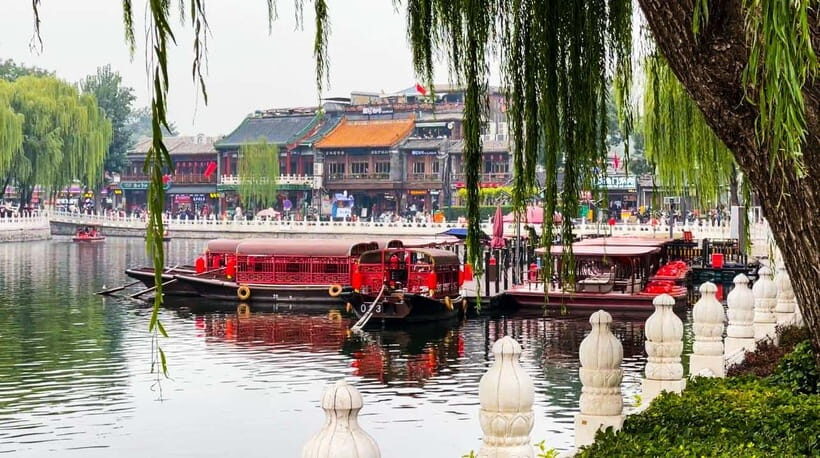
Beijing’s big sights can be impressive, sure. But they can also feel like they were designed for crowds rather than for curiosity. This tour does the opposite. It takes the old-city “cell structure” of hutongs—narrow lanes like veins—and combines it with water (Houhai and Qianhai), then adds a high point at the Drum Tower where you get a clear sense of how the city is laid out.
I especially like how the tour connects everyday life to big history. You’re walking through alleyways that are described as 300 to 700 hundred years old (so, yes, lots of centuries), then you’re learning the meaning behind the shapes: where rich families lived versus how others lived, and why certain streets and buildings matter. It’s not just facts dumped at you. The route is built so the stories land where you can picture them.
And if you’re a food person, this tour is tuned for you. You’ll have time near Yandai Byway for snacks and little buys, plus your guide will help you find options that fit what you want to eat. That matters because Beijing food can be a make-or-break detail on a trip.
You can also read our reviews of more walking tours in Beijing



Shichahai meeting point and the lakeside start (where your “real Beijing” moment begins)
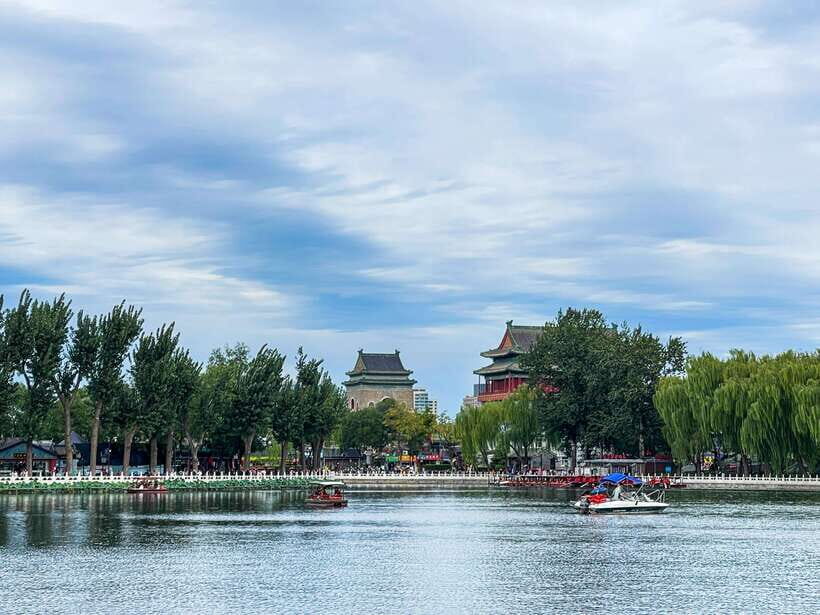
The tour meets at the Exit A2 of Shichahai subway station (Line 8). From there, you’re set up for an easy start: you’re not fighting complicated transfers, and you’re getting dropped into the old-city zone quickly.
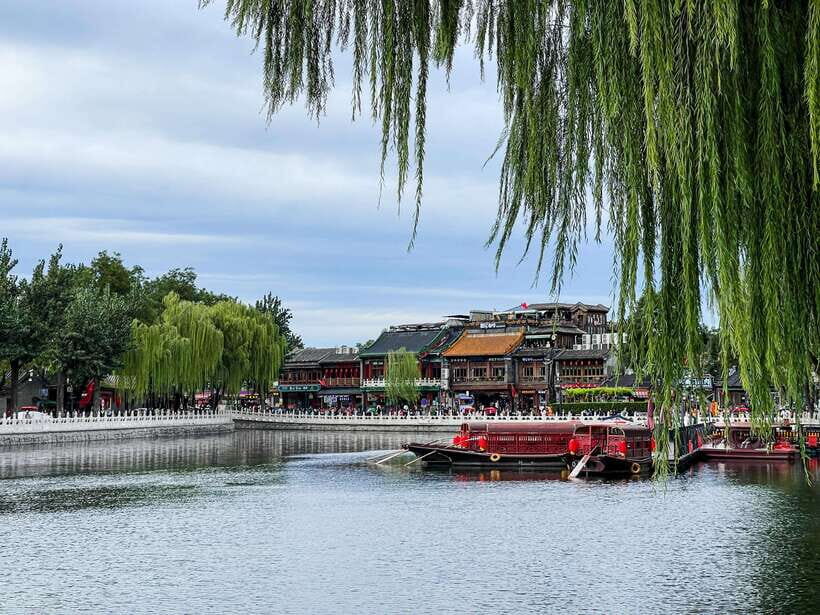
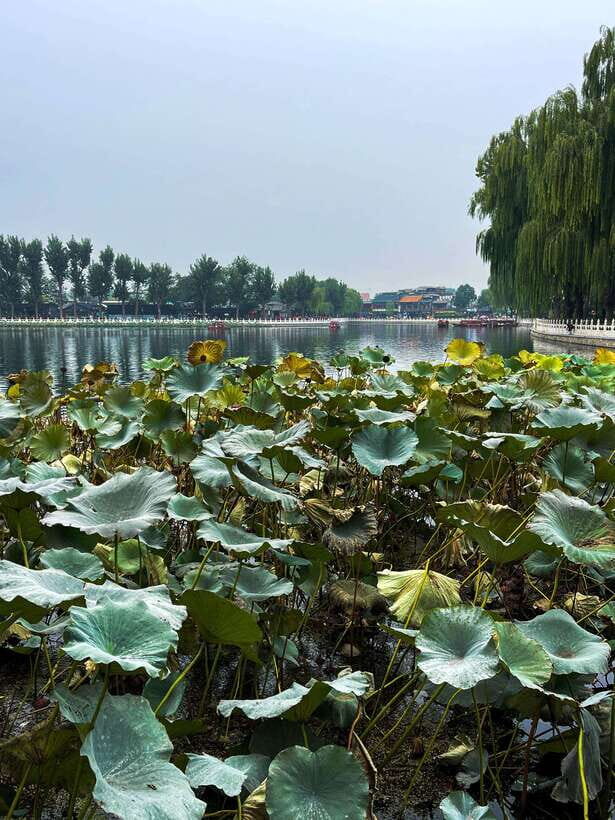
The lakeside segment is more than pretty scenery. Houhai and Qianhai are the kind of place that changes how you walk. Instead of feeling like you’re “moving through a monument,” you start moving like a local on a calm afternoon. That shift is the whole point: hutongs can feel confusing if you’re rushing, but they make more sense when the pace is slower and there’s an anchor nearby.
Expect your guide to orient you to what makes hutongs unique—lanes and alleys spread through the old city, packed with courtyard homes and daily routines. Even before you hit the busier streets, you’ll start noticing how the lanes bend, how courtyards face inward, and how neighborhoods connect.
Practical tip: if you’re planning to snack, build a little empty space into your schedule. You can always eat smaller bites along the way, but the tour has natural food moments.
The hooded rickshaw ride through ancient alleyways (old-city speed, not tourist speed)
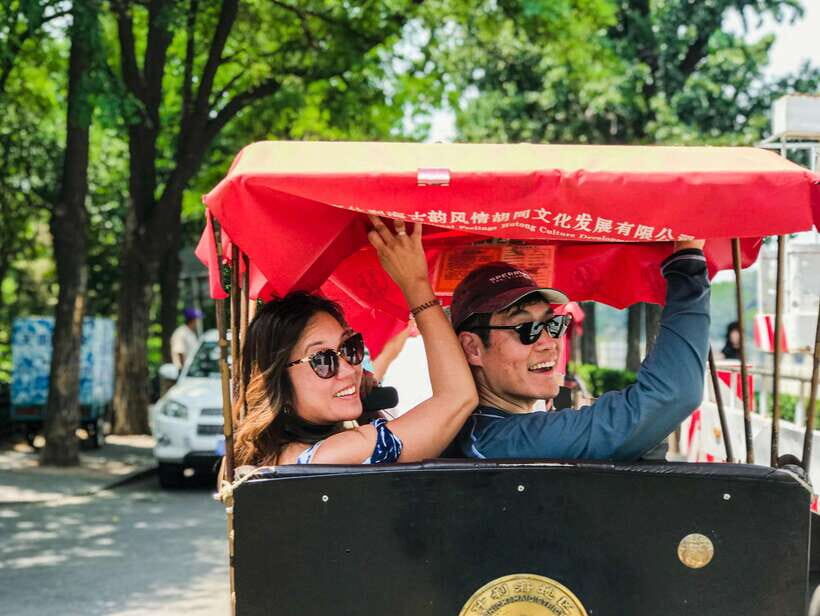
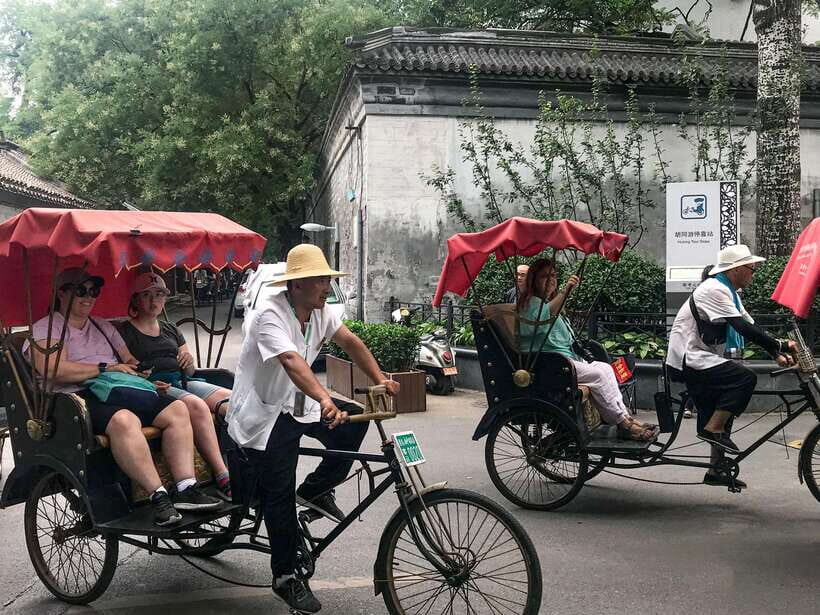
This is where the tour gets that “how do people even get around here?” feeling—in a good way. The optional hooded tricycle rickshaw isn’t just for show. It’s described as an ancient taxi used by nobles and wealthy business people, and it’s a great match for hutongs because the lanes aren’t designed for modern vehicle traffic.
You’ll ride for about 30 minutes, and it notes two people per rickshaw for that time. The hood is practical too: it helps with sun and light weather. The ride also teaches you something you can’t learn by walking alone: the alley scale. When you’re sitting instead of stepping, you notice the geometry and the turning points fast.
There’s a specific piece of history tied to the rickshaw that your guide may share. In 1972, when President Nixon visited China with his wife, they liked the experience of wandering old alleyways by rickshaw near the water.
If you have limited energy (or you’re traveling with someone who can’t do long stretches), the rickshaw is a smart trade. If you love walking and photography, you can still use it as a palate cleanser: one part ride, then you’re back on foot exploring.
Optional local family visit: saying ni hao, seeing the courtyard layout, and chatting like a human
This tour can include a local family visit, depending on the option you choose. When it’s included, you’re not just looking at a courtyard from behind a gate. You’re meeting people, saying ni hao, and doing casual conversation.
What you might see inside matters. The tour description points to traditional courtyard layout and rooms such as the kitchen and living room, with the possibility of viewing spaces like bedrooms as well. That kind of inside look is rare in Beijing because many courtyard homes aren’t open to random visitors.
From an experience standpoint, the value is not only architecture. It’s the chance to ask simple questions and learn how daily life fits into an older layout. You also get a better feel for social routines and how spaces are used, not just how they look in a brochure.
Language note: your guide is English-speaking, so the communication is usually guided. Still, I’d come with a few low-pressure topics in mind—family, daily routine, what a typical evening looks like, and what people like about living in a hutong area now.
And based on guide feedback you can see in the guide performance history (people repeatedly mention being taken care of and fed well), this is also often where you feel the most “personal attention,” like the guide stays on your comfort level rather than rushing you.
Taoism temple by the Jing-hang canal and Wanning Bridge: religion as a lived story, not a lecture
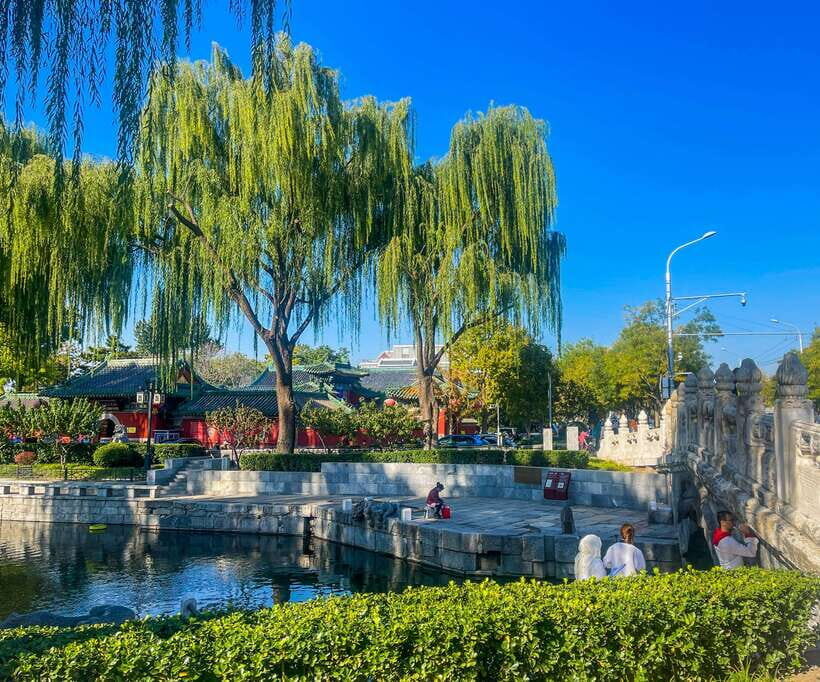
One stop that helps the whole day click is the visit to a Taoism temple beside the Jing-hang canal and the Wanning Bridge, which is described as built by the Mongolian dynasty.
This part can feel surprisingly relevant because it answers a basic question: what does local faith mean day-to-day, and what stories do people connect to now? The tour description specifically frames it as a way to see what religion Chinese young guys believe in and to learn gods’ stories.
The key for me is the way this stop changes your reading of the streets. When you’ve heard local religion stories tied to a real location, you start noticing small details: symbols, design choices, and why certain areas gather people.
What to expect on the ground: a short temple visit paired with context from your guide, then a return to walking routes that keep the day’s momentum. If you’re the type who enjoys cultural stops but doesn’t want the tour to become a museum timeline, this works well.
Quick consideration: if your schedule is tight or you’re not into religion/culture stops, you might find this segment longer than you want. But because it’s tied to a specific canal/bridge setting, it usually feels like part of the story rather than an extra detour.
You can also read our reviews of more city tours in Beijing



Yandai Byway: how to snack well and shop for souvenirs without getting lost
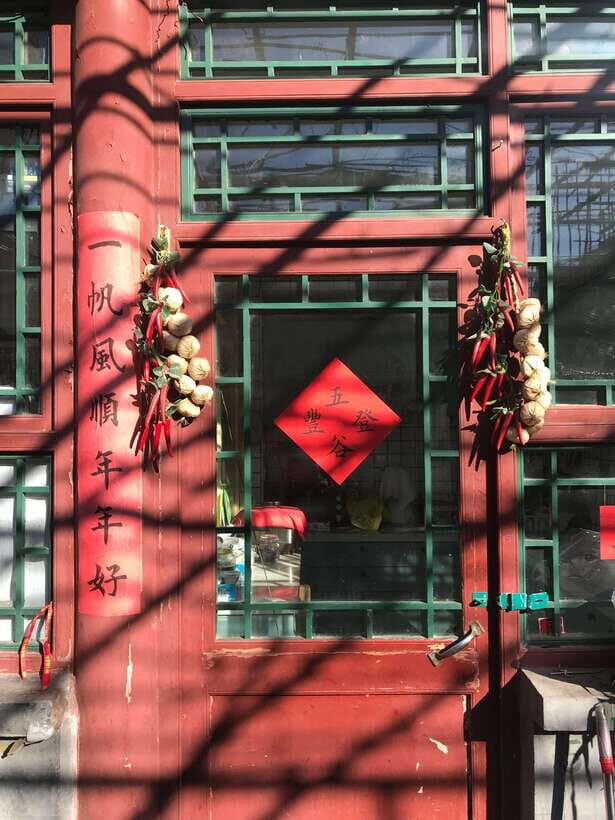
Then you shift into Yandai Byway, described as an ancient commercial street. This is the part where the tour turns from “history and alleys” into “walk, eat, and browse,” with some free time.
For food, this is where you’ll likely see snack stores and local options grouped into something you can actually manage in a single afternoon. Your guide may help you choose dishes that match your preferences, including swapping out harder-to-eat items when needed. That’s a big deal because food restrictions can be tricky in China if you’re alone, and your guide’s job is to make sure you’re not stuck hungry.
For shopping, Yandai Byway is practical. You can pick up souvenirs from local stores without having to sprint through markets. And because this stop is planned during a walking tour, you’re not juggling too many logistics.
One thing to remember: bring a bit of Chinese cash if you want to buy food from local stores. The tour data specifically calls that out, so it’s not a guess.
Drum Tower square and the climb: where old Beijing becomes a city you can see
The day’s second big anchor is the Drum Tower area. First, you’ll walk to the square between the Drum and Bell Towers. Your guide will explain the stories of Beijingers from old dynasties till now—basically, why this part of the city matters and how it connects to daily life historically.
Then comes the climb: the tour description says you’ll climb the 600-year-old Drum Tower. This is a strong payoff moment because you’re going from walking hutongs to looking at the city with your own eyes. It helps you understand the scale of Beijing—where old lanes fit into the larger grid, and how waterways and major roads shape everything.
Ticket reality check: the tour data says entrance tickets aren’t included. That means you should expect there may be a small extra cost at the Drum Tower site, depending on what your package covers. If you’re budgeting tightly, check the details with your operator before you go.
After the climb, the tour includes time for snacks or food. That’s a smart end-of-tour move because you’re already standing hungry and you’ve earned a final local bite.
Price and value: is $69 for 3–4 hours a fair deal?
At $69 per person for 3–4 hours, the value depends on what you want most from Beijing.
If you want a guided walk that includes a professional English-speaking guide, plus a planned rhythm through hutongs, lakes, and historic stops, the price is reasonable. The bigger part of the value isn’t the sites themselves—it’s the ability to move through a complicated old-city neighborhood without guessing. Hutongs can be confusing if you try to “DIY,” and you’ll lose time figuring out where lanes connect.
Also, this tour is built around human-level details. The optional local family visit (when selected) and the food-snack time near Yandai Byway can make the tour feel like more than a sightseeing route. And from what people highlight in guide performance, the strongest guides (people named Alice, Amber, Lisa, Jenny, Johnny, Tony, Susan, Kolar Lee, and Linda in the experience history you provided) show up prepared, stay attentive, and help with food choices.
One more value note: the tour offers private or small groups, which usually means less standing around and more time moving. If you hate being herded with a loud group, this is a good fit.
Who should book, and who might want a different day plan
This tour is a great fit if:
- You want hutongs plus context, not just photos
- You like food stops with guidance
- You want a high point at the Drum Tower after low, narrow alley walking
- You’re traveling with someone who might prefer a rickshaw break for comfort
It may be less ideal if:
- You want to spend long hours inside major museums or multiple ticketed attractions
- You’re expecting fully catered meals with no snack flexibility
- Your schedule only allows a quick grab-and-go, because this is designed as a focused half-day
One more practical note: the tour is listed as wheelchair accessible. If mobility is part of your planning, still confirm the day’s exact walking levels with the provider before you arrive.
Should you book the Beijing Hutongs & Drum Tower tour?
If you’re choosing between a rushed hutong walk and a guided route that actually ties alley life to historic meaning, I’d book this. The best reason is simple: the tour is structured so you see Beijing the way it works—lanes, courtyard homes, water nearby, a temple stop with stories, then a Drum Tower view that makes the city snap into focus.
If you value the guide as much as the landmarks, you’ll likely be happy. In the experience history you shared, guides like Tony, Susan, and Linda stand out for staying on pace without rushing and for making sure people eat well and understand what they’re seeing. That’s the difference between a tour you remember and a tour you forget.
If you book, do two things: bring some Chinese cash for snacks, and come ready to walk a bit. This is the kind of day where you end up with better questions about Beijing than when you started.
FAQ
How long is the Beijing Hutongs & Drum Tower City Walking Tour?
The tour lasts about 3 to 4 hours.
Where do I meet the guide?
The guide meets you at Exit A2 of Shichahai subway station (Line 8). The meeting point may vary depending on the option booked.
Is the tour guided in English?
Yes. The tour includes an English-speaking live guide.
Are entrance tickets included?
No. Entrance tickets are not included.
Does the tour include a local family courtyard visit?
That depends on the option you select. The local family visit is included only if the option is selected.
Will I need Chinese cash?
If you want to buy food from local stores, you should bring Chinese cash.
Is the tour wheelchair accessible?
Yes. The tour is listed as wheelchair accessible.