REVIEW · BEIJING
Beijing Private Tai Chi Class
Book on Viator →Operated by Beijing San Feng Tai Chi Club · Bookable on Viator
Slow movements in Beijing can reset your whole day. This private Tai Chi class is interesting because it teaches you more than poses: you learn 9-step form basics, plus the ideas behind yin and yang and Qi, in a calm 90-minute session. A big plus is the beginner-friendly pacing and the way your instructor connects the movements to Taoist philosophy without making it feel like homework.
One possible drawback: you’re responsible for getting yourself to the meeting spot on Tian Tan Dong Lu. The class also requires good weather, so plan a little flexibility if Beijing skies are moody.
In This Review
- Key highlights worth knowing
- How the 90-minute private lesson works (and why that matters)
- Tian Tan Dong Lu meeting point and what to bring
- The lesson starts with Tai Chi culture: Taoism, yin and yang, and Qi
- The 9-step Tai Chi form: where beginners get real progress
- Standing meditation and push hands: learning connection, not fighting
- Self-massage for pain and stress: practical take-home skills
- English-speaking masters and why the instructor can make or break it
- Price and value: is $58 for a private class a good deal?
- Where to fit this into your Beijing day
- Who should book this Tai Chi class (and who might skip it)
- Should you book this Beijing private Tai Chi class?
- FAQ
- How long is the Beijing Private Tai Chi Class?
- Where do I meet for the Tai Chi lesson?
- Is the class private?
- What will I learn during the session?
- Do I need to pay for tickets or anything else?
- What’s the cancellation and weather situation?
Key highlights worth knowing
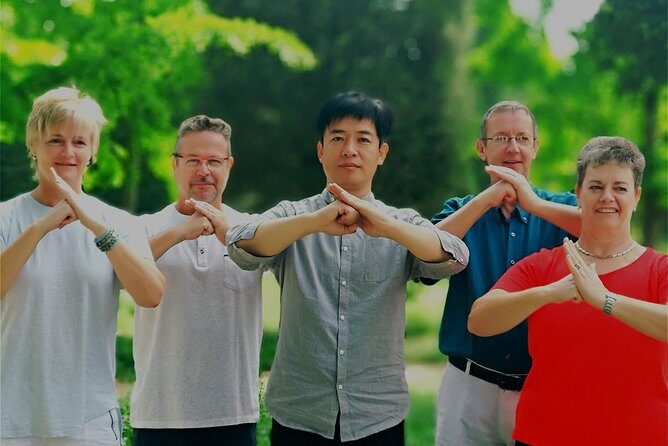
- Private, beginner-focused instruction so you’re not guessing what to do next
- English-speaking Tai Chi masters guide the steps and the philosophy
- 9-step Tai Chi form practice built for first-timers
- Standing meditation plus push hands experience in a safe, introductory way
- Self-massage techniques for everyday pain and stress
- Flexible timing with morning or afternoon options
How the 90-minute private lesson works (and why that matters)
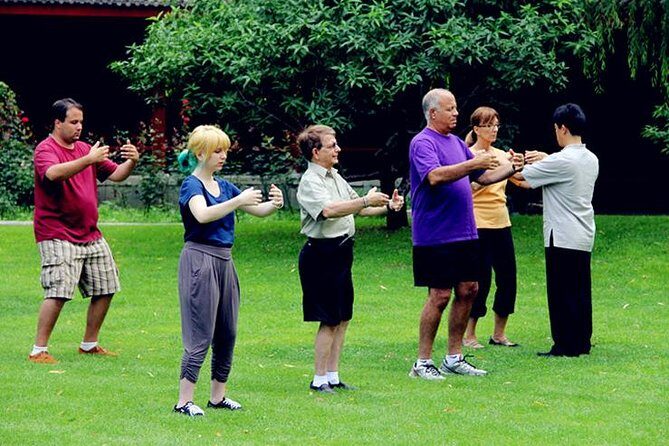
This experience is built for people who are curious about Tai Chi but don’t want a confusing, intimidating class. You get about 1 hour 30 minutes of one-on-one attention. That time is long enough to learn the basics, but short enough that you won’t feel like you need to clear your whole day.
The private format is where your value comes from. In a group setting, you spend time watching and hoping you’re copying right. Here, your instructor can correct your posture, timing, and breathing as you go, then help you understand why the movement feels the way it does.
I also like that you can pick a morning or afternoon slot. That matters in Beijing, where the “weather mood” can change fast. If you’re pairing this with sightseeing, you’ll have an easier time fitting it around your energy levels.
You can also read our reviews of more private tours in Beijing



Tian Tan Dong Lu meeting point and what to bring
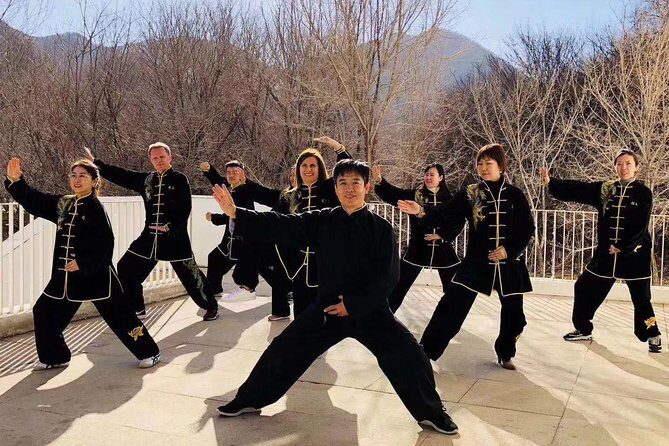
The class starts and ends at the same meeting place: 旻园1 Tian Tan Dong Lu, Dong Cheng Qu, Bei Jing Shi, China, 100061. There’s no hotel pickup or drop-off included, so I’d treat this like a self-guided add-on. Build in time to get there calmly, because arriving stressed is the exact opposite of what Tai Chi is trying to teach you.
Wear comfortable shoes. You’re learning slow movements, but you still need stable footing and a little grip. Avoid anything too stiff or slippery, and don’t dress like you’re going to a formal dinner.
Also keep in mind: the session is for beginners and most people can participate. If you’re traveling with kids, they must come with an adult.
One small practical win: you get a mobile ticket, which helps if your plans shift or you’re juggling multiple activities on your phone.
The lesson starts with Tai Chi culture: Taoism, yin and yang, and Qi
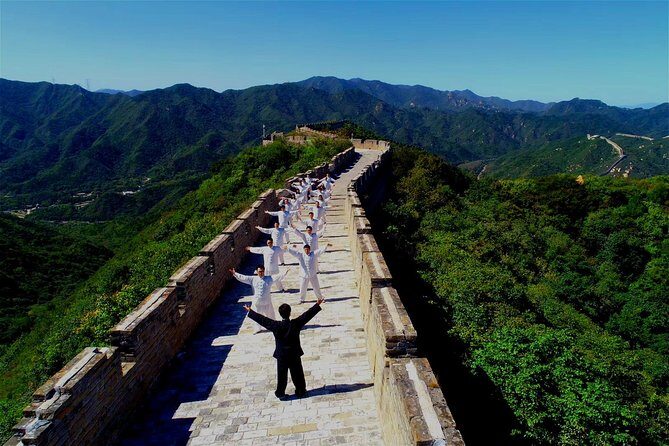
Before your body moves, your instructor explains the meaning behind it. You’ll talk about Tai Chi and its culture, including Taoist thinking around yin and yang. You’ll also hear how the practice aims to cultivate Qi, or life energy, using natural movement, deep breathing, and focused attention.
This is the part I think most first-timers underestimate. Tai Chi isn’t just “slow exercise.” The philosophy shapes how you carry weight, how you breathe, and how you stay relaxed while moving with intention. When you understand the idea, the movements stop feeling random.
You’ll also learn what your instructor calls the foundation of Tai Chi in a step-by-step method. That matters because Tai Chi can look artistic from the outside. Up close, it’s technique. The culture lesson helps you understand what you’re trying to do, not just how to do it.
The 9-step Tai Chi form: where beginners get real progress
In this class, you practice 9 steps Tai Chi form study. That’s a big deal for beginners because you’re not trying to memorize a long sequence right away. Instead, you learn a set of movements with enough repetition to feel changes in your balance and coordination.
The pace is deliberate. You’re learning slow, clear motions that build awareness in your legs, hips, and arms. In a good Tai Chi class, you should feel yourself getting steadier rather than more tired.
Here’s the practical benefit: once you understand the logic of the steps, you can recreate the form later, even without an instructor. That’s how you turn a one-time experience into a skill you can use back home.
And if you’re hoping for something soothing, this is where it happens. The combination of posture, breathing, and focus is what many people describe as relaxing. You’re training the habit of moving without tension.
Standing meditation and push hands: learning connection, not fighting
Your lesson includes standing meditation & push hands experience. Don’t worry—this isn’t sparring or anything aggressive. In beginner classes, push hands is about learning sensitivity and coordination: how to respond, how to stay grounded, and how to move without forcing.
Standing meditation comes first. You work on quiet stillness while keeping your posture stable and your breathing steady. It’s a simple concept, but it’s harder than it sounds. Most people realize quickly that “doing nothing” requires a lot of control.
Then you move into push hands. This is a chance to feel how Tai Chi ideas show up in interaction—how you listen with your body, not just your eyes. Even if you’re a complete beginner, you’ll get a taste of what makes Tai Chi different from other exercise styles.
I like that this part of the class is included because it gives you more than solo movement. It connects your solo practice to real-world body awareness.
A few more Beijing tours and experiences worth a look





Self-massage for pain and stress: practical take-home skills
One of the more useful inclusions is methods of self massage to relieve pain and stress in daily life. Tai Chi teachers often emphasize recovery and body care, and here you get techniques you can apply on your own later.
This isn’t medical treatment, but it can be a helpful routine if you sit a lot, walk a lot, or travel with stiff shoulders and tired legs. The idea is to use gentle pressure and movement to improve comfort, then support your overall practice with better body awareness.
In the lesson, your instructor connects these self-care methods to the same attention you use during Tai Chi: slow, mindful, and focused on what your body is signaling. If you like activities that give you something you can keep doing after the class ends, this is the section that delivers.
English-speaking masters and why the instructor can make or break it
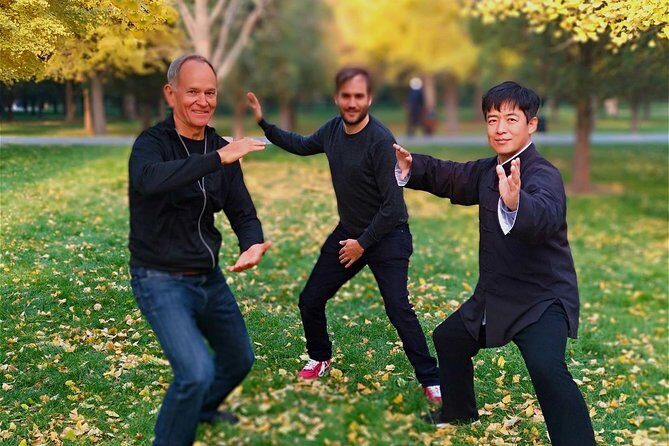
The class is taught by high qualified English-speaking Tai Chi masters, which is key if you want clear explanations of both technique and meaning. Tai Chi instruction can get lost in translation fast. Having an English-speaking guide helps you understand corrections, breathing cues, and the philosophy behind your movements.
One instructor name that pops up in the experience is Eric Liu. People highlight his patience and the way he teaches beginners without making them feel awkward. If you’re the type who freezes when you’re not sure what to do, having someone calm and encouraging matters.
Also, the class isn’t just lecture. You practice and you ask questions, and your instructor can adjust what you work on based on your comfort and progress. That’s the practical difference between reading about Tai Chi and actually learning it in real time.
Price and value: is $58 for a private class a good deal?
At $58 per person for about 90 minutes, the cost is easier to judge once you look at what you’re buying: private attention, English instruction, and a lesson that covers multiple parts.
You’re not just learning one form. The class includes:
- Tai Chi culture (Taoism, yin and yang)
- 9-step form basics
- Standing meditation
- Push hands experience
- Self-massage techniques
- Plus entry is included, and you practice in a structured, beginner-focused way
If you compare private instruction to signing up for a group class, this pricing starts to look fair. You’re paying for time with a teacher who can guide you step-by-step and correct your alignment. That’s what helps beginners avoid building bad habits.
One more value point: this is typically booked around 17 days in advance on average. That tells me it’s popular, and planning ahead helps you lock in a time that fits your trip.
Where to fit this into your Beijing day
Tai Chi is usually best when you’re not rushing. Plan it at a time when you can arrive a little early, settle down, and then move slowly for 90 minutes. That makes it a great mid-trip reset, especially if you’ve been walking around Beijing all day.
If you’re pairing it with sightseeing, think of this class like “active recovery.” It can help your body feel better after busy days, and it gives you a calmer pace to balance the rest of your itinerary.
Also consider your weather tolerance. The experience requires good weather. If you’re visiting in a season when rain or strong winds are common, keep an eye on forecasts and have another activity in your back pocket.
Who should book this Tai Chi class (and who might skip it)
You’ll likely enjoy this class if you:
- are a beginner who wants a simple, step-by-step start
- prefer private instruction over group learning
- want both movement and meaning (forms plus Taoist philosophy)
- like take-home skills, especially the self-massage part
- want a calming activity that still feels structured
You might want to rethink it if:
- you hate activities that depend on good weather
- you don’t want to handle your own route to the meeting point
- you’re looking for intense cardio or high-speed martial arts training (this is slow, mindful practice)
For most people, it’s a nice match for couples, solo travelers, and small groups—especially if someone in your party wants something different from museums and crowded attractions.
Should you book this Beijing private Tai Chi class?
My take: if you’re curious about Tai Chi and you’re a beginner, this class is a strong choice. You get a true private lesson, English guidance, and a full beginner toolkit: 9-step form, meditation, push hands basics, and self-massage techniques. It’s the kind of experience that can change how you feel in your body, not just what you remember from a trip.
Book it if you want calm, skill-building, and something you can repeat later. Skip it only if weather dependence or the lack of pickup will be a headache for your schedule.
FAQ
How long is the Beijing Private Tai Chi Class?
The class lasts about 1 hour 30 minutes.
Where do I meet for the Tai Chi lesson?
The meeting point is 旻园1 Tian Tan Dong Lu, Dong Cheng Qu, Bei Jing Shi, China, 100061. The activity ends back at the meeting point.
Is the class private?
Yes. It’s a private tour/activity, and only your group participates.
What will I learn during the session?
You’ll learn Tai Chi and its culture, 9 steps Tai Chi form study, standing meditation, a push hands experience, and self-massage methods for pain and stress relief.
Do I need to pay for tickets or anything else?
An entrance ticket is included. Food and drinks are not included, and hotel pickup/drop-off is not included.
What’s the cancellation and weather situation?
You can cancel for a full refund up to 24 hours in advance. The experience requires good weather, and if it’s canceled due to poor weather, you’ll be offered a different date or a full refund.