REVIEW · CHENGDU
Dujiangyan irrigation+Mt. Qingcheng or Panda Park Day Tour
Book on Viator →Operated by Real China travel · Bookable on Viator
Water management and pandas in one long day.
I like how this tour mixes two big wow factors: the Dujiangyan irrigation system that’s been working for centuries and the chance to see pandas without fighting a chaotic crowd. I also like that the English guide stays with you all day and actually answers real questions, not just recites notes. The main drawback to plan for is that it’s a 9 to 10 hour day with moderate walking, and key sights have extra admission fees and optional add-ons like the Qingcheng cable car.
You’ll also have route choices. Pick the panda-focused day if you want a calmer panda base, or choose the Mt Qingcheng hike if you want forest trails and viewpoints, then the irrigation system rounds it out in the afternoon. For many people, the value is great—$90 includes your private, air-conditioned car, 1 bottled water per person, and the guide service (for the options that include the guided stops), but you’ll still budget for entry tickets and lunch.
A small but important detail: this is set up as a private tour/activity for your group, so you’re not stuck with random strangers pacing you badly. On the flip side, that convenience usually means you’ll want to move efficiently—bring comfortable shoes and an open mind for a full day.
In This Review
- Key highlights and what they mean for you
- Choosing Between Qingcheng and the Quieter Panda Stop
- Mt Qingcheng: 98% Forest Cover and the Cable Car Choice
- Dujiangyan Panda Park: Easier Viewing and Seeing More Than One Species
- Rongchuangmao Bookstore: Hogwarts-Style Photos Without the Time Sink
- Dujiangyan Irrigation System: Why Ancient Water Tech Still Matters
- Price and Value: What $90 Really Covers (and What It Doesn’t)
- Timing, Transport, and How to Keep the Day Comfortable
- Who This Tour Fits Best (and Who Might Prefer Another Plan)
- Should You Book This Day Tour?
- FAQ
- How long is the day tour?
- What does the $90 per person price include?
- Is pickup included?
- Are entrance fees included?
- Is the Mt Qingcheng cable car included?
- Is lunch included?
- Is this a group tour or a private tour?
- What’s the fitness requirement?
- Do I get tickets on my phone?
- What if I need to cancel?
- How far in advance is it usually booked?
Key highlights and what they mean for you
- English guides with staying power: Guides like Ora and Victor are part of the team and make the day feel clear and organized.
- Two UNESCO areas, one plan: Mt Qingcheng plus Dujiangyan irrigation system connect nature and water engineering.
- Pandas in a quieter setting: Dujiangyan panda base is generally less crowded than the downtown breeding center.
- You can tailor your day: The operator offers multiple options, including private transfer-only routes.
- A fun photo stop that doesn’t feel touristy: Rongchuangmao’s Hogwarts-style bookstore gives you a break and great pictures.
- Still-used ancient water tech: The irrigation system’s impact is the lesson, not just the view.
Choosing Between Qingcheng and the Quieter Panda Stop
This tour is built around choices, and that’s the smartest part. If pandas are your priority and you want easier viewing, the Dujiangyan option works well because the panda base here tends to be less crowded than the well-known downtown alternative. If you’d rather hike and breathe in the mountain air, Mt Qingcheng is the ticket—forested trails, cool shade, and a “green” feel most of the day.
You don’t have to decide blindly, either. The mountain is described as 98% covered by forests, basically an oxygen bar, and it’s also known as the No. 1 mountain in west Sichuan. Meanwhile, Dujiangyan’s panda park time is about slower, calmer panda watching plus the added bonus of seeing both giant pandas and red pandas without feeling rushed.
The irrigation system is the constant thread. No matter which route you take first, it lands in the afternoon, when the day’s pace usually feels most “let’s make sense of it all.” That sequencing helps because the irrigation place becomes more meaningful after you’ve seen the surrounding geography and learned why the system matters.
You can also read our reviews of more tours and experiences in Chengdu.


Mt Qingcheng: 98% Forest Cover and the Cable Car Choice
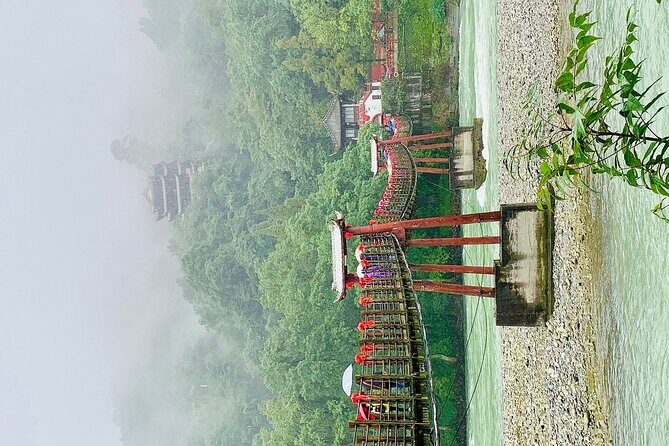
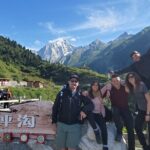
Mt Qingcheng is the kind of place where the basics matter: good shoes, water, and a pace you can hold for a couple hours of walking. The mountain is often described as a forest-heavy climb, with around 98% forest coverage, so expect a shaded, green atmosphere rather than an exposed, sun-baked hike.
You’ll get about 3 hours at the mountain. That’s enough time to feel like you did something, but not so long that the day drags. Admission is not included, and you’ll also have to decide about the cable car. If you want to conserve energy (or your group fitness level is moderate), the cable car is available for an extra fee, listed at USD 9 per person.
One practical tip: don’t treat the cable car as a must or a waste. Treat it as a tool. If you choose it, you’ll likely arrive with more energy for the walk segments you still do. If you skip it, you’ll get a more active, steady mountain rhythm. Either way, the guide’s role is valuable here—they can help you prioritize what to see in the time you have.
Dujiangyan Panda Park: Easier Viewing and Seeing More Than One Species
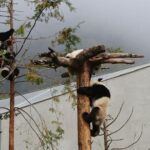
The Dujiangyan panda park stop is about panda time that feels manageable. It’s built for people who want active pandas, but also want to spend their energy watching—not standing in lines. The big advantage is that the Dujiangyan base is generally quieter than the Chengdu downtown breeding center, so you can get closer, wait less, and watch more.
You’ll have about 3 hours here. Admission is extra (USD 8 per person), but the schedule gives you room to actually enjoy it: check the habitats at a comfortable pace, use the guide’s timing suggestions, and keep an eye out for both giant pandas and red pandas. The Red Panda part is an easy win because it adds variety to the day without adding extra hassle.
A detail worth noting for first-time panda fans: Lele, a Singapore-born panda, has been mentioned as a highlight during this kind of visit. Even if you can’t predict which individual will be most active on your day, the park setup and longer viewing time make it more likely you’ll catch memorable moments rather than a quick glance and a photo.
If you’re the type who gets annoyed when sightseeing becomes a race, this stop tends to fit you better than the more famous, more crowded panda option.
Rongchuangmao Bookstore: Hogwarts-Style Photos Without the Time Sink
After Mt Qingcheng or the panda park, there’s a short break stop at Rongchuangmao. It’s a shopping mall with a bookstore designed to look like a Hogwarts-style set, and yes, it’s made for photos. You get about 30 minutes, and admission here is listed as free.
This is a smart “human” stop in an otherwise nature-and-museum-heavy day. You can use the time for a stretch, a bathroom break, and a quick snack or lunch if you want. It’s also an easy way to break up the long travel day so you don’t feel like you’re only moving between tickets and trails.
Is it essential? No. But it’s useful. If you’ve been craving a change of scene and a few fun interior shots, this part does the job without eating your whole afternoon.
Dujiangyan Irrigation System: Why Ancient Water Tech Still Matters
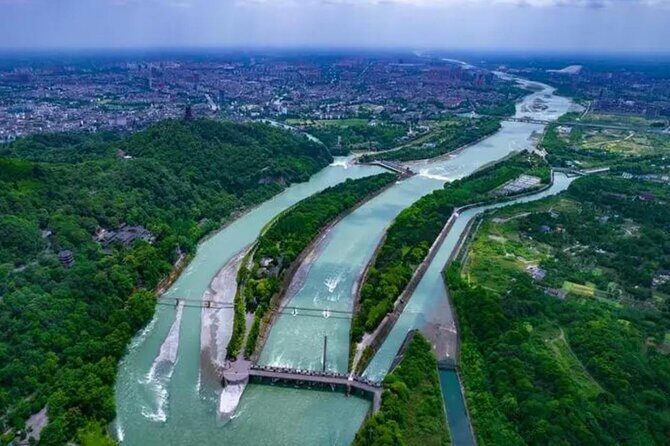
In the afternoon you’ll visit the Dujiangyan irrigation system. This is the real anchor of the day for a lot of people, because it’s not just scenery—it’s a system built to manage water and support Sichuan agriculture. It’s described as an older man-made irrigation system that has benefited Sichuan for nearly 2300 years and is still in use.
You’ll have about 3 hours here. Admission is extra (USD 11 per person), so don’t forget to budget for it. What makes this stop so satisfying is that it connects what you see in the landscape with what you learn about engineering. You start noticing how water flow, channels, and local conditions affect the outcome.
A guide who can explain the logic makes this place much more than a walk through old stones. That’s where strong English interpretation pays off. When your guide can connect details—why this arrangement works, how the system has lasted—you end the visit feeling like you learned something practical, not just toured a landmark.
If you care about sustainability and long-term design, you’ll probably end the day thinking about water systems in a whole new way. Even if you don’t, it’s still one of the most interesting “how does this function?” stops around Chengdu.

Price and Value: What $90 Really Covers (and What It Doesn’t)
The tour price is USD 90 per person. For that you get a private, air-conditioned car and an English guide service for options 1 and 2, plus 1 bottled water per person and government tax. You also get a mobile ticket, which is a small convenience but helpful on a day with multiple entries.
What you should plan for separately:
- Lunch is not included (about USD 5 per person is suggested).
- Cable car on Mt Qingcheng is not included (USD 9 per person).
- Entry fees are not included:
- Dujiangyan Panda Park: USD 8
- Mt Qingcheng: USD 11
- Irrigation park: USD 11
When you put it together, the “real” cost isn’t just the $90. It’s $90 plus admissions plus lunch (and possibly the cable car). Still, the total often feels fair because you’re paying for time, transport, and the guide interpreting two major UNESCO-type sites plus a panda base.
If you’re the independent type, you might think you could do this on your own. You can. But this day is long, and the guided route helps you avoid the common pitfalls: arriving late, missing key viewpoints, or wasting time figuring out what to prioritize. This tour’s value is the coordination and the explanation, not only the ticketed attractions.
Timing, Transport, and How to Keep the Day Comfortable
This is a 9 to 10 hour day, and it’s private for your group, which changes how you should plan. You can’t assume slow pacing. The day is designed to move you efficiently between the mountain, the panda base (if included in your option), the bookstore stop, and the irrigation system.
Pickup is offered, and you’re in a private air-conditioned car. That matters in Sichuan because weather and temperature swings can make outdoor waiting miserable. Here, you’re minimizing the worst parts of travel friction—less time stuck on the road than you’d want, and air-con when you’re not out walking.
You’ll want to pack like it’s an all-day outing:
- comfortable, grippy shoes (for uneven paths and stairs)
- sunscreen or a hat (even forest-covered places can have bright patches)
- a light layer (mountains can feel cooler)
- cash or a ready way to pay for entry fees
The tour includes 1 bottled water per person, but that’s not a guarantee against needing more. On a hot day, you’ll likely want extra water. The guide can help you manage what’s worth buying and when.
Also, keep in mind the fitness note: this tour calls for moderate physical fitness. “Moderate” doesn’t mean extreme, but it does mean you should be ready for walking and stairs.
Who This Tour Fits Best (and Who Might Prefer Another Plan)
This day tour fits you best if you want a structured route with an English guide, especially when your interests overlap: pandas plus mountain nature plus water engineering. It also works well for people who dislike crowds. The Dujiangyan panda base’s quieter feel is a real advantage if you’re tired of shoulder-to-shoulder sightseeing.
You might want to reconsider if:
- you’re extremely short on walking tolerance (you’ll still face some trails and steps)
- you only care about one attraction and don’t want a long day
- you prefer purely self-guided travel where you control every minute
If you’re going to spend the day out of Chengdu and you want the most learning and the least stress, this kind of guided “two UNESCO zones + pandas” plan is often a smart use of a limited trip.
One more point: the operator is clearly aware that the last few years changed the tourism workforce, and they kept more experienced English guides in place. That shows in the feel of the tour—guides like Ora and Victor have been highlighted for English skill and the ability to answer questions about both practical and historical details.
Should You Book This Day Tour?
Yes—if you want a day that’s both scenic and meaningful, and you like your travel with explanations. The combination is the strength: Mt Qingcheng gives you the forest mountain experience, Dujiangyan gives you panda time in a calmer setting, Rongchuangmao adds a quick fun break, and the irrigation system gives you that rare kind of wow where you understand what you’re looking at.
Book it if you can spare a full day and you’re okay paying separate entry fees. If that’s you, this is a solid value because the $90 isn’t just transportation—it’s a guide-led route that helps you get more out of each stop.
If your trip is short and you’re trying to decide between options, choose based on your top priority:
- If pandas are number one, go for the Dujiangyan panda-focused route.
- If the hike and viewpoints matter most, go for Mt Qingcheng first.
- In either case, don’t skip the irrigation system part. That’s the payoff.
FAQ
How long is the day tour?
It runs about 9 to 10 hours.
What does the $90 per person price include?
You get a private air-conditioned car, 1 bottled water per person, government tax, and an English guide service for options 1 and 2.
Is pickup included?
Yes, pickup is offered.
Are entrance fees included?
No. You’ll pay separate admission fees for Dujiangyan Panda Park (USD 8), Mt Qingcheng (USD 11), and the irrigation park (USD 11).
Is the Mt Qingcheng cable car included?
No. The cable car is listed as USD 9 per person if you choose to ride it.
Is lunch included?
No. Lunch is not included, and it’s suggested at about USD 5 per person.
Is this a group tour or a private tour?
This is set up as a private tour/activity, and only your group participates.
What’s the fitness requirement?
You should have moderate physical fitness level.
Do I get tickets on my phone?
Yes, the tour offers a mobile ticket.
What if I need to cancel?
You can cancel for free up to 24 hours before the experience’s start time for a full refund.
How far in advance is it usually booked?
On average, it’s booked about 56 days in advance.