Central hides stories in plain sight. This Heritage Walk in Central district turns famous streets and buildings into a clear timeline you can follow on foot. It’s a compact 3-hour route designed for small groups, with a classic transport moment built in.
I especially like the small group size (max 8). It means you’re not just collecting landmarks—you can ask questions and get answers without the guide constantly rushing the whole pack. I also love the included tram ride, because it links the sights with how Central actually feels day-to-day.
One drawback to consider: admission isn’t included for several stops, and food and drink aren’t part of the tour. So if you want to go inside places or you’re planning to linger, you’ll need a little extra planning and cash.
In This Review
- Key highlights I’d plan around
- Hong Kong Heritage Walk at a glance: what $65.33 buys
- Start smart: meet at Hong Kong General Post Office (9:00am)
- Statue Square: the cityscape before the skyline gets too modern
- St. John’s Cathedral: cultural background in a compact 20 minutes
- Bank of China Tower: hearing stories at street level
- Hong Kong Park: a historical pause near the center
- Central by tram: why one included ride matters
- Soho: old-town feel where the city keeps reinventing itself
- Former Central Police Station Compound: from enforcement to culture hub
- Man Mo Temple: old streets, shops, and a Taoist temple inside daily life
- How the route actually feels: timing, group size, and pacing
- Weather and a note on reliability
- Who should book this Central heritage walk (and who might not)
- Should you book the Hong Kong Heritage Walk?
- FAQ
- How long is the Hong Kong Heritage Walk?
- What is the meeting point for the tour?
- What time does the tour start?
- What’s included in the price?
- What isn’t included?
- Is a tram ride part of the tour?
- How big are the groups?
- Do I need a mobile ticket?
- What is the cancellation cutoff for a full refund?
Key highlights I’d plan around
- Up to 8 people keeps the tour feel personal and question-friendly.
- Iconic tram ride included adds real-world Hong Kong atmosphere.
- A tight Central timeline moves from British-era growth to later 20th-century change.
- Old-meets-new stops include heritage buildings alongside modern skylines and trendy areas.
- Multiple faith and street-life experiences end with a living temple and nearby old-street commerce.
- Mobile ticket means less fuss before you start.
Hong Kong Heritage Walk at a glance: what $65.33 buys
For $65.33, you’re paying for three things that matter on a city walk: a certified guide, a guided route that stays coherent for about 3 hours, and one practical included activity—the tram ride. You’re not just wandering; the guide’s job is to connect the dots between what you see and how Central became Central.
This price can feel like a bargain when you consider Hong Kong isn’t small, and Central landmarks can be spread out across a dense grid. Even if you only remember a handful of stories, the guided structure helps you turn random sightseeing into something that actually makes sense.
Just don’t expect food, drinks, or entrance fees to be covered. The tour is built for walking and short stop-ins, not for a full day of ticketed sightseeing or meals.
You can also read our reviews of more walking tours in Hong Kong SAR

Start smart: meet at Hong Kong General Post Office (9:00am)
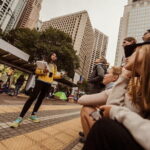
I like that the meeting point is easy to find: Hong Kong General Post Office, 2 Connaught Place, Central. Starting at 9:00am also helps you beat the heavier crowds that can build later in the morning.
Because the tour ends back at the same meeting point, you don’t have to solve the “where do I go next” puzzle at the end. That’s a real value for first-timers in Central—especially if your next plan depends on getting back to a central transit hub.
A small practical tip: wear shoes you can walk in for a few hours. The route is short on paper, but Central’s sidewalks and stairways can still add up fast.
Statue Square: the cityscape before the skyline gets too modern
The walk begins at Statue Square, where you’re set up with the big-picture idea: Hong Kong’s Central has been developing since British rule began in 1841. This stop is less about one building and more about learning how the city’s shape grew with power, trade, and new planning.
What I like about starting here is that it gives your brain a frame. When you later see Western-style buildings, reclaimed waterfront development, and different waves of construction, you’ll understand why the city looks layered instead of chaotic.
The tradeoff is that this part is brief (about 20 minutes). If you prefer long museum-style explanations, you’ll need to keep your questions ready and ask them during the stop rather than expecting lots of time for back-and-forth.
St. John’s Cathedral: cultural background in a compact 20 minutes
Next comes St. John’s Cathedral, another quick stop designed to explain the cultural background behind what you’re looking at. In a city where religion, colonial influence, and migration all shaped daily life, this kind of stop helps you read the area beyond the postcard version.
Even if you only catch an exterior view, the value is the context: you learn how early Western institutions fit into the growth story of Central, and why some landmarks survived as the city changed around them.
One thing to note: admission is not included. If you’re hoping for a longer inside visit, you’ll need to decide on the spot. The tour is structured for short time at each stop, so don’t assume you’ll be able to linger for ticketed access.
Bank of China Tower: hearing stories at street level
At the Bank of China Tower stop, you get a focused moment that mixes finance-era symbolism with the human side of city history. The time here is short (about 10 minutes), but the payoff is learning the kind of stories the skyline carries—especially in a place where older and newer eras sit within walking distance.
This is the part of the walk where Central’s evolution really shows. You’ll look up more than you do at earlier stops, and you’ll start recognizing how new development can still carry “memory”—even when the architecture is modern.
You can also read our reviews of more historical tours in Hong Kong SAR

Hong Kong Park: a historical pause near the center
Then you move into Hong Kong Park for about 15 minutes. This is a chance to slow the pace a bit and connect the city’s outdoor space with its changing urban planning over time.
Parks in dense downtown areas do more than provide shade. They act like breathing room between major streets and landmark clusters, which makes them perfect for a walking tour: you get a visual break and time to regroup your attention.
Again, admission isn’t listed as included here. So if there are specific areas you want to enter, treat that as optional rather than guaranteed.
Central by tram: why one included ride matters
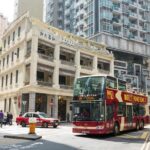
The walk then turns practical with the iconic tram segment through Hong Kong Island’s core. The tram ride is included, and it’s free as part of the tour’s inclusions.
I love this moment because it changes the speed of the day. Instead of just stepping from place to place, you experience Central as a living transit corridor. The tram also gives you a moving vantage point—something photos can’t fully replace.
If you’re the type who likes “how people actually move around” more than just “what’s the landmark,” this is one of the strongest reasons to book.
Soho: old-town feel where the city keeps reinventing itself
Next is Soho, scheduled for about 30 minutes. This is where the heritage learning starts to play against today’s Central lifestyle—streets you can browse, storefront energy, and the sense that old urban fabric and modern nightlife can sit side by side.
What makes Soho a smart stop on a heritage walk is that it forces you to look at street rhythm: entrances, shopfront placement, and how neighborhoods evolve without vanishing completely.
If you enjoy wandering with purpose, use this stop to move slowly and look up at building edges and street corners. The tour gives you enough time to notice details, but not so much that you get lost.
Former Central Police Station Compound: from enforcement to culture hub
One of the more interesting stops is the Former Central Police Station Compound, where you learn about Tai Kun, a police compound turned cultural hub. You’ll spend about 30 minutes here, which is long enough to get past surface-level “this used to be that” and into the idea of reuse—how old structures find new meaning.
I like this stop because it’s a break from purely “architectural postcard” heritage. Instead, it’s heritage as a living system: a building that once represented authority now contributes to arts and culture.
Admission isn’t included, so if any part of the compound has ticketed areas, plan to treat those as optional additions. The tour is built to keep you moving and still give you a solid story.
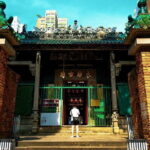
Man Mo Temple: old streets, shops, and a Taoist temple inside daily life
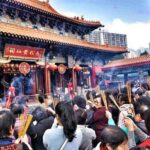
The final big stop is Man Mo Temple, with about 45 minutes. This is the longest scheduled stop, and it’s placed at the end for a reason: you finish with a heritage site that’s active and surrounded by normal street life.
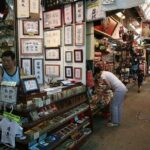
Here’s what you can expect: older streets and shops in the area, plus a Taoist temple that exists among trendy cafes and restaurants. That mix is exactly what makes Central feel like Central—layers of time you can’t separate.
Because this stop is longer, you can do what you want with your time:
- linger for temple atmosphere
- browse nearby streets and storefront energy
- take your photos without the whole group getting impatient
As with other stops, admission isn’t included. Still, even without ticketed access, the street-level experience and guided context are the point.
How the route actually feels: timing, group size, and pacing
This tour is built around short segments: most stops clock in around 10–30 minutes, and you’ll walk between them. That pacing works well in Central because you’re constantly switching “modes”—from landmark looking to story listening to brief breaks for photos.
Group size matters here. With a maximum of 8 people, you’re less likely to feel like you’re being dragged. It also makes it easier for the guide to adjust pace if someone has questions about a building’s era or why the area looks the way it does.
You’ll also want to plan around the fact that the tour doesn’t include food or drink. Even if you don’t get hungry, you’ll want water in humid weather. Bring a small bottle and maybe a light snack for after, not during.
Weather and a note on reliability
This experience requires good weather, and it may be canceled due to poor conditions with the option for a different date or a full refund. So if you’re scheduling other plans around it, keep some flexibility.
One more reality check: I saw a reported situation where a booking didn’t end up with a guide showing at the start. It’s the kind of problem you can’t predict, but you can reduce stress by keeping your confirmation message accessible and having your contact info for the operator handy. That way, if anything goes sideways, you can fix it quickly.
Who should book this Central heritage walk (and who might not)
This is a strong fit if:
- you’re short on time but want an organized Central overview
- you like stories that explain why the skyline and streets look layered
- you want an included tram moment instead of trying to schedule one yourself
- you prefer small-group walking with a certified guide
You might skip it if:
- you want a long, ticketed sightseeing day with multiple indoor admissions
- you don’t enjoy walking in busy, dense areas
- your schedule is so tight that a weather-based reschedule would be a nightmare
Should you book the Hong Kong Heritage Walk?
If you want a smart, guided Central orientation that ties colonial-era development to modern Hong Kong in a walk you can finish in the morning, I’d book it. The included tram ride gives you a genuine sense of place, and the route focuses on recognizable landmarks plus street-level heritage at the end.
If you’re the type who expects every stop to include entry fees and time to linger inside, adjust your expectations. Treat admissions and food as extra—then the tour becomes excellent value for the time and structure you get.
FAQ
How long is the Hong Kong Heritage Walk?
The tour is approximately 3 hours.
What is the meeting point for the tour?
You’ll meet at Hong Kong General Post Office, 2 Connaught Pl, Central, Hong Kong.
What time does the tour start?
The start time is 9:00 am.
What’s included in the price?
The included items are a tram ride and a certified guide.
What isn’t included?
Food and drink are not included, and admission tickets are listed as not included for stops along the way.
Is a tram ride part of the tour?
Yes. The tour includes a tram ride, and the Hong Kong Island tram segment is listed as free.
How big are the groups?
The tour has a maximum of 8 travelers.
Do I need a mobile ticket?
Yes, the tour uses a mobile ticket.
What is the cancellation cutoff for a full refund?
You can cancel up to 24 hours in advance of the experience for a full refund.