REVIEW · HONG KONG SAR
Small-Group Tour: Hong Kong Local Markets Hopper [PROMOTION]
Book on Viator →Operated by Breakaway Travel International Ltd. · Bookable on Viator
Hong Kong’s markets feel alive at walking speed. This half-day small-group market walk threads through some of Kowloon’s most everyday shopping streets, with a licensed English-speaking guide pointing out what’s actually special about Hong Kong’s food culture, produce, and street life. I especially like the tight walking route through narrow aisles and the way the stops stack so you learn a lot without spending the whole afternoon in transit.
One watch-out: the tour needs good weather. If rain or poor conditions hit, you can end up with a shorter outing, so don’t schedule anything too rigid right after the tour.
In This Review
- Key Highlights You’ll Actually Feel on the Walk
- Prince Edward to Mong Kok: A 4-Hour Market Route That Makes Sense
- Flower Market Road: 50 Shops, Houseplants, and Quick Photo Magic
- Bird Garden Yuen Po Street: Melodious Chirping and One Stop That Can Change
- Fa Yuen Street Market: Bargains That Feel Like Everyday Hong Kong
- Goldfish Street (Tung Choi Street): Weird Finds, Tropical Color, and Coral Tanks
- Yau Ma Tei Fruit Market and the Century-Old Wholesale Scene
- Jade Market: Pendants, Bracelets, and Why Jade Is More Than Decoration
- Temple Street Night Market: The Lively Finale That Changes the Mood
- Price and Value: What $114.94 Gets You in Market Time
- What to Expect When You Walk: Shoes, Pace, and a Few Smart Moves
- Should You Book This Hong Kong Local Markets Hopper?
- FAQ
- How long is the Hong Kong Local Markets Hopper tour?
- Where does the tour start and end?
- What markets are included on the route?
- Are any admission tickets included?
- What’s included in the price?
- What if the tour is canceled due to poor weather?
Key Highlights You’ll Actually Feel on the Walk
![Small-Group Tour: Hong Kong Local Markets Hopper [PROMOTION] - Key Highlights You’ll Actually Feel on the Walk](https://b.thechinatraveler.com/wp-content/uploads/small-group-tour-hong-kong-local-markets-hopper-promotion-1.jpg)
- Up to 15 people keeps the pace human and the questions easy in crowded lanes
- Flower Market Road is a wall of color and scent across about 50 shops
- Bird Garden Yuen Po Street brings you face-to-face with 70+ songbird stalls and nonstop chirping
- Goldfish Street (Tung Choi Street) is wild in the best way, from weird goldfish to tropical species and saltwater setups
- Jade Market includes the local belief that jade helps ward off evil spirits
- Temple Street Night Market caps the route with Hong Kong’s lively night-market atmosphere
Prince Edward to Mong Kok: A 4-Hour Market Route That Makes Sense
![Small-Group Tour: Hong Kong Local Markets Hopper [PROMOTION] - Prince Edward to Mong Kok: A 4-Hour Market Route That Makes Sense](https://b.thechinatraveler.com/wp-content/uploads/small-group-tour-hong-kong-local-markets-hopper-promotion-2.jpg)
This is a 4-hour walking tour that starts at 2:00 pm in Prince Edward and ends in Mong Kok. That timing is smart. You get daylight for the markets that show best in natural light (flowers, jade, goldfish, fruit), then you naturally roll into the night-market vibe for Temple Street.
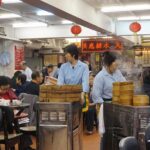
The “small-group” part is more than a marketing line. Hong Kong’s market streets are narrow, and stalls can get tight fast. When you’re with a larger group, you end up walking single-file and asking questions only when there’s space. With a group capped at no more than 15, you can actually look, linger, and still keep moving.
Price-wise, this runs $114.94 per person. For me, the real value is that you’re paying for a licensed guide plus a route that strings together multiple local markets in one logical afternoon. You also get bottled water (one per person) and free entry tickets for the listed stops, which quietly cuts costs.
You can also read our reviews of more tours and experiences in Hong Kong SAR.
Flower Market Road: 50 Shops, Houseplants, and Quick Photo Magic
Flower Market Road is the kind of first stop that resets your brain. Instead of easing in with something generic, you step straight into a sea of color—flowers, fragrant scents, and houseplants sold as luck-bringing items. You’re walking through an area with around 50 shops, so you’re not just seeing a single row. You’re getting variety fast.
What I like here is the sensory punch. It also makes a great warm-up for the rest of the walk because you’re already in market-mode: look around, compare, and learn how vendors present items.
A practical consideration: flowers and plants can mean strong smells and lots of visual detail. If you’re sensitive to scent, take your time for the first few minutes and don’t feel pressured to crowd close to displays.
If you want a simple strategy, do this: pause at the edges where you can see the full street picture, then walk toward the densest sections when you feel ready to slow down.
Bird Garden Yuen Po Street: Melodious Chirping and One Stop That Can Change
![Small-Group Tour: Hong Kong Local Markets Hopper [PROMOTION] - Bird Garden Yuen Po Street: Melodious Chirping and One Stop That Can Change](https://b.thechinatraveler.com/wp-content/uploads/small-group-tour-hong-kong-local-markets-hopper-promotion.jpg)
Next up is Bird Garden Yuen Po Street, a Chinese-style garden where you hear melodious chirping from 70+ songbird stalls. This is one of the most distinctive stops because it’s not just what the vendors sell—it’s the soundscape. Even if you’re not a bird person, it’s memorable. It feels like entering a different kind of market.
This is also the stop where you may notice real-life variability. On at least one occasion, this stop was reported closed due to a health scare, and the rest of the tour continued. Translation for your planning: don’t build your entire schedule around this one moment. The guide can help adapt when a specific market isn’t operating.
For you, the best move is to treat Bird Garden as part of the day’s flow, not as a must-see item you can’t miss. If it’s open, enjoy the atmosphere. If it’s not, you’re still moving through the same neighborhood market culture.
Fa Yuen Street Market: Bargains That Feel Like Everyday Hong Kong
Fa Yuen Street Market is a popular local street market selling bargain-priced items—clothes, bags, accessories, and household items. This stop feels less like a curated attraction and more like a real shopping street where residents come for practical purchases.
What I love about this kind of stop is the contrast. Earlier you’re seeing flowers and symbolism. Then you get a different angle on daily life: utility goods, quick browsing, and the hunt for value.
The downside is also typical of any bargain market: selection can be hit-or-miss. Sizes and styles may not match what you want. If you go in expecting to buy something specific—like a certain bag size—you might leave frustrated. If you go in expecting to browse and soak up the local rhythm, you’ll enjoy it more.
A small tip: keep your wallet and phone secure. Narrow aisles plus street traffic means you’ll want to stay aware without letting it ruin the fun.
Goldfish Street (Tung Choi Street): Weird Finds, Tropical Color, and Coral Tanks
![Small-Group Tour: Hong Kong Local Markets Hopper [PROMOTION] - Goldfish Street (Tung Choi Street): Weird Finds, Tropical Color, and Coral Tanks](https://b.thechinatraveler.com/wp-content/uploads/small-group-tour-hong-kong-local-markets-hopper-promotion-4.jpg)
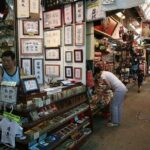
Goldfish Street is one of those places where your curiosity does half the work for you. You’ll see shops focused on raising different types of goldfish—from strangely shaped fish to colorful tropical species. What adds extra wow-factor is the presence of saltwater aquarium setups with coral.
I find this stop especially fun because it invites you to look closely. You’re not just seeing products on shelves—you’re seeing living systems. That makes the whole area feel like a working specialty market, not a generic souvenir lane.
Potential drawback: it can be visually busy. If you’re overwhelmed easily, give yourself a pattern. For example: scan top to bottom once, then pick two or three tanks to study longer. That keeps it enjoyable instead of exhausting.
Also, this is a good area for photos, but try to be respectful. Keep your camera pointed at displays rather than hovering near staff.


Yau Ma Tei Fruit Market and the Century-Old Wholesale Scene
![Small-Group Tour: Hong Kong Local Markets Hopper [PROMOTION] - Yau Ma Tei Fruit Market and the Century-Old Wholesale Scene](https://b.thechinatraveler.com/wp-content/uploads/small-group-tour-hong-kong-local-markets-hopper-promotion-5.jpg)
The Yau Ma Tei fruit market connects you to the wholesale side of Hong Kong—fast-moving, practical, and built for supply. It’s paired with the Yau Ma Tei Theatre, described as the oldest existing theater in Kowloon. The market is also called a century-old wholesale market, which helps explain why you feel the neighborhood’s commercial heartbeat here.
For me, this stop is valuable because it adds context. You see produce in a market that has a history of moving goods, not just selling retail browsing. It also ties neatly into the tour’s bigger theme: Hong Kong’s culinary culture isn’t only about restaurants. It’s about where ingredients come from and how people shop day to day.
One consideration: produce markets can be humid, and the air can vary depending on the time of day and vendor setup. Wear breathable clothing and don’t plan to do anything that requires dry, pristine comfort right after.
If you like cooking at home, this is a good place to mentally note what fruits and produce looks like when it’s being traded at wholesale—because it often differs from what you see in tourist-facing markets.
Jade Market: Pendants, Bracelets, and Why Jade Is More Than Decoration
Jade Market is where symbolism becomes something you can physically point at. You’ll find more than 400 stalls selling jade pendants, bracelets, and ornaments, and you’ll hear why Chinese belief includes the idea that jade wards off evil spirits.
I like this stop because it gives meaning to what you’re seeing. A lot of market tours stop at products. Here, you get the reason people keep returning to jade—not only for style, but for protection beliefs and cultural identity.
The potential drawback is simple scale. More than 400 stalls sounds impressive, but it can also feel like information overload. When you hit dense areas like this, it helps to focus on one category: pendants first, then bracelets, then ornaments. That keeps your brain from spinning.
If you’re thinking about buying jade, take your time. Don’t feel rushed by crowds or sales pressure. Compare a couple stalls, look closely at how items are finished, and decide what feels right in your budget and comfort level.
Temple Street Night Market: The Lively Finale That Changes the Mood
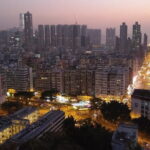
The tour ends at Temple Street Night Market, described as the liveliest night market in Hong Kong. You’ll spend about 45 minutes here, which is enough time to feel the energy without turning it into an all-night commitment.
This is the best stop to go camera-ready. Temple Street is the kind of place where neon, signs, and street stalls create instant photo opportunities. It’s also where you can slow down and just be in the scene.
Because this is a night market, you’ll want to balance browsing with energy levels. After several earlier stops, this is where people often want to linger and snack or shop. The tour doesn’t include food/drinks you might buy, so if you’re hungry, you’ll need to plan for what you choose on your own.
If your goal is souvenirs, this is usually the place where prices and variety tempt you the most. If your goal is atmosphere and photos, you can also keep it simple: look first, buy last—or not at all.
Price and Value: What $114.94 Gets You in Market Time
At $114.94 per person for about 4 hours, this is priced like a guided neighborhood experience rather than an all-day excursion. For the money, you’re essentially paying for three things:
- A licensed English-speaking guide who helps connect what you see to culture and local produce
- A route that strings together multiple markets so you don’t waste time figuring out the order
- Included basics like bottled water and free entry tickets for the listed stops
It’s not the cheapest option if you’re planning to wander on your own. But you’re paying to spend your limited afternoon time well. Market walking can be confusing if you don’t know what to look for. A guide helps you notice details you’d normally skip, especially at stops like Jade Market and Goldfish Street where the background meaning matters.
One more thing: the tour lists a 60th Anniversary promotion that includes a free upgrade to a private tour. That’s a potential value boost, especially if you prefer more room to move, ask questions, or customize your pace.
What to Expect When You Walk: Shoes, Pace, and a Few Smart Moves
This tour is described as requiring moderate physical fitness, which makes sense. You’re walking through market streets, around stalls, and in tight lanes. Even if it’s not a long distance day, it can feel busy and stop-and-go.
Here’s what I’d do before you go:
- Wear comfortable shoes with grip
- Bring a light layer. Markets can be warm from crowds and close quarters
- If weather looks questionable, treat it like a wet-streets day. You’ll feel it fast
- Have a simple plan for the end of the tour since it finishes in Mong Kok
Mobile ticketing and a small-group cap make the experience easier to handle, but you’ll still want to stay alert around crowds. You’re not just sightseeing—you’re moving with the flow of real shopping neighborhoods.
Also, the tour starts in Prince Edward and ends in Mong Kok. Transportation from your hotel isn’t included, so budget your MTR/taxi time accordingly.
Should You Book This Hong Kong Local Markets Hopper?
Book it if you want a focused way to see how Hong Kong shopping actually works—flowers in bulk, birds in songbird stalls, bargain street finds, goldfish specialty shops, wholesale produce energy, jade symbolism, and a night-market finale. The stops are varied enough to keep you interested the whole way, and the small group format helps you feel less like a human breadcrumb and more like an active observer.
Skip or rethink if you’re scheduling a tight timeline around weather. This experience is described as requiring good weather, and one reported departure shortened when conditions weren’t right. Also, if you hate walking through crowded lanes, market streets may wear you out faster than a museum-style day.
One final booking tip: this tour is often reserved about 62 days in advance, so if you’re traveling during a busy season or want a specific afternoon start, don’t wait until the last minute.
FAQ
How long is the Hong Kong Local Markets Hopper tour?
It lasts about 4 hours.
Where does the tour start and end?
It starts in Prince Edward (2:00 pm) and ends in Mong Kok (near Mongkok MTR Station).
What markets are included on the route?
The tour stops at Flower Market Road, Bird Garden Yuen Po Street, Fa Yuen Street Market, Goldfish Street (Tung Choi Street), Yau Ma Tei Fruit Market, Jade Market, and Temple Street Night Market.
Are any admission tickets included?
Yes. The stops list admission ticket free for each of the listed market locations.
What’s included in the price?
Included are one bottled water per person, a friendly professional licensed English-speaking guide, and a 60th Anniversary promotion offering a free upgrade to a private tour.
What if the tour is canceled due to poor weather?
If it’s canceled due to poor weather, you’ll be offered a different date or a full refund.