REVIEW · HONG KONG SAR
Tram & Treats – Private Culinary tour of Hong Kong
Book on Viator →Operated by Ashley M Hong Kong Private Tours · Bookable on Viator
Hong Kong tastes better when you ride local transport first. Tram & Treats lets you move around the city on the Ding Ding double-decker tram, then hop into markets and classic eateries with a private guide. It’s especially good for first-timers who want a fast sense of neighborhoods without getting lost.
I especially like the 10 included tastings across multiple stops, so you’re not stuck paying for each snack as you go. I also like the way the tour ties food to place: Sai Ying Pun markets, Mid-Levels history on the escalators, and then Sheung Wan and Wan Chai for dumplings, pastries, and cha chan teng treats. One thing to consider: you should plan on moderate walking, and the tour runs best with good weather.
In This Review
- Key Highlights You’ll Actually Feel
- Why This Tram-and-Treat Plan Works in Hong Kong
- Price: What You’re Paying For (and Where the Value Comes From)
- The Starting Zone: Sai Ying Pun Markets and Dim Sum in a Century-Old Tea House
- Ding Ding Double-Decker Tram Rides: Easy Orientation in 3–4 Segments
- Mid-Levels Escalator Stop: Herbal Tea Traditions and Craft Beer Pairing Energy
- Sheung Wan and the Michelin-Style Shrimp Dumplings Moment
- Central’s Architecture Walk: From Victoria City History to Today’s Skyline
- Wan Chai Wet Market Energy: Pastries, Cha Chan Teng Drinks, and a Dessert Finish
- Your Private Guide: The Difference Between Eating and Understanding
- What the Walking Feels Like (and How to Prepare)
- Timing, Tickets, and Where You Meet the Tour
- Who Should Book Tram & Treats (and Who Might Skip It)
- Should You Book This Tour?
- FAQ
- Where does the Tram & Treats tour start?
- How long is the tour?
- What food and drink is included in the price?
- Are tram rides included?
- Is pickup available?
- Is this tour private?
- What’s the cancellation policy and what happens with bad weather?
Key Highlights You’ll Actually Feel
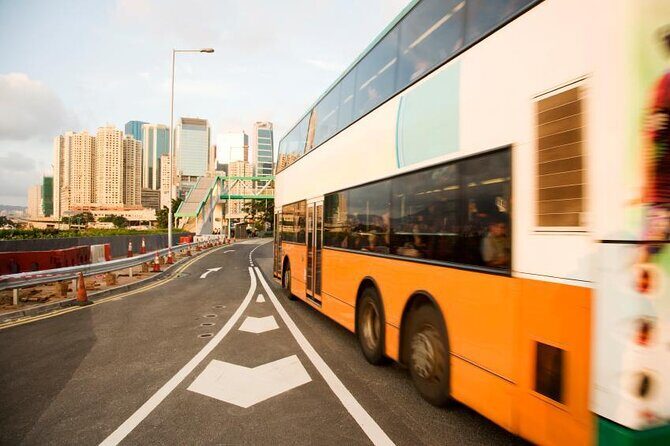
- Ding Ding tram hops: a few short rides (about 5–10 minutes each) that make the route feel easy and local.
- 10 tastings included: dim sum, herbal tea, craft beer, shrimp dumplings, and more snacks/drinks.
- Private guide in fluent English: you’ll get practical in-the-moment guidance plus post-tour recommendations.
- Markets for ingredient context: you’re not only eating; you’re learning what you’re looking at.
- Central-to-Wan Chai flow: colonial streets, skyscraper views, then wet-market and old temple energy.
Why This Tram-and-Treat Plan Works in Hong Kong
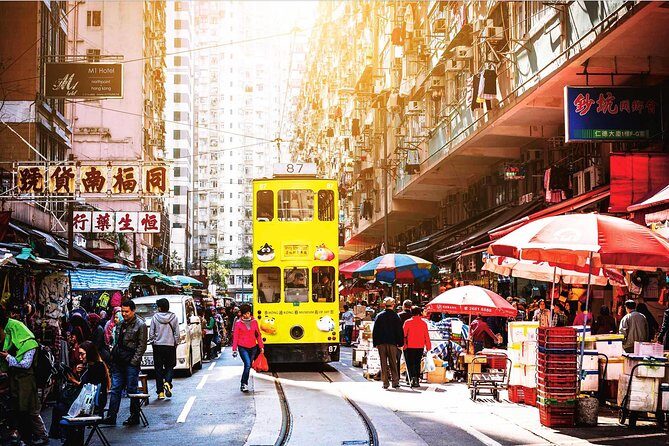
Hong Kong can feel like a puzzle at first: steep streets, different neighborhoods, and transit that’s fast but not always obvious. This tour solves a big part of that by building your food stops around public transit you’ll actually see locals using—especially the double-decker tram.
What I like about this setup is that it keeps you moving without forcing you into long, exhausting transfers. You get short tram rides, escalator time, and walking that’s spread across the route. One review also highlighted the variety of how they got around—ferry, tram, covered walkways, and escalators—so the day has a real sense of Hong Kong travel, not just restaurant-hopping.
The other key value is that your guide isn’t only translating menus. You get ingredient context at the market stops, and you learn how these foods fit Hong Kong’s everyday life. It’s a smart shortcut: you eat, you ask questions, and then you leave with better instincts for what to order the rest of your trip.
You can also read our reviews of more private tours in Hong Kong SAR



Price: What You’re Paying For (and Where the Value Comes From)
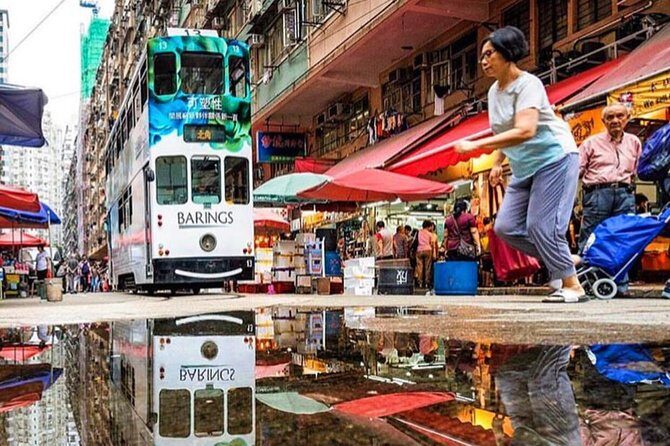
At $250 per person, it’s not a bargain tour. But you’re paying for a private guide, multiple stops, and a bundled food-and-drink program.
Here’s where the value shows up:
- Private guide in fluent English during the tour.
- 10 tastings are included (so you’re not guessing what you’ll spend during the experience).
- Tram time is built in: you’ll ride the Hong Kong Tramways (Ding Ding) for several short segments.
- Several tasting-focused stops are included, including Mid-Levels and Sheung Wan, plus Wan Chai pastry and drinks.
Also, the tour is flexible at the end point: you can potentially finish at a location connected to what you want to do next. That can matter a lot if you’re planning a day around a show, a dinner reservation, or a harbor-side walk.
Just keep one detail in mind: extra purchases aren’t included. The tour tastings are covered, but if you want more food/drinks beyond what’s in the plan, you’ll pay for that separately.
The Starting Zone: Sai Ying Pun Markets and Dim Sum in a Century-Old Tea House
You begin in Sai Ying Pun, at Sai Ying Pun Station Exit A1. This area is a good choice for kicking off a food day because you get local market atmosphere early—before you’ve filled up on heavier dishes.
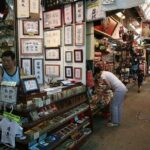
At the first stop, you’ll walk through lively local markets and get help with what you’re seeing. That part is practical. Instead of only asking what something tastes like, you learn what ingredients are doing in Hong Kong cooking and why certain items show up again and again.
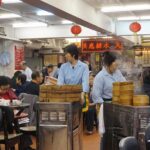
Then comes the main bite: tastings of homemade traditional dim sum in a century-old tea house. Dim sum is one of those foods where the difference between decent and great can be huge, and the tea house setting adds more than mood—it supports the idea that this is food with routine, not just food for tourists.
Why this stop is a strong opener:
- You start with a skill-based food (dim sum), so you can later recognize what you like.
- You’re learning while you’re eating, which makes it easier to order confidently later.
- You get local market context right away instead of after you’ve already made your choices.
Possible drawback: if you’re not a fan of dim sum textures or you prefer only sweet snacks, this start might still be delicious but more savory-forward than you expect.
Ding Ding Double-Decker Tram Rides: Easy Orientation in 3–4 Segments
After Sai Ying Pun, the plan shifts to the Hong Kong Tramways (Ding Ding). You’ll take 3–4 rides, each around 5–10 minutes. That short format matters because it keeps the energy up. You’re not stuck on a long transit block, and the tram ride works like a moving viewing deck over the streets.
There’s also a “get your bearings fast” effect here. Hong Kong’s neighborhoods are distinct, and the tram is one of the simplest ways to sense that layout. You see the rhythm of street life without the stress of constant transfers or complex routes.
This is a smart move for first-timers. You don’t need to understand every line on a subway map to enjoy your day—you just hop on when the guide says and trust the flow. One review even described appreciating the mix of transport modes across the day, which is exactly what this tram segment sets up.
One thing to consider: you’ll be on public transport with other riders, so come prepared for some normal city motion and crowd noise. That’s part of the authenticity, but it’s good to know in advance.
Mid-Levels Escalator Stop: Herbal Tea Traditions and Craft Beer Pairing Energy

Next you’ll visit the Mid-levels Escalator area. The tour frames it around a century-old recipe for healthy herbal tea, and then the stop turns into something more modern with tastings of fine local craft beers.
This is a fun pairing because it shows a real Hong Kong pattern: tradition and trend share space. Herbal tea is familiar and long-running, while craft beer signals how Hong Kong drink culture keeps evolving.
What makes this stop valuable is the contrast:
- You taste something rooted in everyday wellness culture.
- Then you shift into a beer tasting moment where you can learn what locals might be excited about right now.
Also, the Mid-Levels escalator area is a classic visual landmark. Even if you don’t care about the food for a second, it’s a memorable way to experience how Hong Kong moves vertically—because life here isn’t flat.
Potential consideration: if you don’t drink alcohol at all, the stop includes craft beer tastings. The tour description says tastings are included; it doesn’t specify alternatives, so you’ll want to communicate your preferences in advance so the guide can steer you toward what works for you.



Sheung Wan and the Michelin-Style Shrimp Dumplings Moment
Sheung Wan is where the tour leans into a specific, high-expectation food: shrimp dumplings with broth, described as a masterpiece. It’s a short stop, but it’s focused—about 30 minutes for that tasting experience.
Why this matters in a Hong Kong food tour:
- Dumplings here are about more than filling. The broth and texture are part of the skill.
- Sheung Wan is a neighborhood where food is practical, not precious. You’re likely to feel like you’re eating in the same rhythm as everyone else nearby.
The drawback is also obvious: if dumplings and broth aren’t your thing, this will be your least flexible tasting. But if you’re curious about what “best-in-class” can taste like for this style of dish, this is one of the most compelling stops on the schedule.
Central’s Architecture Walk: From Victoria City History to Today’s Skyline
In Central, the tour slows down into context. You’ll learn about the history and culture of the old Victoria City while moving through an area that mixes old colonial architecture with modern skyscrapers.
This isn’t just sightseeing for sightseeing’s sake. When you understand how Central grew, it’s easier to interpret why certain foods, tea culture, and neighborhood patterns show up where they do. Hong Kong’s food story is tied to migration, trade, and how people lived and worked—so a short cultural walk adds real meaning to what you ate earlier.
You get about 45 minutes here, with admission listed as free for this segment. That’s also good value: you’re not paying for an attraction ticket, but you still get guided interpretation.
The only consideration: if your main goal is nonstop tasting, Central may feel more like walking and storytelling than eating. It’s still worth it because it sets the stage for the emotional mood shift toward Wan Chai afterward.
Wan Chai Wet Market Energy: Pastries, Cha Chan Teng Drinks, and a Dessert Finish
The day ends in Wan Chai, but don’t expect a quiet landing. You’ll visit a lively wet market and also see a colourful old temple nearby. Then you’ll move through local bakeries and cafes for signature flavors in the cha chan teng tradition, finishing with dessert.
This is where the tour feels most Hong Kong in the day-to-day sense: markets where you can smell what’s being sold, casual cafes where locals drop in for drinks and snacks, and a dessert moment that makes sense after all the savory.
The stop lasts about 1 hour, and admission is included. That means this is one of your more “food-forward” ending blocks, especially if you like sweet and milky tea styles or pastry textures.
If you’re picky about desserts, it’s still manageable because this portion is described as pastries and signature drinks, not one single item that must be loved. Still, you’ll want to tell your guide what you do and don’t like—like any bakery stop, taste varies.
One practical note: the tour end point is flexible, and it can be set at a location connected to what you plan next. If you’re heading to dinner nearby or want to continue your own exploration, that flexibility helps.
Your Private Guide: The Difference Between Eating and Understanding
This tour is built around a private guide, and the guide quality shows up repeatedly in the feedback. The provider is listed as Ashley M Hong Kong Private Tours, and reviews also mention a guide named Kiyo delivering an amazing day.
The consistent theme: guides are responsive and adaptable. One account described the guide contacting in advance with clear expectations and instructions for the day. Another praised the guide for walking through multiple transit and landmark areas—then helping guests try items they hadn’t heard of before.
That matters for you because Hong Kong food decisions get harder when you’re tired. A private guide removes the guesswork:
- You don’t have to decode menus on the spot.
- You can ask why something is paired the way it is.
- You get recommendations afterward, which helps you plan the next meal rather than guessing again tomorrow.
Also, the tour includes pre-trip information and a detailed summary afterward. That’s useful if you’re moving on to other areas of Hong Kong and want a short list of what to do next.
What the Walking Feels Like (and How to Prepare)
The tour says it suits people with moderate physical fitness. Reviews also point out there can be considerable walking, with multiple layers of transit and street movement.
So I’d plan like this:
- Wear comfortable shoes with good grip.
- Expect some stairs and steep city bits as you move between transit, markets, and eateries.
- Bring a light layer if you’re sensitive to air-conditioning inside tea houses and cafes.
If you’re traveling with mobility limits, check in before booking. The tour runs on public transportation and includes walking, so it may not match everyone’s comfort level.
Timing, Tickets, and Where You Meet the Tour
The tour is scheduled between 9:00 AM and 1:00 PM (daily), and it’s roughly 4 hours 30 minutes long.
You’ll meet at Sai Ying Pun Station Exit A1, Sai Woo Ln, Sai Ying Pun. The end point is Wan Chai, though it can be adjusted based on your next plans, as long as you’re staying near connections you can use after the tour.
You’ll likely use a mobile ticket, and pickup is offered. The exact pickup details aren’t spelled out here, so if you need it, confirm during booking.
Who Should Book Tram & Treats (and Who Might Skip It)
This tour is a strong match for:
- First-timers who want a neighborhood-spanning taste of Hong Kong without planning the route themselves.
- Foodies who like variety: dim sum, herbal tea, craft beer, dumplings, pastries, and classic cafe drinks.
- Travelers who enjoy public transport as part of the experience, not as a chore.
It may be less ideal if:
- You want an entirely low-walking, minimal-transit day.
- You don’t want alcohol tastings (craft beer is part of the included tastings).
- You’re traveling with only a very strict food preference and you don’t want to adjust on the fly.
Should You Book This Tour?
If you want a Hong Kong day that’s structured, delicious, and tied to real neighborhoods, I’d say yes. The biggest strengths are the included tastings, the private guide, and the way the Ding Ding tram plus Mid-Levels escalators make the city feel understandable fast.
At $250, it’s a meaningful spend. But you’re buying a guided, multi-stop food day where tastings are handled and you get recommendations afterward—so you can spend less time deciding what to eat next and more time enjoying the rest of your trip.
FAQ
Where does the Tram & Treats tour start?
The tour starts at Sai Ying Pun Station Exit A1, Sai Woo Ln, Sai Ying Pun, Hong Kong.
How long is the tour?
The tour lasts about 4 hours 30 minutes.
What food and drink is included in the price?
You get 10 tastings of local food and drink during the tour. The stops include dim sum, herbal tea, craft beer tastings, shrimp dumplings, and pastries and signature drinks.
Are tram rides included?
Yes. You’ll visit Hong Kong Tramways (Ding Ding) and take 3–4 tram rides, and this tram portion is listed as included.
Is pickup available?
Pickup is offered.
Is this tour private?
Yes. This is a private tour/activity, and only your group participates.
What’s the cancellation policy and what happens with bad weather?
You can cancel for a full refund up to 24 hours before the experience starts. The tour requires good weather, and if it’s canceled due to poor weather, you’ll be offered a different date or a full refund.