REVIEW · HONG KONG SAR
Full Coverage Hong Kong Private City Tour
Book on Viator →Operated by Withlocals · Bookable on Viator
Hong Kong gets personal on this private route. A local-guided loop through Sai Ying Pun, historic temples, design spaces, and Tsim Sha Tsui makes the city feel readable instead of overwhelming.
I love two things right away: your guide turns everyday streets into stories, from the Father of China walk to the secret behind a so-called haunted house. I also like the food-street education at the Dry Seafood and Tonic Food Streets area, then getting steered toward a solid local lunch (with a local snack included).
One practical drawback: this is a walking-heavy 6-hour day. One set of feedback even flagged more than 20,000 steps, so bring good shoes and plan to take your time.
In This Review
- Key takeaways before you go
- Why this private Hong Kong route feels like knowing the shortcuts
- Price and what makes $206.80 feel fair (or not)
- Getting started at Sai Ying Pun: MTR meet-up and the Father of China walk
- Dry Seafood Street and Western Market: how food streets become a cultural lesson
- Man Mo Temple: calm rituals in the middle of the city rush
- PMQ: a design hub with real Hong Kong context
- Stone Slab Street lunch: getting your meal choice right
- Star Ferry to Kowloon: a must-do that feels more local
- Tsim Sha Tsui: shops, lights, and Chung King Mansion as a real-world mix
- Tin Hau Temple and Temple Street: the “night vibe” arrives late in the day
- How to get real value from your private guide time
- Walking pace, timing, and what to wear
- Who this tour suits best (and who should skip it)
- Should you book this Hong Kong private city tour?
- FAQ
- How long is the Full Coverage Hong Kong Private City Tour?
- Is this tour private?
- Where do I meet the guide, and where does the tour end?
- What’s included in the price?
- Is Star Ferry transportation included?
- Do I get a mobile ticket?
- What about meals and drinks?
- How much walking should I expect?
- Can I cancel for a full refund?
Key takeaways before you go
- Private by default: it’s you and your local guide, so you can steer the day toward food, culture, history, or shopping.
- MRT + Star Ferry included: you’re not just looking at Hong Kong, you’re moving like a local.
- Markets and temples, not just landmarks: Dry Seafood and Tonic Food Streets, Man Mo Temple, and Tin Hau Temple are the core vibe.
- Design stop that’s more than a photo op: PMQ gets you into Hong Kong’s creative scene with real context.
- Tsim Sha Tsui through a local lens: Chung King Mansion gets framed as a multicultural pocket, not a random photo stop.
- Walking pace matters: you’ll cover a lot of ground, so moderate fitness is part of the deal.
Why this private Hong Kong route feels like knowing the shortcuts
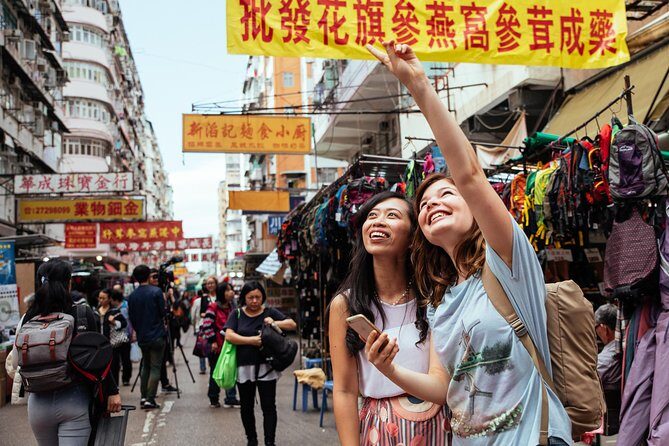
This tour works because it’s built around small, normal places that tourists often miss. You start with street-level context in Sai Ying Pun, then layer on temples, markets, and a design hub before ending in Mong Kok’s lively orbit near Temple Street.
The private format is the real power. If you care more about food than photos, the guide can nudge the order and attention. If you’re more into culture or history, the guide can help you read what you’re seeing instead of treating it like scenery.
You’re also getting transportation support for two key segments: MRT and the Star Ferry crossing. That matters in Hong Kong, where hopping between island and Kowloon can eat time if you’re doing it solo.
Finally, it’s offered as a CO2-neutral experience with carbon emissions offset. That won’t change the view, but it’s a nice note for people trying to travel with less guilt.
You can also read our reviews of more city tours in Hong Kong SAR
Price and what makes $206.80 feel fair (or not)
At $206.80 per person for about 6 hours, the price is only “worth it” if you use what’s included. Here, the package covers a private guide, a local snack, and transportation for MRT and ferry.
So you’re paying for three things that are hard to DIY well on a first visit: (1) local routing that avoids dead ends, (2) context that turns places into something you understand, and (3) help choosing where to eat without gambling on tourist traps.
The tour also has a “local streets” strategy rather than a checklist of famous sights. If your idea of value is seeing big-ticket attractions with zero walking, you might feel the cost more than the payoff.
Getting started at Sai Ying Pun: MTR meet-up and the Father of China walk
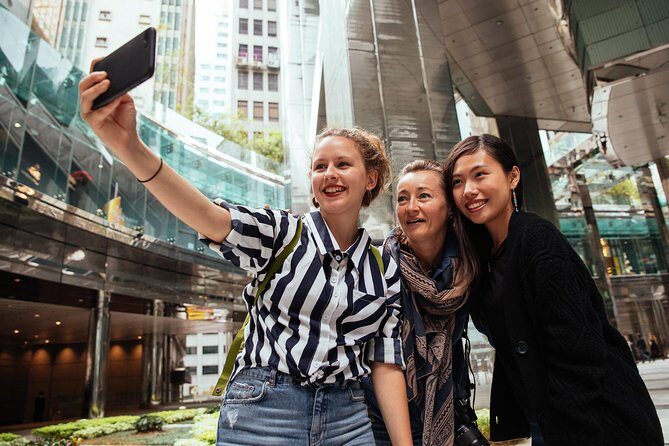
You meet at Sai Ying Pun, near MTR station Exit C. The route notes also point to Sai Ying Pun station exit B1, so I’d treat this as a “follow the guide instructions on arrival” situation and arrive a few minutes early so you’re not guessing.
Right away, the guide sets the tone with a walk connected to the Father of China theme—specifically, the path he used to take to school. Even if you’ve never studied Hong Kong history, this kind of grounding helps you understand why the neighborhood feels the way it does.
Then you pass by a so-called haunted house and hear the secret story behind it. It’s the kind of street legend detail that makes Hong Kong feel like it has personality, not just signage.
Dry Seafood Street and Western Market: how food streets become a cultural lesson
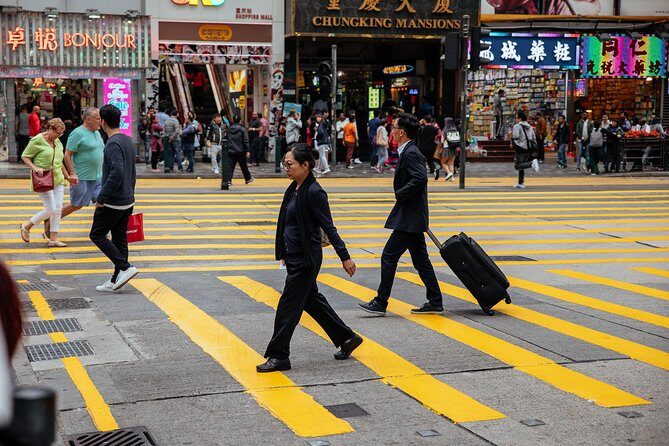
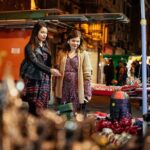
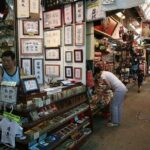
Dry Seafood Street and the tonic food area are where you see Hong Kong’s practical side. You’ll walk through the market vibe and get guidance on the exotic ingredients and how people think about them.
This isn’t about you buying anything fancy. It’s about getting the “what am I looking at?” answer from someone local, so you don’t just stare at jars and bins like a tourist. And it’s a good energy shift because it’s lively but still grounded.
Right nearby is Western Market, with its Edwardian-style architecture. Your guide connects the building to its past role, so the architecture stops being decorative and starts being historical.
If you’re sensitive to strong smells, be ready for market intensity. You’re inside a real trade corridor, not a curated museum hallway.
Man Mo Temple: calm rituals in the middle of the city rush
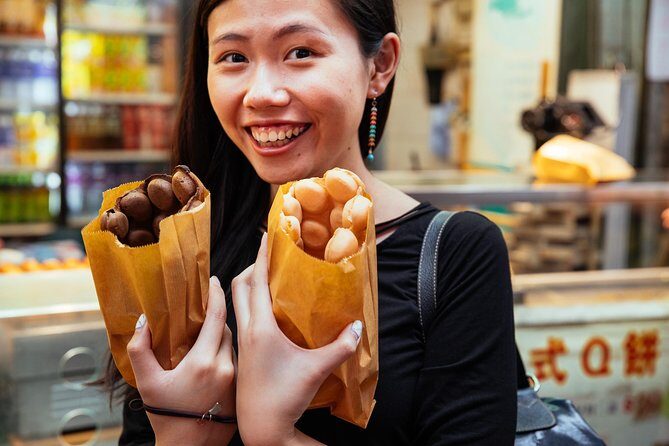
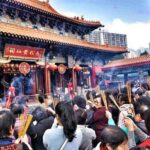
After the market intensity, Man Mo Temple brings the mood down fast. The focus here is visiting a serene temple and watching religious rituals as they unfold.
This is a solid stop for first-timers because it shows how spiritual life exists alongside daily street life. You’ll have time to look carefully without feeling rushed through a gift-shop circuit.
Practical note: temples usually mean you should keep your volume down and dress appropriately. The tour doesn’t mention a dress code, but Hong Kong temples generally expect respectful behavior.
You can also read our reviews of more private tours in Hong Kong SAR



PMQ: a design hub with real Hong Kong context
PMQ is one of those places that can look trendy if you only skim it. The guide’s job is to give you the history behind the creative hub for local designers, so it feels rooted instead of random.
This stop is short, but it’s strategically useful. It helps you understand Hong Kong as a city that builds culture in regular spaces—workshops, studios, and repurposed buildings—rather than only in “attractions.”
If you like design, street fashion, or how cities evolve, PMQ is a good place to ask your guide questions. Even with limited time, you’ll usually get a clearer picture than you would from reading alone.
Stone Slab Street lunch: getting your meal choice right
Stone Slab Street is where the tour turns practical. Your guide helps you choose a local lunch based on your preferences, and you’ll have a bit of time to settle in.
This is valuable because Hong Kong food options are huge, and it’s easy to waste time picking “something nearby.” Having a local filter can help you get a more satisfying meal with less guesswork.
Extra food and drinks aren’t included, so you’ll likely pay your own bill at lunch. That’s not a dealbreaker—just plan for it so the budget isn’t a surprise.
If you have dietary restrictions, you’ll want to be clear with your guide at the start of the tour. The tour data says recommendations are tailored to preferences, but it doesn’t spell out special handling for every need.
Star Ferry to Kowloon: a must-do that feels more local
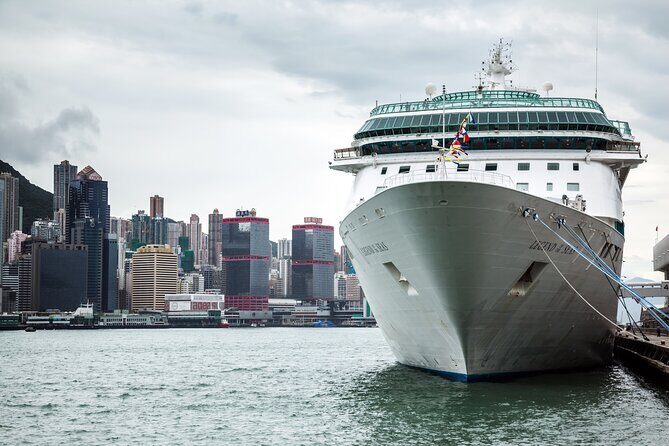
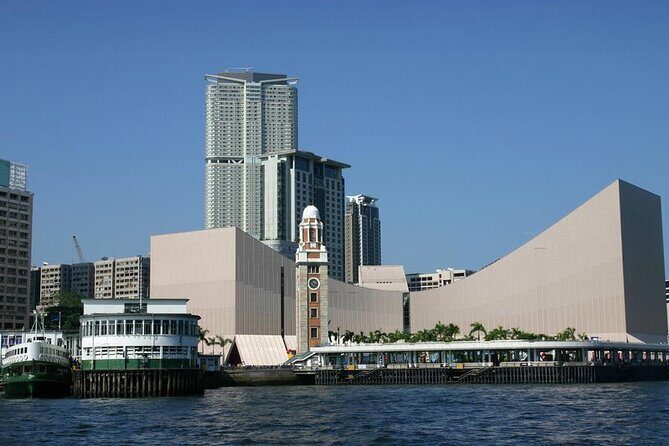
The tour includes the Star Ferry crossing from the Tsim Sha Tsui Star Ferry Pier to the Kowloon side. This is one of the iconic movements in Hong Kong, but the advantage here is pacing and context.
A lot of people do the ferry for the view and then move on. Here, you’re doing it as part of a route that’s meant to connect neighborhoods—so you arrive in Kowloon already understanding what kind of place you’re entering.
It’s also transportation included, which keeps the day moving without extra ticket hassles. The crossing is timed as a stop, so you’re not rushing for the last minute.
Tsim Sha Tsui: shops, lights, and Chung King Mansion as a real-world mix
Once you’re in Tsim Sha Tsui, you’ll explore the area with time for the shops and the neon atmosphere. This is a one-hour stop, so it’s enough to wander, not enough to get lost.
A highlight is the mention of Chung King Mansion as a multicultural paradise. That framing is helpful because it shifts the focus from a single building to what the area represents—Hong Kong as a meeting point.
If you like photo walks, this is where you’ll want to slow down and let the guide point out details. If you prefer quieter streets, you can still enjoy the area, but keep your head up and your route simple.
Tin Hau Temple and Temple Street: the “night vibe” arrives late in the day
The last major cultural stop is Tin Hau Temple, dedicated to the Goddess of the Sea. It’s a grounded capstone: the city’s waterfront history and everyday spirituality show up in one place.
From there you arrive near Temple Street, famous for nightlife. This is a good ending because you get the option to keep exploring on your own afterward, now that you understand the neighborhood feel.
If you’re not a nightlife person, that ending still works. Even if you just browse the street energy from the edge, it helps you see Hong Kong as more than daytime scenery.
How to get real value from your private guide time
The tour is marketed as tailored, and the practical effect is that you should treat the guide like your filter. If you tell your guide what you like—food, fashion, culture, history—you’ll likely get a smoother day and better decisions at the lunch stop.
The guides highlighted in the feedback I saw include people such as Cosmo, Samuel/Samuel Li, and Angela. Cosmo gets credit for being intelligent, helpful, patient, and even speaks Spanish in at least one reported case. Sam/Samuel Li gets praise for being friendly and letting the group choose what to see and do. Angela is noted for making culture and history feel easy to understand, including food moments.
You don’t need to know the city to benefit from that. You just need questions. Ask what locals actually eat around this stop. Ask what to notice in the architecture. Ask why this temple matters to the neighborhood.
Walking pace, timing, and what to wear
This tour runs about 6 hours, and the stops are spread across multiple neighborhoods. Even though MRT and ferry help with movement, you should still plan for a lot of walking between stops.
The tour info calls for moderate physical fitness, and one review flagged over 20,000 steps with some people having to quit halfway. That’s a clear signal to take it seriously.
Wear shoes you’d use for a city day, not sandals you’d wear for a museum. Bring water, even though extra drinks aren’t included, and consider a light snack just in case your local snack and lunch timing don’t match your hunger patterns.
Also, since it ends in Mong Kok near Temple Street, it helps to have a simple plan for how you’ll get home after.
Who this tour suits best (and who should skip it)
This is a strong fit if you’re a first-time visitor who wants a local-feeling day. If you care about markets, temples, and “how Hong Kong works,” you’ll get more out of this than a sightseeing-only route.
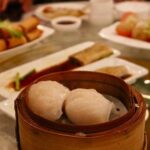
It’s also a good match for food-focused travelers. You get market education, a local snack, and lunch guidance tied to your preferences, which is a big deal when you’re standing in a city full of menus.
The main group that might struggle is anyone who can’t handle long walking days. If you’d rather spend your time in fewer places with more downtime, look for a shorter or less step-heavy option.
Should you book this Hong Kong private city tour?
I’d book it if you want a guided, local-minded version of Hong Kong that mixes food streets, temple visits, design context at PMQ, and a ferry crossing that actually connects island and Kowloon. The private format is the biggest reason, because you’re not trapped inside someone else’s fixed agenda.
I’d think twice if your top goal is only the most famous sights with minimal effort. Also be honest about your walking tolerance. With this route, you’re choosing movement and neighborhood texture, not just quick photo stops.
If you decide to go, message your guide at the start about your preferences—especially food and your comfort level with walking. That’s how you make the time feel tailored instead of like a schedule.
FAQ
How long is the Full Coverage Hong Kong Private City Tour?
It runs for about 6 hours.
Is this tour private?
Yes. It is a private tour, so it’s only you and your local guide.
Where do I meet the guide, and where does the tour end?
You start at Sai Ying Pun, meeting around the MTR station exits, with guidance meeting at Exit C. The tour ends at Tung Choi Street in Mong Kok.
What’s included in the price?
The price includes a private guide, a local snack, and transportation for MRT and the ferry.
Is Star Ferry transportation included?
Yes. Ferry transportation is included as part of the tour.
Do I get a mobile ticket?
Yes. The experience uses a mobile ticket.
What about meals and drinks?
A local snack is included, and the guide helps you choose a local lunch, but extra food and drinks are not included.
How much walking should I expect?
The tour calls for moderate physical fitness, and it is described as a walking tour with a lot of time spent between multiple stops.
Can I cancel for a full refund?
Yes. You can cancel up to 24 hours in advance for a full refund.